Posted on Leave a comment

Ritual: Crafting a Yule Log with Candles

the Yule log candle
the Yule log candle

Introduction

A Symbol of Light, Hope, and Yule Magic

During Yule, the return of the Sun is celebrated with warmth, light, and rituals that honor the turning of the wheel of the year. One of the most beloved symbols of this season is the Yule log. In this ritual, instead of burning the Yule log, we will craft a decorative Yule log with tapered candles, creating a beautiful centerpiece that embodies the light of the season. This Yule log, adorned with natural elements and illuminated by candlelight, serves as a symbol of renewal, hope, and the magic of Yule.

Ritual Basics

Before beginning any ritual, it is important to prepare yourself mentally and physically. You may want to take a cleansing bath, or shower, and meditate or perform some grounding exercises to center yourself. Gather any materials you will need, such as candles, incense, and offerings for the forest spirits.

You can read a more detailed Ritual Preparation guide here.

The Decorative Yule Log: A Candlelit Celebration of Light

Rather than burning the Yule log, this version is decorated and used as a focal point of your Yule celebrations. Candles are placed in the log, representing the light of the Sun returning after the longest night. Each candle can be charged with an intention or blessing, infusing the log with personal meaning and purpose. As the candles burn, they symbolize the light driving away the darkness, carrying your wishes into the universe.

Crafting a Decorative Yule Log with Candles

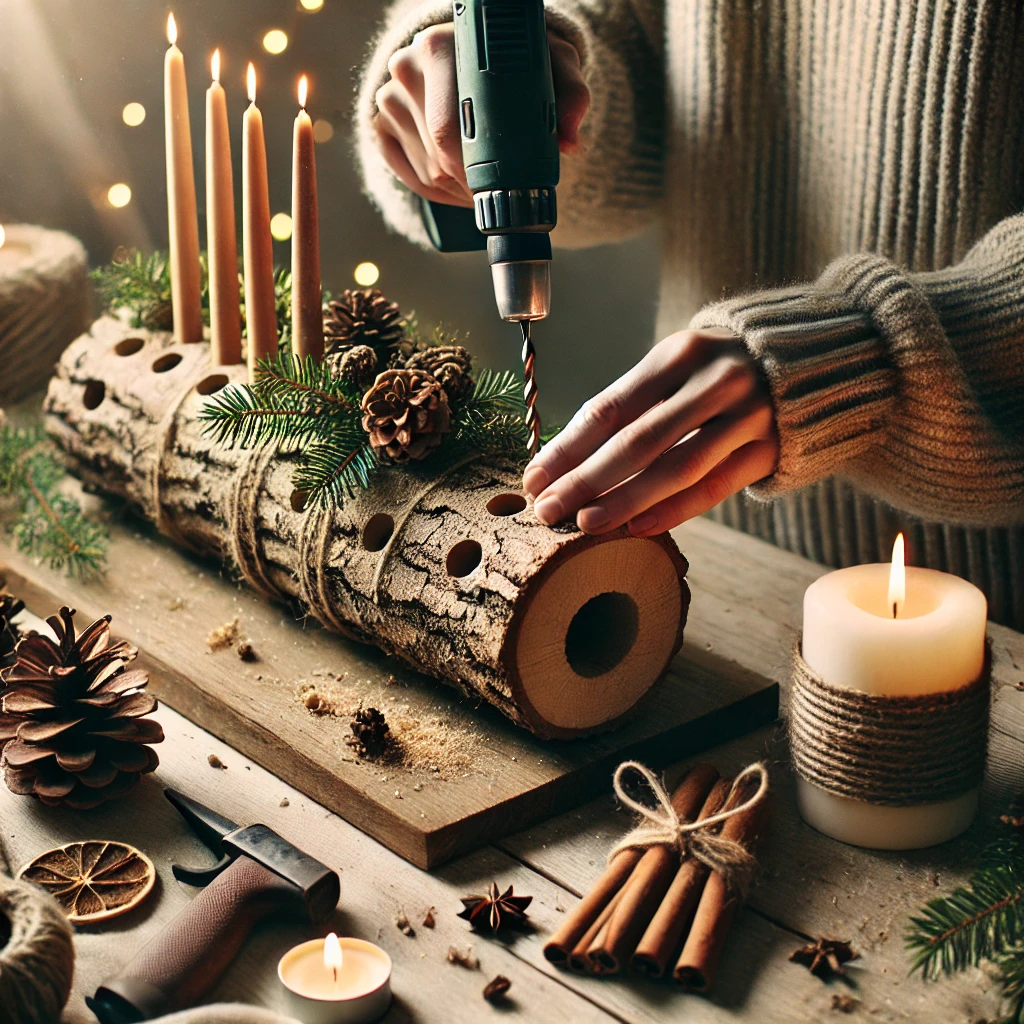
A Yule log decorated with natural elements and used as a candle holder to symbolize the return of the Sun.

  • Drill with a bit large enough for tapered candles
  • Hand saw or sandpaper
  • Twine or ribbon
  • 1 Log (required – A log approximately 12-18 inches long, made from oak, pine, or another sturdy wood, with flat bottom so it doesn’t roll.)
  • 3-5 Tapered candles (required – Symbolize the light of the Sun; choose candles in colors like red, green, gold, or white.)
  • 1 Bundle Pine branches or greenery (optional – For decoration and to symbolize longevity and prosperity.)
  • 3 Pinecones (optional – Symbolize life and rebirth.)
  • 1 Sprig Holly or mistletoe (optional – Represents protection and blessing.)
  • Dried flowers or herbs (optional – Choose flowers or herbs such as lavender, rosemary, or cinnamon sticks for protection and abundance.)
  • 1 Bag Glue or small nails (optional – For securing decorations if needed.)

Step 1: Preparing the Log

  1. Select your log—oak, pine, or another wood traditionally associated with strength and protection is ideal. Make sure it is stable and will sit flat on a surface without rolling.
  2. Using a drill, create 3-5 evenly spaced holes along the top of the log, deep and wide enough to securely hold your tapered candles. Be careful not to drill too deep; the candles should sit securely but should not be flush with the log.

Step 2: Decorating the Yule Log

  1. Once your log is drilled, it’s time to decorate! Gather pine branches, holly, pinecones, and flowers.
  2. Attach the greenery and pinecones to the log using twine to secure them in place, or use glue or small nails if needed. The greenery symbolizes renewal, longevity, and prosperity during the winter months.
  3. Adorn the log with herbs and flowers that represent your intentions for the season—lavender for peace, rosemary for protection, or cinnamon sticks for warmth and abundance.
  4. Optional: Wrap twine or ribbon around the log for an added decorative touch, creating a sense of harmony and balance.

Step 3: Setting the Candles

  1. Choose your candles based on the intentions or energies you wish to welcome into your home during Yule.
  2. – Red for vitality and courage.

  3. – Green for abundance and prosperity.

  4. – Gold for success and light.

  5. – White for peace and protection.

  6. Insert the candles into the drilled holes. As you place each candle into the log, take a moment to reflect on the light it will bring into your life and home as the wheel of the year turns toward longer days.

Step 4: Charging the Yule Log with Intentions

  1. Once your Yule log is decorated and candles placed, take a moment to hold your hands over the log, focusing on your intentions for the season.
  2. Say aloud:

    "I bless this Yule log with light and life,

    To carry forth the Sun's return,

    May it warm our hearts, protect our home,

    And bring renewal in the year to come."

  3. Visualize the warmth of the Sun filling the log with glowing energy, infusing your space with blessings and protection.

Step 5: Lighting the Candles

  1. On Yule or the Winter Solstice, gather around the Yule log with your loved ones or in quiet meditation.
  2. Light the candles, one by one, focusing on the warmth and light each flame brings. As each candle is lit, speak your intentions or blessings for the coming year.
  3. Let the candles burn during your celebrations, filling the room with light and warmth.

Step 6: Reflecting and Honoring the Season

  1. As the candles burn, reflect on the magic of Yule and the returning Sun. This is a time to honor the cycles of nature and the promise of renewal.
  2. Share stories, intentions, or blessings with those around you, or simply enjoy the peaceful atmosphere the Yule log creates.

The decorative Yule log can be reused year after year as part of your Yule celebrations. After the candles have burned down, carefully remove the stubs, and refresh the decorations with new greenery, herbs, and flowers. Each year, this log will continue to be a symbol of light, hope, and the magic of the Winter Solstice.

Winter Solstice, Yule
Rituals

Conclusion

Crafting a Yule log with candles is a beautiful way to celebrate Yule, bringing the light and warmth of the Sun into your home as the darkest days of winter pass. The decorated Yule log, adorned with nature’s gifts and illuminated by candlelight, serves as a reminder of the cycles of life, death, and rebirth, and the magic of the season. Let this symbolic centerpiece be a source of joy and inspiration throughout the Yule season, offering hope, renewal, and the promise of new beginnings.

Posted on Leave a comment

Ritual: A Ritual of Light and Hope

A Ritual of Light and Hope

Introduction

Embracing the Sun’s Return and the Promise of Longer Days

As the Winter Solstice unfolds, the longest night of the year carries the promise of light’s return. This celestial event, marking the rebirth of the sun, invites us to pause, reflect, and celebrate the cyclical dance of darkness and light. Through this ritual of light and hope, we honor the lessons of the shadow and welcome the vitality of the returning sun.

Ritual Basics

Before beginning any ritual, it is important to prepare yourself mentally and physically. You may want to take a cleansing bath, or shower, and meditate or perform some grounding exercises to center yourself. Gather any materials you will need, such as candles, incense, and offerings for the forest spirits.

You can read a more detailed Ritual Preparation guide here.

About A Ritual of Light and Hope

Yule, the Winter Solstice, has been celebrated for centuries as a moment of renewal and transformation. The sun, reborn after its longest absence, symbolizes the gradual triumph of light over darkness. This ritual connects us to ancient traditions that honor the balance of the seasons, using symbols such as evergreens and candles to inspire resilience, hope, and warmth. Ideal for both solitary practice and communal celebration, this ritual embraces gratitude for the lessons of winter while setting intentions for the growing light.

A Ritual of Light and Hope

A ritual celebrating the rebirth of the sun and setting intentions for the returning light.

  • Space to practice safely with candles
  • Lighter or matches
  • Journal and pen
  • Vase or base for evergreen branches
  • 1 Bundle Evergreen branches (required – Represents resilience and eternal life.)
  • Multiple Candles (required – In gold, white, and red hues to symbolize light and vitality.)
  • 1 White candle (required – For the intention-setting ritual.)
  • Assortment – Foods (optional – For the feast of light (citrus fruits, golden vegetables, spiced dishes).)

Step 1: Preparing the Sacred Space

  1. Adorn your space with evergreen branches, placing them in vases or creating a wreath. Let their vibrant energy symbolize life’s endurance through winter.
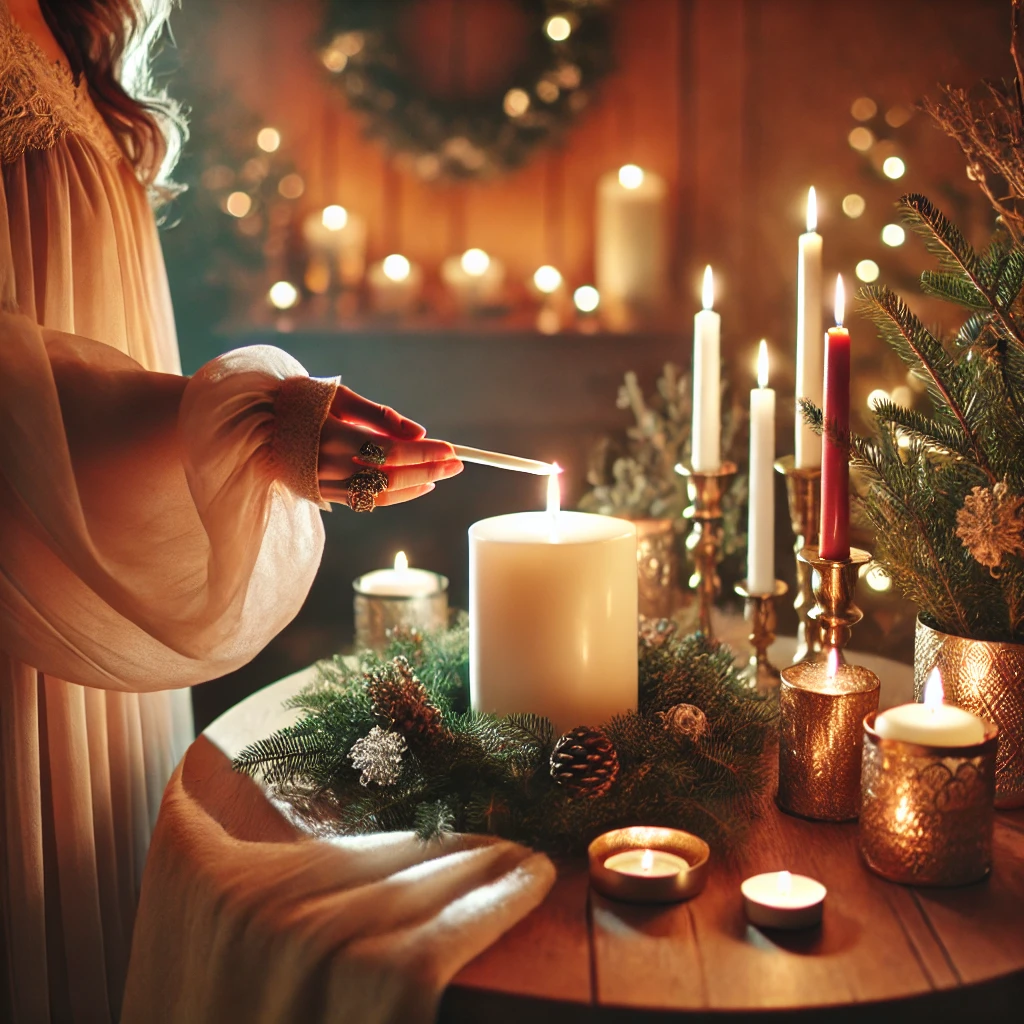
  2. Arrange an array of candles around your space in hues of gold, white, and red to represent the returning light. Ensure the candles are safely placed and easy to access.

Step 2: Welcoming the Returning Sun

  1. Stand facing east, the direction of the sunrise. Extend your arms upward in a welcoming gesture, embracing the returning sun’s energy.
  2. Say aloud or silently:

    “I welcome the light, the warmth, and the vitality of the sun. With gratitude, I embrace the promise of brighter days and the dispelling of darkness.”

  3. Reflect on the darkness of winter, expressing gratitude for the lessons, rest, and introspection it has brought.

Step 3: Setting Intentions for the Coming Light

  1. Sit comfortably in your sacred space. With your journal or in quiet reflection, consider the aspects of your life you wish to illuminate and nurture in the coming months.
  2. Hold a white candle in your hands. Close your eyes and focus on your intentions, visualizing them as seeds of light ready to grow.
  3. Say aloud:

    “As the sun returns, so shall my intentions grow. I ignite this flame as a symbol of hope, renewal, and transformation.”

  4. Light the candle, visualizing your aspirations being infused with the sun’s radiant energy.

Step 4: Closing the Ritual

  1. Gently extinguish the white candle or let it burn safely as you conclude the ritual.
  2. Prepare a feast of light using foods that symbolize the sun’s warmth, such as citrus fruits, golden vegetables, and spiced dishes.
  3. Share this meal with loved ones or enjoy it in reflective solitude, celebrating the sun’s rebirth and the promise of brighter days.
  • If practicing with a group, consider assigning roles such as decorating, reading blessings, or preparing the feast to enhance communal connection.
  • Offer leftover food or natural decorations to the Earth as a gesture of gratitude.
Seasonal Solar Magic, Yule
Rituals

Conclusion

A Ritual of Light and Hope offers a moment of profound connection to the cycles of nature and the light within ourselves. As we honor the longest night and the sun’s rebirth, we embrace the promise of renewal and transformation. This Yule, may the flickering flames of your candles inspire hope and illuminate the path ahead, guiding you toward a season filled with warmth, abundance, and joy.

Posted on Leave a comment

Ritual: Shared Activities and Quality Time

Shared Activities and Quality Time

Introduction

Strengthening Bonds Through Simple Acts of Love

As the hearth’s glow softens the edges of the night and the warmth of shared connection fills the air, Yule’s Mothers’ Night invites you to celebrate the simple, yet profound joy of shared activities. This sacred time is one to engage in meaningful moments that honor the Disir—the protective spirits and ancestral women who have shaped our lives—and to weave threads of laughter, creativity, and togetherness into the fabric of familial bonds. The activities chosen are as unique as the lives and memories of those who are honored, making them treasured traditions that deepen connections and enrich the spirit of Yule.

Ritual Basics

Before beginning any ritual, it is important to prepare yourself mentally and physically. You may want to take a cleansing bath, or shower, and meditate or perform some grounding exercises to center yourself. Gather any materials you will need, such as candles, incense, and offerings for the forest spirits.

You can read a more detailed Ritual Preparation guide here.

Honoring Through Shared Moments

Bringing Love, Craft, and Joy to Mothers’ Night
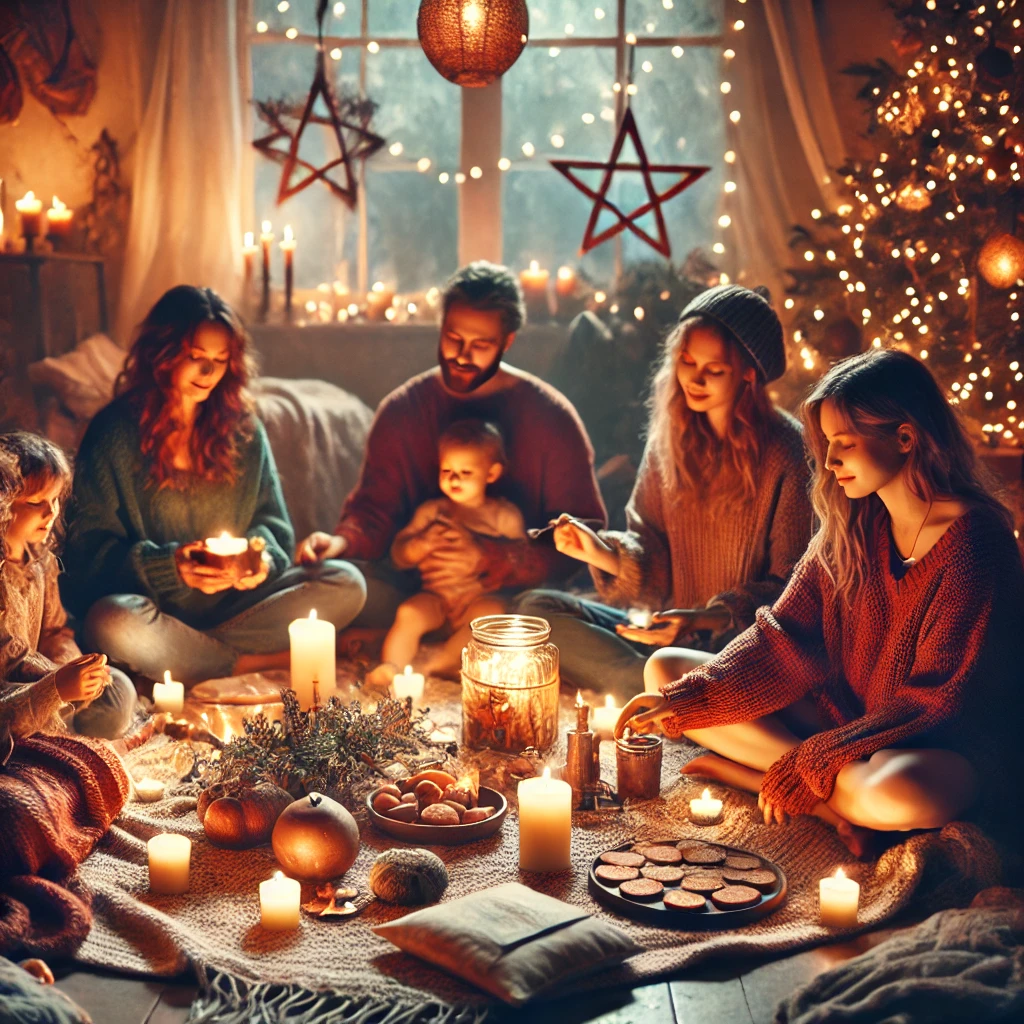
Mothers’ Night, the first night of Yule, is a time for family and friends to gather and celebrate the feminine energies that guide, nurture, and protect. Engaging in shared activities and spending quality time with loved ones becomes an act of honoring the Disir and the women who have come before. Whether creating crafts, storytelling, singing, baking, or simply sharing laughter over a hot cup of cider, these moments transcend the ordinary, cultivating an atmosphere of love, joy, and reflection. Through these activities, we create a sacred space that nurtures the bond between the living and the spirits who watch over us.

Shared Activities and Quality Time: A Tapestry of Togetherness for Mother’s Night

A relaxed and joyful ritual involving shared crafts, games, and meaningful activities to honor the Disir and feminine energies.

  • Warm Blanket or Throw (required)
  • Candles or Twinkling Lights (optional)
  • Activity Supplies (required)
  • Comforting Beverages (optional)

Adapt to chosen activity

  • Craft Supplies (Yule-Themed Decorations

    optional – Such as pinecones, holly, cinnamon sticks, glue, twine, or paint)

  • Baking Ingredients (For Family Recipes or Seasonal Treats

    optional – Flour, sugar, spices, nuts, or dried fruits for baking together)

  • Tokens of Remembrance (Symbolic Items for Honoring Ancestors

    optional – A photo frame, fabric for quilt squares, or materials for a shared journal to honor the Disir)

Step 1: Preparing the Space for Togetherness

  1. Choose a gathering space in your home, such as a cozy corner of the living room, the kitchen table, or a circle around the hearth, where everyone can comfortably sit and engage in activities together.
  2. Place warm blankets, pillows, or throws around the space to create a sense of comfort and relaxation. Add candles or twinkling lights to set a mood of joy and celebration.
  3. Set up any necessary materials for your chosen activities, whether it be craft supplies, game pieces, musical instruments, or baking ingredients. Arrange these items on a table, within easy reach, or as a focal point for the gathering.

Step 2: Gathering for Quality Time

  1. Invite everyone to sit together in the gathering space, and begin by lighting a candle or saying a few words to honor the Disir and the feminine energies being celebrated on Mothers’ Night. You may wish to speak a blessing:
  2. “On this sacred night, we gather to honor those who have come before,

    To weave laughter and love into the fabric of our lives,

    And to celebrate the guiding spirits of Mother’s Night.

    May joy, connection, and gratitude fill this space.”

  3. Choose an activity that resonates with the mood and interests of the group. The activity could be something as simple as storytelling, singing, or crafting, or it could involve baking a favorite family recipe together.

Step 3: Engaging in Shared Activities

  1. Crafting Together: Gather supplies to make Yule decorations, like wreaths, Yule logs, or garlands. Each person can create their own craft or contribute to a shared creation, such as a quilt square for a memory quilt or a communal ornament for the tree. Allow creativity to flow, and encourage everyone to share stories or memories while they work.
  2. Baking and Cooking: Prepare a special meal, dessert, or snacks as a family. Choose recipes that have significance to your heritage or the women of your family. As you cook, share memories associated with the dish, and enjoy the scents and warmth of the kitchen together.
  3. Storytelling and Singing: Share tales of female ancestors, memorable family stories, or tales of Yule and the season’s traditions. Sing songs together, whether they are Yule carols, family favorites, or traditional folk songs that honor the season and the Disir.
  4. Playing Games or Dancing: Engage in traditional games that the whole family enjoys, or clear a space for dancing together. Let the energy be light, playful, and full of joy.

Step 4: Honoring and Reflecting Together

  1. As the activities come to a close, take a moment to pause and reflect. Allow each person to share what the night has meant to them, or offer a gratitude prayer to the Disir and female ancestors:
  2. “We give thanks for the joy shared, for the love given and received,

    For the laughter and light that fill this night,

    And for the guidance of our beloved Disir,

    Who walk with us through every season of life.”

  3. Enjoy the remaining moments together, whether by sitting in quiet reflection, sharing a comforting beverage, or simply being present in each other’s company.

Remember that the purpose of this ritual is to celebrate connection, love, and joy in a way that feels authentic and meaningful to those present. There are no right or wrong activities; simply choose what brings a sense of delight and closeness to the gathering. If young children are present, consider activities that are fun, simple, and interactive. Allow the night to unfold naturally, without pressure or expectation—each shared moment is a gift to honor and remember.

Mother’s Night, Yule
Rituals

Conclusion

Mothers’ Night is a celebration of love, unity, and the nurturing bonds that weave through generations. By engaging in shared activities and spending quality time with loved ones, we honor the Disir and all those who have shaped our lives with grace and strength. Every craft made, song sung, and game played becomes an act of remembrance and joy, filling the night with warmth and the spirit of togetherness. As the Yule season unfolds, may the connections you celebrate on Mothers’ Night bring you closer to your family, your ancestors, and the guiding energies of love and protection that accompany you throughout the year.

Posted on Leave a comment

Ritual: Heartfelt Letters and Expressions

Heartfelt Letters and Expressions

Introduction

Connecting to Ancestral Wisdom through the Power of the Written Word

In the gentle glow of Mother’s Night, the first night of Yule, the warmth of the hearth and the feminine influence of the home beckon practitioners to honor the Disir—the protective female spirits, ancestors, and mothers who have shaped lives throughout generations. The evening becomes a sacred opportunity to honor the feminine, to nurture connections with those who have come before, and to celebrate the love that flows through time and space. One of the most meaningful rituals to mark this night is the act of writing heartfelt letters or expressions of love and gratitude to the Disir and influential women of one’s life, both seen and unseen. The written word becomes a sacred tool of connection, allowing the heart to speak and creating a bridge that weaves between the earthly realm and the spiritual world.

Ritual Basics

Before beginning any ritual, it is important to prepare yourself mentally and physically. You may want to take a cleansing bath, or shower, and meditate or perform some grounding exercises to center yourself. Gather any materials you will need, such as candles, incense, and offerings for the forest spirits.

You can read a more detailed Ritual Preparation guide here.

Honoring the Disir through Words

The Power of Heartfelt Letters on Mother’s Night
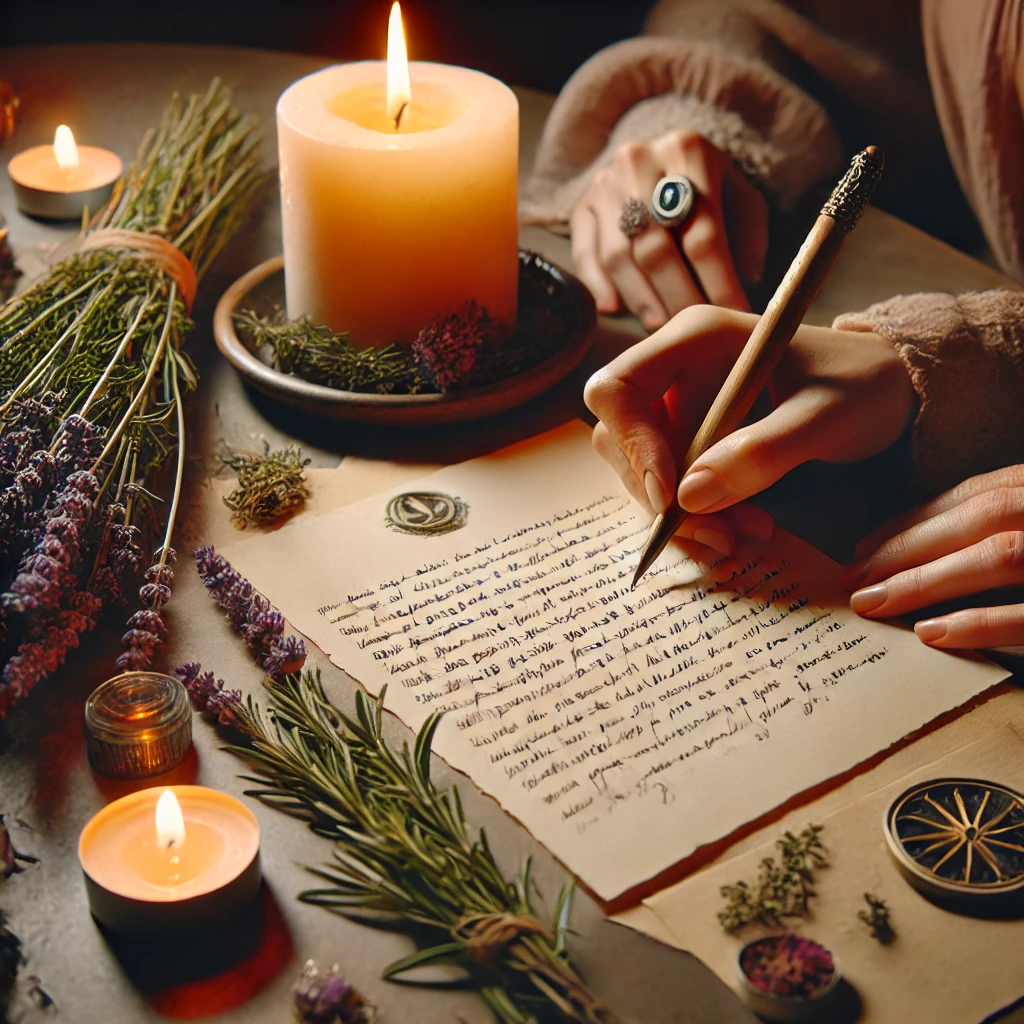
Mothers’ Night is a time of deep reflection, honor, and the rekindling of the threads that bind us to the Disir—the guardian spirits, female ancestors, and protectors of fate and fertility. By setting aside time to write heartfelt letters or express gratitude through other creative forms, practitioners are given a chance to cultivate reverence for the loving energies that have watched over and guided them. As the words take shape on the page, they become a tangible expression of emotions, intentions, and love, inviting a deeper sense of communion and understanding. This practice is particularly significant, as it highlights the act of expressing and giving voice to the often unspoken connections between the past, present, and future.

Heartfelt Letters and Expressions: A Writing Ritual for the Disir

A reflective Yule ritual of writing letters to honor the Disir and influential feminine energies in one’s life.

  • Writing Materials (required)
  • Candle (required)
  • Altar or Writing Space (optional)
  • Decorative Box or Pouch (optional)
  • 1 Stick or Bundle Incense (Any Autumn or Winter Scent

    optional – To cleanse the space and invoke the presence of the Disir)

  • 1 Small Offering Herbs or Dried Flowers (optional – Such as rosemary, lavender, or rose petals to offer to the spirits)
  • 1 Token of Appreciation (Symbol of a Loved Ancestor

    optional – Such as a piece of jewelry, photograph, or keepsake to honor the Disir)

Step 1: Preparing the Sacred Writing Space

  1. Choose a quiet place where you can sit comfortably and write without distractions. This could be near a hearth, at a kitchen table, or at an altar adorned for Yule.
  2. Light a candle and place it in your writing space, setting the tone of reverence and illumination. The flame represents the presence of the Disir and the guiding light of female ancestors.
  3. If desired, burn incense to cleanse and consecrate the space, welcoming the energies of Mother’s Night to join in your reflections.

Step 2: Setting the Intention for Connection and Gratitude

  1. Before beginning your writing, take a moment of silence to ground yourself and focus on your breath. Inhale deeply, drawing in the warmth of the season, and exhale to release any distractions or concerns.
  2. Visualize your intentions clearly—to honor the Disir, express gratitude for the women in your lineage, and connect with the nurturing energies that have supported you.
  3. With your eyes closed, take a moment to call upon the Disir. You may choose to speak words aloud, inviting them to guide your hand and heart as you write:
  4. “Disir, guardians and protectors, I honor you this night.

    Through my words, may my gratitude be heard,

    And may my love reach across time and space.”

Step 3: Writing Heartfelt Letters or Expressions

  1. As you sit with your paper or parchment, let the words flow from your heart. Write to a specific female ancestor, the collective Disir, or to the feminine energies that have blessed and guided your life.
  2. Express your gratitude, admiration, and love—you may choose to write about memories, offer thanks for blessings received, or simply speak from the heart. Let the candle’s gentle light guide your thoughts as they find their way onto the page.
  3. If words don’t come easily, you may also choose to draw symbols, create poetry, or compose songs that carry your intention. Each expression is sacred and honored, no matter the form it takes.

Step 4: Presenting the Letters as Offerings

  1. Once your letter or expression is complete, take a moment to read it aloud to the flame of the candle, knowing that the words are carried to the spirits through the light and smoke.
  2. Fold the letter and place it on your altar, within a decorative box, or tucked under a keepsake that holds significance. This act serves as an offering, a gift to the Disir and those who have watched over you.
  3. If you have herbs, dried flowers, or small tokens, you may wish to place them alongside your letters as a gesture of respect and beauty, enriching the offering with nature’s bounty.

Step 5: Closing the Writing Ritual

  1. After presenting your letters, sit quietly and meditate upon the feelings of connection, reverence, and gratitude. Feel the bond between you and the Disir, strengthened by your heartfelt words.
  2. Offer a closing prayer or blessing to the spirits, expressing thanks for their presence and guidance:
  3. “Thank you, Disir, for hearing my words and receiving my love.

    May the bonds of connection be woven strong,

    And may your blessings fill this hearth and home.”

  4. Extinguish the candle, and keep the letters or offerings on your altar or in a sacred place throughout the Yule season, revisiting them whenever you wish to connect with the Disir.

While writing the letters, focus on your genuine emotions and allow the act to be one of love, healing, and reflection. If children or family members are participating, they can write their own letters, draw pictures, or speak words aloud. Encourage each person to connect with their lineage, and to honor both the known and unknown feminine energies in their lives.

Yule
Rituals

Conclusion

The ritual of writing heartfelt letters and expressions on Yule’s Mother’s Night is a profound practice that allows you to connect deeply with the Disir, honoring the feminine wisdom that flows through your lineage and life. As your pen touches the page, your words carry love, gratitude, and intention, building a bridge between you and the guiding spirits that watch over you. Each expression becomes a sacred offering, a gift that transcends the ordinary, inviting the blessings of the Disir into your home and heart. May your letters be filled with the warmth of the hearth, the light of the Yule season, and the enduring love of those who protect and guide you on your path.

Posted on Leave a comment

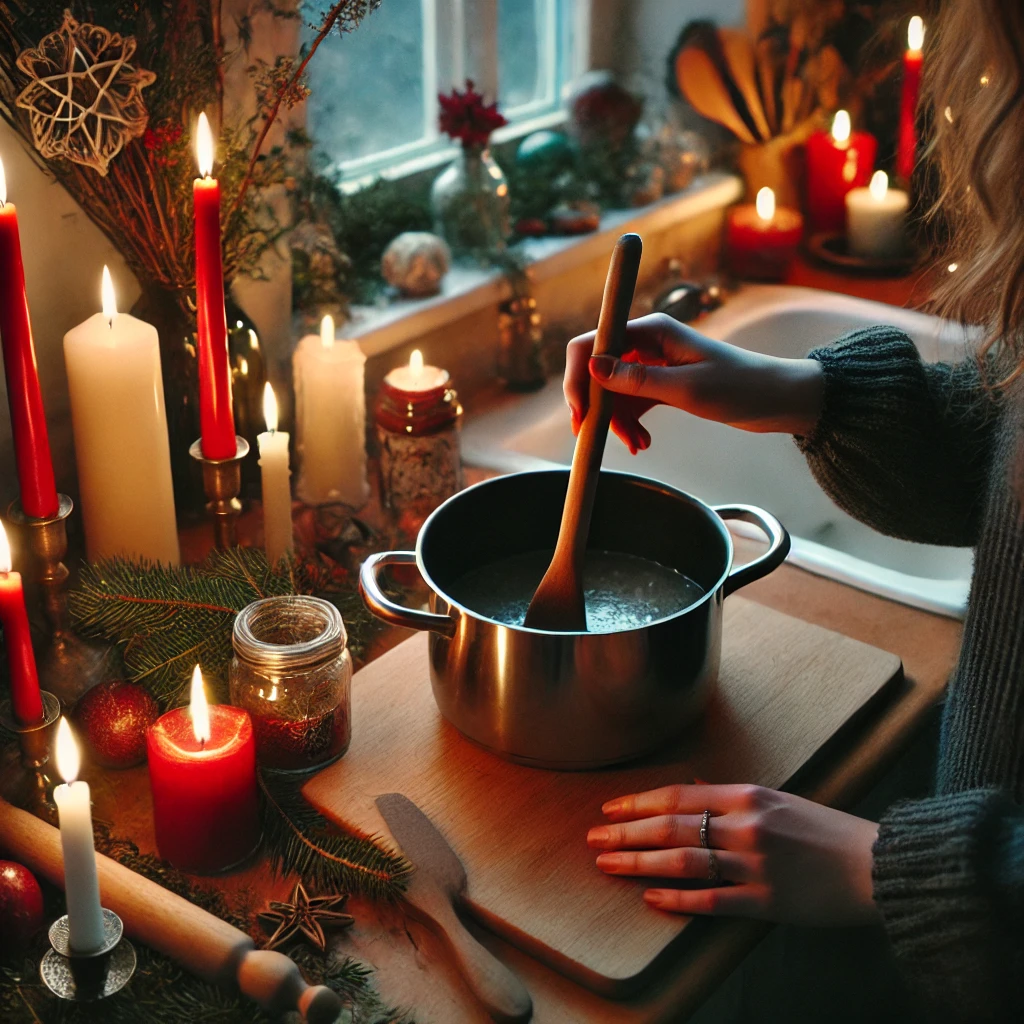
Ritual: Mothers’ Night Culinary Alchemy and Reverence

Mothers’ Night Culinary Alchemy

Introduction

Honoring the Disir and the Divine Feminine

Mother’s Night, or “Modraniht,” marks the beginning of the Yule festivities and offers a time for practitioners to honor the feminine forces that guide and protect. On this sacred evening, the hearth and home are imbued with special significance, becoming the center of warmth, nourishment, and remembrance. Traditionally a night dedicated to the Disir—the protective female spirits and ancestral mothers—this ritual celebrates the power of feminine influence, from the tender guidance of the ancestral spirits to the nurturing energy of the home itself. Through culinary creations and offerings, you connect with the feminine energies that flow through generations, honoring those who came before and the forces that continue to shape your path.

Ritual Basics

Before beginning any ritual, it is important to prepare yourself mentally and physically. You may want to take a cleansing bath, or shower, and meditate or perform some grounding exercises to center yourself. Gather any materials you will need, such as candles, incense, and offerings for the forest spirits.

You can read a more detailed Ritual Preparation guide here.

The Sacred Traditions of Mother’s Night

Mother’s Night is celebrated on the eve before Yule, setting the tone for the winter solstice festivities. Historically, this night acknowledges and venerates the feminine protectors and nurturers—both human and divine. The Disir, in particular, are female spirits or ancestors who are seen as guardians of fate, fertility, and familial well-being. The focus on cooking, the hearth, and the home recognizes the feminine influence in these realms, transforming the space where food is prepared and shared into a sacred altar of connection and remembrance. Through the act of cooking, serving, and honoring, this ritual seeks to build a bridge between the worlds, inviting the spirits of the Disir and other feminine guides into the celebration.

Yule’s Mother’s Night: Culinary Alchemy and Reverence

A Yule ritual to honor the Disir and feminine energies through cooking, feasting, and offerings.

  • Cooking utensils and cookware (required)
  • Candles (required)
  • Large plate or serving bowl (required)
  • Altar cloth (optional)
  • Ingredients for favorite treats (desserts, or meals (required) – Choose dishes loved by female ancestors or the spirits being honored)
  • 1 Offering bowl (optional – For pouring a drink offering (mead, wine, or cider are commonly used))
  • 1 Small bouquet Fresh herbs (flowers, or sprigs of evergreen (optional) – Symbolizing the blessings of the season)
  • 1 Cup Drink offering (mead, cider, or other seasonal beverage)

Step 1: Preparing the Kitchen and Hearth

  1. Start by setting an intentional space within your kitchen or cooking area. Light a candle or place a small altar on the counter, laying down a cloth in a color resonant with Yule (red, white, green, or gold).
  2. Arrange symbols of Mother’s Night, such as sprigs of evergreen, winter berries, or representations of the Disir—photos, figurines, or heirlooms of female ancestors. This transforms your cooking area into a sacred space, honoring the nurturing energies of the hearth.
  3. If you wish, invite the spirits or energies of the Disir to be present, saying:
  4. “Spirits of the Disir, mothers, protectors, and nurturers,

    I honor you this night with love and gratitude.

    May your blessings fill this space and guide me

    As I craft these offerings in your name."

Step 2: Cooking with Intention

  1. Select the dishes you will prepare in honor of Mother’s Night. These may be traditional family recipes, favorite meals of female ancestors, or foods associated with warmth, love, and abundance.
  2. As you prepare each dish, infuse your actions with intention. Stir with gratitude, chop with love, and season with blessings. Each movement is a prayer and a gesture of connection with the spirits you honor.
  3. Allow your senses to be fully immersed in the act of creation, feeling the textures, smelling the fragrances, and relishing the alchemy of ingredients coming together. You may choose to play soft music that resonates with the spirit of the night as you cook.

Step 3: Decorating the Altar and Hearth

  1. Once the meal is ready, arrange the dishes beautifully on a large serving plate or in bowls, ready to be offered. If you have prepared multiple dishes, place each in its own container to honor the diversity of the offerings.
  2. Move to the altar or hearth, lighting the candles to signify the sacredness of the moment. The warm glow reflects the nurturing energies of the Disir and the feminine.
  3. Arrange the food offerings on the altar, and if you have a drink offering (such as mead, cider, or wine), pour it into a special cup. Say words of gratitude as you place each item, for example:
  4. “To the Disir, mothers of the past, protectors of the present,

    I offer these gifts in love and thanks.

    Bless this hearth, bless this home,

    And may your presence guide and guard us."

Step 4: Feasting in Celebration

  1. Gather your family or loved ones to share in the meal prepared for Mother’s Night. As you feast, take time to share stories and memories of female ancestors or spirits you are honoring. If you are alone, reflect quietly on their guidance and influence in your life.
  2. Invite everyone to speak their gratitude, either aloud or in silence. Each person may offer a toast to the Disir, honoring their presence and blessings. If the atmosphere allows, laughter, storytelling, and joy should fill the room, for the Disir delight in merriment and love shared among family and friends.

Step 5: Sharing with the Disir

  1. When the feast is complete, set aside a portion of each dish on the altar or offering plate as a formal offering to the Disir. This is a symbolic gesture, sharing the abundance of the meal with the honored spirits.
  2. You may choose to leave the offerings overnight, placing them outdoors the next morning to return them to nature as a final gesture of respect and connection.

During Mother’s Night, the focus is on gratitude, love, and honoring the feminine spirit. Let the ritual flow naturally, adjusting as needed to fit your own traditions or family customs. Feel free to involve children in preparing the meal, setting the altar, or lighting candles, and share with them the importance of remembering and honoring the spirits of the past. If any family recipes have been passed down through the generations, cooking these dishes can add an additional layer of meaning and connection.

Yule
Rituals

Conclusion

Yule’s Mother’s Night is a celebration of feminine energy, honoring the protectors, nurturers, and guides of our lives. As you cook, feast, and offer your gratitude to the Disir, you weave the strands of your own ancestry into the fabric of this sacred night. By gathering around the hearth, sharing stories, and preparing offerings, you create a space where the past and present meet—a space where blessings, protection, and love flow freely. May the warmth of the hearth and the spirit of the Disir fill your heart and home with light as you welcome Yule’s blessings and the embrace of the nurturing forces that guide you throughout the year.

Posted on Leave a comment

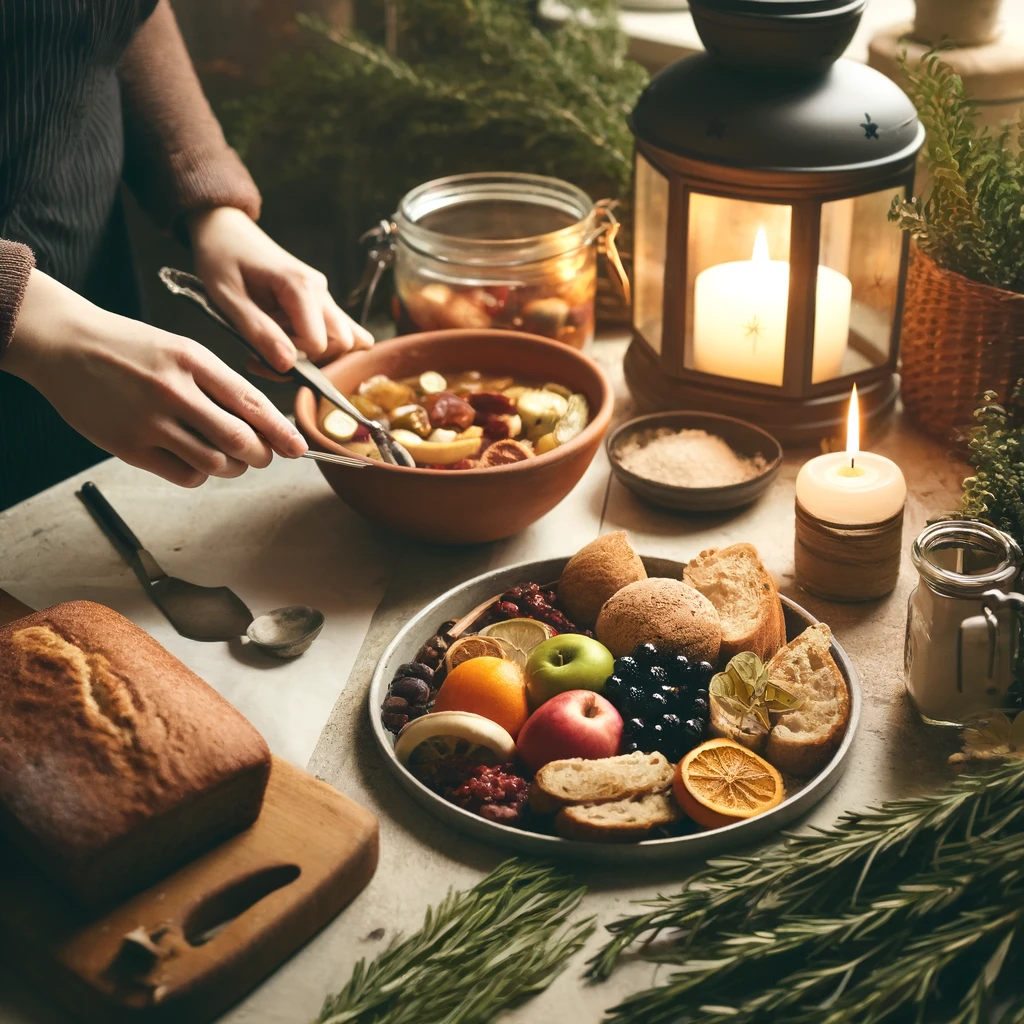
Ritual: Creating Culinary Offerings

Creating Culinary Offerings

Introduction

Honoring Ancestral Spirits and Feminine Energies through Sacred Cooking

Yule’s Mother’s Night, or Modraniht, marks the beginning of Yule festivities and is a sacred time for honoring the Disir—protective female spirits, ancestors, and guides—and the nurturing feminine energies that influence the hearth and home. The warmth of the hearth and the aroma of food carry a deeper spiritual significance on this night, as the kitchen becomes a sacred space for alchemy and remembrance. Through the preparation of offerings and the intentional adornment of the altar, practitioners honor their ancestors, the Disir, and the generative forces that bring life and protection. This ritual focuses on creating culinary offerings that invite the spirits to the hearth, and in doing so, blend the energies of nourishment, connection, and reverence.

Ritual Basics

Before beginning any ritual, it is important to prepare yourself mentally and physically. You may want to take a cleansing bath, or shower, and meditate or perform some grounding exercises to center yourself. Gather any materials you will need, such as candles, incense, and offerings for the forest spirits.

You can read a more detailed Ritual Preparation guide here.

The Spirit of Yule’s Mothers’ Night

Mother’s Night offers a space for reflection, honoring, and reverence of feminine energies that hold together families, communities, and the cycles of life itself. It is an eve devoted to the Disir, female ancestors, and spirits that provide guidance and blessings. This ritual invites participants to engage in a conscious celebration of their feminine lineage and the nurturing power of food. The feast prepared is more than sustenance; it becomes an offering to those who dwell beyond the veil, expressing gratitude for the paths they have paved and the protection they provide. As you prepare, cook, and present these offerings, you weave intention into every dish, creating a sacred communion between the seen and unseen.

Offerings for the Altar: A Sacred Feast for the Disir

A Yule ritual of cooking and preparing food offerings for the Disir on Mother’s Night.

  • Cookware and Utensils (required)
  • Candle or Lantern (required)
  • Altar cloth (optional)
  • Offering bowl or plate (required)
  • Ingredients for Meal Offerings (required – Select dishes that are meaningful to you or your ancestors, or seasonal Yule foods (breads, meats, fruits, nuts, desserts))
  • 1 Bundle Fresh Herbs (optional – Such as rosemary, thyme, or sage for purification and protection)
  • 1 Cup Drink Offering (optional – Wine, mead, cider, or other favorite beverages to offer)
  • 1 Small Bouquet Winter Greens or Flowers (optional – Holly, pine, ivy, or flowers to honor feminine energies)

Step 1: Creating the Sacred Kitchen and Hearth Space

  1. Prepare your space by clearing and cleaning your kitchen area, setting an intentional mood for sacred cooking.
  2. Light a candle or lantern, symbolizing the guiding light of the Disir. Place it on your stove, counter, or altar area to bring warmth and invite the spirits to join you in the act of cooking.
  3. If you have a dedicated altar space for the Disir, adorn it with the altar cloth, symbols of the season (evergreen, winter fruits), and any images or tokens that represent your female ancestors or protective spirits.

Step 2: Choosing and Preparing the Meal Offerings

  1. Select dishes that have special significance, either to you or to the Disir. Traditional Yule foods include hearty breads, stews, root vegetables, nuts, dried fruits, sweet desserts, and spiced drinks.
  2. As you prepare each dish, work with intention, focusing on the love and nourishment the food will bring, both to those who eat it and to the spirits who receive it. You may speak words of gratitude or silently send loving thoughts to your ancestors and guides as you cook.
  3. Allow your senses to awaken to the textures, aromas, and energy of the ingredients, recognizing that each item holds magic and connection to the earth, the cycle of seasons, and the feminine power that nurtures and sustains.

Step 3: Offering Portions to the Disir

  1. As you finish each dish, take a small portion to set aside for the altar offering. This may include a bit of bread, a spoonful of stew, a piece of dessert, or a cup of mulled cider.
  2. Arrange these offerings on a dedicated plate or bowl, placing it on the altar or hearth. If you have a drink offering (such as wine or mead), pour it into a special cup to present to the spirits.
  3. Speak words of invitation and reverence, welcoming the Disir to partake in the meal. An example invocation may be:
  4. “I offer this feast to the Disir, the honored spirits,

    Protectors, guides, and mothers of old.

    Partake in this meal prepared with love,

    And let your blessings be upon this hearth and home."

Step 4: Honoring the Feast and Family Connection

  1. With your family, friends, or alone, sit down to the meal you have prepared. Let the atmosphere be one of joy, warmth, and storytelling. Share memories of your female ancestors or speak of the nurturing energies you wish to honor.
  2. Take a moment of silence before eating to give thanks for the food, the feminine guidance in your life, and the spirits that protect and guide your journey.
  3. As you enjoy the meal, hold the presence of the Disir and feminine energies in your thoughts. Engage in conversations that evoke love, gratitude, and connection.

Step 5: Closing the Ritual

  1. Once the meal is complete, leave the food offerings on the altar overnight, allowing the Disir to partake in the spirit of the feast.
  2. The next day, you may return the food to nature by placing it outdoors, either burying it in the earth or leaving it for animals. This act acknowledges the cycle of giving and receiving, reflecting the season’s theme of generosity.
  3. Offer a final blessing or words of gratitude to the Disir as you extinguish the candle, knowing their presence has been honored and the connection between you and them strengthened.

While preparing the meal and setting up the altar, be aware that Mother’s Night is a deeply personal and intuitive practice. Feel free to add elements that resonate with you or your family’s traditions. Children can be invited to help with simple tasks like stirring, decorating the altar, or lighting candles (under supervision), which creates a multigenerational bond and respect for the ancestral practice.

Yule
Rituals

Conclusion

Mother’s Night is a celebration of nurturing, connection, and remembrance, dedicated to honoring the Disir and the protective feminine spirits in our lives. Through the sacred act of cooking and offering food, you create a space where the physical and spiritual worlds can meet, and where the warmth of the hearth becomes a bridge to the unseen. May your offerings carry love and gratitude to your ancestors and spirits, and may their blessings of protection, fertility, and joy fill your hearth and home as you honor them on this sacred night of Yule.

Posted on Leave a comment

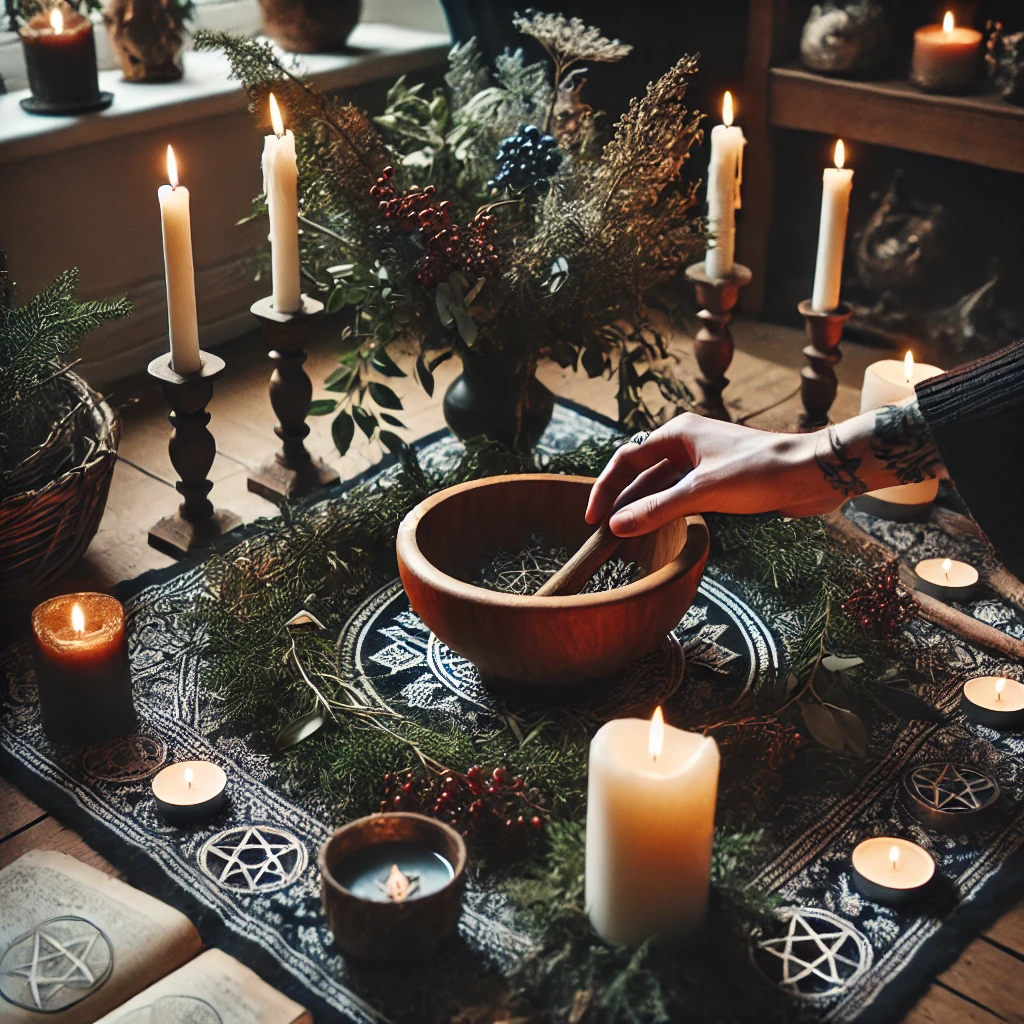
Ritual: Setting Up a Disir Altar

Setting Up a Disir Altar

Introduction

Honoring the Protective Spirits of Fate and Fertility

As Yule’s Eve unfolds, practitioners prepare to honor the Disir, the protective female spirits who guard over fate, fertility, and the well-being of families. These spirits, often seen as ancestral or divine guardians, are revered during the darkest nights of the year, when the veil between the worlds is thinnest. Setting up a Disir altar is a sacred act of love, protection, and ancestral reverence. This ritual invites the Disir to be present and offers gratitude for their ongoing guidance.

Ritual Basics

Before beginning any ritual, it is important to prepare yourself mentally and physically. You may want to take a cleansing bath, or shower, and meditate or perform some grounding exercises to center yourself. Gather any materials you will need, such as candles, incense, and offerings for the forest spirits.

You can read a more detailed Ritual Preparation guide here.

The Sacred Space of the Disir Altar

Honoring the Disir is a practice rooted in Norse tradition and often performed during Yule. The Disir are protective female spirits, sometimes seen as female ancestors or goddesses, who watch over families and their fate. During Yule, the darkest part of the year, we honor them by creating an altar and sharing a symbolic feast to invite their protection, guidance, and blessings into our lives.

Setting up a Disir altar during Yule invites these spirits to become present, nourishing the connection between the earthly and the spiritual realms. The act of creating this space is steeped in intention, with each element carefully selected to represent the themes of fertility, fate, and protection. The altar becomes a sacred focal point during this time, allowing practitioners to connect deeply with the energies of their ancestors and the protective forces surrounding them. This ritual can be performed on Yule’s Eve, during the twelve nights of Yule, or at any time of year when one seeks the wisdom and guidance of the Disir.

Disir Altar: Honoring the Protective Spirits

A Yule ritual to create a sacred altar honoring the Disir, inviting their protection and guidance for the coming year.

  • Candles (required)
  • Altar cloth (optional)
  • Offering bowl or plate (required)
  • 1 Handful Fresh herbs or flowers (optional – Associated with Yule or protection, such as evergreen, rosemary, or holly)
  • 1 Offering Food or drink (required – Choose items that resonate with you or your ancestors (bread, fruits, wine, etc.))
  • 1 Handful Tokens or similar items (optional – Representing protection, fate, or the Disir (family heirlooms, symbolic images, etc.))

Step 1: Preparing the Altar Space

  1. Select a quiet and sacred space where your Disir altar will reside. This could be a corner of your home or an outdoor area if the weather permits.
  2. Lay a cloth over the surface of your altar, choosing colors such as black, white, or deep blue to represent the veil between the worlds.
  3. Begin by placing your three candles on the altar. The flickering light represents the eternal guidance of the Disir. Arrange them in a triangle or circle to symbolize the balance between fate, fertility, and protection.

Step 2: Decorating the Altar

  1. Gather elements of the season to adorn the altar. Use evergreen branches, holly, or mistletoe to invoke the energy of Yule and the protection of the natural world.
  2. Place the offering bowl or plate at the center of the altar. This is where you will lay your food offerings, a symbol of abundance and gratitude for the Disir’s guidance.
  3. Add photographs, heirlooms, or symbolic images of your female ancestors or goddesses associated with protection and fertility. These images serve as a link between the earthly realm and the spiritual, inviting the Disir’s presence.

Step 3: Offering and Honoring the Disir

  1. Prepare a small feast or offering to lay at the altar. This can include bread, fruits, nuts, or a special dish that you associate with your ancestors or the spirits. You may also offer wine, mead, or another symbolic beverage.
  2. With your offering in hand, light the candles one by one, calling upon the Disir to join you. Speak words of invitation such as:
  3. “I call upon the Disir, the guardians of fate and fertility,

    Those who watch over my family and home,

    Come, I invite you to join this sacred space.

    With this offering, I honor you and seek your protection."

  4. Place your offering in the center of the altar, allowing the light of the candles to illuminate it. Sit quietly in the presence of the Disir, feeling their protective energy surround you.

Step 4: Reflecting and Listening

  1. Take a moment to sit quietly, reflecting on the guidance you seek or the blessings you wish to offer. This is a time to meditate on the cycles of fate, the protection of your loved ones, and the importance of ancestral wisdom.
  2. As you sit in stillness, listen for any messages or insights from the Disir. These could come as intuitive thoughts, sensations, or symbols in your mind’s eye. Allow yourself to receive these messages without judgment.

Step 5: Closing the Ritual

  1. When you feel ready, thank the Disir for their presence and blessings. Extinguish each candle, offering gratitude as you blow out the flame:
  2. “I thank you, Disir, for your guidance and protection.

    May your light continue to watch over me and mine.”

  3. Leave the offerings on the altar overnight or for as long as you feel appropriate. If you are outside, be mindful of animals that may eat or interact with the offerings, as this symbolizes the blessings being accepted by nature.

This ritual is a beautiful way to connect with the feminine energies of protection and fertility during Yule. It’s important to approach the creation of the Disir altar with reverence and intention, as this sacred space serves as a direct link to the spiritual forces that guide and protect. Feel free to personalize the altar with symbols and offerings that resonate with your own ancestral heritage or spiritual path.

Yule
Rituals

Conclusion

Creating a Disir altar during Yule is a powerful and intimate ritual that honors the protective female spirits who guide our fate and ensure the fertility of both our homes and the land. As you light candles, offer food, and sit in the quiet presence of the Disir, you invite their ancient wisdom into your life. This practice not only fosters a deep connection with your ancestors but also with the sacred cycles of protection and nourishment. By honoring the Disir, you cultivate a sacred bond that spans generations, grounding you in the ancient energies of Yule while looking forward to the blessings yet to come. Through this ritual, may you find the protection, guidance, and love of the Disir as you journey through the sacred days of winter.

Posted on Leave a comment

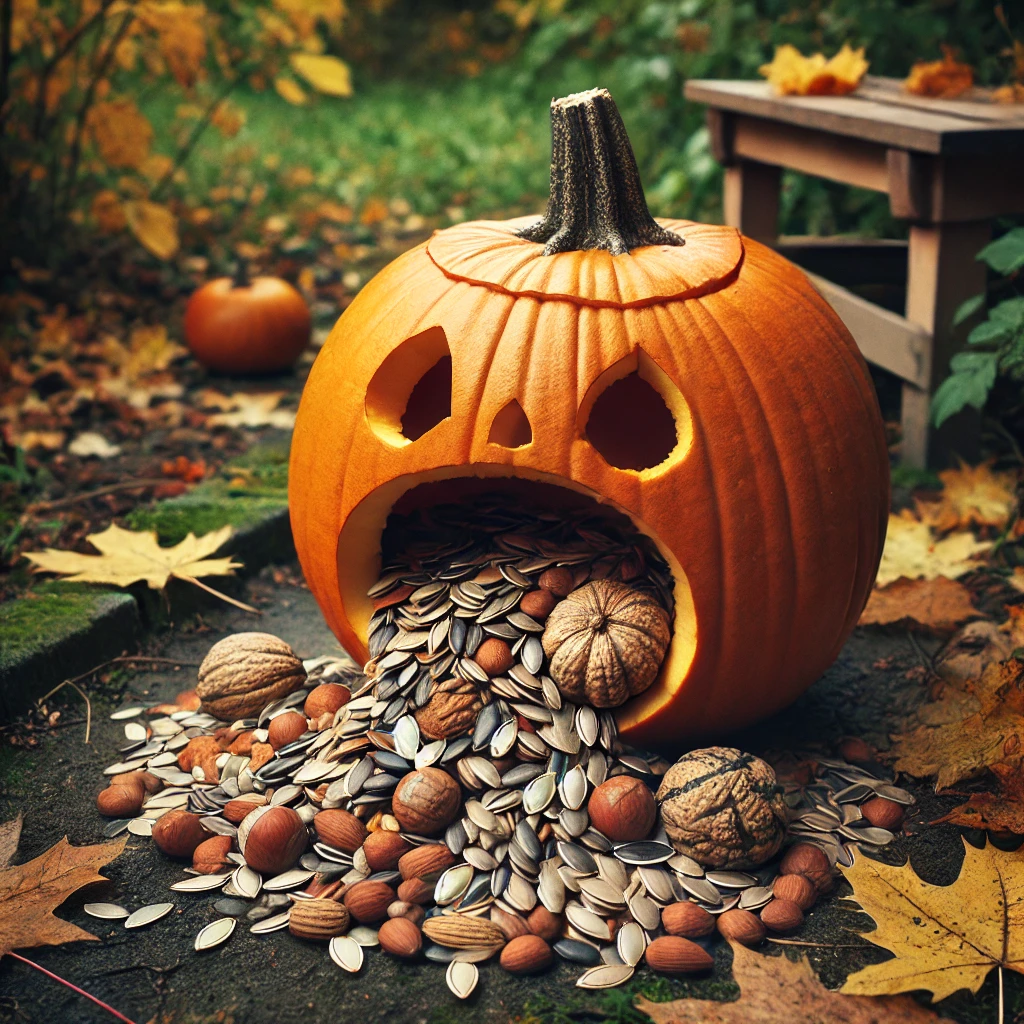
Ritual: Pumpkin Carving for Wild Animals

Pumpkin Carving for Wild Animals

Introduction

A Samhain Honoring Ritual of Offering and Gratitude

Samhain marks the end of the harvest season and the beginning of the darker half of the year. It is a time when the veil between the physical and spiritual worlds is said to be at its thinnest, offering a sacred moment to honor ancestors, spirits, and the natural world. As we celebrate this turning of the wheel, we can also express gratitude to the earth and its creatures through rituals of offering. One beautiful way to do this is by carving a pumpkin, not for decoration, but as an offering to the wildlife in your area. This Samhain honoring ritual helps us give back to the natural world by providing sustenance to wild animals during the colder months ahead.

Ritual Basics

Before beginning any ritual, it is important to prepare yourself mentally and physically. You may want to take a cleansing bath, or shower, and meditate or perform some grounding exercises to center yourself. Gather any materials you will need, such as candles, incense, and offerings for the forest spirits.

You can read a more detailed Ritual Preparation guide here.

About Pumpkin Carving for Wild Animals

The ritual of carving pumpkins during Samhain traditionally symbolizes protection and honoring the spirits. By carving a pumpkin to feed wild animals, we offer our gratitude to the earth’s creatures, acknowledging the interconnectedness of life. This ritual brings a mindful and sustainable approach to pumpkin carving, transforming it from simple seasonal décor to an act of kindness and reverence for nature. The pumpkin, a symbol of the harvest, becomes not only a gift to the wildlife around us but also a living altar of gratitude and respect.

Offering pumpkins as food is an ancient practice that can be seen as a reflection of the balance between giving and receiving. As we receive the earth’s bounty, we also give back, ensuring that other creatures benefit from the harvest. Carving a pumpkin for wild animals is best done during Samhain or the days leading up to it, as the pumpkins will be ready for the animals to enjoy before the freezing weather fully sets in. This ritual is perfect for solitary practitioners, families, or groups who wish to honor nature and provide a meaningful offering during this sacred time.

Ritual: Carving a Pumpkin for Wild Animals

A Samhain ritual of gratitude and offering, where a carved pumpkin becomes a nourishing gift for wildlife.

  • Carving knife
  • Large spoon
  • Outdoor-friendly bowl
  • Small candle or tealight
  • 1 Large Pumpkin (required The larger the better (to provide more food for wildlife)
  • 1 Handful Seeds or nuts (optional To add inside the pumpkin as extra treats for the animals)
  • 1 Bundle Natural decorations (optional Leaves, twigs, or other natural items to place around the pumpkin for aesthetic or ritualistic purposes)

Step 1: Choosing and Preparing the Pumpkin

  1. Begin by selecting a large, fresh pumpkin. This will act as both the main offering to the animals and the vessel for the ritual.
  2. Clean the pumpkin, if necessary, then gather your carving tools. Sit quietly for a moment, offering a silent intention of gratitude for the harvest and the abundance of nature. Acknowledge the pumpkin as a gift from the earth.
  3. Place the pumpkin in an outdoor space where it will remain undisturbed by humans but accessible to animals. A garden, clearing, or edge of a forest works well.

Step 2: Carving the Pumpkin

  1. Begin carving the pumpkin, creating simple, open designs like large holes or shapes that allow wildlife easy access to the pumpkin’s interior.
  2. As you carve, speak or think of your intentions: to give back to the earth, honor the wild creatures, and express gratitude for the cycle of life and death during Samhain.
  3. Gently scoop out the seeds and pulp, placing them aside in a bowl. If you like, you can scatter them around the area as an additional food offering for birds or small animals. Alternatively, reserve the seeds for composting or roasting for yourself, maintaining the cycle of balance and sustainability.

Step 3: Filling and Blessing the Pumpkin

  1. Once your pumpkin is carved, fill it with a small handful of nuts, seeds, or other foods that are safe for wild animals, if you wish. These may include sunflower seeds, unsalted peanuts, or dried fruit, depending on what local wildlife will enjoy.
  2. Place a small tealight or candle inside the pumpkin, lighting it as a symbol of warmth, protection, and connection to the spirits. Speak a blessing for the animals who will find nourishment from the offering, such as:
  3. "As the wheel turns, I offer this gift to the creatures of the earth,

    In gratitude for the abundance shared with all beings.

    May they find sustenance and shelter in this time of darkness,

    As we honor the balance of life and death,

    Blessed be the wild ones, and blessed be the harvest."

  4. After lighting the candle (optional), take a moment of quiet reflection, connecting to the energies of Samhain, the earth, and the wildlife around you. Feel the presence of the spirits, ancestors, and nature’s creatures as you honor their roles in the cycle of life.
  5. If you used a candle, blow it out and remove it before moving the pumpkin to a new space.

Step 4: Offering and Placement

  1. Once your blessing is complete, place the carved pumpkin in an area where animals can easily access it. Choose a spot that is protected from too much human activity, such as near the edge of a garden, by a wooded path, or at the base of a tree.
  2. Leave the pumpkin as an offering to nature. Over time, animals will come to eat the pumpkin’s flesh and seeds, returning your gift with their presence.
  3. If you are in an area with scavengers or nocturnal animals, check on the pumpkin the next day to see which creatures have enjoyed your offering.

Step 5: Closing the Ritual

  1. When you have finished the ritual, take a final moment to ground yourself and thank the earth for its gifts.
  2. Leave your offering behind, knowing that you have honored both the season and the creatures who share the land with you.

This ritual is a mindful way to celebrate Samhain while providing sustenance for wildlife. Consider choosing foods that are appropriate for the animals in your area. Avoid salted or processed foods, and ensure the pumpkin is placed in a safe, accessible area. If you live in an area with large wildlife (such as bears), use caution when placing offerings that may attract them.

Samhain
Rituals

Conclusion

Carving a pumpkin for wild animals as part of a Samhain honoring ritual allows you to connect deeply with nature and the spirit of the season. By giving back to the earth’s creatures, you acknowledge the cyclical nature of life, death, and rebirth. This simple yet profound act of kindness and reverence serves as both a magical offering and a practical gift to the wildlife that inhabits the natural world. As you offer nourishment to the animals, you become part of the sacred dance of Samhain, honoring the balance between the seen and unseen worlds. Through this ritual, may you cultivate gratitude, connection, and a deeper sense of harmony with the wild.

Posted on Leave a comment

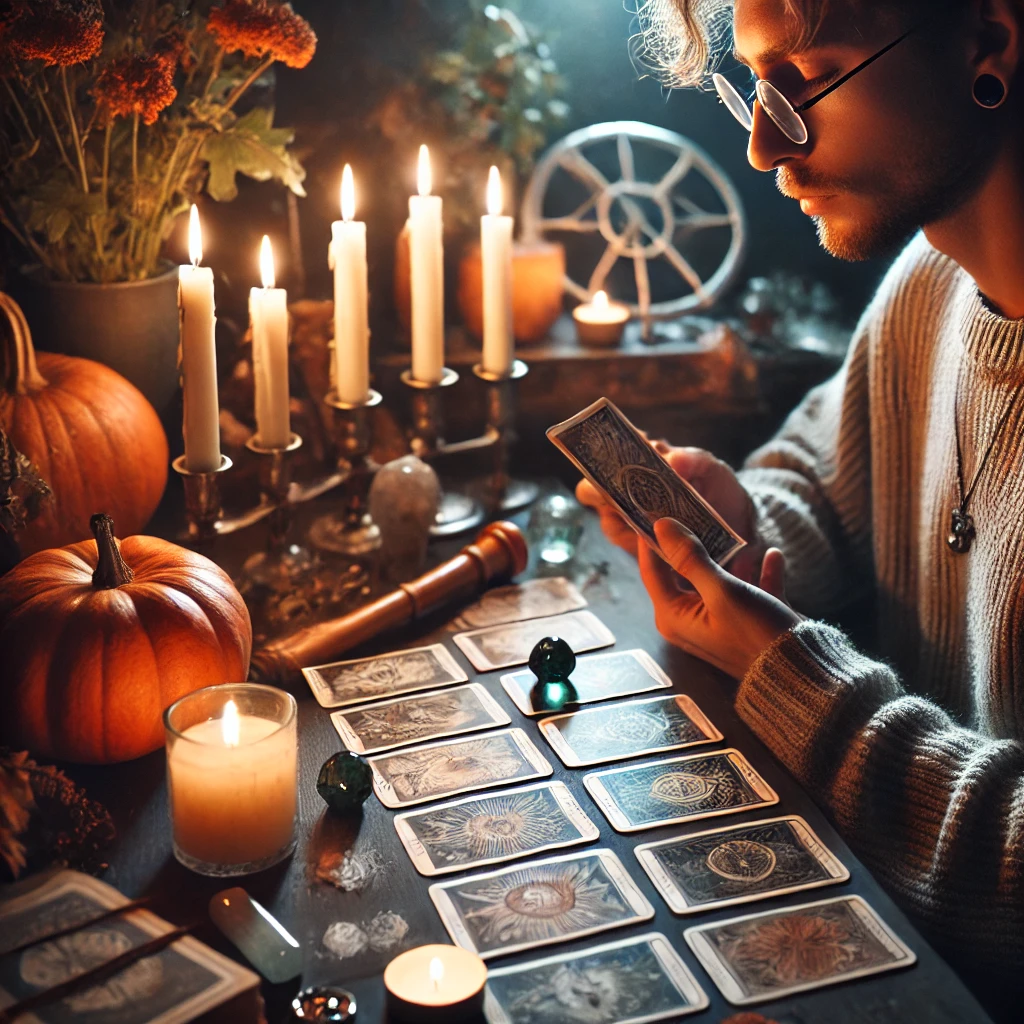
Ritual: Divination for Samhain

Ritual Samhain Divination

Introduction

Unveiling the Mysteries: Connecting with Ancestors and Spirits Through Divination

Samhain, the sacred time when the veil between the living and the spirit world is at its thinnest, is an ideal occasion for divination. This ancient practice allows us to gain insights, receive guidance, and connect with ancestors and spirits. Whether using tarot cards, runes, pendulums, or scrying, divination during Samhain offers a profound way to tap into the spiritual realm and uncover hidden truths. In this article, we will explore various methods of divination, their meanings, and how they can enhance your connection to the otherworldly during this mystical season.

Ritual Basics

Before beginning any ritual, it is important to prepare yourself mentally and physically. You may want to take a cleansing bath, or shower, and meditate or perform some grounding exercises to center yourself. Gather any materials you will need, such as candles, incense, and offerings for the forest spirits.

You can read a more detailed Ritual Preparation guide here.

Understanding Samhain Divination

Divination during Samhain carries special significance due to the thinning of the veil between the worlds of the living and the dead. Traditionally, this festival marks a time of reflection, honoring those who have passed, and seeking guidance for the future. Many believe that Samhain provides easier access to the spirit world, allowing for deeper communication with ancestors and more accurate readings. Whether you’re asking about the future, seeking wisdom from the past, or looking for answers in the present, divination tools such as tarot cards, runes, pendulums, and scrying mirrors can illuminate the path ahead. The choice of tool often depends on personal preference and which method resonates most with the practitioner.

Ritual: Divination for Samhain

During Samhain, use divination tools to seek guidance from ancestors, spirits, and the unseen realms. These tools provide insights into the mysteries of life, death, and the spirit world.

  • Table or surface (required)
  • Candle or incense (optional)
  • 1 Deck – Tarot or oracle cards (required)
  • 1 Set of runes (optional)
  • 1 Pendulum (optional)
  • 1 Scrying mirror or crystal ball (optional)
  • 1 Journal or notebook (optional – to record insights)

Preparing the Space:

  1. Start by selecting a quiet, sacred space where you won’t be disturbed. Light candles or incense to create a peaceful atmosphere. You may also wish to place meaningful objects, such as crystals, on your altar or workspace to enhance the spiritual energy. Take a few moments to center yourself and focus on your intention for the reading.

Cartomancy (Tarot or Oracle Cards):

  1. Tarot and oracle cards are among the most popular forms of divination, especially during Samhain. Shuffle your deck while focusing on your question or intention. When ready, lay out the cards in a spread that resonates with you, such as the Celtic Cross or Three Card Spread (past, present, and future).
  2. Example Layouts:
  3. o Celtic Cross Spread: Provides insight into current situations, challenges, and possible outcomes.
  4. o Three Card Spread: Offers a simple yet profound look at past influences, present circumstances, and future possibilities.
  5. As you interpret the cards, allow your intuition to guide you. Pay attention to recurring symbols, colors, or images that stand out, as these can hold deeper meaning during Samhain.

Rune Casting:

  1. For those attuned to Norse or Germanic traditions, rune casting can be an incredibly powerful divination tool during Samhain. Begin by holding the runes in your hands and focusing on a question or intention. Cast the runes or pull them individually and lay them out in a pattern such as the three-rune reading (past, present, future) or the nine-rune grid for more detailed insights.
  2. Runes offer guidance through their ancient symbols, each of which carries profound meanings related to life’s journey, cycles, and mysteries. Their messages can help you navigate transitions, obstacles, or upcoming changes in your life.

Pendulum Divination:

  1. Pendulums are excellent tools for receiving clear yes/no answers from the spirit realm. Hold the pendulum by the chain or string, and ask your questions aloud or silently. Allow the pendulum to swing naturally—forward and backward may indicate “yes,” while side-to-side could mean “no.”
  2. For more detailed insights, consider using a pendulum board or chart to ask more complex questions. Pendulums are believed to be particularly attuned to the energy of Samhain, when spirit communication is heightened.

Scrying:

  1. Scrying, or gazing into reflective surfaces, has been used for centuries to peer into the unknown. Popular scrying tools include crystal balls, black mirrors, or even a bowl of water. In a dimly lit space, focus your gaze softly on the surface, allowing your mind to relax. The purpose is not to see physical images but to let symbolic shapes, colors, or impressions emerge from your subconscious or the spirit realm.
  2. As the veil between worlds is thin during Samhain, scrying can be particularly effective for receiving messages from ancestors or glimpses into the future. Trust your intuition as you interpret what you see.

• Divination during Samhain is not just about predicting the future but about connecting with the wisdom of the past and receiving guidance for the present.
• Ensure that you take the time to journal or reflect on the messages and insights you receive. Keeping a record allows you to revisit these lessons and track how they unfold over time.
• Be open to receiving guidance in many forms, whether through cards, runes, a pendulum, or a scrying surface. Samhain’s energy enhances all methods of divination, making it a powerful time to seek spiritual insights.

Samhain
Rituals

Conclusion

Divination during Samhain offers an unparalleled opportunity to connect with the mysteries of life and death, the wisdom of ancestors, and the guidance of the spirit world. Whether using tarot cards, runes, pendulums, or scrying, this sacred practice provides profound insights into our lives and the paths we are walking. As the veil between worlds thins, remember that these tools serve as a bridge to wisdom beyond our realm. Approach each reading with reverence, an open heart, and gratitude for the messages received. May your divination rituals during Samhain bring clarity, guidance, and a deeper understanding of the cycles that shape our existence. Blessed be.

Posted on Leave a comment

Ritual: Psychopomp Ritual for Samhain

Samhain Psycho pomp
Samhain Psycho pomp

Introduction

Guiding Lost Souls: A Sacred Ritual for Samhain

Samhain, the festival when the veil between the living and the dead is at its thinnest, offers a powerful opportunity for spiritual work, particularly for assisting lost or wandering spirits in crossing over to the afterlife. The term “psychopomp” refers to a spiritual guide or escort whose role is to lead souls to their final resting place. Performing a psychopomp ritual during Samhain honors the ancient traditions of guiding spirits to the afterlife while connecting deeply with ancestral wisdom. This sacred practice has roots in numerous spiritual traditions and should always be approached with great respect, caution, and humility.

Ritual Basics

Before beginning any ritual, it is important to prepare yourself mentally and physically. You may want to take a cleansing bath, or shower, and meditate or perform some grounding exercises to center yourself. Gather any materials you will need, such as candles, incense, and offerings for the forest spirits.

You can read a more detailed Ritual Preparation guide here.

Understanding the Role of the Psychopomp

In various cultures, psychopomps were revered as spiritual guides tasked with leading souls through the transition from life to death. In Greek mythology, Hermes served as a psychopomp, leading souls to the underworld. The ancient Egyptians called upon Anubis, the god of death, to perform this sacred duty, while the Celts believed their Druids could serve as spiritual escorts. The role of the psychopomp is one of deep compassion and reverence, as it involves helping lost or restless spirits find peace and guiding them to their next phase of existence. Performing this ritual at Samhain aligns with the energies of the season, as it marks the end of the harvest and the symbolic death of the natural world before its rebirth.

Ritual: Psychopomp Ritual for Samhain

A sacred practice to assist lost or restless spirits in crossing over to the afterlife, performed during the thin veil of Samhain.

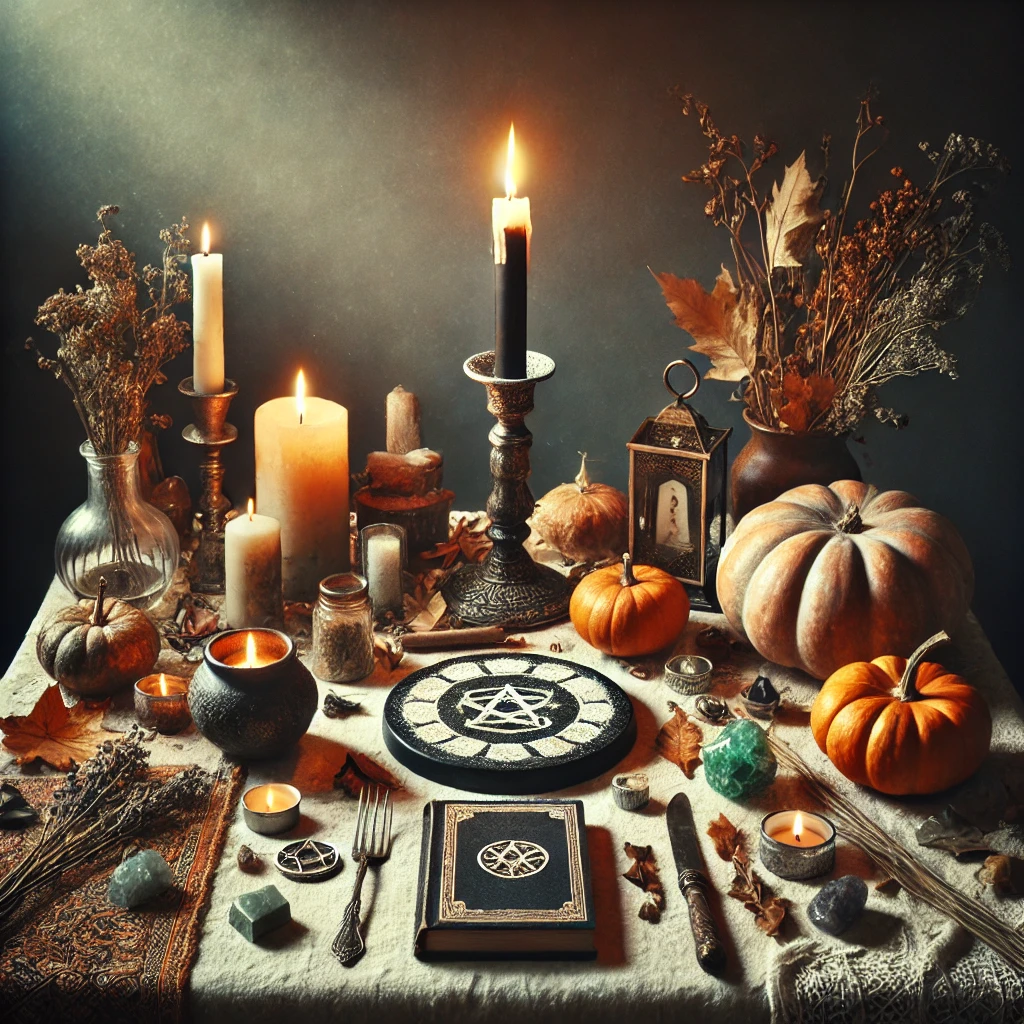
  • Altar or sacred surface (required)
  • Candle (white or black)
  • Rattle, drum, or bell (optional)
  • 1 Bundle Sage (mugwort, or incense (required) – For cleansing and setting sacred space)
  • 1 Offering Food (drink, or symbolic items (required) – For ancestral spirits or spirit guides)
  • 1 Crystal – Black tourmaline or clear quartz (optional – For protection and spiritual clarity)
  • 1 Photograph or personal object of the lost soul (optional – To connect with the spirit)

Preparing the Sacred Space

  1. To begin, clear and cleanse the space where the ritual will take place. This can be an altar indoors or a spot outdoors beneath the night sky. Use sage, mugwort, or incense to purify the area, walking in a sunwise direction to invite protective energies. Place meaningful items on your altar, such as crystals, photographs of the ancestors, or sacred symbols of your spiritual practice.

Altar Setup:

  1. Light a candle, preferably black or white, symbolizing the guiding light for the lost soul.
  2. Place offerings of food, drink, or symbolic items (such as bread, wine, or flowers) as an act of gratitude and honor to your guides and ancestors.
  3. If you have a photograph or object that belonged to the lost spirit, place it on the altar to help you connect with the energy of the soul.

Invocation and Calling the Guides

  1. Once the space is prepared, sit quietly and center yourself. Call upon your ancestors, spirit guides, or deities associated with death and transition, such as Hecate, Anubis, or the Morrigan. With humility and respect, ask for their assistance in guiding the lost soul toward peace and the afterlife.
  2. Invocation Example:

    "Ancestors, guides, and spirits of the beyond, I humbly call upon you. I seek your help in guiding this lost soul to its rightful place in the afterlife. May your wisdom light the way, and may this spirit find peace and rest."

  3. Feel their presence surround you and the space, offering protection and assistance as you begin the work of the psychopomp.

The Ritual of Guiding

  1. Pick up your drum, rattle, or bell and begin a gentle rhythm. The sound can help open the spiritual channels and signal your intent to the lost soul. If you prefer to chant or use guided words, speak softly to the spirit, encouraging it to trust the process and follow the light into the next phase of its journey.

  2. Example Chant:

    "Spirit, you are not alone. There is a light ahead that will guide you home. Follow it now, with love and grace, and find your rest in the sacred place."

  3. Feel the connection deepening with the spirit. Envision a bright light growing in the distance, and see the lost soul moving toward it. You may sense the spirit’s emotions or receive impressions of its story. Be compassionate and listen with an open heart.

Divination for Insight

  1. To assist in understanding the nature of the lost soul or to gain further clarity, use divination tools such as tarot cards, runes, or a pendulum. Draw a card or cast a rune to see what the spirit needs to communicate or to ensure that it is ready to cross over.

Releasing the Spirit

  1. When the time feels right, invite the spirit to leave. Speak words of release, offering the spirit comfort and assurance as it transitions to the afterlife.
  2. Example Words of Release:

    "Go now in peace, lost soul. The time of wandering is over. May the ancestors welcome you, and may you find rest and renewal in the arms of the afterlife."

  3. Blow out the candle, symbolizing the spirit’s successful crossing, and give thanks to your guides and ancestors for their help. Offer any remaining food or drink from the altar to nature as a final act of gratitude.

• Psychopomp rituals should be approached with reverence, humility, and respect for the spirits involved. If you are new to this practice, consider working with an experienced spiritual guide or medium to assist you.
• It’s important to protect yourself and the space during the ritual. Create a circle of protection using salt, crystals, or other protective elements, and set clear intentions to avoid any interference from negative entities.
• After the ritual, take time to ground yourself by eating a small meal, drinking water, or spending time outdoors. This will help you reintegrate after the spiritual work.

Samhain
Rituals

Conclusion

Performing a psychopomp ritual during Samhain is a sacred and transformative act of compassion. By assisting lost or wandering souls in their journey to the afterlife, you honor the cycles of life and death, bridging the gap between the seen and unseen worlds. Whether calling upon your ancestors or spiritual guides, this ritual invites you to serve as a channel for peace, guidance, and healing. As you conclude the ritual, give thanks to the spirits who assisted you, and take comfort in knowing that your efforts have helped a soul find its rest. May your work as a psychopomp during Samhain be blessed with wisdom, protection, and reverence.