Posted on Leave a comment

Recipe: Milk-Poached Cod with Fresh Herbs

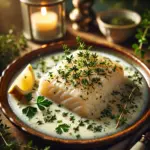
Milk-Poached Cod with Fresh Herbs

Introduction

A Delicate Celebration of Earth’s Gifts for the Feast of Milk

The Feast of Milk is a time to honor the seamless blend of earth’s gifts, reflecting on the fertility, sustenance, and renewal that define Imbolc. Milk-Poached Cod with Fresh Herbs is a gentle yet deeply nourishing course that symbolizes the harmonious relationship between land and sea. Poaching the fish in milk highlights the nurturing qualities of dairy while allowing the delicate flavors of the cod to shine.

This dish serves as a reminder of the interconnectedness of all life and the abundance that nature provides, making it a perfect addition to this sacred sabbat feast.

Explore the full 12-Course Feast

The Magic of Milk-Poached Cod with Fresh Herbs

The act of poaching fish in milk is steeped in symbolism, marrying the ocean’s bounty with the fertility of the land. The cod, a gift from the sea, represents sustenance and prosperity, while the milk infuses the dish with nurturing energy. Fresh herbs, drawn from the earth, add a layer of renewal and vitality, creating a harmonious union of elements.

This dish honors Imbolc’s themes of sustenance and fertility while inviting the blessings of balance and abundance. Serving this course during the Feast of Milk encourages reflection on the gifts of nature and deepens our connection to Brigid’s blessings.

Spell for Balance and Abundance

Intent: To invite balance, nourishment, and abundance into your life.

  1. Before preparing the dish, light a white candle to represent purity and a blue candle to honor the ocean’s blessings.
  2. As you poach the cod, stir the milk clockwise and recite:

“Land and sea, a sacred blend,
Your gifts of life on us depend.
Brigid’s blessings, rich and pure,
Balance, abundance, and love endure.”

  1. Serve the dish with gratitude, allowing its magic to nourish your spirit.

Magical Properties of Milk-Poached Cod with Fresh Herbs

  • Cod: Represents sustenance, prosperity, and the blessings of the sea.
  • Milk: Embodies nurturing energy, fertility, and renewal.
  • Butter: Symbolizes warmth, grounding, and hearth energy.
  • Garlic: Provides protection and purification, clearing away negativity.
  • Thyme: Represents courage and strength, fostering renewal and resilience.
  • Parsley: Invites growth, abundance, and vitality.

Milk-Poached Cod with Fresh Herbs

A delicate dish of cod poached in milk, enhanced with fresh herbs, embodying the nourishing themes of Imbolc.

  • Large skillet
  • Whisk
  • Slotted spoon
  • 4 cod fillets (skinless, about 6 ounces each)
  • 2 cups whole milk
  • 2 tbsp unsalted butter
  • 2 cloves garlic (minced)
  • 2 sprigs fresh thyme
  • 2 tbsp fresh parsley (chopped, plus extra for garnish)
  • 1 tsp salt (adjust to taste)
  • ½ tsp black pepper
  • Lemon wedges (optional, for serving)

Step 1: Prepare the Poaching Liquid

  1. In a large skillet over medium heat, melt the butter.
  2. Add the minced garlic and sauté until fragrant, about 1 minute.
  3. Pour in the milk, stirring gently, and add the thyme sprigs. Season with salt and pepper.

Step 2: Poach the Cod

  1. Bring the milk mixture to a gentle simmer, ensuring it does not boil.
  2. Add the cod fillets to the skillet, ensuring they are submerged in the milk.
  3. Cover and poach for 8-10 minutes, or until the cod is opaque and flakes easily with a fork.

Step 3: Finish with Herbs

  1. Carefully remove the cod fillets using a slotted spoon and transfer them to serving plates.
  2. Stir the chopped parsley into the poaching liquid and ladle the sauce over the cod.

Step 4: Serve

  1. Garnish with additional parsley and serve warm with lemon wedges, if desired.
  • Pair this dish with roasted root vegetables or a light salad to complement its delicate flavors.
  • For a dairy-free version, substitute the milk with coconut milk for a unique twist.
Seafood
Imbolc
Feast, Recipe

Conclusion

The Milk-Poached Cod with Fresh Herbs is a gentle yet powerful representation of Imbolc’s themes of fertility, sustenance, and renewal. Its delicate flavors and harmonious blend of land and sea honor Njordr and Nerthus, reminding us of the interconnectedness of life. Share this dish with loved ones during the Feast of Milk, and may its magic bring balance, nourishment, and abundance to your celebration.

Posted on Leave a comment

Recipe: Yogurt and Cucumber Salad

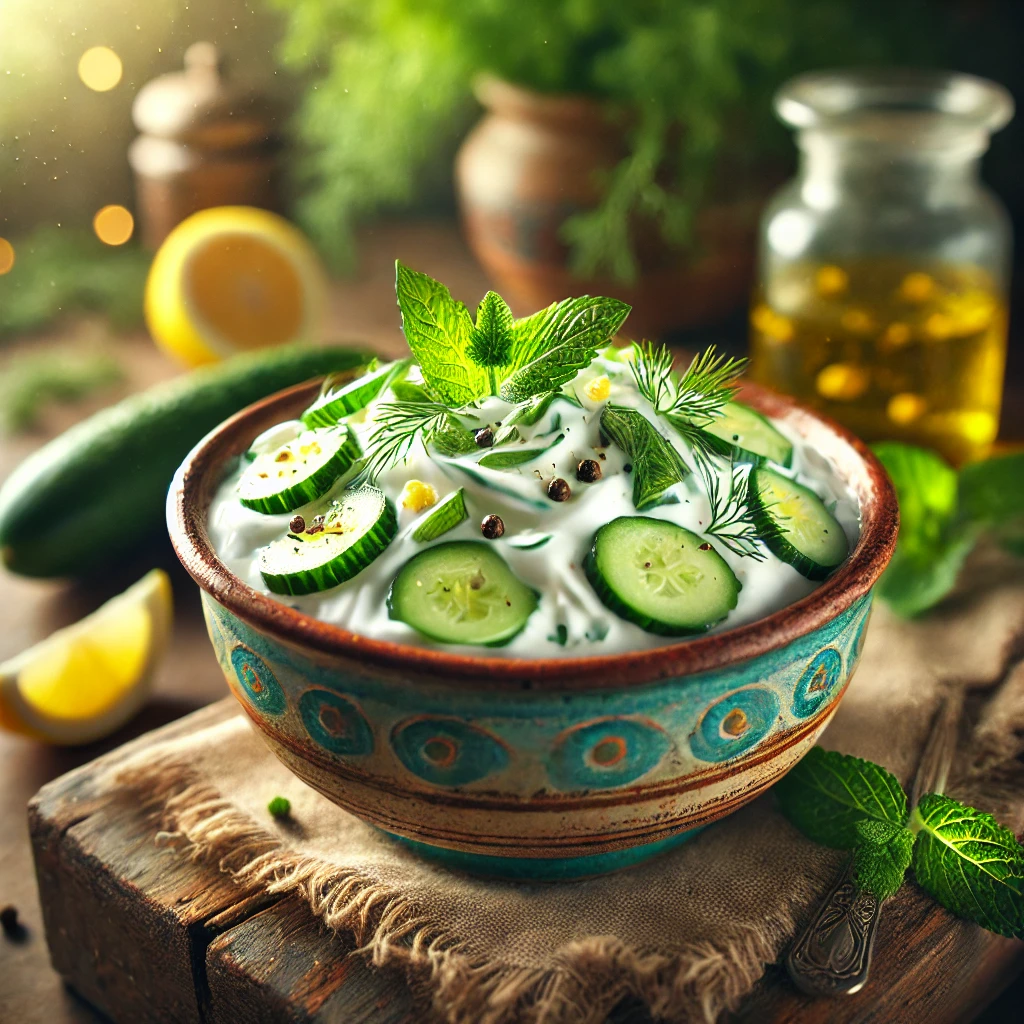
Yogurt and Cucumber Salad

Introduction

A Refreshing Salad Course for the Feast of Milk

At the heart of the Feast of Milk, a celebration of fertility, sustenance, and renewal, lies the healing and nourishing power of dairy. A Yogurt and Cucumber Salad provides a light, refreshing course that cleanses the palate while connecting to the life-giving qualities of Imbolc. This creamy and cooling salad, with its tangy yogurt base, crisp cucumbers, and vibrant herbs, represents renewal, balance, and health—a perfect addition to this sacred feast.

Explore the full 12-Course Feast

The Magic of Yogurt and Cucumber Salad

Dairy is central to the symbolism of Imbolc, reflecting fertility, nurturing energy, and the promise of abundance. This yogurt-based salad embodies the healthful and restorative aspects of dairy, offering a moment of rejuvenation amid the multi-course Feast of Milk.

The cucumber, with its crisp texture and hydrating properties, symbolizes clarity and healing, while fresh herbs represent growth and renewal. Together, these ingredients create a dish that bridges the physical and spiritual realms, aligning the body and mind with the energies of Imbolc.

By serving this salad, you honor Brigid’s blessings of health and abundance, while inviting the transformative power of the season into your life.

Spell for Healing and Renewal

Intent: To invite clarity, healing, and renewal into your life during the Feast of Milk.

  1. Before preparing the salad, hold your hands over the ingredients and visualize a bright, cleansing light enveloping them.
  2. As you mix the salad, recite the following spell:

“By Brigid’s grace, may health take flight,
Restoring balance, day and night.
Through each cool bite, renewal flows,
As winter fades and springtime grows.”

  1. Serve the salad with gratitude, allowing its energy to nourish and heal.

Magical Properties of Yogurt and Cucumber Salad

  • Yogurt: Symbolizes fertility, nurturing energy, and health.
  • Cucumber: Represents healing, clarity, and emotional balance.
  • Mint: Invokes purification, renewal, and spiritual clarity.
  • Dill: Signifies protection, abundance, and growth.
  • Garlic: Offers protection and purification, clearing away stagnant energy.
  • Lemon Juice: Represents cleansing, vitality, and renewal.

Yogurt and Cucumber Salad

A creamy, tangy salad with crisp cucumbers, fresh herbs, and a yogurt base to refresh and rejuvenate during Imbolc.

  • Large mixing bowl
  • Whisk
  • Sharp knife
  • 2 cups plain yogurt (Greek or regular)
  • 2 medium cucumbers (thinly sliced)
  • 1 clove garlic (minced)
  • 2 tbsp fresh mint leaves (chopped)
  • 1 tbsp fresh dill (chopped)
  • 1 tbsp lemon juice (freshly squeezed)
  • ½ tsp salt (adjust to taste)
  • ¼ tsp black pepper
  • 1 tbsp olive oil (optional, for drizzling)

Step 1: Prepare the Dressing

  1. In a large mixing bowl, whisk together the yogurt, garlic, lemon juice, salt, and black pepper until smooth.

Step 2: Add the Cucumber and Herbs

  1. Fold in the sliced cucumbers, mint, and dill, ensuring the cucumbers are evenly coated in the yogurt mixture.

Step 3: Chill and Serve

  1. Cover the bowl and refrigerate the salad for at least 10 minutes to allow the flavors to meld.
  2. Before serving, drizzle with olive oil if desired and garnish with additional mint or dill.
  • For a twist, add a handful of pomegranate seeds for a pop of color and sweetness, symbolizing abundance and vitality.
  • Serve this salad alongside warm bread or as a refreshing contrast to heavier courses.
Salad
Imbolc
Feast, Recipe

Conclusion

The Yogurt and Cucumber Salad brings a refreshing pause to the Feast of Milk, celebrating the nurturing and healing qualities of dairy while cleansing the palate. With each creamy, herb-infused bite, this dish connects us to Brigid’s blessings of health, renewal, and abundance, grounding us in the themes of Imbolc. Share this salad with gratitude, and may its magic bring balance and clarity to your celebration.

Posted on Leave a comment

Recipe: Savory Cheese and Herb Tart

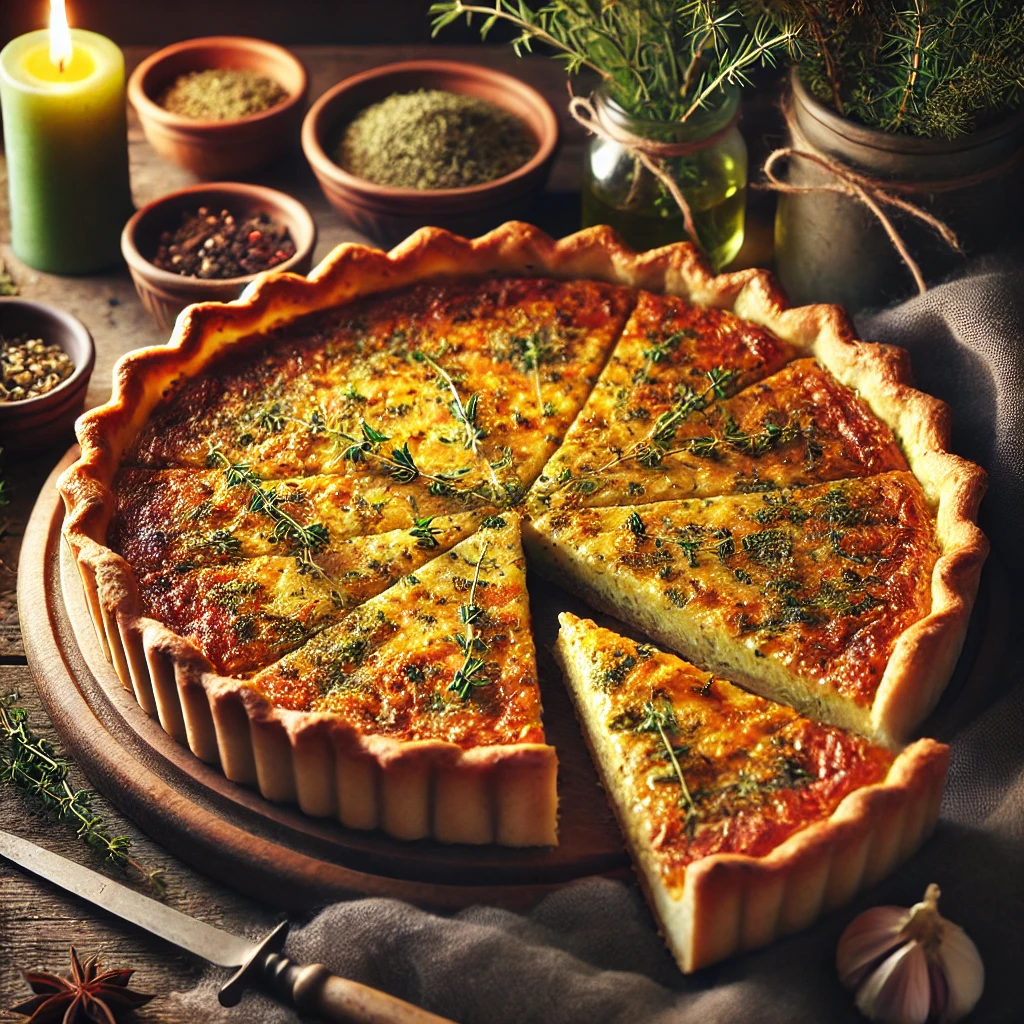
Savory Cheese and Herb Tart

Introduction

A Dairy-Rich Appetizer for the Feast of Milk

The Feast of Milk is a sacred celebration of fertility, renewal, and sustenance, honoring the nurturing energies of Brigid and the promise of spring’s arrival. A Savory Cheese and Herb Tart is the perfect way to dive into this multi-course feast, showcasing the richness of dairy and the grounding qualities of the earth’s gifts. With its buttery crust, creamy cheese filling, and aromatic herbs, this tart embodies the themes of abundance and connection that define Imbolc.

Explore the full 12-Course Feast

The Magic of Savory Cheese and Herb Tart

Dairy holds profound symbolism in the Feast of Milk, representing nourishment, life, and the fertility of both the land and spirit. The tart’s harmonious blend of cheeses reflects the richness of community and the sustaining power of shared resources. The herbs, meanwhile, tie us to the cycles of nature, invoking growth, healing, and renewal.

Preparing and sharing this dish becomes a ritual in itself, grounding participants and aligning them with Imbolc’s themes. The act of crafting the tart, from mixing the dough to infusing the filling with herbs, honors Brigid’s sacred hearth and the renewal of life.

Spell for Grounding and Abundance

Intent: To ground yourself and invite abundance into your life during the Feast of Milk.

  1. Light a green candle, symbolizing fertility and renewal, and place it at the center of your table.
  2. Before baking the tart, hold your hands over it and recite:

“From the hearth, this gift I share,
Sustenance rich, beyond compare.
By Brigid’s light and nature’s hand,
Abundance flows through hearth and land.”

  1. Bake and serve the tart with gratitude, allowing its nourishing energy to ground and sustain you.

Magical Properties of Savory Cheese and Herb Tart

Flour: Represents stability and the bounty of the earth.

Cheese (Cheddar and Gruyère): Represents abundance, nourishment, and unity.

Butter: Symbolizes grounding and warmth, tying the dish to the hearth.

Eggs: Embody fertility, new beginnings, and transformation.

Herbs (Thyme, Chives, Parsley): Reflect growth, healing, and renewal.

Savory Cheese and Herb Tart

A buttery tart crust filled with rich cheeses and fragrant herbs, celebrating the grounding and nourishing essence of dairy.

  • Mixing bowl
  • Tart pan
  • Whisk
  • Cooling rack (optional)

For the Crust:

  • 1 ½ cups all-purpose flour
  • ½ cup unsalted butter (cold, cubed)
  • ¼ tsp salt
  • 3 tbsp cold water

For the Filling:

  • 3 large eggs
  • ¾ cup whole milk
  • ½ cup heavy cream
  • 1 cup shredded cheddar cheese
  • ½ cup shredded Gruyère cheese
  • 1 tbsp fresh thyme leaves
  • 1 tbsp chopped fresh chives
  • 1 tbsp chopped fresh parsley
  • ½ tsp salt
  • ¼ tsp black pepper

Step 1: Prepare the Crust

  1. Preheat your oven to 375°F (190°C).
  2. In a mixing bowl, combine flour and salt. Cut in the butter until the mixture resembles coarse crumbs.
  3. Gradually add cold water, 1 tablespoon at a time, mixing until the dough comes together.
  4. Roll out the dough on a floured surface and press it into a tart pan. Trim any excess dough.

Step 2: Pre-Bake the Crust

  1. Use a fork to prick the bottom of the crust to prevent bubbling.
  2. Place a sheet of parchment paper over the crust and fill it with pie weights or dried beans.
  3. Bake for 10 minutes, then remove the weights and bake for another 5 minutes.

Step 3: Prepare the Filling

  1. In a bowl, whisk together eggs, milk, cream, salt, and pepper.
  2. Stir in shredded cheddar, Gruyère, and herbs until evenly combined.

Step 4: Assemble and Bake

  1. Pour the filling into the pre-baked crust, spreading it evenly.
  2. Bake for 25-30 minutes, or until the filling is set and slightly golden on top.

Step 5: Serve

  1. Allow the tart to cool for 10 minutes before slicing.
  2. Garnish with additional herbs if desired, and serve warm.
  • For a gluten-free option, substitute the crust with almond flour or a gluten-free pastry mix.
  • Pair this tart with a light salad or fresh fruit to complement its richness.
Appetizer
Imbolc
Feast, Recipe

Conclusion

The Savory Cheese and Herb Tart is a perfect reflection of the themes of Imbolc: fertility, sustenance, and renewal. Its rich, dairy-filled flavors and aromatic herbs ground and sustain the spirit, honoring Brigid’s nurturing blessings. Share this tart with loved ones as a symbol of abundance and connection, and may its magic bring renewal and warmth to your Feast of Milk.

Posted on Leave a comment

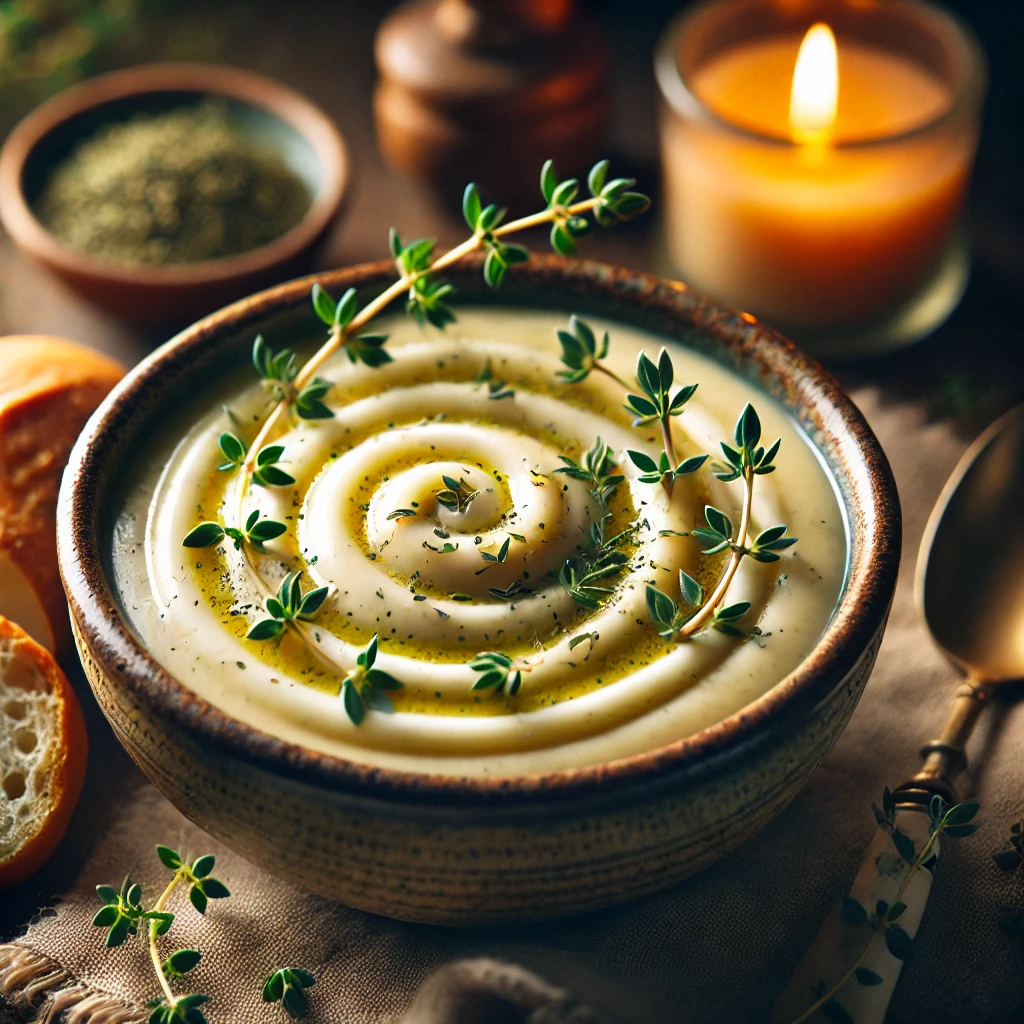
Recipe: Creamy Potato-Leek Soup

Creamy Potato-Leek Soup

Introduction

A Warm, Comforting Course for the Feast of Milk

As the Feast of Milk unfolds, Creamy Potato-Leek Soup serves as a nurturing and symbolic course that embraces the essence of Imbolc. This velvety soup, made with hearty potatoes and sweet leeks, embodies the nurturing qualities of the season and honors Brigid’s connection to hearth and home. Its warmth offers comfort against the lingering chill of winter, while its simple ingredients reflect sustenance, renewal, and fertility—themes central to this sacred sabbat.

Explore the full 12-Course Feast

The Magic of Creamy Potato-Leek Soup

The Feast of Milk is a celebration of life’s nurturing forces, from the fertility of the earth to the warmth of the hearth. Potato-Leek Soup is a perfect representation of these themes, with its ingredients symbolizing the cycles of growth and sustenance.

Potatoes, grown beneath the earth, connect us to grounding energies and the promise of renewal, while leeks, reaching upward, symbolize growth and vitality. The creamy texture of the soup mirrors the nurturing properties of milk, an essential symbol of Imbolc, tied to Brigid’s care and the promise of abundance. Sharing this dish fosters community and gratitude, honoring the life-giving forces that sustain us.

Spell for Comfort and Renewal

Intent: To invite comfort, renewal, and gratitude into your home and life during the Feast of Milk.

  1. Light a white candle at your hearth or table, symbolizing purity and the light returning with spring.
  2. Stir the soup clockwise as it cooks, visualizing warmth and renewal flowing into the dish.
  3. Recite the following spell:

“By Brigid’s fire, this hearth is warm,
A nurturing feast, through winter’s storm.
With every bite, may comfort grow,
Renewal springs from roots below.”

Serve the soup with gratitude, letting its warmth embrace all who partake.

Magical Properties of Creamy Potato-Leek Soup

Thyme: Represents strength and resilience, fostering healing and courage.

Potatoes: Represent grounding, sustenance, and the cycles of life.

Leeks: Symbolize renewal, vitality, and spiritual growth.

Milk: Embodies fertility, nurturing energy, and abundance.

Butter: Provides grounding, warmth, and the essence of the hearth.

Garlic: Offers protection and purification, clearing away stagnant energies.

Creamy Potato-Leek Soup

A comforting, velvety soup made with potatoes, leeks, and milk to honor Imbolc’s themes of sustenance and renewal.

  • Large pot
  • Immersion blender or countertop blender
  • Ladle
  • 3 tbsp unsalted butter
  • 2 large leeks (white and light green parts only, cleaned and sliced)
  • 3 garlic cloves (minced)
  • 4 cups peeled and diced potatoes
  • 4 cups vegetable or chicken broth
  • 1 cup whole milk or cream
  • 1 tsp salt (adjust to taste)
  • ½ tsp black pepper
  • 1 tsp fresh thyme leaves (plus more for garnish)

Step 1: Sauté the Aromatics

  1. In a large pot, melt the butter over medium heat.
  2. Add the sliced leeks and cook, stirring frequently, for 5 minutes, until softened.
  3. Stir in the minced garlic and cook for an additional minute, releasing its aroma.

Step 2: Simmer the Soup

  1. Add the diced potatoes and broth to the pot, stirring to combine.
  2. Bring the mixture to a gentle boil, then reduce the heat to low.
  3. Cover and simmer for 20 minutes, or until the potatoes are tender.

Step 3: Blend and Finish

  1. Use an immersion blender to puree the soup until smooth, or transfer it in batches to a countertop blender.
  2. Return the soup to low heat and stir in the milk or cream.
  3. Season with salt, pepper, and fresh thyme. Heat gently until warmed through.

Step 4: Serve

  1. Ladle the soup into bowls and garnish with additional thyme leaves.
  2. Serve warm and enjoy its comforting embrace.
  • For a dairy-free version, substitute milk with unsweetened almond milk or coconut cream.
  • Serve with a crusty bread for dipping to enhance the nurturing aspect of the dish.
Soup
Imbolc
Feast, Recipe

Conclusion

Creamy Potato-Leek Soup is a soul-warming celebration of Imbolc’s themes of fertility, renewal, and abundance. Its simple, nourishing ingredients honor Brigid’s blessings and the life-giving energy of the season. May this comforting soup ground your spirit and bring warmth to your Feast of Milk.

Posted on Leave a comment

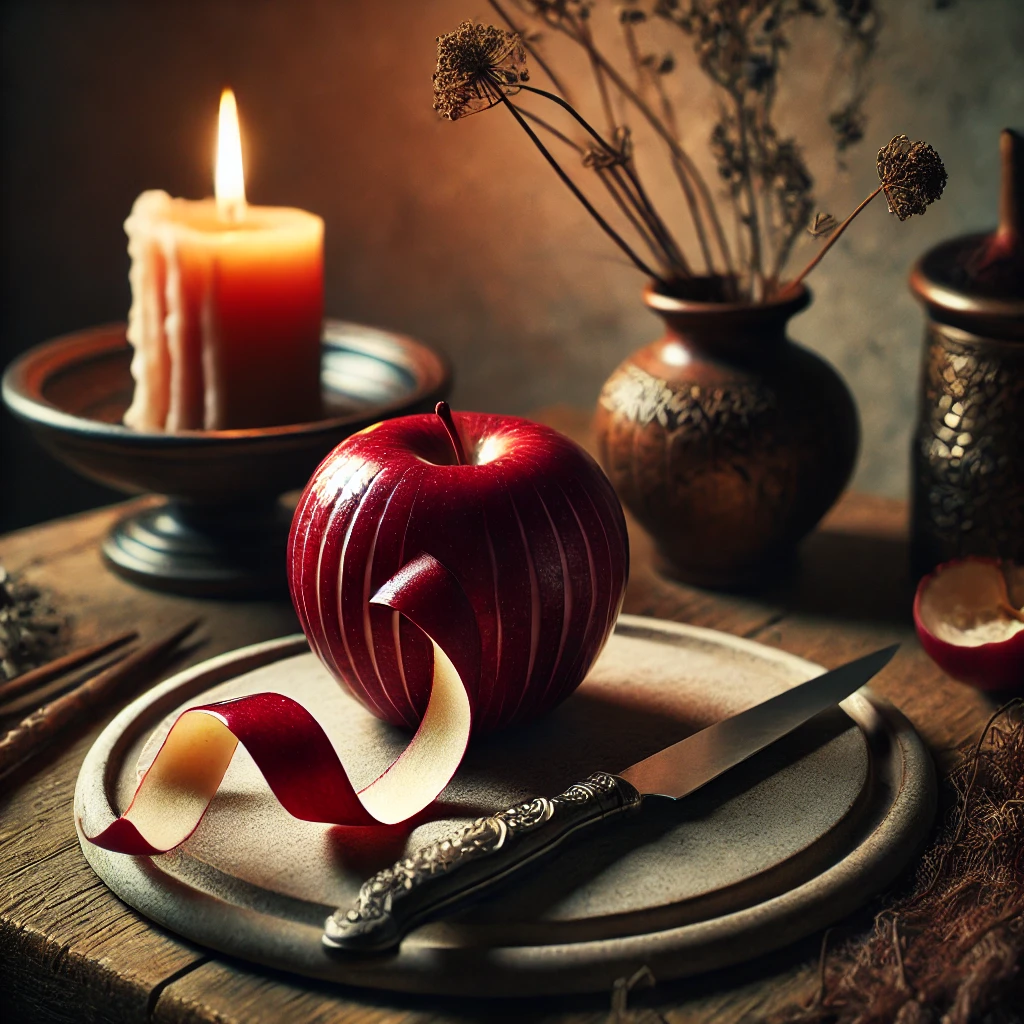
Apple Peel Divination

Apple Peel Divination

Introduction

Seeking Future Insights Through Ancient Apple Magic

Apple peel divination, a charming practice rooted in folk tradition, transforms a simple fruit into a tool for prophecy. In this ritual, peeling an apple becomes an act of curiosity and hope, inviting the magic of the natural world to reveal a glimpse of the future. As the peel lands, its shape is said to hint at the initials of a future spouse or significant figure in one’s life. Performed during Imbolc or other auspicious times, this playful divination invites mystery and connection to ancestral wisdom.

Ritual Basics

Before beginning any ritual, it is important to prepare yourself mentally and physically. You may want to take a cleansing bath, or shower, and meditate or perform some grounding exercises to center yourself. Gather any materials you will need, such as candles, incense, and offerings for the forest spirits.

You can read a more detailed Ritual Preparation guide here.

About Apple Peel Divination

The apple, a symbol of love, wisdom, and prosperity, holds a prominent place in folklore and mythology. In this ritual, the act of peeling an apple is not just a mundane task but a magical exercise, turning the fruit into a vessel for insight. The continuous strip of peel represents the unbroken flow of fate, and its fall to the ground becomes a canvas for interpretation. Traditionally performed during festive gatherings, this divination method offers lighthearted fun while connecting participants to age-old customs and the enigmatic energies of the season.

Apple peel divination aligns beautifully with the themes of Imbolc, a time of reflection and renewal. The practice evokes the turning of seasons, the promise of new beginnings, and the gentle guidance of unseen forces. Whether performed alone or with friends, it brings a sense of wonder and playfulness to the winter festivities.

Apple Peel Divination

Unveil the initials of a future spouse or significant figure by interpreting the shape of an apple peel.

  • Paring knife
  • Plate or clean surface
  • 1 Apple (Choose a firm apple for easier peeling.)

Step 1: Preparing the Ritual Space

  1. Choose a quiet, well-lit space where you can focus on the ritual.
  2. Place the apple and paring knife on a clean surface. If desired, light a candle to create a sacred ambiance and invite reflective energy.

Step 2: Setting the Intention

  1. Hold the apple in your hands and close your eyes. Take a deep breath and focus on your intention: What guidance are you seeking?
  2. Silently or aloud, ask the apple to reveal the initials of your future spouse or a significant figure.

Step 3: Peeling the Apple

  1. Begin peeling the apple with the paring knife, aiming to create one continuous strip. Move slowly and deliberately, visualizing the peel as a thread of fate.
  2. If the peel breaks, pause and reflect—this may signify unexpected twists or challenges in the journey ahead. Continue peeling as best you can.

Step 4: Casting the Peel

  1. Once the apple is fully peeled, hold the strip in your dominant hand.
  2. Stand up and face an open space. With intention, toss the peel over your shoulder onto the ground.

Step 5: Interpreting the Shape

  1. Turn around and observe the peel’s shape on the ground.
  2. Look for any resemblance to letters or symbols. Use intuition to interpret what the shape reveals:

    o Letter-like forms: Initials of a future spouse or significant figure.

    o Symbols: Messages or qualities tied to love, relationships, or life direction.

  3. Reflect on your findings, jotting down any insights in a notebook if desired.
  • Apple Choice: Red apples are traditionally associated with love and passion, while green apples symbolize renewal and growth.
  • Peel Length: A long, unbroken peel signifies a prosperous and harmonious future, while a shorter peel may suggest the need for patience or resilience.
  • Group Practice: When performed in a group, this ritual becomes a delightful way to share laughter and compare interpretations.
Folk Divination, Imbolc, Samhain, Yule
Rituals

Conclusion

Apple peel divination blends simplicity with enchantment, transforming an everyday act into a window to the future. By engaging in this ritual, you connect with the natural world’s wisdom and honor the timeless traditions of divination. As the apple peel lands and its shape unfolds, may its message guide you with clarity and joy, enriching your journey with the magic of curiosity and the promise of possibility.

Posted on Leave a comment

Brigid

Brigid
Brigid

Introduction

Goddess of Healing, Poetry, and the Forge

Brigid, also known as Brighid or Brigit, is a goddess of profound significance in Irish mythology, revered as a deity of healing, poetry, smithing, fertility, and the hearth. Her name, meaning “exalted one,” reflects her elevated status among the gods of pre-Christian Ireland. Brigid embodies a triple goddess, representing the interconnected realms of creativity, protection, and transformation.

Brigid’s influence transcends the boundaries of time and religion. With the spread of Christianity in Ireland, she was syncretized into Saint Brigid, a revered figure in Christian tradition. Her dual legacy as a goddess and saint speaks to her enduring relevance and the adaptability of her worship.

This article delves into the mythology, symbols, and modern practices associated with Brigid, highlighting her role as a guardian of light, transformation, and new beginnings.

Who is Brigid?

Brigid is one of the most revered deities in Irish mythology, celebrated as a triple goddess who embodies healing, poetry, and smithing. Her multifaceted nature makes her a powerful symbol of creativity, transformation, and nurturing energy. As a goddess of fire and inspiration, Brigid governs the creative spark, the warmth of the hearth, and the transformative power of the forge, connecting her to both the domestic and mystical realms.

Brigid’s influence extends to fertility, agriculture, and the cycles of life, reflecting her essential role in Imbolc, the ancient festival marking the arrival of spring. As a bringer of light and renewal, she inspires the growth and transformation that follow winter’s stillness. Her energy embodies the balance between creation and sustenance, making her a guardian of life’s perpetual cycles.

Her deep connection to the hearth and home underscores her protective and nurturing qualities, while her link to fire and the sun symbolizes illumination, purification, and renewal. Through these associations, Brigid serves as a guiding force in both personal and communal transformation.

Epithets and Titles

Brigid’s epithets and titles reflect her divine authority and her varied domains of influence. Each highlights a different facet of her power and significance:

  • The Exalted One:
    This title speaks to her elevated status among the Irish gods, emphasizing her role as a deity of immense power and reverence.
  • Goddess of the Hearth:
    Honoring her role as a protector of homes and families, this title reflects her importance in domestic life, where the hearth serves as a sacred space of warmth, nourishment, and connection.
  • Lady of the Forge:
    Celebrating her dominion over smithing and transformation, this title underscores her role in creation and resilience, where the forge symbolizes both physical and spiritual renewal.
  • Muse of Poets:
    Highlighting her role as an inspiration in creativity and the arts, this title connects her to the power of words, expression, and the divine spark that fuels artistic endeavors.

Iconography

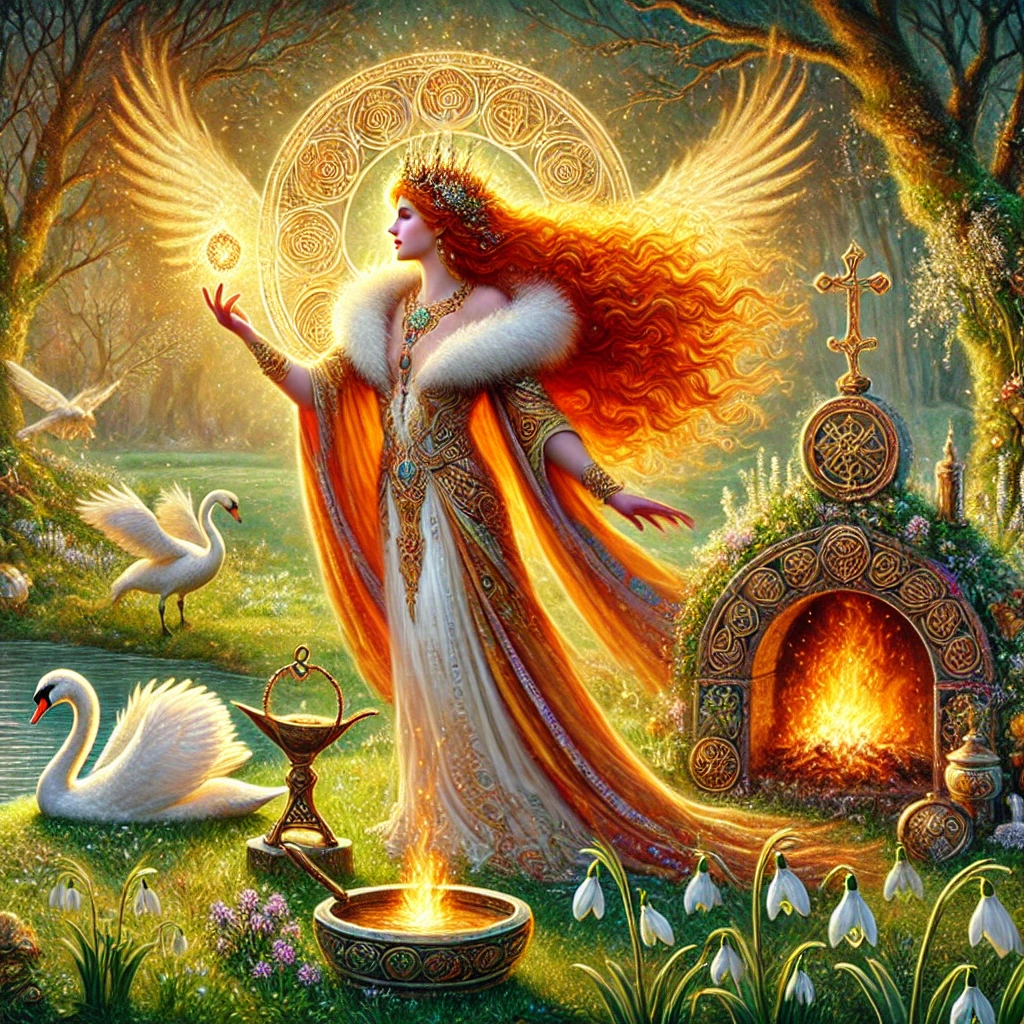
Brigid is frequently depicted as a radiant young woman, embodying the beauty and vitality of fire and spring. Her imagery emphasizes her nurturing and transformative qualities, with symbols that connect her to her various domains:

  • A Brigid’s Cross:
    This woven cross of rushes or straw is one of her most recognizable symbols. It represents protection, blessings, and the cycle of life, and is traditionally placed in homes to safeguard against harm and bring prosperity.
  • Sacred Flames:
    Fire plays a central role in Brigid’s iconography, symbolizing her connection to transformation, illumination, and purification. Eternal flames dedicated to her were historically kept burning by priestesses and are rekindled in her modern worship.
  • Animals:
    Brigid is closely associated with sacred animals that reflect her nurturing and creative nature:
    • Cows: Symbolizing abundance and sustenance, reflecting her role in fertility and agriculture.
    • Swans: Representing purity and transformation, aligning with her connection to inspiration and the cycles of life.
  • Golden or Red Hair and Feathered Cloak:
    Brigid is often depicted with radiant red or golden hair, representing the fire and sun she embodies. Her cloak of feathers symbolizes her connection to nature and the divine realms.
  • The Forge and Smithing Tools:
    Representing her transformative powers, the forge is a metaphor for creation through fire and resilience through adversity.

Brigid’s iconography weaves together her roles as a goddess of fire, renewal, and protection, creating a vivid and inspiring image of her influence in the lives of her devotees. Through her many facets, she continues to guide practitioners in embracing creativity, nurturing growth, and finding strength in transformation.

Mythological Background

Brigid, a cornerstone of Irish mythology, is revered for her role in healing, poetry, and smithing—domains that showcase her as a guardian of creativity, transformation, and resilience. Her mythology weaves themes of renewal, protection, and the balance of life’s cycles, making her an enduring figure in both pagan and Christian traditions.

Key Myths and Stories

Brigid’s myths and legends highlight her triple aspects and her role as a force of creation, transformation, and renewal.

  • Triple Goddess of Creativity and Transformation:
    As a triple goddess, Brigid’s domains of healing, poetry, and smithing encapsulate her ability to oversee life’s transformative forces.
    • Healing: Brigid is a healer, tending to both physical ailments and emotional wounds. Her presence symbolizes the nurturing care needed to restore balance and vitality, whether for an individual, a community, or the earth itself.
    • Poetry: As a muse of poets, Brigid inspires the creative spark that brings words to life, reflecting her connection to the power of expression and the divine. Poetry, in her realm, becomes a tool for healing, teaching, and transformation.
    • Smithing: Her mastery of the forge represents creation through fire, resilience in the face of trials, and the transformative power of adversity. The forge is not only a place of creation but also a symbol of the alchemy of life, where challenges are shaped into strengths.
  • Imbolc and the Return of Light:
    Brigid’s feast day, February 1st, aligns with Imbolc, an ancient Celtic festival marking the first stirrings of spring.
    • During Imbolc, Brigid’s energy is celebrated as a bringer of light and renewal, awakening the earth from winter’s dormancy.
    • Her association with fire and the hearth makes her a symbol of warmth and life, embodying the promise of spring’s return.
    • Imbolc rituals often include lighting candles or fires to honor Brigid’s presence and to invoke her blessings for the coming season.
  • Syncretism into Saint Brigid:
    With the spread of Christianity in Ireland, Brigid’s attributes were absorbed into the figure of Saint Brigid, allowing her worship to persist in a new form.
    • Saint Brigid, much like her goddess counterpart, became known for her miracles, generosity, and protection of women and children.
    • The blending of pagan and Christian traditions allowed Brigid’s essence to remain central to Irish spirituality, symbolizing a bridge between the old ways and the new faith.

Relationships

Brigid’s connections within Irish mythology reflect her roles as a nurturer, creator, and protector.

  • The Dagda:
    Brigid is often described as the daughter of the Dagda, a chief figure in Irish mythology known for his strength and wisdom. This lineage underscores her divine authority and her connection to the creative and protective forces of the earth.
  • Her Sons:
    In some tales, Brigid is the mother of three sons, each associated with one of her triple aspects:
    • Healing: Representing her nurturing and restorative energy.
    • Poetry: Reflecting her inspiration and connection to the arts.
    • Smithing: Symbolizing her transformative and creative power.

These familial ties emphasize her role in guiding and sustaining life’s cycles through her domains.

Role in Mythology

Brigid’s role in Irish mythology transcends simple categorization, as she bridges opposites and extremes:

  • Creation and Destruction:
    Brigid’s mastery of the forge symbolizes her ability to create and transform, even in the face of destruction or hardship. She teaches that new beginnings often arise from endings, much like the cycle of seasons.
  • Pagan and Christian:
    As both a goddess and a saint, Brigid embodies the synthesis of pagan spirituality and Christian faith, uniting communities and preserving her essence across changing cultural landscapes.
  • Light and Dark:
    Her association with fire and spring represents her role as a bringer of light and transformation, guiding mortals and gods alike through the cycles of darkness and renewal.

Brigid’s significance lies in her dynamic energy, her nurturing presence, and her ability to guide her followers through the transformative moments of life. During Yul e and Imbolc, her mythology continues to inspire celebrations of renewal, resilience, and hope, making her a timeless figure in the spiritual world.

Symbols and Associations

Brigid, as a goddess of healing, creativity, and protection, is represented by a rich tapestry of symbols and elements that reflect her multifaceted nature. These associations serve as a guide for understanding her influence and are central to rituals and practices dedicated to her.

Sacred Symbols

  • Brigid’s Cross:
    The Brigid’s Cross, traditionally woven from rushes or straw, is one of the most iconic symbols associated with her.
    • Protection and Blessings: It is placed in homes, particularly above doorways or near the hearth, to ward off harm, invoke her protection, and bring blessings of prosperity and health.
    • Symbolism: The woven design reflects the cyclical nature of life, the interconnection of the spiritual and physical realms, and the transformative power of Brigid’s energy.
    • Imbolc Tradition: Creating a Brigid’s Cross during Imbolc is a popular practice, honoring her as a guardian of the home and a bringer of renewal.
  • Sacred Wells:
    Brigid’s sacred wells, often found in Ireland, are pilgrimage sites that represent her powers of healing and renewal.
    • Healing Waters: These wells are believed to hold sacred, rejuvenating energy, and visitors often leave offerings, such as coins or ribbons, as a way of seeking her blessings.
    • Connection to Nature: The wells symbolize the life-giving force of water, tying her to the cycles of life and fertility.
  • The Hearth:
    The hearth is a central symbol of Brigid’s protective and nurturing energy.
    • Warmth and Safety: It represents the heart of the home, a place where families gather for warmth, nourishment, and connection.
    • Domestic Harmony: As a goddess of the hearth, Brigid safeguards households, fostering harmony, stability, and abundance.
    • Sacred Space: Lighting a fire or candle at the hearth during rituals invokes her presence and honors her as a protector of the home.

Colors and Elements

  • Colors:
    Brigid’s associated colors reflect her diverse domains and spiritual essence:
    • Green: Symbolizing fertility, growth, and renewal, green captures her connection to the cycles of life and the earth’s vitality.
    • Gold: Representing illumination, creativity, and divine inspiration, gold reflects her role as a bringer of light and transformation, particularly during Imbolc.
    • White: Emblematic of purity and healing, white connects to her nurturing energy and her association with sacred wells and water.
  • Elements:
    Brigid’s elements highlight her dual nature as a goddess of fire and water, embodying transformation and renewal:
    • Fire: Representing illumination, creativity, and transformation, fire is central to Brigid’s identity as a goddess of the forge and the hearth. It symbolizes her ability to inspire, protect, and create.
    • Water: Reflecting healing and renewal, water ties her to sacred wells, fertility, and the life-giving forces of nature. The balance between fire and water showcases her role as a unifier of opposites and a guardian of life’s harmony.

Brigid’s symbols and associations serve as a powerful reminder of her nurturing, transformative, and protective energy. Whether through the Brigid’s Cross, sacred wells, or hearth fires, these symbols invite her presence into daily life and connect her devotees to her timeless power of renewal, creativity, and balance.

Worship and Devotion

Brigid’s enduring legacy as a goddess and saint reflects her profound influence on spiritual practices, both in pre-Christian Ireland and in modern traditions. Her worship emphasizes protection, renewal, and creativity, making her a central figure during seasonal celebrations like Imbolc and in everyday acts of devotion.

Historical Practices

In ancient Ireland, Brigid was revered as a goddess of fertility, the hearth, and transformation, and her worship was deeply tied to the rhythms of the agricultural calendar and the seasonal cycles of life.

  • Creating Brigid’s Crosses:
    One of the most iconic traditions, the Brigid’s Cross, was woven from rushes or straw and placed in homes, particularly above doorways or near hearths.
    • Purpose: The cross was believed to protect the household from harm, bring blessings of health and prosperity, and ensure abundance in the coming year.
    • Imbolc Tradition: Creating the cross during Imbolc, Brigid’s feast day, was both a sacred and communal act, symbolizing the renewal of light and life.
  • Lighting Sacred Flames:
    Fire was central to Brigid’s worship, symbolizing her connection to illumination, purification, and inspiration.
    • Rituals: Fires or candles were lit in her honor, often at sacred hearths or communal gatherings, to invoke her presence and blessings.
    • Sacred Flame of Kildare: In Kildare, Ireland, priestesses kept an eternal flame burning in Brigid’s honor, a tradition that persisted for centuries and was later adapted into Christian practices.
  • Offering Milk or Butter:
    Offerings of milk, butter, or other dairy products were made to honor Brigid’s nurturing and agricultural aspects.
    • Symbolism: These offerings reflected her role as a provider of sustenance and fertility, aligning with her connection to livestock and the hearth.
    • Seasonal Context: During Imbolc, a time of new life and renewal, these offerings were particularly significant, celebrating the beginning of the lambing season and the promise of abundance.

These historical practices emphasized Brigid’s nurturing energy, her protection over the home, and her role in ensuring prosperity and renewal.

Modern Practices

Brigid’s worship has been adapted into modern pagan, Wiccan, and Christian traditions, blending ancient rituals with contemporary spirituality. Her role as a goddess and saint allows her to bridge cultural and religious divides, inspiring devotion in diverse ways.

  • Setting Up Altars:
    Altars dedicated to Brigid are a focal point for rituals and meditations, reflecting her domains of creativity, healing, and renewal.
    • Decorations: Common items include Brigid’s Crosses, candles, flowers, and offerings such as milk, honey, or bread.
    • Personal Touch: Practitioners often add items that resonate with Brigid’s energy, such as crafting tools, poetry, or symbols of fire and water.
  • Rituals and Meditations:
    Modern rituals often focus on Brigid’s themes of transformation, protection, and inspiration.
    • Fire Rituals: Lighting candles or small fires during rituals honors her connection to purification and creativity.
    • Meditations: Practitioners meditate on Brigid’s energy to gain clarity, renew their creative spark, or seek emotional and spiritual healing.
    • Healing Work: Invoking Brigid during healing rituals emphasizes her nurturing energy and her role as a protector of physical and emotional well-being.
  • Imbolc Celebrations:
    Brigid remains central to Imbolc, celebrated on February 1st as a festival of light and renewal.
    • Seasonal Feasts: Traditional feasts include dairy-based foods, spiced cakes, and honeyed mead, all offered in her honor.
    • Poetry and Song: Creative expressions such as reciting poetry, singing, or storytelling pay tribute to Brigid as a muse of the arts.
    • Community Gatherings: Group rituals often include fire ceremonies, crafting Brigid’s Crosses, or blessing homes with her protective energy.

Through historical and modern practices, Brigid’s worship continues to inspire a deep connection to creativity, transformation, and the cycles of life. Her ability to adapt across time and traditions makes her a timeless figure of devotion, protection, and renewal.

Attributes and Lessons

Brigid, as a goddess of creativity, protection, and transformation, offers timeless wisdom and guidance to those who seek her. Her energy inspires resilience, growth, and balance, serving as a beacon for navigating life’s challenges and opportunities.

Character Traits

Brigid’s traits reflect her dynamic and multifaceted nature, making her an ideal figure for those in need of both strength and inspiration.

  • Creativity:
    As the Muse of Poets and Lady of the Forge, Brigid embodies the spark of creativity that fuels both artistic expression and transformative action. Her influence encourages individuals to explore their creative potential, whether through writing, crafting, or problem-solving.
  • Protection:
    Brigid’s association with the hearth and home highlights her nurturing yet protective energy. She guards families, communities, and sacred spaces, fostering a sense of safety and harmony. Her presence is both comforting and empowering, reminding her devotees of the strength found in connection and care.
  • Transformation:
    Through her domain over smithing and fire, Brigid symbolizes the alchemy of change—the ability to shape life’s trials into opportunities for renewal and growth. She inspires resilience and adaptability, teaching that even the most challenging circumstances can lead to new beginnings.

Lessons and Themes

Brigid’s mythology and worship offer profound lessons that resonate with modern practitioners, emphasizing balance, growth, and the sacredness of daily life.

  • The Power of Transformation:
    Brigid teaches that challenges are not merely obstacles but opportunities for growth.
    • Smithing as a Metaphor: Just as metal is forged in fire, individuals can shape their experiences—no matter how difficult—into something strong and valuable.
    • Renewal through Creativity: Whether through artistic expression, personal growth, or spiritual practice, Brigid encourages transformation as a pathway to empowerment.
  • Balance of Light and Dark:
    Brigid’s presence during Imbolc, a festival of renewal, reminds us of the importance of embracing both light and shadow.
    • Seasonal Reflection: Imbolc marks the transition from winter’s darkness to the light of spring, symbolizing the cyclical nature of life and the hope found in renewal.
    • Embracing Shadows: Brigid encourages individuals to confront their challenges and inner struggles, finding strength and clarity in the process.
  • The Sacred in the Everyday:
    Through her association with the hearth, Brigid reveals the divine presence in the mundane aspects of life.
    • Domestic Harmony: The hearth, as the heart of the home, represents the power of daily rituals and connections to foster stability and love.
    • Creative Acts: Whether cooking, crafting, or tending to a home, Brigid’s energy elevates these tasks into acts of sacred devotion.

Relevance Today

Brigid’s lessons and themes remain deeply relevant in the modern world, offering inspiration and guidance for a variety of challenges and pursuits:

  • Resilience in Adversity:
    Brigid’s transformative energy encourages individuals to face difficulties with courage and to emerge stronger and wiser. Her presence serves as a reminder that renewal and growth often follow life’s most challenging moments.
  • Celebrating Creativity:
    Brigid inspires her followers to embrace their creative potential, recognizing the power of imagination and artistry in shaping their lives and the world around them.
  • Honoring Balance:
    Through her connection to light and dark, Brigid teaches the importance of finding balance in life’s cycles, whether between work and rest, action and reflection, or challenges and triumphs.
  • Finding the Sacred in Modern Life:
    Brigid’s association with the hearth and home reminds modern practitioners that everyday acts of care and creativity are imbued with spiritual significance. She encourages mindfulness and gratitude for the small but meaningful moments that define life.

By embodying creativity, protection, and transformation, Brigid serves as an enduring guide for navigating life’s complexities, offering her followers the tools to grow, create, and thrive. Her wisdom inspires resilience, hope, and the ability to see the divine in all aspects of existence.

Magical and Spiritual Work

Brigid’s presence in magical and spiritual practices reflects her role as a goddess of transformation, inspiration, and protection. Through rituals, spells, and the creation of sacred spaces, practitioners can connect with her energy to foster healing, creativity, and harmony.

Rituals and Spells

Brigid’s energy is particularly potent in rituals and spellwork that involve healing, creativity, and protection. These practices allow her devotees to align with her domains and harness her transformative power.

  • Healing Spells:
    Brigid’s association with healing waters and sacred flames makes her an ideal guide for spells focused on physical, emotional, or spiritual well-being.
    • Water Rituals: Use water from a sacred well or a natural source, combined with an invocation to Brigid, to cleanse and renew the body and spirit.
    • Fire Spells: Light a candle or small flame, symbolizing her healing warmth, and meditate on its light to release negative energy and restore balance.
    • Offerings: Leave milk, honey, or herbs like chamomile or lavender as part of your healing spell to honor Brigid’s nurturing essence.
  • Creative Inspiration:
    As a muse of poets and artists, Brigid inspires creativity in all forms.
    • Invocation for Creativity: Before beginning a creative project, light a candle and recite a prayer or poem to Brigid, inviting her guidance and inspiration.
    • Poetry and Writing Spells: Use her energy to fuel creative breakthroughs by placing symbols of fire or crafted tools on your workspace.
    • Artistic Offerings: Dedicate a finished piece of art, poetry, or music to Brigid as an act of devotion and gratitude.
  • Home Blessings:
    Brigid’s role as a protector of the hearth and home makes her an ideal figure for rituals that ensure safety, harmony, and warmth in your living space.
    • Candle Rituals: Light a candle at the hearth (or its modern equivalent, such as a stove) while reciting a blessing to invoke her protection.
    • Brigid’s Cross: Craft or place a Brigid’s Cross in your home to ward off harm and invite her blessings.
    • Hearth Offerings: Place offerings like bread, butter, or small tokens near your hearth as a way of honoring her guardianship.

Altars and Sacred Space

Creating a dedicated space for Brigid allows practitioners to focus their devotion and connect deeply with her energy. An altar for Brigid reflects her connection to fire, creativity, and fertility, serving as a spiritual anchor for rituals, meditation, and offerings.

  • Candles:
    Candles are a central element of a Brigid altar, representing her connection to illumination, warmth, and purification. Choose gold, red, or white candles to align with her energy.
  • Milk or Butter:
    As symbols of nourishment, fertility, and domestic harmony, offerings of milk or butter honor Brigid’s nurturing aspect. These can be left on the altar as part of Imbolc rituals or general acts of gratitude.
  • Crafted Items:
    Incorporate handmade Brigid’s Crosses, poetry, or other crafted items to celebrate her role as a goddess of creativity. These items also serve as offerings and a way to align with her creative energy.
  • Sacred Symbols:
    Enhance the altar with representations of Brigid’s domains, such as:
    • Fire: A small cauldron, a brazier, or symbolic flames.
    • Water: A bowl of water or a small fountain to represent sacred wells and healing.
    • Forge Tools: Miniature hammers or anvils to symbolize smithing and transformation.
  • Seasonal Elements:
    During Imbolc or other seasonal celebrations, decorate the altar with spring flowers, greenery, and items symbolic of renewal, like seeds or eggs.

By maintaining a sacred space for Brigid, practitioners create a physical and spiritual connection to her energy, fostering a deeper relationship with this beloved goddess. Through rituals and altars, her guidance, creativity, and protection become tangible elements in the lives of her devotees.

Conclusion: Brigid’s Enduring Legacy

Brigid’s enduring legacy as both a goddess of the old ways and a beloved saint highlights her timeless significance across spiritual traditions. As a goddess of healing, creativity, and transformation, she embodies the profound balance between nurturing and resilience, inspiration and action. Her domains extend beyond mythology to offer practical and spiritual guidance, encouraging her devotees to embrace the cycles of life, find strength in adversity, and honor the sacred in everyday moments.

At Imbolc, Brigid’s energy shines brightest, heralding the return of light and the promise of renewal. Through the creation of Brigid’s Crosses, the lighting of candles, and offerings of milk, honey, or crafted tokens, her devotees connect with her transformative power. These acts of devotion reflect not only her influence over life’s transitions but also her ability to inspire hope and creativity even in the darkest times.

Brigid’s lessons in balance, growth, and perseverance remain as relevant today as they were in ancient times. She teaches us that challenges can be forged into opportunities, that love and light coexist with shadow, and that renewal is a sacred force inherent in all of life’s cycles. Whether through the blazing fires of the hearth, the healing waters of sacred wells, or the creative spark of inspiration, Brigid offers a pathway to connection and transformation.

By celebrating Brigid at Imbolc or through daily acts of reverence, practitioners honor her as a guiding force of light, renewal, and creativity. Her presence serves as a reminder of the divine within and around us, encouraging us to carry her sacred flame forward, illuminating our paths with hope, purpose, and resilience.

Posted on Leave a comment

Bridging Imbolc and Candlemas

Imbolc and Candlemas

Introduction

Celebrating the Light and Promise of Spring

At the heart of the year’s turning, as the days grow longer and the winter’s grip begins to loosen, two sacred celebrations emerge to honor the promise of light and new beginnings: Imbolc and Candlemas. Though rooted in distinct cultural and religious traditions, these holidays share a profound connection in their themes of renewal, light, and the anticipation of spring. Exploring their similarities and contrasts reveals the universal human yearning to celebrate the return of warmth, hope, and the cycles of life.

Imbolc: Honoring Brigid and the Spark of Life

Imbolc is a Gaelic festival celebrated at the midpoint between the winter solstice and the spring equinox, typically on February 1st or 2nd. It is a sacred time marking the gradual shift from the darkness of winter to the growing light of spring. The name “Imbolc” derives from the Irish word “imbolg”, meaning “in the belly,” a reference to the pregnancy of ewes, symbolizing fertility and the promise of new life. This imagery reflects the earth itself stirring beneath the snow, preparing for the vibrant growth of the coming season.

Traditionally celebrated in Ireland, Scotland, and the Isle of Man, Imbolc was a time to honor the goddess Brigid, a beloved deity of fertility, healing, poetry, and smithcraft. Brigid’s influence extended over both domestic and natural realms, embodying the creative spark needed for renewal and transformation. As winter waned and daylight grew stronger, communities invoked Brigid’s blessings to ensure abundance, vitality, and protection for the land, animals, and households.

Brigid: The Goddess of Renewal and Vitality

Brigid, often considered a triple goddess, represents the union of poetry, creation, and transformation. She is both a deity of the hearth and the forge, symbolizing the spark of life that ignites growth and the fire of creativity that inspires change. Her dominion over fertility connects her deeply to the cycles of the earth, where she is seen as a nurturing force ensuring the land awakens after its long winter rest.

As a goddess of poetry, Brigid inspires words of beauty, song, and expression, embodying the voice of nature as it begins to stir. Her connection to healing extends beyond physical ailments to emotional and spiritual renewal, making Imbolc a time for internal cleansing and restoring vitality. Her role as a smith underscores the transformative power of fire to create, shape, and forge new beginnings, aligning perfectly with the themes of renewal at Imbolc.

Traditional Practices and Key Rituals

Imbolc rituals and celebrations are rich in symbolism, reflecting themes of light, renewal, and preparation. They draw on ancient traditions that honor the earth’s awakening, the blessings of Brigid, and the balance between the dormancy of winter and the vitality of spring.

Lighting Candles and Hearth Fires

The lighting of candles and hearth fires during Imbolc holds profound significance. These flames symbolize the returning warmth and light of the sun, driving away the darkness of winter and illuminating the path toward spring. The hearth, often considered the heart of the home, was rekindled as an act of devotion to Brigid, inviting her presence to bless the household. In modern Imbolc celebrations, candlelit rituals are often performed to honor the goddess and symbolize personal or spiritual illumination.

Offerings to Brigid

Offerings to Brigid were central to traditional Imbolc celebrations. Milk, bread, butter, and mead were placed on altars, windowsills, or by the hearth to honor her nurturing and creative aspects. Milk, in particular, held special importance, symbolizing nourishment, fertility, and the abundance of spring. Some practitioners crafted Brigid’s crosses, woven from rushes or straw, as offerings to protect homes and livestock for the year ahead. These crosses were often hung above doorways or hearths as a symbol of Brigid’s blessings.

Spring Cleaning

Imbolc is a time of cleansing and renewal, both physically and spiritually. Spring cleaning was performed to sweep out the old, clearing away the stagnant energy of winter and preparing for the fresh beginnings of spring. This act was both practical and symbolic, creating a clean slate to welcome Brigid and her blessings into the home. Today, modern practitioners might extend this practice to clearing mental or emotional clutter, setting intentions for the year ahead.

Divination Rituals

As a time of transition, Imbolc was also seen as a moment to seek insight and guidance for the future. Divination practices such as scrying, casting runes, or interpreting natural signs were performed to align with the rhythms of nature and discern what lay ahead. Brigid’s role as a goddess of wisdom and foresight made her a powerful guide during this time.

Preparation of Fields and Gardens

Imbolc reflects the anticipation of planting season, as the earth begins to wake from its winter slumber. Farmers prepared their fields for sowing, and seeds were blessed to ensure a fruitful harvest. This practice symbolizes new beginnings, with seeds representing both literal crops and the intentions and aspirations planted in one’s life. Even for those who do not farm, preparing gardens or setting goals aligns with this theme of readiness for growth.

Modern Imbolc Celebrations

In contemporary practice, Imbolc has become a time for introspection, gratitude, and hope for the future. It invites practitioners to reflect on the cycles of nature and the transitions in their own lives. Common modern-day rituals include:

  • Creating altars dedicated to Brigid with candles, flowers, and representations of spring.
  • Making and displaying Brigid’s crosses as symbols of protection and renewal.
  • Baking and sharing seasonal foods, such as breads, dairy-based dishes, or spiced cakes, to honor the goddess.
  • Lighting candles or fires to honor the returning sun and set intentions for growth.
  • Spending time in nature, observing the subtle stirrings of spring, such as the emergence of snowdrops or the songs of returning birds.

A Celebration of Nature’s Quiet Transition

Imbolc is a festival of hope and anticipation, a moment when the stillness of winter begins to yield to the promise of spring. It is a time to honor Brigid’s gifts, from the creative spark of inspiration to the gentle nurturing of life’s cycles. Whether through rituals of light, offerings, or the act of clearing away the old, Imbolc encourages us to align with nature’s quiet transitions and nurture the seeds—both literal and metaphorical—that will grow in the months ahead. In honoring Imbolc, we celebrate the beauty of renewal and our connection to the eternal rhythms of the earth.

Candlemas: A Christian Celebration of Light and Purification

Candlemas, observed annually on February 2nd, is a significant Christian holiday that commemorates two key biblical events: the presentation of Jesus at the Temple and the purification of the Virgin Mary following childbirth, as recounted in the Gospel of Luke (2:22-40). Falling exactly 40 days after Christmas, this holiday reflects the Jewish tradition of purification and dedication, a practice where mothers underwent a ritual cleansing and firstborn sons were presented to God in the temple. Candlemas, rich in symbolism, serves as both a religious observance and a celebration of light’s return to the world.

At its heart, Candlemas emphasizes Christ as the “light of the world”—a spiritual beacon guiding humanity toward salvation. The holiday’s focus on light resonates with both spiritual themes of hope and redemption and the natural cycle of increasing daylight as winter begins to wane. Candlemas is also steeped in themes of renewal, gratitude, and preparation, making it a moment of reflection and celebration as the faithful look toward the promises of brighter days ahead.

The Biblical Roots of Candlemas

Candlemas derives its spiritual significance from two key events recorded in the New Testament:

  1. The Presentation of Jesus at the Temple: In keeping with Jewish law, Mary and Joseph brought the infant Jesus to the temple in Jerusalem to consecrate him to God as the firstborn son. This act symbolized Jesus’s divine role and connection to God’s covenant with humanity. During this presentation, the devout man Simeon recognized Jesus as the Messiah and proclaimed him as a “light for revelation to the Gentiles and for glory to your people Israel” (Luke 2:32). Simeon’s prophecy serves as the foundation for the Candlemas theme of light—a guiding force and symbol of salvation.
  2. The Purification of Mary: Following Jewish customs outlined in Leviticus 12, women who gave birth were considered ritually impure for 40 days after delivering a male child. At the end of this period, they were to present themselves at the temple to undergo a purification rite, signifying a return to religious and communal life. Candlemas marks this event in Mary’s life, emphasizing themes of cleansing, renewal, and the fulfillment of sacred traditions.

Candlemas Rituals and Traditions

Over centuries, Christian communities developed rituals and practices to honor Candlemas, blending biblical significance with cultural and seasonal observances. These traditions center on the themes of light, renewal, and purification, offering a chance to celebrate both the spiritual and natural transitions taking place at this time of year.

Blessing and Procession of Candles

The most distinctive feature of Candlemas is the blessing of candles, which symbolize Christ’s light illuminating the darkness of the world. During church services, priests bless candles brought by parishioners, which are then carried in processions to invoke spiritual protection and the guiding light of faith. These blessed candles are often kept in homes throughout the year and lit during moments of prayer, storms, or significant events, serving as a reminder of Christ’s enduring presence and hope.

The candlelight procession, a centerpiece of Candlemas, is a visual and communal act of devotion. As the faithful walk together, holding their glowing candles, they symbolize their shared journey toward spiritual renewal and their commitment to carrying Christ’s light into the world.

Lighting Candles at Home

Beyond church ceremonies, families incorporate the lighting of candles into their home observances of Candlemas. These flames not only reflect the divine light of Christ but also evoke the comforting warmth of faith and community. In the stillness of winter, lighting candles becomes an intimate ritual, a moment to reflect on hope, guidance, and renewal as the season begins to shift toward spring.

Weather Predictions and Folklore

Candlemas is also entwined with seasonal folklore, emphasizing its role as a bridge between winter and spring. One well-known belief holds that the weather on Candlemas Day predicts the remaining length of winter. The saying goes:
“If Candlemas Day be fair and bright,
Winter will have another flight.
If Candlemas Day brings cloud and rain,
Winter won’t come again.”

This tradition gave rise to Groundhog Day in the United States, where the behavior of a groundhog is said to forecast the arrival of spring. The weather-watching practice underscores Candlemas’s dual significance as both a religious and seasonal celebration, bridging the physical world with the divine.

Themes of Purification and Renewal

Candlemas is a time for personal and spiritual reflection, inspired by the themes of purification and renewal. Just as Mary underwent a ritual cleansing, believers are encouraged to evaluate their own spiritual lives, casting off negativity and embracing hope, clarity, and divine guidance. This symbolic “purification” aligns with the broader seasonal practice of preparing for spring, echoing the need to cleanse, simplify, and make space for new beginnings.

The Symbolism of Candlemas Light

The central theme of Candlemas is light, which holds profound spiritual and symbolic meaning. Light is a universal representation of hope, salvation, and divine presence, and at Candlemas, this light is both metaphorical and literal. In Christian belief, Christ is the light of the world, offering guidance and redemption to a weary and uncertain humanity. The flickering glow of candles represents this unwavering beacon, illuminating the path through life’s challenges.

Beyond its spiritual connotations, light also reflects the natural cycle of the seasons. Candlemas arrives as winter’s grip begins to loosen and the days grow longer. The increased sunlight mirrors the return of warmth and vitality, fostering hope for growth and renewal in the coming months. In this way, Candlemas serves as a celebration of both spiritual illumination and the physical return of the sun’s brightness.

Modern Observances of Candlemas

In contemporary practice, Candlemas continues to hold meaning for both religious and secular communities. While traditional church rituals remain central for many Christians, the holiday’s themes of light, purification, and renewal resonate beyond religious boundaries. Families and individuals celebrate Candlemas in ways that reflect their personal beliefs and cultural heritage.

For some, Candlemas is a time to reflect on their spiritual journey, lighting candles and offering prayers of gratitude and hope. Others embrace its seasonal significance, using the holiday as an opportunity to reconnect with the rhythms of nature and prepare for the arrival of spring. In either case, Candlemas serves as a moment of pause and reflection, offering a chance to embrace transitions with faith, intention, and optimism.

Candlemas as a Bridge Between the Seasons

Candlemas occupies a unique place in the calendar, standing as a bridge between the seasons—both physically and spiritually. It connects the depths of winter with the promise of spring, blending ancient traditions of light and renewal with Christian narratives of salvation and hope. Whether celebrated with blessed candles, shared meals, or quiet moments of reflection, Candlemas invites us to carry the light of faith and warmth into the world, embracing the cycles of life with reverence and gratitude. As the days grow brighter and the earth awakens, Candlemas reminds us of the power of light to dispel darkness, and the enduring promise of renewal in all its forms.

Shared Themes: Light, Renewal, and the Cycles of Life

Despite their different origins—Imbolc rooted in the ancient pagan traditions of the Gaelic world and Candlemas emerging from early Christianity—these two holidays reflect shared human themes that transcend specific religions or cultures. Imbolc and Candlemas both serve as celebrations of light, renewal, and the cycles of life, bridging the physical and spiritual realms during this transitional time of year. They invite participants to reflect on their connection with the natural world, the divine, and the promise of brighter days ahead.

The Return of Light: Hope After Darkness

At the heart of both Imbolc and Candlemas lies the return of light after the long darkness of winter. Imbolc honors the first signs of nature’s awakening, with longer days and the promise of spring’s arrival. The flickering flames of candles, hearth fires, and Brigid’s sacred flame symbolize this burgeoning light and the warmth it brings to a weary winter landscape. Similarly, Candlemas celebrates the light of Christ as a spiritual beacon, guiding the faithful toward hope, redemption, and renewal. The tradition of blessing candles at Candlemas is an act of embracing this light, both physically and spiritually.

Light, in these contexts, transcends its physical presence and becomes a metaphor for guidance, clarity, and the divine promise. For the ancient Celts, Brigid’s flame symbolized creative energy and the spark of life, illuminating the path toward new beginnings. In Christianity, the light of Christ offers a similar promise of salvation and hope, dispelling the darkness of sin and despair. Whether through the gentle glow of candles on an altar or the warmth of a hearth fire, both holidays remind us of the transformative power of light and its ability to dispel fear and uncertainty.

New Beginnings and Fertility: A Season of Renewal

Imbolc and Candlemas also share a focus on new beginnings, embodying the promise of growth, renewal, and the turning of the seasons. Imbolc, derived from the Irish word “imbolg” (meaning “in the belly”), celebrates fertility, both in the land and in life itself. It marks the early stirrings of spring, as pregnant ewes symbolize the promise of future abundance and seeds prepare to germinate beneath the cold earth. This sense of fertility is both literal and symbolic, representing the cultivation of new ideas, goals, and dreams.

Candlemas, while focused on spiritual renewal, echoes these themes of fresh starts and growth. The purification of the Virgin Mary and the presentation of Jesus at the temple signify the completion of a sacred cycle and the beginning of a new chapter. Candlemas invites participants to reflect on their own spiritual “cleansing,” letting go of burdens or negativity to create space for hope, peace, and divine guidance.

Both holidays are inherently tied to the natural cycles of life. Imbolc’s connection to the earth’s fertility mirrors Candlemas’s emphasis on spiritual renewal, linking the physical and spiritual processes of rebirth. Together, they remind us that endings are not finite—they are the seeds of beginnings, and winter’s stillness is a precursor to spring’s vitality.

Rituals with Fire and Candles: Symbols of Life and Divinity

The element of fire plays a central role in both Imbolc and Candlemas, uniting the holidays through the shared symbolism of illumination, warmth, and life. Fire is a powerful symbol in human culture, representing not only physical warmth but also spiritual enlightenment and creative energy. For the Celts, lighting candles and hearth fires during Imbolc honored Brigid’s life-sustaining powers and welcomed the sun’s gradual return to prominence. Fire rituals carried deep cultural significance, serving as both protective acts and ways to align with Brigid’s nurturing energy.

In Candlemas, the practice of blessing and lighting candles is steeped in Christian symbolism. The glowing flames represent Christ’s light, which illuminates the path for humanity and brings salvation. Candlelit processions in churches and homes create a visual representation of the divine radiance that dispels darkness and fosters faith.

Despite the differences in their focus, both holidays highlight the universal human need for symbols of hope during the darkest days of the year. Fire and candles act as tangible reminders of the power of light to overcome shadows, guiding people through transitions and preparing them for the rebirth and vitality of spring.

Modern Celebrations: Honoring Both Traditions

In today’s diverse and interconnected world, many people celebrate Imbolc and Candlemas in ways that draw from both traditions, blending their earth-centered practices and spiritual significance. Modern observances often emphasize shared themes of light, renewal, and gratitude, creating a space for reflection, community, and preparation for the coming season.

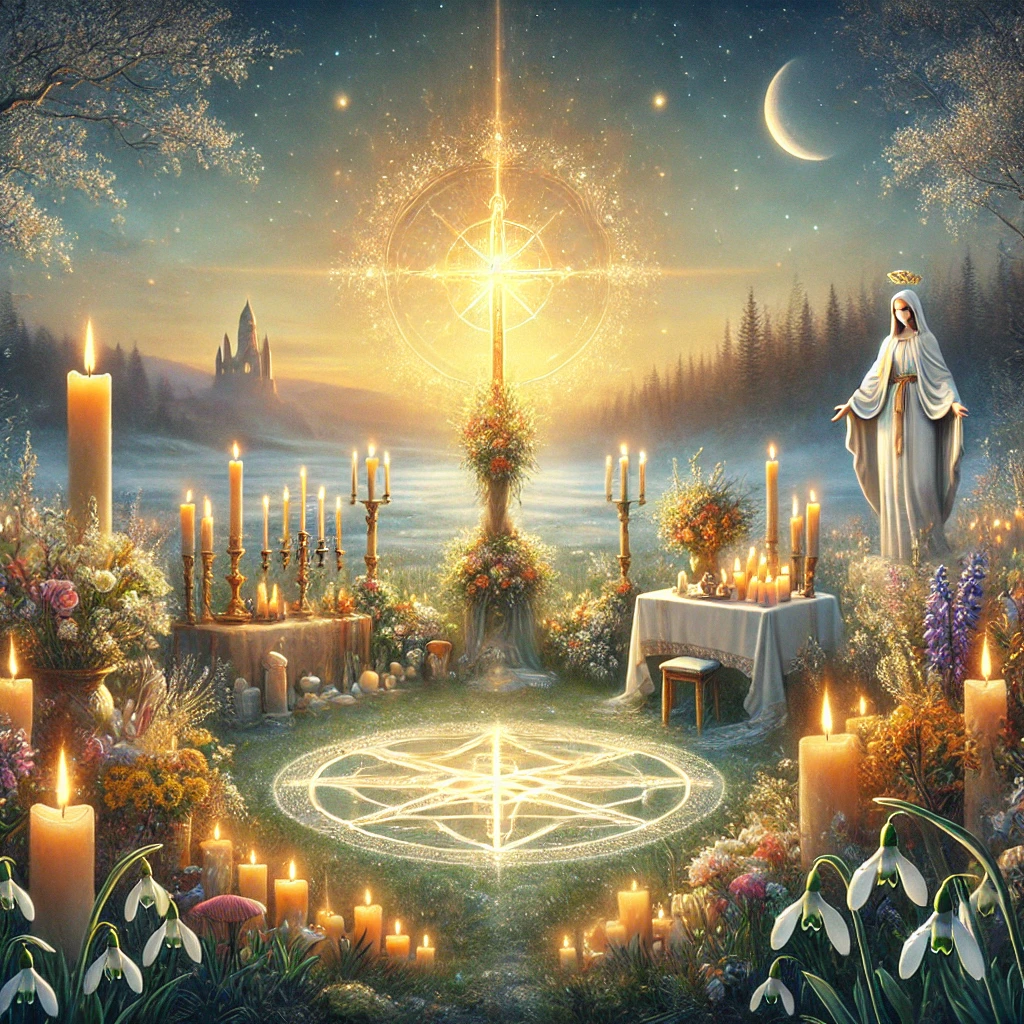
The lighting of candles remains a common thread, symbolizing both the growing sunlight in nature and the spiritual illumination that inspires personal and communal growth. In homes and on altars, candlelight bridges the divide between pagan reverence for the sun’s return and Christian celebrations of Christ’s divine radiance. Many practitioners of both traditions also incorporate spring cleaning, a symbolic act of clearing out the old to make room for new energy, both in physical spaces and in personal lives.

Offerings of food and flowers are another shared practice, rooted in the recognition of abundance and gratitude. From fresh-baked bread to vibrant seasonal blooms, these offerings honor the divine, the earth, and the cycles that sustain life. Such acts foster a deep connection to both nature and the spiritual forces that guide and inspire renewal.

Time spent in nature—whether through mindful walks, gardening, or observing seasonal changes—also resonates with the themes of both holidays. Engaging with the quiet transition of the earth toward spring mirrors the personal and spiritual transitions celebrated at this time.

Finally, sharing meals with loved ones reflects the communal spirit of both Imbolc and Candlemas. Gathering around the warmth of food and fire fosters gratitude, connection, and joy, reinforcing the shared themes of light, renewal, and the cyclical nature of life.

Cycles of Life: A Universal Celebration

Imbolc and Candlemas, though rooted in different traditions, offer an opportunity to reflect on the universal cycles of life, light, and renewal. They remind us that, as the wheel of the year turns, we are part of an ever-unfolding dance of endings and beginnings. Whether honoring Brigid’s creative energy or Christ’s guiding light, these holidays invite us to pause, express gratitude, and prepare for the possibilities that lie ahead. In their shared themes, they provide a reminder of our connection to the natural world, to one another, and to the divine forces that guide us through life’s seasons.

A Harmonious Celebration of Hope

Imbolc and Candlemas remind us that, regardless of our cultural or spiritual backgrounds, we are all connected by the rhythms of nature and the cycles of light and dark. As we celebrate these holidays, we honor the hopeful energy of the coming spring and the transformative power of light—whether in the form of Brigid’s flame or Christ’s divine radiance.

By bridging these two traditions, we create a beautiful, shared tapestry that invites us to embrace renewal, nurture creativity, and welcome the blessings of the seasons. This sacred time offers an opportunity to look forward with joy and gratitude, carrying the warmth of the returning light into our homes, hearts, and lives.

Posted on Leave a comment

Imbolc – Explained

Imbolc Hearth
Imbolc Hearth

Introduction

Welcoming the Flame of Renewal

As winter’s icy grasp begins to loosen, Imbolc emerges as a beacon of hope, casting its warm glow on the world around February 1st. Nestled between the hushed stillness of the winter solstice and the vibrant awakening of the vernal equinox, this Gaelic festival orchestrates a delicate dance with the changing seasons. Imbolc, a name whispered through the ages, finds its linguistic roots in the Old Irish term ‘Imbolg,’ a lyrical expression translating to ‘in the belly.’ In the pastoral symphony of nature, it encapsulates the tender swelling of ewes, a testament to life’s cyclical resurgence as they prepare to give birth to new generations of lambs. This celebration, a cross-quarter day weaving together threads of ancient Celtic wisdom, has gracefully woven itself into the modern Pagan calendar, embodying the timeless promise of renewal and the imminent arrival of spring’s vibrant embrace.

Brigid: Keeper of the Flame

At the heart of Imbolc’s fervent celebration stands Brigid, a luminous figure in the pantheon of Celtic deities. Brigid, a goddess of boundless versatility, dons the mantle of poetry, healing, fertility, and the transformative art of smithcraft. Her essence, a captivating blend of warmth and creativity, finds embodiment in the flickering flames of the hearth, the alchemical mysteries of the cauldron, and the rhythmic symphony of the anvil’s song. In the intricate tapestry of Irish mythology, Brigid emerges as a triple goddess, her tripartite nature echoing the diverse facets of life she governs. With each aspect intricately woven into the fabric of Imbolc, Brigid becomes the radiant beacon guiding practitioners through the rites of renewal, healing, and the awakening fertility of both the land and the soul. As the keeper of the flame, Brigid presides over the delicate dance between winter’s frosty grip and the burgeoning promise of spring.

Ancient Pastoral Tapestry

Imbolc, a sacred thread in the intricate weave of Gaelic traditions, finds its roots entwined with the pastoral rhythms of early Ireland. In the brisk days around February 1st, a palpable air of anticipation blankets the land as shepherds and farmers prepare for the upcoming lambing season. This festival, nestled in the heart of winter, acts as a temporal bridge, linking the frosty landscapes to the imminent stirrings of life in the womb of ewes, a poetic dance heralding the cycles of nature.

Beyond its agrarian significance, Imbolc pays homage to Brigid, a goddess revered for her multifaceted presence in Celtic lore. The flickering flame of Brigid’s influence stretches across realms — poetry, healing, fertility, and the transformative craft of the smith. In a curious twist of fate, the passage of time witnessed Brigid donning the mantle of Christianity, transforming into St. Brigid, a beacon of spiritual grace and the patron saint of Ireland.

Imbolc is more than a seasonal marker; it is a profound tapestry woven with threads of ancient pastoral wisdom, devotion to a goddess, and the enduring spirit of a people connected to the land. As we peer into the origins of Imbolc, we glimpse a tableau where the rustic chores of farming intertwine with the ethereal presence of a revered deity, creating a festival that seamlessly spans the temporal realms of the ancient and the contemporary.

Time-Worn Origins

Imbolc, with roots deeply embedded in the fertile soil of Ireland’s pastoral traditions, emerges as a venerable festival tracing back to ancient times. This celebration, occurring around February 1st, harmonizes with the rhythms of nature, particularly in anticipation of the impending lambing season. The pastoral communities of early Ireland recognized Imbolc as a crucial juncture, signaling the preparation for new life as ewes swelled with the promise of impending birth.

Yet, Imbolc is not merely a pastoral interlude; it is a spiritual tapestry woven with reverence for Brigid, a goddess whose luminous presence graced the Celtic pantheon. The passage of time and the winds of change carried Brigid into the Christianized realm, where she transformed into St. Brigid, becoming the cherished patron saint of Ireland.

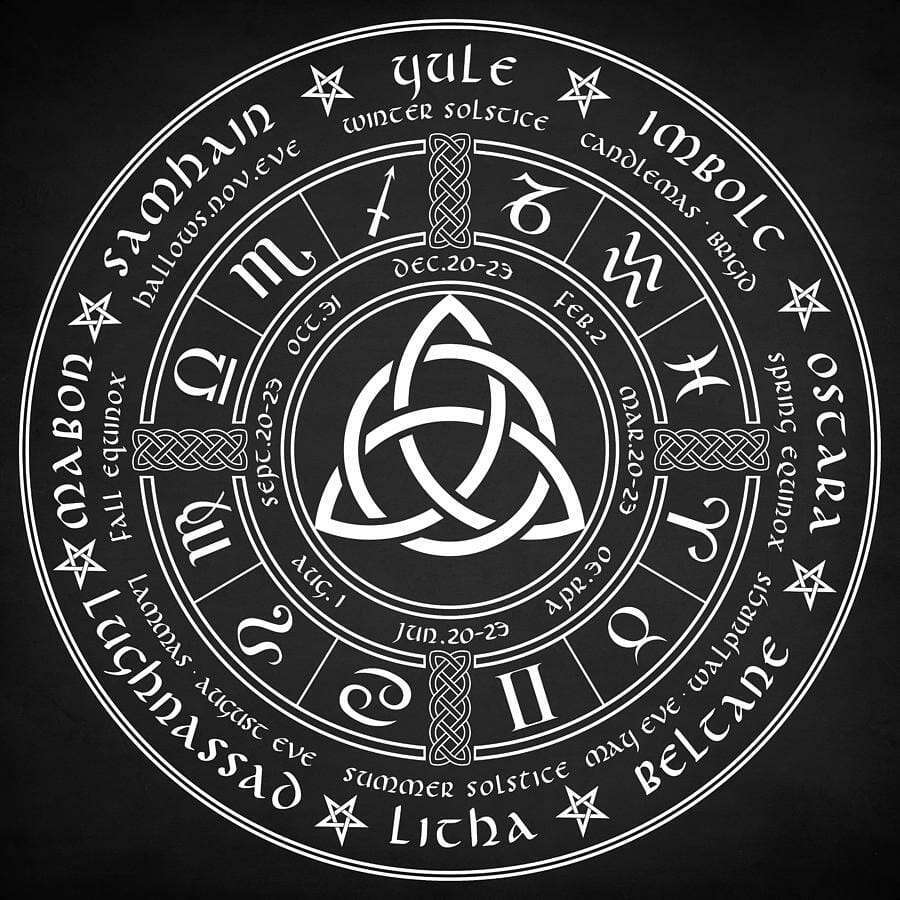
Imbolc, standing shoulder to shoulder with its Gaelic siblings — Beltane, Lughnasadh, and Samhain — forms an integral part of the cyclical dance that mirrors the changing seasons and the eternal ebb and flow of life’s energies. As we delve into the history of Imbolc, we discover a timeless connection between the pastoral rhythms of early Ireland, the ethereal presence of Brigid, and the enduring spirit of a festival that bridges the ancient and the contemporary.

Traditions: Embracing the Flame

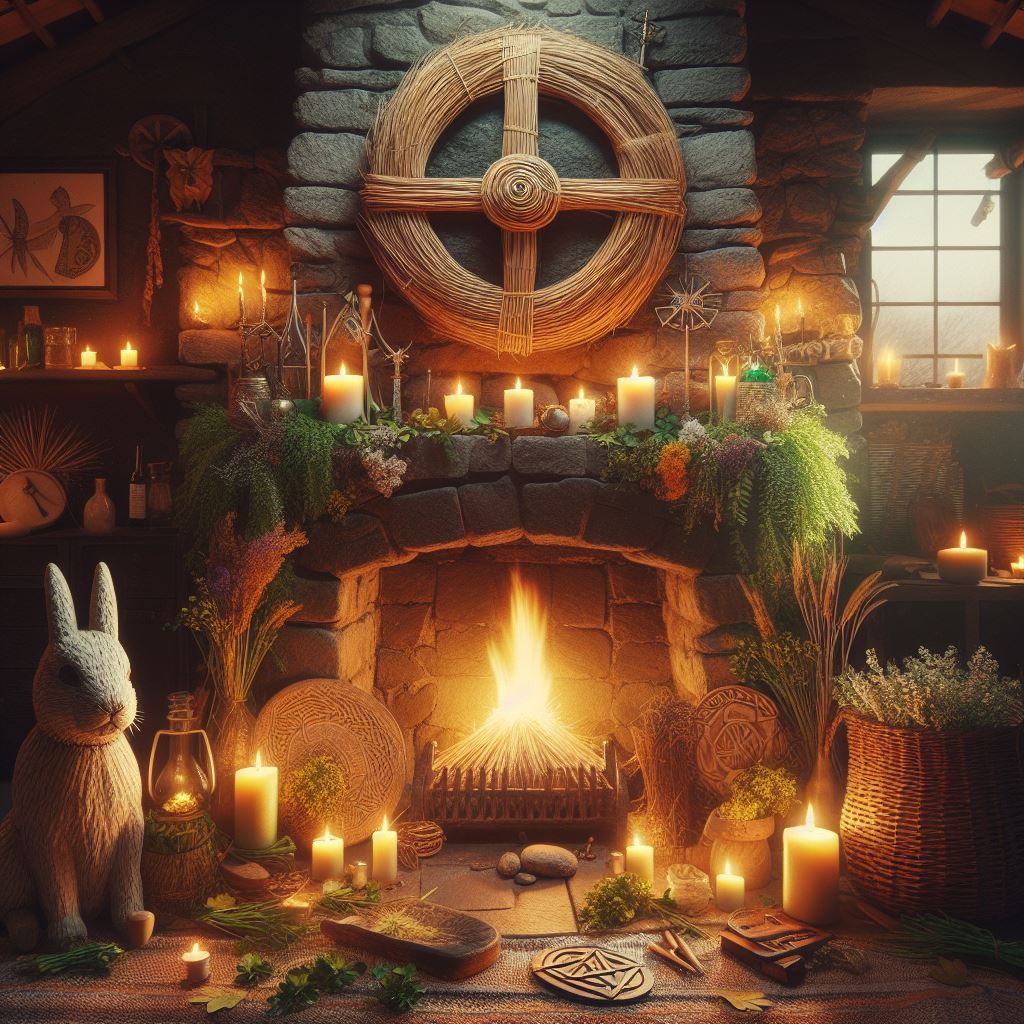
Imbolc, a celebration resonating with the promise of renewal and the stirring of life, unfolds its rich tapestry through time-honored traditions. Each custom is a thread in this vibrant weave, connecting the contemporary practitioner to the ancient roots of the festival. Among the cherished rituals, crafting Brigid’s Cross stands as a testament to artisanal ingenuity, where straw or rushes are intricately woven to create a protective emblem placed above doorways. The luminous spirit of Imbolc finds its reflection in the soft glow of candles illuminating every room, a symbolic homage to the returning warmth of the sun and a tribute to Brigid, the guardian of the sacred flame. The Feast of Milk, a culinary celebration, pays homage to the lactating ewes, anticipating the abundance of spring through dairy-infused dishes. As homes undergo a thorough spring cleaning, Imbolc becomes a moment of purification, sweeping away the vestiges of winter to welcome the invigorating energies of the approaching season. These traditions, resonating through the ages, beckon us to participate in the enduring dance of Imbolc, where each act becomes a brushstroke on the canvas of time.

Brigid’s Cross: Weaving Protection with Straw and Tradition

At the heart of Imbolc’s artisanal heritage lies the age-old craft of weaving Brigid’s Cross. This symbolic creation, meticulously fashioned from straw or rushes, encapsulates the spirit of protection and invokes the benevolent presence of the Celtic goddess Brigid. The process of crafting this cross is steeped in tradition, each step a rhythmic dance with nature’s elements. The straw, representing the harvest and the cycle of life, is deftly intertwined to form a quadrilateral shape with a distinctive woven pattern. Once completed, Brigid’s Cross finds its hallowed place above doorways, where it stands as a guardian against malevolent forces. The cross, often adorned with a central woven circle, not only shields the home but also serves as a talisman, a conduit between the mortal realm and the divine. As we weave Brigid’s Cross in the tapestry of Imbolc, we participate in a timeless act of craftsmanship, connecting our intentions with the enduring legacy of protection and reverence for the goddess Brigid.

Candle Lighting: Illuminating Imbolc’s Radiant Spirit

In the heart of Imbolc’s celebration, the dance of light takes center stage as candles flicker and illuminate the darkness. Synonymous with the festival, this act of candle lighting is a symbolic embrace of the returning sun’s warmth and a homage to Brigid, the revered keeper of the sacred flame. In every room, the soft glow of candlelight dispels the winter shadows, heralding the imminent arrival of spring. Each flame becomes a beacon, a tiny yet powerful representation of hope and renewal. As the flames dance and intertwine, they mirror the intertwining of mortal and divine energies during this sacred time. The act of lighting candles is not merely a practical endeavor; it is a ritual, a gesture of connection with the goddess Brigid, who embodies the transformative power of fire. Imbolc’s candlelit ambiance invites introspection, gratitude, and an acknowledgment of the cyclical nature of life. In the gentle glow, we find solace and celebrate the ever-returning light that heralds the promise of a new season.

Feast of Milk: Nourishing the Spirit of Imbolc

Imbolc, a time of quickening and burgeoning life, finds its culinary celebration in the Feast of Milk. In honor of the lactating ewes heralding the arrival of newborn lambs, tables are adorned with an array of dairy-based dishes that symbolize nourishment and foreshadow the abundance of spring. Milk, cheese, and butter take center stage, transforming into delectable offerings that pay homage to the fertility of the land and the life-giving energy of the goddess Brigid. From creamy soups to luscious desserts, each dish becomes a sacrament, a testament to the cyclical rhythm of nature. The Feast of Milk is not only a culinary delight but a ritual act, connecting participants with the primal forces of fertility and sustenance. As the richness of dairy courses through the feast, it becomes a symbolic communion with the goddess and the promise of revitalization that the approaching spring carries. The act of partaking in these dishes is a recognition of the interconnectedness of all life, a moment to savor the gifts of the season and anticipate the flourishing days to come.

Spring Cleaning: Purifying the Home for Imbolc

As the wheel of the year turns towards the promise of spring, Imbolc invites a transformative ritual known as Spring Cleaning. More than a mundane task, this tradition holds deep symbolic significance, aligning with the essence of Imbolc as a time for purification and renewal. Homes, once cocooned in the dormancy of winter, undergo a thorough cleansing, shedding the accumulated energies of the past months. The act of sweeping away dust, organizing spaces, and allowing fresh air to circulate is a metaphorical gesture of sweeping away stagnation and inviting the vibrant energy of the burgeoning season.

In ancient times, this practice was not only physical but also spiritual. The thorough cleaning of hearths and altars was a sacred act, preparing the space for the imminent return of warmth and growth. Every nook and cranny became a canvas for renewal, mirroring the transformative energies of the natural world. As brooms whisk away the remnants of winter, they also symbolize the sweeping out of old energy, making room for the revitalizing forces that Imbolc promises.

This act of purification extends beyond the physical realm, touching the spiritual and emotional dimensions. It is an opportunity to release what no longer serves, creating a harmonious space for the blossoming energy of spring. As homes are cleansed, so are the hearts and minds of those who partake in this ancient practice. Spring Cleaning becomes a holistic ritual, aligning the inner and outer worlds in preparation for the stirring life-force that will soon manifest in the landscape. In the quiet moments of sweeping and tidying, there is a communion with the natural cycles, a dance with the ever-renewing spirit of the Earth.Top of Form

Blending Old Wisdom with Contemporary Spirituality

In the contemporary tapestry of Pagan and Wiccan practices, the celebration of Imbolc transcends the boundaries of time, seamlessly weaving ancient wisdom with modern spirituality. Imbolc, heralding the subtle shift from winter’s slumber to the awakening of spring, invites practitioners to engage in a symphony of rituals that honor tradition while accommodating the unique nuances of the present day.

Candlelight Illumination

In resonance with the ancient tradition of lighting candles to honor Brigid as the guardian of the sacred flame, modern practitioners embrace the symbolic illumination of their sacred spaces. The soft glow of candles not only pays homage to the returning sun but also becomes a beacon for personal growth and introspection. In the quiet flicker of candlelight, intentions are set, aspirations kindled, and the warmth of Brigid’s nurturing presence is invoked.

Technological Ingenuity

In an age where technology intertwines with spirituality, modern Imbolc practices may extend beyond the traditional. Virtual gatherings, online rituals, and the sharing of intentions through digital platforms become modern conduits for the collective energy of the Imbolc celebration. The interconnectedness facilitated by technology serves as a reminder that spirituality evolves with the times, yet its essence remains deeply rooted in the rhythms of the natural world.

Reflection and Intention Setting

Imbolc’s position as a cross-quarter day prompts modern practitioners to engage in reflective practices. Taking moments of quiet introspection, individuals assess the journey of the past months, acknowledging achievements and areas for growth. Intentions for personal development, creativity, and spiritual evolution are set, aligning with the promise of renewal embedded in the season.

Sustainable Celebrations

In a world increasingly conscious of ecological impact, modern Imbolc celebrations often incorporate sustainable practices. Crafting Brigid’s crosses from eco-friendly materials, utilizing responsibly sourced candles, and incorporating locally sourced items in rituals become expressions of reverence for the Earth. The modern practitioner, much like their ancestors, recognizes the interconnectedness of all things and strives to honor the sanctity of the environment.

Imbolc, in its modern manifestation, becomes a tapestry of diverse practices, each thread contributing to the rich narrative of contemporary spirituality. As old meets new, the essence of Imbolc persists—a celebration of nature’s awakening, personal growth, and the timeless dance with the divine.Top of Form

Conclusion: Embers of Hope

Imbolc, a festival woven into the pastoral rhythms of ancient Ireland, emerges in the present as a luminous celebration of hope and rebirth. As winter’s icy fingers relinquish their hold and the subtle whispers of spring reverberate, Imbolc extends an invitation—an invitation to kindle the flame within, a beacon that heralds the promise of personal and collective growth. Be it through the time-honored rituals of the old or the innovative adaptations of the modern era, Imbolc persists as a revered testament to the eternal cycle of life’s renewal. In the dance between light and shadow, this festival illuminates the path forward, reminding us that even in the darkest moments, the enduring light within guides us toward the perennial dawn of possibility and transformation.

Posted on Leave a comment

The Sabbats

Introduction

A journey around the Wheel of the Year

The Sabbats celebrate the eternal circle of life – birth, death, and rebirth. These seasonal holidays have been followed for many thousands of years by ancient cultures such as Nordic, Celtic, and Greek. The Sabbats are attuned to the natural rhythms and cycles of nature and the passing seasons. Sabbat is a French word taken from the Hebrew Sabbath, meaning “to rest.” The Sabbats take place eight times in the year, they have spiritual significance. Most witches celebrate the Sabbats.­

Current/Upcoming Sabbat

Sabbats in Brief

The Major Sabbats include the four major agricultural festivals, Samhain, Imbolc, Beltane, and Lughnasadh. The minor Sabbats include the solar festivals of the equinoxes and solstices, Yule, Ostara, Litha, and Mabon.

The midpoint of the four seasons is when the major Sabbats occur. The beginning of each season is when the minor Sabbats occur.

Each spring the day, when the hours between sunrise and sunset are exactly equal to the hours between sunset and sunrise, is called “vernal equinox. “There is also a day each fall when the hours of darkness and the hours of daylight are exactly in harmony, this is the “autumnal equinox.”

Halfway between each equinox, there are two points on the earth’s path which mark the Solstices. Daylight hours are at their longest during the Summer Solstice, the hours of darkness are at their shortest. During the Winter Solstice, we have the shortest day and longest night.

All Sabbat ceremonies begin at sundown on the eve of the dates given and continue to sundown. Each Sabbat is spaced at approximately even intervals throughout the year.

By celebrating the festivals, you attune yourself to the cycles of nature creating an inner calm and oneness with all things.

The Wheel of the Year

The Wheel of the Year is of Pagan heritage and is the calendar for the cycle of the seasons. The year is viewed as a wheel that keeps turning, and once it has completed a rotation, the wheel keeps going and turns again and again. Each of the spokes on this wheel represents one of the eight Sabbats.

The Wheel of the Year begins at Samhain, which is better known as Hallowe’en or All Hallows Eve, which is the Celtic New Year, this is when the veil between the worlds of life and death are the finest.

The Four Seasons are known as Solar Festivals because they mark a seasonal change caused by the Sun. The cross-quarter days are marked by Fire Festivals and are usually celebrated as significant agricultural festivals. The Solar Festivals and the Fire Festivals make up the Wheel Of The Year.

Wiccans look at the year as the continuing and repeating story of the life, death, and rebirth of the God and the fertility of the Goddess.

Wheel of the Year Cycle

  • At Yule, which occurs at the time of the winter solstice in December, the Lady gives birth to the Lord and then rests.
  • At Imbolc, in February, the Lord is seen as a young boy, and the Lady recovers from giving birth.
  • Ostara marks the first day of spring and the awakening of the Earth. The Lord is seen as a growing youth at this time.
  • At Beltane, the Lord has grown to manhood and he falls in love with the Lady, the two unite, producing the bounty of Nature. The Lady becomes pregnant by the Lord.
  • The Summer Solstice is the point in midsummer when everything in Nature is at its peak, there is abundance. During this time the Lord and the Lady are at the height of their powers.
  • Lughnasadh is the day in August of the first harvest. The first grains are cut, and the Lord begins to weaken.
  • At Mabon, the second harvest, the Lord is dying. The days grow shorter, and Earth readies for the slumber of winter.
  • At Samhain, in October, the Lord dies only to be reborn of the Lady again at Yule.

All The Sabbats

Posted on Leave a comment

Imbolc

Imbolc
Imbolc

Introduction

Imbolc is the time to sort out any pressing matters, such as making peace with those you’re in conflict with, returning borrowed items, and reconnecting with family and friends. Rituals include those for manifesting desires, casting away destructive or old patterns, opening yourself to positive enlightenment, consecrating tools and agricultural tools, and celebrating the strengthening and renewal of self. This is a potent and powerful time.

The Imbolc Sabbat is the time we celebrate the passing of winter and the return of spring. The rebirth of the Sun is honoured on this day and the renewed fertility of the Earth. Imbolc means “in the belly of the Mother”.

Imbolc, also known as Candlemas, is a time for weather magic and divination, this is evident in the tradition of “Groundhog Day”.

Imbolc Activities

  • Hang a scarf outside on the eve of Imbolg and Brigid will bless it with healing powers.
  • It is traditional upon Imbolc, at sunset or just after ritual, to light every lamp in the house – if only for a few moments. Or, light candles in each room in honour of the Sun’s rebirth.
  • Place a lighted candle in each and every window of the house, beginning at sundown on Candlemas Eve (February 1), allowing them to continue burning until sunrise.
  • Burn the Yule greens to send winter on its way.
  • Hold a candle-making party and then bless all the candles you’ll be using for the whole year.
  • Perform rituals of spiritual cleansing and purification.
  • Burn the Yule greens to send winter on its way.
  • Place three ears of corn on the door as a symbol of the Triple Goddess and leave until Ostara.
  • For a simple Imbolg observance, light a white candle and burn sandalwood.
  • On Imbolg Eve, it is customary to leave food and drink out for Brigid — buttered bread, milk, grains, or seeds. Also, leave buttered bread in a bowl indoors for the fairies who travel with the Lady of the Greenwood. The next day, dispose of it outside as the “essence” has been removed.
  • Let this be the traditional time that you make candles for the coming year, infusing them with colour, power, herbs, and scent depending on the magical purpose.
  • Imbolg is the traditional time to collect stones for new magic circles and general magical use.
  • Weave “Brigit’s crosses” from straw or wheat to hang around the house for protection.
  • Make dream pillows for everyone in the family.
  • Clean and re-consecrate your magical cabinet of supplies and craft tools.
  • Place a candle in each window of your home on Imbolc eve and let it burn until the morning.
  • place food and saucers of fresh water for the birds.
  • Start an herb or seed garden.
  • Have a walk outdoors and search for signs of spring. Collect natural “treasures” such as stones, sticks, feathers, pine cones for use in the rituals, decorations, and crafts throughout the year.
  • Perform a cleansing ritual of the home, use your broom to sweep out all the negative energies, and de-clutter to release new energy..

Deity’s Portfolio

  • Division: Major Sabbat
  • Other Names: Imbolq, Olmeic, Candlemas, Brigits Day, Bride Day, Disting-tid, Feast of Brigid, Festival of Light, Feast of the Virgin, Festival of Milk, Anagantios, Feast Day of St. Blaize.
  • Southern Hemisphere Date: July 31/August 1
  • Northern Hemisphere Date: February 1,2 & 3
  • Associated Holiday: Candlemass
  • Associated Deities: Bridgid, The Maiden, The Spring Goddess, The young Lord
  • Associated Herbs: Angelica, basil, bay leaves, myrrh
  • Associated stones: Amethyst, Quartz crystals, opal, moonstone, aventurine, sunstone, Onyx, and Turquoise.
  • Symbols of Imbolc: Brideo’gas, Besoms, White Flowers, Candle Wheels, Brighid’s Crosses, Priapic Wands (acorn-tipped), and Ploughs.
  • Foods of Imbolc: Pumpkin seeds, Sunflower seeds, Poppyseed Cakes, muffins, scones, and breads, all dairy products, Peppers, Onions, Garlic, Raisins, Spiced Wines and Herbal Teas.
  • Drinks of Imbolc: Milk, Spiced Wines, and Herbal Teas.
  • Incense of Imbolc: Basil, Bay, Wisteria, Cinnamon, Violet, Vanilla, Myrrh.
  • Ritual Oils: Jasmine, Apricot, Carnation, Sweet Pea, Neroli, Olive
  • Colors of Imbolc: White, Pink, Red, Yellow, Green, Brown.
  • Taboos: None
  • Plants: Willow, Rosemary, Clover, Dill, Evergreen.
  • Element: Earth
  • Activities: Candle lighting, Searching for Signs of Spring, Gathering Stones
  • Animals: Wolf, Snake, Swan, Vulture, Robin, Burrowing Animals, Sheep, Lamb, and Deer
  • Mythical Creatures: Firebird, Dragon, Berometz
  • Celebration of: The God is a young child growing in size and strength.

Imbolc Resources

Deeper Knowledge

Recipes