Posted on Leave a comment

Recipe: Cranberry Pecan Wild Rice

Making Cranberry Pecan Wild Rice

Introduction

Father’s Night Culinary Harmony

Elevate your Father’s Night Feast on December 22nd with a tantalizing Cranberry Pecan Wild Rice side dish, perfectly harmonizing with the Roasted Apple Glazed Pork and Herbed Root Vegetable Medley. This recipe not only adds a burst of flavors and textures but also weaves in the magical properties of Yuletide. In this article, we’ll explore the ingredients and steps to create this delightful dish, understand the magical properties associated with Yuletide, and craft a spell to infuse your feast with intention.

Yuletide Abundance Spell

Before enjoying the feast, gather your loved ones and light a gold or green candle to symbolize the abundance and vitality of Yuletide. As you savor each bite, visualize the magical properties of the ingredients infusing the Cranberry Pecan Wild Rice. Recite a spell such as:

“In this bowl of Yuletide fare,

Cranberry Pecan Wild Rice rare.

Abundance, joy, and grounding too,

In every bite, the season imbue.”

May this Cranberry Pecan Wild Rice add a magical touch to your Father’s Night Feast, bringing abundance, joy, and grounding energies to your celebration. Blessed Yuletide!

Magical Properties

Together, these magical properties infuse the Cranberry Pecan Wild Rice with intention, protection, balance, and the abundant energies of Yuletide. Each ingredient becomes a sacred contributor, ensuring that the side dish not only complements the entire Father’s Night Feast but also resonates with the magical essence of Yuletide celebrations.

Wild Rice: Symbolizes Adaptability and Connection to Nature

Wild rice, a grain native to North America, symbolizes adaptability and a deep connection to nature. As the grain sways with the wind, it embodies the fluidity of Yuletide energies. Consuming wild rice during the celebration enhances one’s ability to adapt to the changing seasons and aligns with the ever-evolving aspects of the festive period.

Dried Cranberries: Signify Abundance and Joy

Dried cranberries, with their rich red color, symbolize abundance and joy. Each berry encapsulates the celebratory spirit of the season, infusing the dish with the vibrant energy of Yuletide festivities. As they burst with flavor, they invite a sense of fullness and prosperity into the feast, creating a harmonious and joyous atmosphere.

Pecans: Grounding and Prosperity

Pecans, the embodiment of grounding energies, bring a sense of earthy richness to the dish. As a symbol of prosperity, pecans add a layer of abundance to the Cranberry Pecan Wild Rice. Their grounding properties connect the feast to the stability of the earth, fostering a sense of security and prosperity during Yuletide celebrations.

Fresh Parsley: Provides Protection and Clarity

Fresh parsley, an evergreen herb, not only provides protection but also invokes clarity of thought. Its vibrant green leaves act as a protective shield, safeguarding the intentions within the dish. Parsley’s essence aligns with the evergreen’s enduring nature, ensuring that the Cranberry Pecan Wild Rice becomes a space of clear intentions and protective energies.

Orange Zest: Adds Vitality and Transformation

Orange zest, derived from the vibrant citrus fruit, adds vitality and transformation to the dish. Its zesty aroma and flavor reflect the dynamic and evolving energies of Yuletide. As a symbol of the sun’s energy, orange zest brings a burst of life to the feast, inviting transformative and revitalizing energies to the celebration.

Salt and Black Pepper: Bring Balance

Salt and black pepper, the elemental duo, work harmoniously to bring balance to the flavors and energies within the Cranberry Pecan Wild Rice. Salt, with its grounding nature, ensures stability, while black pepper adds a touch of fiery energy. Together, they create a well-rounded culinary experience, mirroring the equilibrium sought during Yuletide celebrations.

Olive Oil: Offers Protection

Olive oil, a sacred and protective liquid, offers a shield around the ingredients, infusing them with defensive energies. As it coats each element of the dish, olive oil creates a protective barrier, ensuring that the Cranberry Pecan Wild Rice becomes a sanctuary of positive and guarded energies, aligning with the protective aspects of Yuletide.

Cranberry Pecan Wild Rice
Father’s Night Culinary Harmony – Elevate your Father’s Night Feast on December 22nd with a tantalizing Cranberry Pecan Wild Rice side dish, perfectly harmonizing with the Roasted Apple Glazed Pork and Herbed Root Vegetable Medley. This recipe not only adds a burst of flavors and textures but also weaves in the magical properties of Yuletide.

  • 1 cup wild rice (rinsed)
  • 2 1/2 cups vegetable or chicken broth
  • 1/2 cup dried cranberries (for abundance and joy)
  • 1/2 cup pecans (chopped (for grounding and prosperity))
  • 2 tablespoons fresh parsley (chopped (for protection and clarity))
  • 1 tablespoon orange zest (for vitality and transformation)
  • Salt and black pepper to taste (for balance)
  • 2 tablespoons olive oil
  1. In a medium saucepan, combine the wild rice and broth. Bring to a boil, then reduce heat, cover, and simmer for 40-45 minutes or until the rice is tender and has absorbed the liquid.
  2. Fluff the cooked wild rice with a fork and transfer it to a large mixing bowl.
  3. In a small pan, heat olive oil over medium heat. Add chopped pecans and toast them for 2-3 minutes until fragrant. Remove from heat.
  4. Add dried cranberries, toasted pecans, fresh parsley, and orange zest to the bowl with wild rice. Toss gently to combine.
  5. Season with salt and black pepper to taste.
  6. Serve the Cranberry Pecan Wild Rice alongside the Roasted Apple Glazed Pork and Herbed Root Vegetable Medley.
Side Dish
Winter, Yule
Recipe
Posted on Leave a comment

Recipe: Roasted Apple Glazed Pork

Making Glazed Pork
Making Glazed Pork

Introduction

Father’s Night Swine Feast

On the third day of Yuletide, as Father’s Night unfolds on December 22nd, revel in a festive Swine Feast with a mouthwatering Roasted Apple Glazed Pork. This delectable recipe not only honors the spirit of celebration but also channels the magical energies of Yuletide. In this article, we’ll embark on a culinary journey, exploring the ingredients and steps to create this savory masterpiece, understanding the magical properties associated with Yuletide, and crafting a spell to infuse your feast with intention.

Yuletide Celebration Spell

Before indulging in the Swine Feast, gather your loved ones and light a gold or green candle to symbolize the abundance and vitality of Yuletide. As you savor each bite, visualize the magical properties of the ingredients infusing the feast. Recite a spell such as:

“On Father’s Night, in Yuletide’s embrace,

Roasted pork and apples, a feast to grace.

Strength and wisdom, protection near,

Abundance and joy, in each flavor clear.”

May this Roasted Apple Glazed Pork be a delicious embodiment of Yuletide magic, bringing strength, joy, and transformation to your Father’s Night celebration. Blessed Yuletide!

Poem – A Father’s Night Feast

On this Father’s Night, we honor you With a feast of roasted pork and apple A dish that symbolizes strength and joy And the magic of the season

You taught us how to carve and cook With skill and patience and love You showed us how to savor every bite And share our gratitude above

You are our father, our friend, our guide Our protector, our supporter, our pride You are the light that shines in our lives And the warmth that fills our hearts by your side

We thank you for everything you do For your wisdom, your courage, your grace We wish you a happy Father’s Day And a peaceful night filled with love

Magical Properties

Together, these magical properties create a Swine Feast that extends beyond the realm of flavors, infusing the Roasted Apple Glazed Pork with intention, protection, balance, and the abundant energies of Yuletide. Each ingredient becomes a sacred contributor, ensuring that the feast not only delights the senses but also resonates with the magical essence of Father’s Night.

Pork Loin Roast: Symbolizes Strength and Sustenance

The Pork Loin Roast, a centerpiece of the Swine Feast, embodies magical properties of strength and sustenance. As a hearty and substantial meat, it channels energies associated with fortitude and resilience, making it a symbol of nourishment for the body and spirit during the Yuletide celebration.

Olive Oil: Offers Protection

Olive oil, derived from the sacred olive tree, carries protective energies. As it coats the pork and infuses the dish with its essence, it forms a shield against negative influences. Olive oil is revered for its ability to create a barrier of protection, ensuring that the feast is not only delicious but also safeguarded from any unwanted energies.

Salt and Black Pepper: Bring Balance

Salt and black pepper, the timeless duo, serve as agents of balance in the Swine Feast. Salt, with its grounding properties, ensures stability, while black pepper adds a touch of fiery energy. Together, they harmonize the flavors and energies within the dish, creating a balanced culinary experience that resonates with the equilibrium sought during Yuletide.

Dried Sage: Represents Wisdom

Dried sage, an herb associated with wisdom and clarity, imparts its magical essence to the Roasted Apple Glazed Pork. As it infuses the dish with its aromatic flavor, it invites energies of discernment and insight, aligning the feast with the introspective qualities of the Yuletide season.

Dried Thyme: Symbolizes Strength

Dried thyme, with its robust and earthy profile, symbolizes strength and resilience. It infuses the pork with qualities of fortitude, aligning the feast with the enduring spirit of Yuletide. Thyme’s magical properties encourage inner strength and the ability to face challenges with courage.

Garlic Powder: Provides Protection

Garlic powder, known for its protective qualities, adds a layer of defense to the Swine Feast. Its pungent aroma and taste are believed to ward off negative energies, creating a protective aura around the dish. Garlic powder ensures that the feast is not only flavorful but also guarded against any metaphysical intrusions.

Apples: Signify Abundance and Joy

Apples, a symbol of abundance and joy, play a pivotal role in the Roasted Apple Glazed Pork. Their presence invokes energies of prosperity and happiness, aligning the feast with the festive spirit of Yuletide. Apples bring a sweet and joyful essence to the dish, symbolizing the bountiful blessings of the season.

Apple Cider: Symbolizes Vitality and Abundance

Apple cider, a liquid embodiment of the apple’s essence, symbolizes vitality and abundance. Its magical properties infuse the feast with energies of life force and plenty, aligning the Swine Feast with the vibrant and flourishing aspects of Yuletide.

Maple Syrup: Represents Sweetness and Unity

Maple syrup, with its rich sweetness, represents the unity of shared moments and joy. Its magical properties intertwine with the dish, fostering a sense of togetherness and sweetness within the celebration. Maple syrup becomes a symbolic thread, weaving unity into the Swine Feast.

Dijon Mustard: Signifies Strength and Protection

Dijon mustard, with its bold and assertive flavor, signifies strength and protection. As it marries with the other ingredients, it becomes a catalyst for invoking robust energies, enhancing the dish with qualities of resilience, and safeguarding those who partake in the feast.

Apple Cider Vinegar: Brings Clarity and Transformation

Apple cider vinegar, a fermented elixir, brings clarity and transformation to the Swine Feast. Its tangy profile cleanses and refreshes the palate, symbolizing clarity of thought and the transformative nature of Yuletide. Apple cider vinegar is a magical conduit for inviting positive changes and renewed perspectives during the celebration.

Roasted Apple Glazed Pork

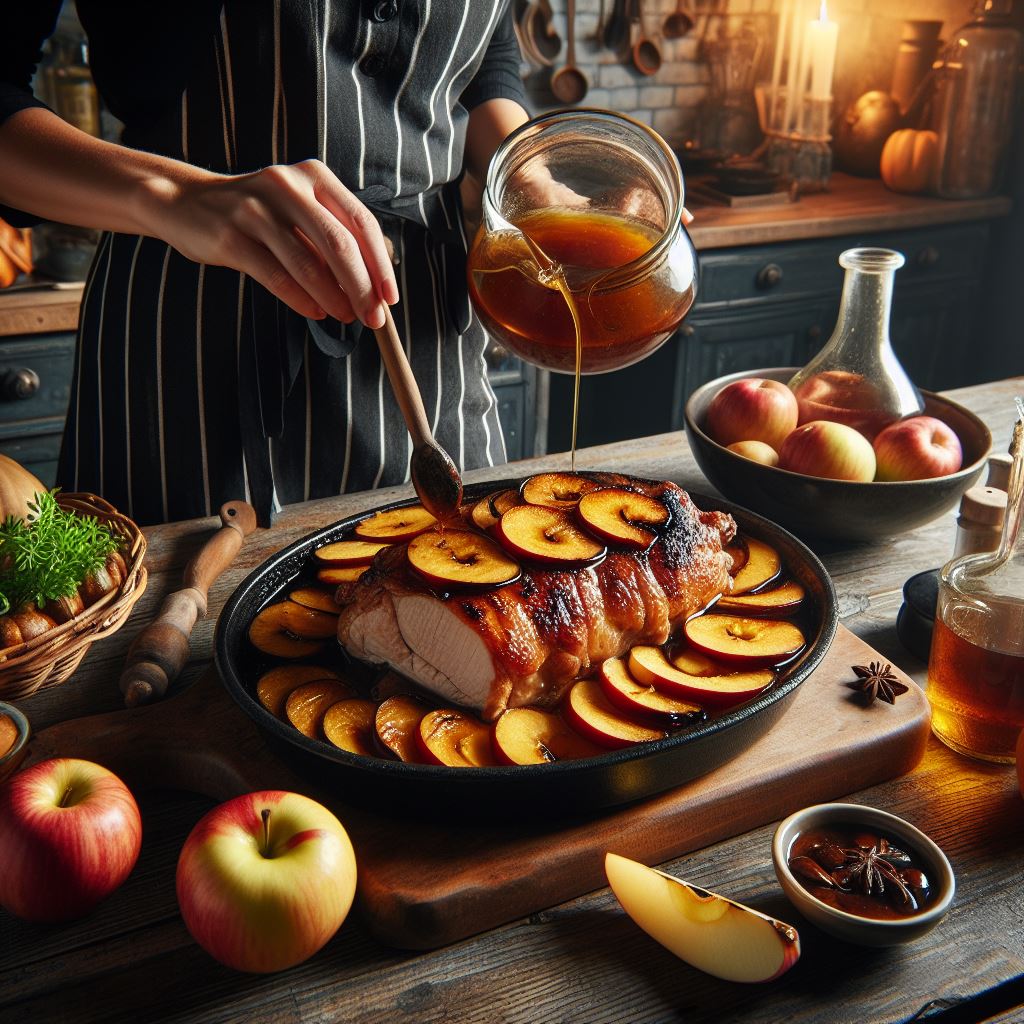
On the third day of Yuletide, as Father’s Night unfolds on December 22nd, revel in a festive Swine Feast with a mouthwatering Roasted Apple Glazed Pork. This delectable recipe not only honors the spirit of celebration but also channels the magical energies of Yuletide. In this article, we’ll embark on a culinary journey, exploring the ingredients and steps to create this savory masterpiece, understanding the magical properties associated with Yuletide, and crafting a spell to infuse your feast with intention.

For the Roasted Apple Glazed Pork:

  • 4-5 pounds pork loin roast (for strength and sustenance)
  • 2 tablespoons olive oil (for protection)
  • Salt and black pepper to taste (for balance)
  • 2 teaspoons dried sage (for wisdom)
  • 1 teaspoon dried thyme (for strength)
  • 1 teaspoon garlic powder (for protection)
  • 4-5 apples (cored and sliced (for abundance and joy))

For the Glaze:

  • 1 cup apple cider (for vitality and abundance)
  • 1/2 cup maple syrup (for sweetness and unity)
  • 1 tablespoon Dijon mustard (for strength and protection)
  • 1 tablespoon apple cider vinegar (for clarity and transformation)

Roasted Apple Glazed Pork:

  1. Preheat your oven to 375°F (190°C).
  2. Pat the pork loin roast dry and season it with salt, black pepper, dried sage, dried thyme, and garlic powder.
  3. Heat olive oil in an oven-safe skillet over medium-high heat.
  4. Sear the pork on all sides until golden brown.
  5. Arrange the sliced apples around the pork in the skillet.
  6. Transfer the skillet to the preheated oven and roast for about 25-30 minutes or until the internal temperature reaches 145°F (63°C).

Glaze:

  1. In a saucepan, combine apple cider, maple syrup, Dijon mustard, and apple cider vinegar.
  2. Bring the mixture to a simmer over medium heat, stirring occasionally.
  3. Allow the glaze to simmer until it thickens slightly, about 10-15 minutes.
  4. Assembling the Feast:
  5. Brush the roasted pork with the apple glaze during the last 10 minutes of cooking.
  6. Once cooked, let the pork rest for a few minutes before slicing.
  7. Serve the succulent Roasted Apple Glazed Pork slices with the caramelized apples and drizzle with additional glaze.
Main Course
Winter, Yule
Recipe
Posted on Leave a comment

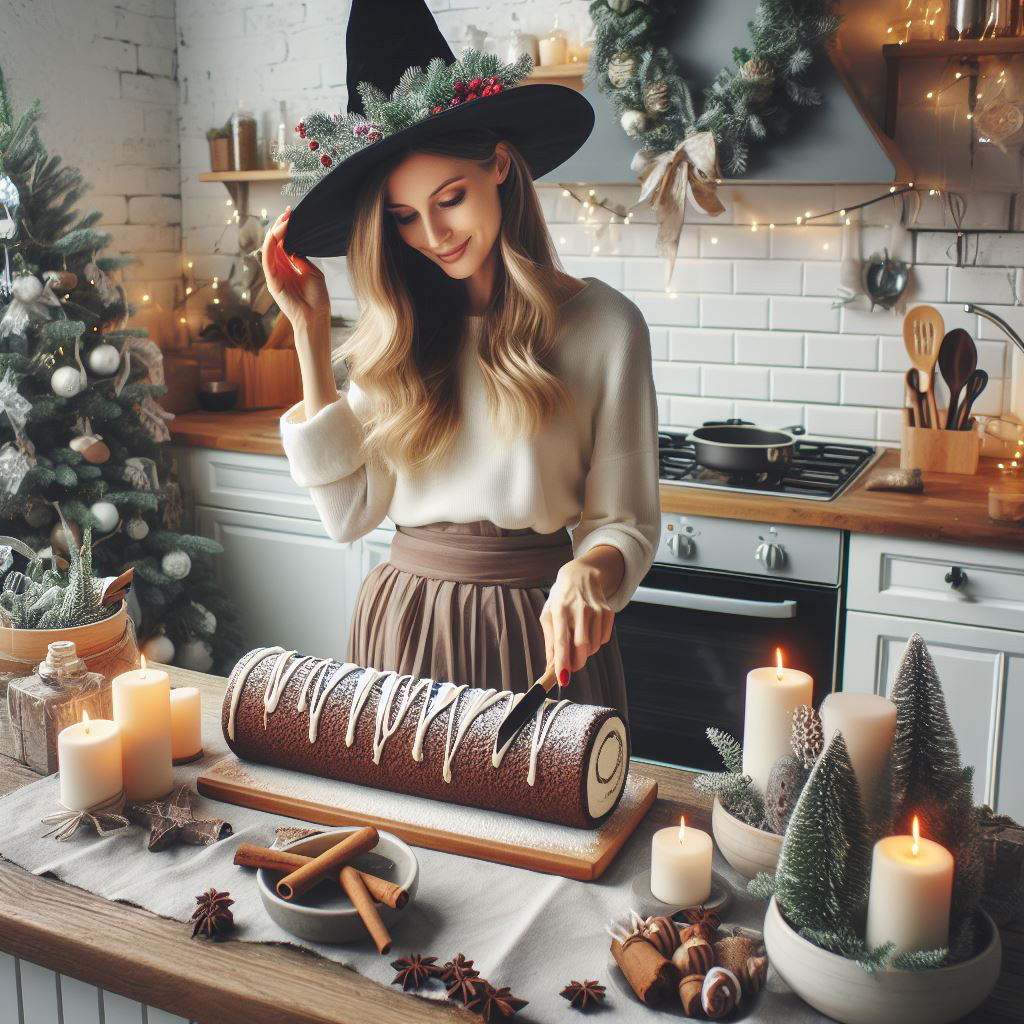
Recipe: Enchanting Yule Log Cake

Making the Yule Log
Making the Yule Log

Introduction

Winter Solstice Celebration

As the Winter Solstice graces us on December 21st, the second day of Yuletide, let the festive spirit abound with an enchanting Yule Log Cake. This delightful dessert not only tantalizes the taste buds but also serves as a magical centerpiece for your Winter Solstice celebrations. In this article, we’ll explore a recipe that captures the essence of the season, delve into the magical properties associated with the Winter Solstice, and craft a spell to infuse your Yule Log Cake with intention.

Winter Solstice Blessing

Before serving the Yule Log Cake, gather your loved ones and light a white or silver candle to symbolize the purity of the Winter Solstice. As you cut into the cake, visualize the transformative energies of the season infusing each slice. Recite a blessing such as:

“On this Solstice night, with hearth and cheer,

The Yule Log Cake, enchanting and dear.

Fertility, unity, and comfort divine,

In each sweet bite, let the magic shine.”

May your Winter Solstice celebration be filled with joy, transformation, and the sweet enchantment of the Yule Log Cake. Blessed Winter Solstice!

Magical Properties

In the alchemy of the Yule Log Cake, each ingredient serves as a conduit for the enchantment of the Winter Solstice. The eggs, with their fertile essence, whisper promises of renewal, while sugar sweetens the tapestry of unity that threads through the celebration. Vanilla extract, a subtle but powerful enchantment, encourages a collective embrace of harmony. Cocoa powder, the agent of transformation, weaves its magic, guiding souls toward positive change. Baking powder, symbolizing rising energy, propels the cake skyward, mirroring the anticipation of brighter days. Salt, the harmonizing element, ensures a grounded and centered celebration. Milk, the symbol of nurturing, cradles the senses in the warmth of divine care. Dark chocolate, a dance of transformation and comfort, indulges the spirit. Heavy cream, with its velvety touch, wraps each bite in the embrace of comfort and solace. Butter, the embodiment of comfort, creates a protective space within the Yule Log Cake. Together, these magical properties converge, crafting a dessert that not only delights the palate but resonates with the energies of the Winter Solstice celebration, inviting transformation, unity, and comfort into the festive moment.

Eggs: Represent Fertility and Renewal

Eggs, the life-giving symbol of fertility, embody the potential for new beginnings and the renewal of life’s cycles. In the magical context, they are revered for their connection to growth, transformation, and the promise of abundance. As they harmonize with the other ingredients, eggs infuse the Yule Log Cake with the essence of fertile energy, invoking a sense of renewal and vitality.

Sugar: Symbolizes Sweetness and Unity

Sugar, with its sweet and harmonious nature, symbolizes the unity that comes from shared moments of joy and celebration. Its magical properties are linked to the attraction of positive energies and the enhancement of connections between individuals. As sugar sweetens the Yule Log Cake, it becomes a potent ingredient for fostering unity and creating a sense of shared delight.

Vanilla Extract: Promotes Unity

Vanilla, extracted from the vanilla bean, is a magical ally that promotes unity and togetherness. Its warm, comforting aroma and sweet flavor invoke a sense of harmony, making it an ideal addition to rituals focused on bonding and shared experiences. In the Yule Log Cake, vanilla extract serves as a subtle but powerful enchantment, encouraging a collective celebration of the Winter Solstice.

Cocoa Powder: Signifies Transformation

Cocoa powder, derived from the cacao bean, carries magical properties associated with transformation. As it is incorporated into the Yule Log Cake, it becomes a conduit for invoking change, inner growth, and a shift in energies. The deep, rich flavor of cocoa powder symbolizes the transformative nature of the Winter Solstice, guiding those who partake in the cake toward positive changes and renewed perspectives.

Baking Powder: Represents Rising Energy

Baking powder, a leavening agent, symbolizes the rising energy that accompanies the Winter Solstice. Just as it lifts the cake, this ingredient represents the elevation of spirits, aspirations, and the energy that propels individuals toward higher states of being. It aligns the Yule Log Cake with the upward momentum of positive change and the anticipation of brighter days ahead.

Salt: Brings Balance

Salt, a fundamental element in balancing flavors, serves as a magical symbol for equilibrium. Its inclusion in the Yule Log Cake harmonizes the diverse tastes, textures, and energies within the dessert. In magical workings, salt is revered for its ability to neutralize negativity and create a balanced environment, ensuring that the celebration remains grounded and centered.

Milk: Symbolizes Nurturing

Milk, a universal symbol of nurturing sustenance, infuses the Yule Log Cake with qualities associated with care and comfort. In magical practices, milk embodies the nourishing aspect of the divine feminine, offering a source of comfort and sustenance. Its inclusion in the recipe adds a layer of nurturing energy, ensuring that those who partake in the cake feel embraced by the warmth of nurturing forces.

Dark Chocolate: Represents Transformation and Comfort

Dark chocolate, with its intense and complex flavors, symbolizes both transformation and comfort. As a representation of the cacao bean’s journey from seed to delicacy, dark chocolate embodies the transformative nature of the Winter Solstice. Simultaneously, its indulgent and soothing qualities offer comfort, creating a delightful balance of energies within the Yule Log Cake.

Heavy Cream: Provides Comfort and Nurturing

Heavy cream, rich and velvety, brings forth qualities of comfort and nurturing. In magical practices, it symbolizes the gentle embrace of supportive energies, like a comforting blanket during the winter season. As it intertwines with other ingredients, heavy cream contributes to the overall sensation of warmth and indulgence, making the Yule Log Cake a magical conduit for comfort and solace.

Butter: Adds Comfort

Butter, a staple in baking, adds a luxurious layer of comfort to the Yule Log Cake. Its creamy texture and rich flavor contribute to the overall sense of indulgence and well-being. In magical workings, butter symbolizes the embodiment of comfort and the creation of a protective, nurturing space. Its presence in the recipe ensures that each bite is a comforting and magical experience, resonating with the energies of the Winter Solstice celebration.

Recipe: Enchanting Yule Log Cake

Winter Solstice Celebration As the Winter Solstice graces us on December 21st, the second day of Yuletide, let the festive spirit abound with an enchanting Yule Log Cake. This delightful dessert not only tantalizes the taste buds but also serves as a magical centerpiece for your Winter Solstice celebrations.

For the Yule Log Cake:

  • 4 large eggs (for fertility and renewal)
  • 3/4 cup granulated sugar (for sweetness and unity)
  • 1 teaspoon vanilla extract (for unity)
  • 1/2 cup all-purpose flour (for grounding)
  • 1/4 cup cocoa powder (for transformation)
  • 1 teaspoon baking powder (for rising energy)
  • 1/4 teaspoon salt (for balance)
  • 1/2 cup milk (for nurturing)
  • Powdered sugar (for snow-like dusting)

For the Chocolate Ganache:

  • 8 ounces dark chocolate (finely chopped (for transformation))
  • 1 cup heavy cream (for comfort)
  • 2 tablespoons unsalted butter (for comfort)

Yule Log Cake:

  1. Preheat your oven to 375°F (190°C) and line a jelly roll pan with parchment paper.
  2. In a large bowl, beat the eggs and granulated sugar until light and fluffy. Add the vanilla extract and continue to beat.
  3. In a separate bowl, sift together the flour, cocoa powder, baking powder, and salt.
  4. Gradually fold the dry ingredients into the egg mixture, alternating with the milk.
  5. Pour the batter into the prepared pan and spread it evenly.
  6. Bake for 12-15 minutes or until the cake springs back when touched.
  7. While the cake is still warm, carefully roll it from the short end with the parchment paper inside. Allow it to cool completely.

Chocolate Ganache:

  1. In a heatproof bowl, place the finely chopped dark chocolate.
  2. In a saucepan, heat the heavy cream until it just begins to simmer.
  3. Pour the hot cream over the chocolate and let it sit for a minute. Stir until smooth.
  4. Add the unsalted butter and stir until fully incorporated.
  5. Let the ganache cool to a spreadable consistency.

Assembling the Yule Log Cake:

  1. Unroll the cooled cake and spread a layer of chocolate ganache.
  2. Gently roll the cake back up without the parchment paper.
  3. Cut a small diagonal slice from one end of the roll and attach it to the side of the log with some ganache, creating a branch.
  4. Cover the entire log with the remaining chocolate ganache, creating a bark-like texture.
  5. Use a fork to create lines resembling tree bark on the surface.
  6. Dust the Yule Log Cake with powdered sugar for a snowy effect.
Dessert
Yule
Recipe
Posted on Leave a comment

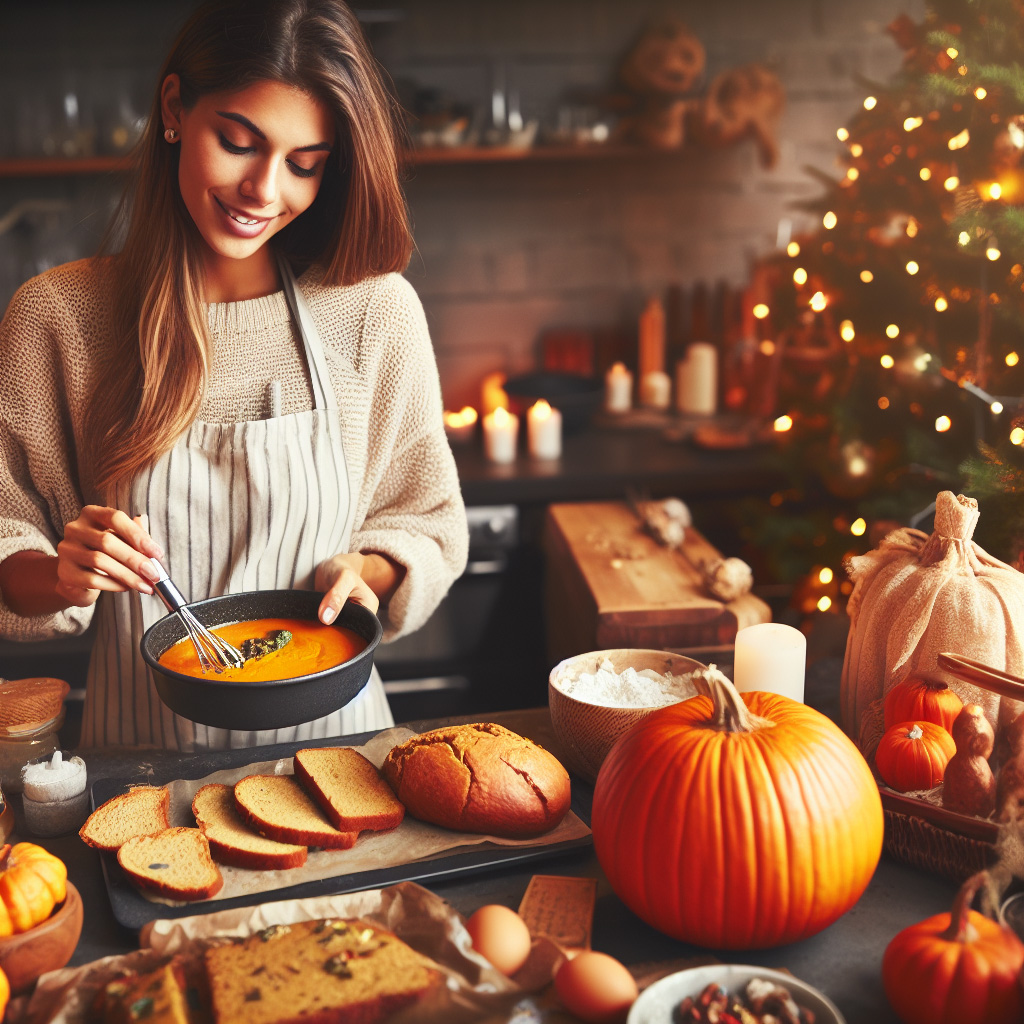
Recipe: Pumpkin Bread Pudding

Making Pumpkin Bread Pudding

Introduction

Mother’s Night Celebration

On the eve of Yuletide, as Mother’s Night graces us with its presence on December 20th, it’s time to celebrate and honor the respected and beloved feminine figures in our lives. In this article, we’ll explore a heartwarming recipe for Nurturing Pumpkin Bread Pudding. This dish pays homage to the traditions of Mother’s Night, weaving together flavors and ingredients cherished by the women we hold dear.

Mother’s Night, the sacred eve marking the commencement of Yuletide, calls for a culinary celebration that transcends mere sustenance. The food crafted and consumed on this enchanted evening becomes a symphony of flavors woven with deep sentiments. It is a culinary ode, resonating with the essence of the revered feminine figures who have shaped our lives. Each dish is a testament to the cherished memories, traditions, and the indomitable spirit of the women we hold dear. From recipes passed down through generations to dishes that reflect the tastes and preferences of those beloved feminine souls, the food on Mother’s Night is a manifestation of gratitude and love. As the aroma wafts through the air and each bite carries the energy of appreciation, the dining table becomes a sacred space, a conduit for honoring the strength, wisdom, and nurturing essence of the feminine presence in our lives. In every culinary creation, we find a piece of the heart, a gesture of love and acknowledgment for the feminine magic that has woven the fabric of our existence.

Mother’s Night Blessing Spell

Before serving the Nurturing Pumpkin Bread Pudding, take a moment to honor the respected and beloved feminine figures in your life. Light a white or pink candle to symbolize the purity and love surrounding Mother’s Night. As you savor each bite, visualize the warmth and nurturing qualities of the dish enveloping you and your loved ones. Recite a blessing such as:

“On Mother’s Night, we gather near,

With pumpkin’s abundance and love sincere.

Eggs of renewal, spices so grand,

A taste of comfort, a touch of the hand.”

May this Nurturing Pumpkin Bread Pudding be a manifestation of love, abundance, and comfort on Mother’s Night, bringing joy and unity to your Yuletide celebration. Blessed Mother’s Night!

Magical Properties

Each ingredient in the Nurturing Pumpkin Bread Pudding contributes not only to the delightful flavors of the dish but also to the magical tapestry woven into its essence. Together, these elements harmonize to create a culinary spell that embodies abundance, protection, renewal, and comfort, making it a perfect offering for celebrations like Mother’s Night during the Yuletide season.

  • Pumpkin: Symbolizes Abundance and Nurturing
    Pumpkin, with its vibrant color and rich flavor, is a symbol of abundance and nourishment. It draws upon the earth’s energy to bring forth a sense of plenty, providing both physical and emotional sustenance. In magical practices, pumpkin embodies the generosity of the earth, fostering feelings of abundance and nurturing care.
  • Eggs: Represent Fertility and Renewal
    Eggs are potent symbols of fertility and renewal, representing the potential for new beginnings and the cycle of life. In magical contexts, eggs are often used to invoke energies related to growth, creativity, and the blossoming of possibilities. Their association with fertility ties them to the Earth’s life force, making them powerful tools for rituals centered on rebirth and renewal.
  • Cinnamon: Signifies Abundance and Warmth
    Cinnamon, with its warm and inviting aroma, carries magical properties that signify abundance and warmth. This spice is often linked to prosperity and success, attracting positive energies that promote a sense of plenty. In addition, its comforting scent invokes a cozy atmosphere, making it an excellent addition to rituals focused on creating a welcoming and abundant environment.
  • Nutmeg: Offers Grounding and Comfort
    Nutmeg, derived from the seed of a tropical evergreen tree, provides grounding energies that connect practitioners with the stabilizing forces of the earth. Its inclusion in magical recipes brings about a sense of comfort and security, making it a valuable ally in practices related to stability, grounding, and the pursuit of inner peace.
  • Cloves: Provide Protection
    Cloves, known for their potent and protective qualities, serve as a shield against negative energies. Historically used in various cultures to ward off harm, cloves are associated with safeguarding and protecting. When integrated into magical recipes, cloves act as guardians, creating a protective barrier that promotes safety and well-being.
  • Vanilla: Promotes Unity and Comfort
    Vanilla, with its sweet and soothing aroma, is a magical ingredient that promotes unity and comfort. Its essence has the power to bring people together, fostering feelings of harmony and togetherness. In magical workings, vanilla is utilized to enhance the bonds between individuals, promoting unity, and creating an atmosphere of love and understanding.
  • Raisins or Nuts: Symbolize Abundance and Grounding
    Raisins and nuts, with their connection to trees and the earth, symbolize abundance and grounding energies. The act of growing on trees, roots them in the earth’s nourishing embrace, signifying stability and prosperity. When incorporated into magical recipes, raisins and nuts amplify the sense of abundance, providing a grounded and fruitful foundation for magical workings.

Pumpkin Bread Pudding

On the eve of Yuletide, as Mother's Night graces us with its presence on December 20th, it's time to celebrate and honor the respected and beloved feminine figures in our lives. In this article, we'll explore a heartwarming recipe for Nurturing Pumpkin Bread Pudding. This dish pays homage to the traditions of Mother's Night, weaving together flavors and ingredients cherished by the women we hold dear.

For the Pumpkin Bread Pudding:

  • 8 cups day-old bread (cubed (use a bread that holds sentimental value))
  • 1 can (15 oz pumpkin puree (for abundance and nurturing))
  • 4 large eggs (for fertility and renewal)
  • 1 cup granulated sugar (for sweetness and unity)
  • 2 cups whole milk (for nurturing)
  • 1 cup heavy cream (for comfort)
  • 1 teaspoon vanilla extract (for unity)
  • 1 teaspoon ground cinnamon (for abundance)
  • 1/2 teaspoon ground nutmeg (for grounding)
  • 1/4 teaspoon ground cloves (for protection)
  • 1/2 cup raisins or chopped nuts (optional, for abundance and grounding)

For the Vanilla Sauce:

  • 1/2 cup unsalted butter (for comfort)
  • 1 cup granulated sugar (for sweetness and unity)
  • 1/2 cup heavy cream (for comfort)
  • 1 teaspoon vanilla extract (for unity)

Pumpkin Bread Pudding:

  1. Preheat your oven to 350°F (175°C) and grease a baking dish.
  2. In a large mixing bowl, combine the cubed bread and pumpkin puree.
  3. In a separate bowl, whisk together the eggs, sugar, milk, heavy cream, vanilla extract, cinnamon, nutmeg, and cloves.
  4. Pour the egg mixture over the bread and pumpkin, ensuring everything is well-coated. Add raisins or nuts if desired.
  5. Allow the mixture to soak for about 15 minutes, ensuring the bread absorbs the liquid.
  6. Transfer the mixture to the prepared baking dish and bake for 40-45 minutes or until set and golden.

Vanilla Sauce:

  1. In a saucepan over medium heat, melt the butter.
  2. Stir in the sugar and heavy cream, whisking continuously until the sugar is dissolved.
  3. Remove the saucepan from heat and stir in the vanilla extract.
  4. Serve the warm Pumpkin Bread Pudding with a drizzle of vanilla sauce.
Dessert
Yule
Recipe
Posted on Leave a comment

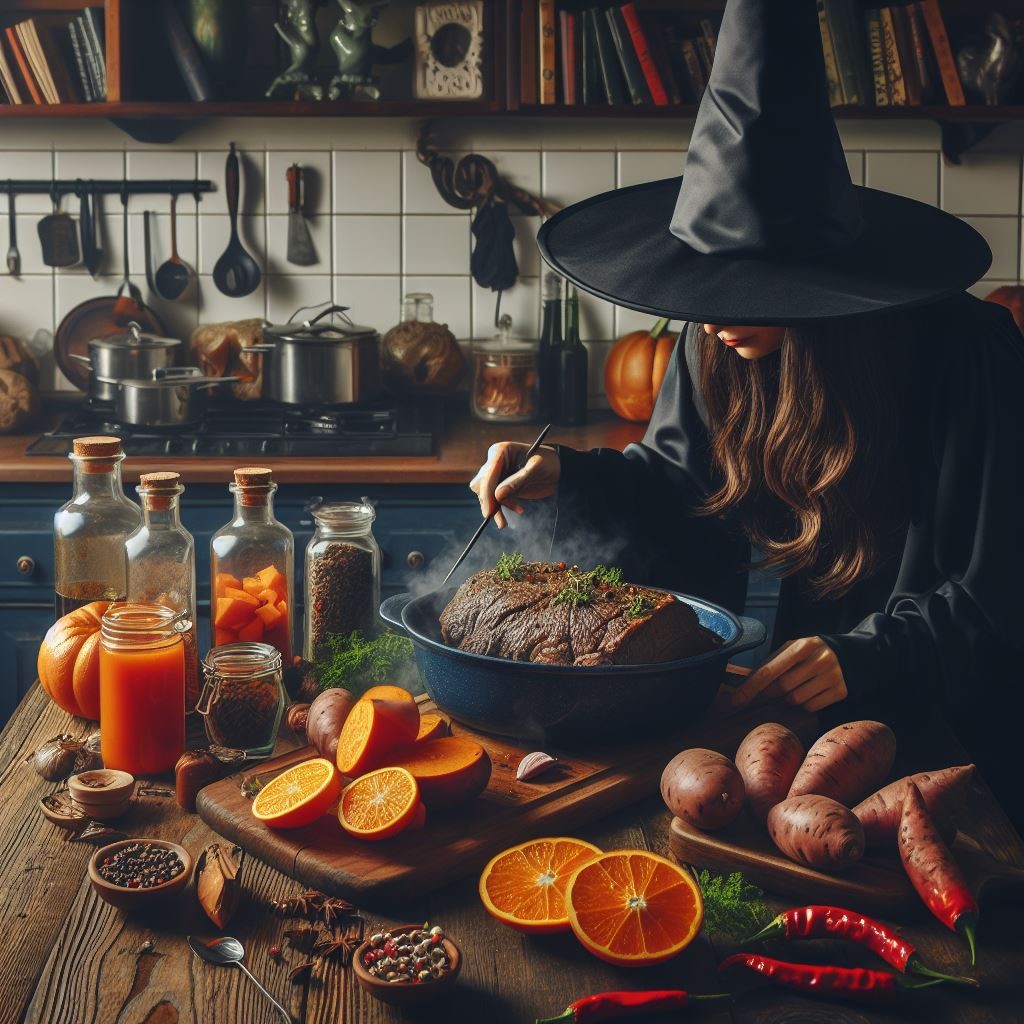
Recipe: Spicy Pot Roast

Spicy Pot Roast
Spicy Pot Roast

Introduction

Winter Magic in a Pot

As winter wraps us in its cozy embrace, there’s nothing quite like the aroma of a slow-cooked pot roast filling the air. In this article, we’ll explore a robust recipe for Spicy Pot Roast with Oranges, Sweet Potatoes, and Calabrian Chile Gremolata—a dish that not only warms the body but also captures the enchanting flavors of winter. With whole orange segments, creamy sweet potatoes, and a touch of spice, this pot roast is a hearty spell that brings comfort and magic to your table.

Winter Hearth Spell

Before serving your Spicy Pot Roast with Oranges, Sweet Potatoes, and Calabrian Chile Gremolata, take a moment to connect with the energies of winter and the ingredients in your hearty braise. Light a white or red candle to represent the warmth and protection of the hearth. As you savor the rich flavors, visualize the comforting energies filling your home. Recite a blessing such as:

“In this winter’s embrace, a feast so divine,

With each bite, the hearth’s warmth is mine.

Grounding and strength in this hearty delight,

Protection and comfort on this magical night.”

As you enjoy this Spicy Pot Roast, may it bring warmth to your soul and fill your home with the comforting magic of winter. Let the rich flavors and enchanting aromas create a haven of nourishment and protection during the winter season. Blessed Winter Hearth!

Magical Properties

  • Beef Chuck Roast: Symbolizes grounding and strength.
  • Sweet Potatoes: Represent grounding and warmth.
  • Celery Root: Brings balance and protection.
  • Oranges and Orange Zest: Infuse the dish with freshness, energy, and vitality.
  • Cumin: Offers protection and purification.
  • Smoked Paprika: Symbolizes transformation and adds depth of flavor.
  • Thyme: Provides comfort and warmth.
  • Calabrian Chile: Adds fire, energy, and protection.

Spicy Pot Roast with Oranges, Sweet Potatoes, and Calabrian Chile Gremolata

As winter wraps us in its cozy embrace, there’s nothing quite like the aroma of a slow-cooked pot roast filling the air. In this article, we’ll explore a robust recipe for Spicy Pot Roast with Oranges, Sweet Potatoes, and Calabrian Chile Gremolata—a dish that not only warms the body but also captures the enchanting flavors of winter. With whole orange segments, creamy sweet potatoes, and a touch of spice, this pot roast is a hearty spell that brings comfort and magic to your table.

For the Pot Roast:

  • 3-4 pounds beef chuck roast (for grounding and strength)
  • Salt and black pepper to taste (for balance)
  • 2 tablespoons olive oil (for protection)
  • 2 onions (chopped (for purification))
  • 4 cloves garlic (minced (for protection))
  • 2 sweet potatoes (peeled and diced (for grounding and warmth))
  • 1 celery root (peeled and diced (for balance and protection))
  • 2 cups beef broth (for nurturing)
  • 1 cup freshly squeezed orange juice (for freshness and abundance)
  • Zest of 1 orange (for energy and vitality)
  • 1 teaspoon ground cumin (for protection)
  • 1 teaspoon smoked paprika (for transformation)
  • 1 teaspoon dried thyme (for comfort)
  • 2 bay leaves (for protection and wisdom)
  • 1 Calabrian chile (finely chopped (for fire and energy))

For the Calabrian Chile Gremolata:

  • 1/4 cup fresh parsley (chopped (for protection))
  • 1 tablespoon Calabrian chile (finely chopped (for fire and energy))
  • Zest of 1 orange (for energy and vitality)
  • 2 cloves garlic (minced (for protection))

For the Pot Roast:

  1. Preheat your oven to 325°F (163°C).
  2. Season the beef chuck roast with salt and black pepper.
  3. In a large oven-safe pot, heat olive oil over medium-high heat. Brown the roast on all sides, then remove it from the pot and set it aside.
  4. In the same pot, sauté the onions and garlic until softened and aromatic.
  5. Add the sweet potatoes and celery root, stirring to combine.
  6. Return the browned roast to the pot. Pour in beef broth and orange juice, and add orange zest, ground cumin, smoked paprika, dried thyme, bay leaves, and chopped Calabrian chile.
  7. Bring the mixture to a simmer, then cover the pot and transfer it to the preheated oven. Cook for 2.5 to 3 hours, or until the beef is tender and easily pulls apart.

For the Calabrian Chile Gremolata:

  1. In a small bowl, mix chopped parsley, Calabrian chile, orange zest, and minced garlic.
Main Course
Winter, Yule
Recipe
Posted on Leave a comment

Winter Solstice

Winter Solstice
Winter Solstice

Introduction

Unlocking the Mysteries of the Winter Solstice

In the hushed whispers of December’s crisp winds, a celestial ballet takes center stage — the Winter Solstice, an astronomical masterpiece unveiling around December 21st. Beyond the clinical precision of its scientific definition lies a rich tapestry woven with the threads of antiquity, folklore, and an intimate connection to the pulsating rhythms of our Earth. As the night extends its shadowy embrace, the Winter Solstice emerges not just as a celestial event but as a profound intersection of science and spirituality, where ancient tales and cosmic phenomena entwine in a dance that transcends the boundaries of time. Join us on a journey into the heart of this celestial symphony, where the sky becomes a canvas painted with the echoes of centuries past, and the Earth aligns itself with the majestic rhythms of the cosmos.

Understanding the Solstice: Embracing the Cosmic Pause

The etymology of the term “solstice” unveils a linguistic ballet that gracefully describes a celestial spectacle. It emerges from the Latin roots “sol,” the radiant star that lights our days, and “sistere,” an invitation to stand still. Together, they craft a narrative of the Sun’s celestial ballet, a momentary pause in its grand journey.

As the Sun reaches the Tropic of Capricorn, this cosmic choreography unfolds. At the Winter Solstice, a mesmerizing interplay of celestial forces occurs, rendering the Sun’s noontime elevation seemingly motionless. The Sun, in its southernmost journey across the sky, hesitates, creating a pause that resonates across the fabric of the Earth’s seasons.

This cosmic stillness marks the official commencement of winter. In this ephemeral moment, the Earth lingers at the threshold of darkness, and daylight surrenders its temporal dominion to the extended reign of night. It is a delicate cosmic balance, a transition woven into the very fabric of nature’s rhythm.

This phenomenon, spanning cultures and epochs, carries profound symbolism. It is more than a mere shift in seasons; it is a promise—a celestial covenant of the Sun’s rebirth. As the Sun pauses in its southern sojourn, it whispers assurances of renewal and the eventual triumph of light over the encroaching darkness.

In this transient moment of stasis, the Winter Solstice becomes a cosmic junction, inviting contemplation and reflection. Across cultures, from ancient civilizations to contemporary societies, this celestial event is honored as a pivotal point in the dance of the cosmos. It symbolizes not only the changing seasons but also the cyclical nature of life, where even in the quiet stillness, the promise of a vibrant, sunlit future is silently held.

Journey through Shadows: Embracing the Celestial Ballet

As we stand at the threshold of the Winter Solstice, we embark on a profound journey through shadows—a celestial ballet that mirrors the ebb and flow of life’s eternal cycle. This pivotal point in the solar calendar marks a moment of celestial reckoning, where the sunlit tapestry of our days, gradually diminishing since the radiant glow of the summer solstice, begins to weave a new narrative.

Picture the cosmic stage: the sun, having completed its southern sojourn, lingers at the Tropic of Capricorn. The world, draped in shadows and the hushed whispers of the impending winter, awaits the celestial performance. In this grand spectacle, the dance of darkness and light unfolds with exquisite precision.

As we journey through the shadows of the Winter Solstice, the lengthening nights become a canvas on which nature paints its introspective masterpiece. It’s a dance where darkness yields not to an abyss but to the promise of a gentle, gradual return of the light. The world, cloaked in the quiet serenity of winter, prepares for the silent alchemy of renewal.

This celestial ballet is not merely a cosmic phenomenon but a profound reflection of life’s cyclical nature. It echoes the universal truth that every descent into darkness is a prelude to a triumphant ascent into light. The Winter Solstice becomes a celestial reminder that, even in the coldest and darkest of moments, the promise of renewal is quietly held in the cosmic embrace.

In the hush of winter’s shadowy contemplation, we find solace. It’s a time to reflect on our personal journeys, acknowledging the challenges and embracing the transformative power of resilience. The lengthening days post-solstice become a metaphorical roadmap, guiding us toward the renewal of spirit and the eventual blossoming of the world into spring.

As we traverse the cosmic dance floor, moving from the quietude of shadows to the burgeoning radiance of a sunlit future, the Winter Solstice invites us to partake in the grandeur of existence. It is a celestial proclamation that, even in the heart of winter’s embrace, the seeds of spring lie dormant, ready to awaken and usher in a new chapter in the eternal cosmic journey.

Global Celebrations and Traditions: A Tapestry of Winter’s Embrace

Venturing into the rich tapestry of global celebrations, the Winter Solstice emerges as a universal beacon, illuminating diverse cultures with its significance. Across continents and centuries, humanity has woven an intricate tale of reverence for nature, renewal, and the delicate interplay of light and shadow.

Stonehenge’s Solstice Symphony: An Ode to Earth’s Rhythms

In the heart of England, the Salisbury Plain cradles an ancient marvel — the enigmatic stones of Stonehenge. Steeped in mystery and cloaked in the mists of time, this sacred site transforms into a stage for a Druidic symphony during the Winter Solstice. As the world awaits the sun’s first light, a spectacle of profound symbolism unfolds.

As darkness clings to the night, the assembled crowd, wrapped in anticipation, witnesses a celestial alignment that transcends generations. The first rays of the newborn sun extend a golden embrace to Stonehenge’s weathered stones, casting shadows that dance in harmony with the ancient monoliths. The air is charged with a palpable energy, and amidst the whispers of history, a profound connection to the earth’s rhythms is forged.

Druidic traditions, with roots reaching back through the corridors of time, come alive in this sacred space. Each stone, weathered by centuries, becomes a sentinel bearing witness to the cyclical dance of the cosmos. The Winter Solstice is more than an astronomical event here; it is a living testament to the wisdom that the cycles of nature are the very threads weaving the fabric of our existence.

In this moment of alignment, the boundaries between past and present blur. The Druids, the ancient priestly class of the Celts, revered this celestial juncture as a sacred communion with the earth. Stonehenge, their sacred canvas, becomes a bridge across time, echoing with the footsteps of those who, in ages past, gathered to celebrate the changing seasons.

The stones, weathered yet enduring, stand as silent witnesses to countless solstices. They are not mere rocks; they are conduits of energy, resonating with the echoes of rituals performed by those who sought to understand and honor the mysteries of the cosmos. Each Winter Solstice, as the sun heralds a new cycle, Stonehenge becomes a living testament to the enduring connection between humanity and the celestial ballet above.

As the solstice sunbathes the stones in its gentle glow, a collective breath is drawn. The spectacle is more than a visual feast; it is a reminder that, in the dance of light and shadow, we find echoes of our own journey through the seasons of life. Stonehenge stands not just as an ancient monument but as a living, breathing testament to the profound harmony that exists when humanity acknowledges its place within the grand tapestry of the cosmos.

Dongzhi’s Dance of Yin and Yang: A Celestial Reunion

Embarking on an eastward journey, China unfolds its vibrant tapestry of tradition during the Dongzhi Winter Solstice Festival. As the world tilts towards the longest night, families gather not only for the warmth of shared company but to partake in a celestial dance of cosmic forces — the delicate interplay between yin and yang, darkness and light.

In the cosmic theater, Dongzhi stands as a spectacle of profound symbolism. It marks the zenith of yin forces, the moment when darkness claims its throne, shrouding the world in the quietude of winter. Yet, in this very embrace of darkness, there lies the promise of renewal, for the Winter Solstice is the tipping point where yin gracefully yields to yang — the positive, masculine energy that heralds the gradual return of light.

Families, wrapped in the warmth of tradition, gather to pay homage to this cosmic ballet. At the heart of the celebration are dumplings, not merely culinary delights but metaphors for the dance of celestial energies. Shaped like the crescent moon, these savory parcels become edible emblems of the universe’s cyclical rhythm. With each bite, families embrace the returning light, a tangible connection to the cosmic forces that govern the dance between day and night.

The significance of Dongzhi transcends the culinary, weaving into its fabric layers of cultural heritage and metaphysical understanding. It is a time for reflection, for acknowledging the ebb and flow of life’s energies, and for finding harmony within the cosmic symphony. Dongzhi, with its roots reaching deep into Chinese philosophy, invites a contemplative pause amid the hustle of modern life, urging individuals to attune themselves to the subtleties of the changing seasons.

As the dumplings steam and the fragrance of tradition wafts through homes, Dongzhi becomes more than a festival; it becomes a celestial reunion. Families, generations intertwined, savor not just the culinary craftsmanship but the essence of yin and yang, of darkness and the promise of returning light. In the tapestry of Dongzhi, China paints a portrait of cosmic harmony, inviting all to partake in the dance of celestial forces and find solace in the embrace of tradition.


Feast of Juul: A Hearth of Ancient Fires

In the heart of Scandinavia, where winter’s chill bites with particular fervor, the Feast of Juul emerges as a timeless celebration, echoing through the annals of history with the crackling warmth of fires that symbolize the Sun’s life-giving properties. It is a festival that not only kindles flames in the hearths but also ignites the spirit of community and the enduring connection between humanity and the cosmos.

At the heart of this Nordic jubilation is the venerable Yule log, a tangible link to ancient rites and a bearer of profound significance. Lit in honor of the mighty Scandinavian god Thor, whose thunderous chariot traversed the celestial expanse, the Yule log becomes more than a source of warmth; it transforms into a conduit between mortal realms and the divine. In the flickering dance of flames, the Norse people saw a reflection of Thor’s mighty power, a celestial symphony echoing through the winter night.

The Yule log, carefully chosen and ceremoniously ignited, becomes a focal point for communities to gather around. As its flames reach towards the heavens, the crackling embers carry with them the hopes, dreams, and aspirations of those who partake in this ancient ritual. It symbolizes not just the warmth of hearth and home but the enduring spirit of resilience against the winter’s cold embrace.

Yet, it is not merely in the act of burning that the Yule log finds its significance. Its unburned remnants, carefully preserved, are regarded as more than mere firewood. They are tokens of good fortune, holding the promise of protection against misfortune. This belief, etched in the cultural fabric of the Norse people, has echoed through centuries, and left an indelible mark on contemporary Yuletide traditions.

In modern times, as hearths are kindled and homes adorned with festive decorations, the spirit of the Feast of Juul lives on. The Yule log, whether in physical form or as a symbol, continues to bridge the gap between ancient traditions and present-day celebrations. It stands as a testament to the enduring power of rituals that connect us to our past, illuminate our present, and light the way for generations yet to come.

Saturnalia’s Grandeur: A Tapestry of Joy Across Time

In the mosaic of ancient Rome’s grandeur, the festival of Saturnalia emerged as a radiant gem, illuminating the darkest days of winter with the effulgence of merriment and revelry. This celestial juncture, marked by the Winter Solstice, became a time when the ordinary rules of life were cast aside, and the extraordinary took center stage.

At the heart of Saturnalia was the suspension of discipline and the joyful reversal of societal norms. The rigid structures of Roman life yielded to a carnival of freedom, where grudges were forgiven, and the echoes of war faded into the background. In this topsy-turvy realm, a spirit of communal joy reigned supreme, transcending the mundane concerns of everyday life.

The festival found its zenith on December 17 and extended its jubilant embrace for seven days, creating a temporal sanctuary where the usual order of things was turned on its head. Slaves became masters, and masters served their subordinates—a temporary liberation from the societal hierarchies that defined Roman life.

The echoes of Saturnalia, with its jubilant abandon and emphasis on communal harmony, resonate through the corridors of time and find a curious reflection in contemporary celebrations surrounding Christmas and the New Year. The suspension of hostilities, the forgiveness of grievances, and the collective embrace of joy during the festive season echo the essence of Saturnalia, reminding us that the ancient traditions of Rome continue to shape and enrich our modern festivities.

In the twinkling lights of holiday decorations and the warmth of shared gatherings, we catch glimpses of the Roman revelry that once graced the streets and homes of the ancient empire. Saturnalia, with its timeless message of unity, merriment, and the celebration of life’s joys, stands as a testament to the enduring influence of ancient customs on the tapestry of our contemporary celebrations.

As we traverse the globe, it becomes evident that the Winter Solstice is not merely an astronomical event but a global phenomenon that transcends cultural boundaries. It’s a testament to humanity’s shared connection to the cosmos, a reminder that, beneath the diversity of rituals and customs, we are united in our acknowledgment of nature’s cyclical dance—a dance where shadows yield to light, and the world, in its winter slumber, prepares for the promise of spring.

Light and Dark, Great Night and Warm Day

In the enchanted embrace of the Winter Solstice, the dance between light and darkness takes on profound symbolic significance for witches, Wiccans, and pagans alike. As the sun’s radiance wanes, and the night extends its tender grip, a tapestry of ancient symbolism unfolds, weaving together threads of spiritual introspection, renewal, and the unwavering hope for the returning sun.

For practitioners of the Craft, the lengthening night is not a descent into foreboding shadows but a sacred journey into the depths of the soul. It mirrors the introspective nature of the winter season, urging witches to turn inward, exploring the hidden recesses of their being. In the cloak of darkness, secrets are whispered, and the silent stirrings of the inner self are unveiled.

Yet, within this embrace of shadows lies the promise of renewal. The Winter Solstice marks the moment when the pendulum swings, when the darkness surrenders to the waxing light. It’s a time of spiritual metamorphosis, akin to the hibernation of nature. As the Earth slumbers beneath the frost-kissed mantle, so too does the practitioner find solace in a cocoon of self-discovery.

Across diverse pagan traditions, the returning sun is hailed as a symbol of hope and rebirth. The Oak King, dormant during the reign of the Holly King, awakens with the promise of burgeoning light. This cyclical battle between the kings mirrors the eternal dance of life and death, encouraging practitioners to reflect on the cyclical nature of their own existence.

Candles, those flickering beacons of illumination, become sacred tools during this celestial juncture. Lit in rituals and ceremonies, they represent the triumphant return of the sun’s vitality. The flame, resilient in the face of encroaching darkness, embodies the indomitable spirit that seeks illumination even in the bleakest of times.

As the Winter Solstice graces the sacred wheel, witches, Wiccans, and pagans find themselves cradled in the arms of ancient symbolism. The darkness becomes a canvas for profound spiritual revelations, and the burgeoning light becomes a beacon of hope, guiding the way through the enchanted tapestry of the winter night.

Crafting Magic in the Stillness of the Longest Night

In the mystical embrace of the Winter Solstice, practitioners of magic find themselves attuned to the subtle energies of this celestial dance. The solstice offers a unique opportunity to engage in magic that aligns with the themes of introspection, rebirth, and the interplay of light and shadow. Here’s a guide to the best magic to practice during this enchanting time:

Winter Altars: As the world slumbers beneath the frost-kissed blanket, your altar becomes a sacred space for reflecting the season’s energies. Adorn it with symbols of the Winter Solstice—evergreen branches, pinecones, and candles. Incorporate images of the returning sun, and perhaps a representation of the Oak King or other deities associated with the season.

Candle Magic: Candles, with their flickering flames, hold profound significance during the Winter Solstice. Engage in candle magic to symbolize the triumph of light over darkness. Use white candles for purity and renewal, gold for the returning sun’s vitality, and blue for spiritual introspection. As you light each candle, visualize the warmth and illumination infusing your magical workings.

Divination: The extended night of the Winter Solstice provides an ideal canvas for divination. Whether through tarot cards, scrying mirrors, or runes, seek insights into the coming season. The veil between worlds is thin, enhancing your intuitive connection to unseen realms.

Herbal Magic: Explore the magic of winter herbs and plants. Incorporate juniper, pine, or cedar into your rituals for their purifying properties. Brew teas with herbs like chamomile and lavender to foster a sense of calm and introspection. These herbal allies can enhance your magical intentions during the solstice.

Sun Deities: Honor deities associated with the sun, such as Apollo, Ra, or Sol. Offer gratitude for the returning light and seek their blessings for personal renewal and growth. Consider crafting invocations or prayers to these deities, acknowledging their influence on the cosmic dance unfolding during the Winter Solstice.

Oak King Rituals: In pagan traditions, the Oak King symbolizes the burgeoning light during the waxing half of the year. Craft rituals to honor the Oak King, expressing gratitude for his awakening presence. Consider creating a representation of the Oak King on your altar or engaging in a ceremonial battle between the Oak and Holly Kings.

As you immerse yourself in the magic of the Winter Solstice, let your intentions be guided by the energy of the season. Embrace the stillness of the longest night, for within it lies the fertile ground for magical transformation and the promise of the returning sun’s radiant embrace.

Conclusion

As the Northern Hemisphere embraces the longest night of the year, the Winter Solstice invites us to step into the realm of ancient rituals and timeless traditions. It’s a moment when nature itself seems to hold its breath, and the promise of lengthening days is whispered through the shadows. From the Druids honoring the Alban Arthan to the Scandinavians kindling the Yule log, and the Romans reveling in Saturnalia, the Winter Solstice transcends time and cultural boundaries. It’s a universal pause—a cosmic interlude—where humanity, throughout history, has found solace in the darkness, celebrating the triumph of light. As you witness your lengthening noontime shadow during this season, remember that it echoes an age-old dance between Earth and Sun. The Winter Solstice is not merely an astronomical event but a profound tapestry of human connection with the cosmos, a celebration of renewal amidst the quietude of winter’s embrace.

Posted on Leave a comment

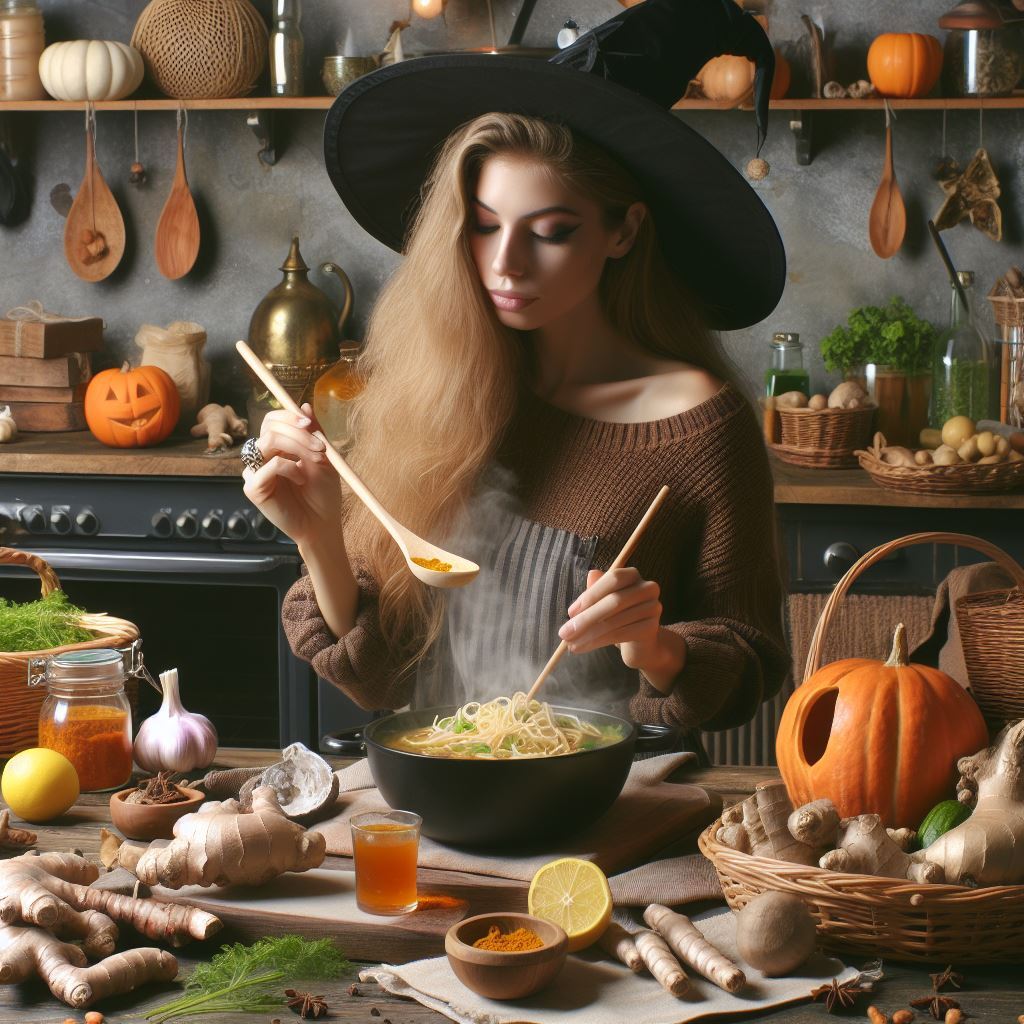
Recipe: Restorative Ginger-and-Turmeric Noodle Soup

Restorative Ginger-and-Turmeric Noodle Soup

Introduction

Nourishing Elixir

In the heart of winter, when the air is crisp and the need for warmth is paramount, a bowl of Restorative Ginger-and-Turmeric Noodle Soup becomes more than a meal—it’s a healing elixir for the body and soul. In this article, we’ll explore a recipe that combines the deep, earthy flavors of ginger and turmeric with aromatic garlic oil, creating a bowl of curative magic that brings comfort and restoration.

Restorative Spell

Before savoring your Restorative Ginger-and-Turmeric Noodle Soup, take a moment to connect with the healing energies of the ingredients and the warmth of the soup. Light a white or yellow candle to symbolize the restoration and clarity you seek. As you enjoy each spoonful, visualize the curative magic of the soup enveloping you in a protective embrace. Recite a blessing such as:

“In this bowl of warmth, healing unfolds,

Ginger and turmeric, their magic it holds.

Garlic’s protection, mushrooms immune,

Restoration and clarity, like a comforting tune.”

As you partake in this nourishing elixir, may it bring healing to your body and clarity to your mind. Let the Restorative Ginger-and-Turmeric Noodle Soup be a beacon of warmth and protection during the winter season, rejuvenating your spirit with every sip. Blessed Restoration!

Magical Properties:

  • Ginger: Symbolizes healing and purification.
  • Turmeric: Brings protection and possesses anti-inflammatory properties.
  • Garlic: Provides protection and wards off negativity.
  • Shiitake Mushrooms: Represent immunity and protection.
  • Rice Noodles: Symbolize grounding and unity.
  • Soy Sauce: Adds a touch of unity to the dish.
  • Rice Vinegar: Offers clarity and balance.

Restorative Ginger-and-Turmeric Noodle Soup

In the heart of winter, when the air is crisp and the need for warmth is paramount, a bowl of Restorative Ginger-and-Turmeric Noodle Soup becomes more than a meal—it’s a healing elixir for the body and soul. In this article, we’ll explore a recipe that combines the deep, earthy flavors of ginger and turmeric with aromatic garlic oil, creating a bowl of curative magic that brings comfort and restoration.

For the Soup:

  • 8 cups vegetable or chicken broth (for nurturing)
  • 3 tablespoons fresh ginger (grated (for healing and purification))
  • 2 tablespoons fresh turmeric (grated (for protection and anti-inflammatory properties))
  • 4 cloves garlic (minced (for protection))
  • 1 onion (finely chopped (for purification))
  • 2 carrots (sliced (for grounding and vision))
  • 2 celery stalks (sliced (for balance and grounding))
  • 8 ounces shiitake mushrooms (sliced (for immunity and protection))
  • 8 ounces rice noodles (for grounding)
  • Salt and black pepper to taste (for balance)
  • 2 tablespoons soy sauce (for unity)
  • 2 tablespoons rice vinegar (for clarity)

For the Garlic Oil:

  • 1/4 cup olive oil (for protection)
  • 4 cloves garlic (thinly sliced (for protection))
  1. In a large pot, combine the vegetable or chicken broth, grated ginger, grated turmeric, minced garlic, chopped onion, sliced carrots, sliced celery, and shiitake mushrooms.
  2. Bring the mixture to a simmer over medium heat. Reduce the heat to low, cover, and let it simmer for 20-25 minutes to allow the flavors to meld.
  3. While the soup is simmering, prepare the rice noodles according to package instructions. Drain and set aside.
  4. In a separate small saucepan, heat olive oil over medium heat. Add thinly sliced garlic and sauté until golden brown. Remove from heat and set aside.
  5. Season the soup with salt, black pepper, soy sauce, and rice vinegar, adjusting to taste.
  6. To serve, place a portion of cooked rice noodles in each bowl and ladle the hot soup over them.
  7. Drizzle each bowl with a generous spoonful of garlic oil.
Main Course, Soup
Winter, Yule
Recipe
Posted on Leave a comment

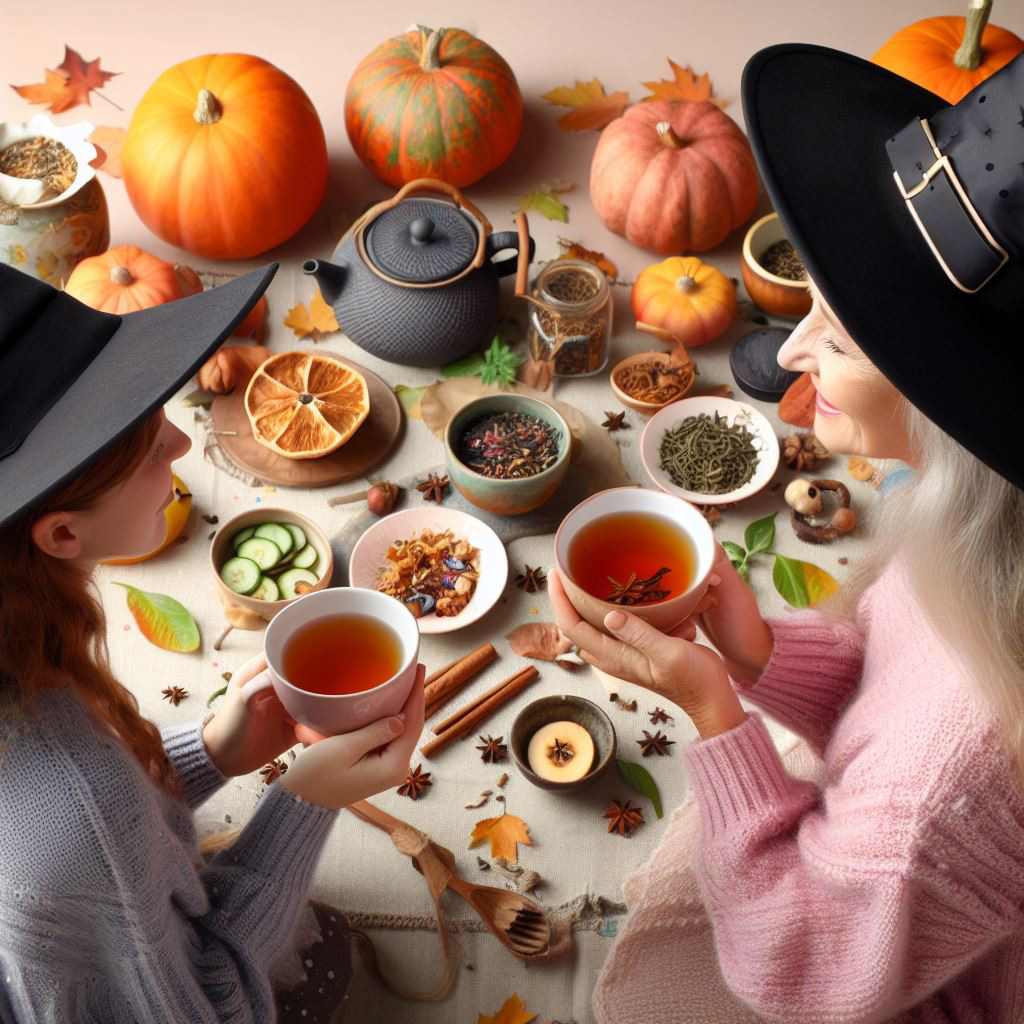
Autumn Home Remedies – Teas

Autumn Teas
Autumn Teas

Introduction

Autumn Home Remedies – Teas

As autumn paints the world in warm hues and the air turns crisp, there’s no better time to cozy up with a comforting cup of herbal tea. By harnessing the power of autumn foraging—utilizing herbs, plants, and flowers—we can create nourishing and therapeutic teas that not only warm our bodies but also support our well-being.

In this series, we’ll go over steam treatment, elixirs, teas, tinctures, broths, herbal glycerites, aroma therapy, and tonics. There are a lot of home remedies and nearly endless possibilities of methods. The eight selected for this series are some of the most common practices. All these covered home remedies are perfect for Autumn-Season applications.

In this article, we will explore the art of crafting herbal teas during autumn, highlighting the abundance of ingredients available in nature and providing practical methods to incorporate them into our daily routines. Get ready to indulge in the soothing flavors and healing benefits of autumn herbal teas.

Teas

As the crisp days of autumn unfold, we find ourselves craving cozy and warming beverages to embrace the chill. What better way to soothe your body and promote wellness than with homemade herbal teas infused with the rich flavors of autumn herbs? From spicy ginger to earthy sage and sweet apple, these teas offer a delightful and nourishing way to celebrate the season. In this article, we will explore the art of crafting homemade herbal teas using autumn herbs, along with methods to extract their flavors and therapeutic benefits. Get ready to discover a world of soothing flavors and wellness-enhancing properties that will comfort your senses and keep you healthy all autumn long.

Autumn Foraging for Flavorful Ingredients

Autumn offers an array of herbs, plants, and flowers that can be foraged and transformed into flavorful herbal teas. Consider incorporating the following ingredients into your autumn tea blends:

Mint: With its refreshing and invigorating qualities, mint is perfect for autumn teas. Spearmint, peppermint, or even chocolate mint varieties add a delightful twist to your blends.

Lemon Verbena: Known for its bright and citrusy flavor, lemon verbena brings a touch of vibrancy to autumn teas. It also offers digestive and relaxation benefits.

Elderflower: These delicate white flowers offer a subtle floral flavor that pairs well with other herbs. Elderflower tea is believed to support the immune system and promote respiratory health.

Cinnamon: A quintessential autumn spice, cinnamon imparts warmth and a sweet-spicy flavor to teas. It is also known for its antioxidant properties and ability to balance blood sugar levels.

Our shoppe has several wonderful Teas such as Ballet Ablaze which is bursting with Autumn delights!

Ballet Ablaze – Enchanted Loose Leaf Teas (equinox-apothecary.shop) Exclusivly @ www.Equinox-Apothecary.shop

Method for Creating Autumn Herbal Teas

Crafting autumn herbal teas is a simple and rewarding process. Follow these steps to create your own homemade blends:

Ingredients:

Fresh or dried herbs, plants, or flowers of your choice

Filtered water

Optional sweeteners like honey or maple syrup

Process:

Gather your chosen autumn botanicals and rinse them gently to remove any dirt or impurities. If using fresh herbs, gently bruise the leaves to release their aromatic oils.

Boil a pot of filtered water. Use approximately 1 tablespoon of dried herbs or 2 tablespoons of fresh herbs per 8 ounces of water.

Place the herbs in a heat-safe teapot or infuser and pour the boiling water over them.

Cover the teapot and let the tea steep for about 5-10 minutes, or until the desired strength is achieved.

Strain the tea into cups or mugs, and if desired, add a touch of natural sweetener like honey or maple syrup to enhance the taste.

Stir well to ensure the sweetener is fully incorporated and savor the comforting flavors and healing benefits of your homemade autumn herbal tea.

Customizing Autumn Tea Blends

You can experiment with different combinations of herbs and botanicals to create unique autumn tea blends. Here are a few suggestions:

Spiced Chai Blend: Combine cinnamon, cardamom, cloves, and ginger for a warming and aromatic chai-inspired tea. Add a dash of black tea or rooibos for a caffeine kick, if desired.

Soothing Digestive Blend: Mix mint, chamomile, and lemon verbena for a tea that calms the stomach, aids digestion, and promotes relaxation after a hearty autumn meal.

Immunity-Boosting Blend: Blend elderflower, echinacea, and rosehips for a tea that supports the immune system, wards off seasonal ailments, and provides a vitamin C boost.

Embracing Autumn Tea Rituals

Incorporate autumn teas into your daily routine to fully enjoy their comforting and therapeutic benefits:

Morning Routine: Start your day with a cup of herbal tea to invigorate your senses, awaken your mind, and set a peaceful tone for the day ahead.

Afternoon Delight: Take a break in the afternoon and indulge in a soothing cup of tea to relax and rejuvenate. Use this time for self-reflection or simply to enjoy a moment of tranquility.

Evening Wind-Down: Unwind in the evening with a calming herbal tea blend to promote relaxation, prepare for a restful sleep, and soothe the senses before bed.

Herbal Infusions: Get creative with your autumn teas by infusing them with other flavors. Consider adding slices of fresh apple or a sprig of rosemary to enhance the taste and aroma.

The Witches’ Tea Party

A Short Story

It was a cool and clear night in the month of October, when a group of witches gathered in a cozy cabin in the woods. They had come from far and wide, to celebrate the eve of Samhain, the ancient festival of the dead. They brought with them their cauldrons, their grimoires, and their familiars, and prepared to perform their rites and spells.

But before their solemn and sacred ceremonies, they enjoyed a cup of tea, to warm their bodies and spirits. They brewed their tea with the herbs and plants they had collected from the forest, each one adding a different flavor and property to the concoction. They poured the steaming liquid into their cups, and sat around the fireplace, sipping and chatting.

They talked of many things, of the past and the present, of the living and the dead, of the natural and the supernatural. They shared their wisdom and their experience, their dreams and their visions, their secrets and their mysteries. They laughed and they sighed, they whispered and they sang, they blessed and they prayed. They were friends and they were kin, they were sisters and they were mentors, they were students and they were teachers.

They were Witches all.

As they drank their tea, they felt its effects on their bodies and souls. Some felt a calmness and a peace, some felt a joy and a gratitude, some felt a love and a compassion, some felt a wonder and a curiosity, some felt a strength and a courage, some felt a hope and a faith. The tea enhanced their connection and their harmony, their balance and their alignment, their intuition and their insight.

They noticed the time passing, and the stars shining outside. They noticed the fire crackling, and the wind howling. They noticed the shadows dancing, and the spirits whispering. They noticed the beauty and the mystery, the magic and the mystery, the mystery and the magic.

They noticed, and they smiled.

For the tea they had brewed was not a simple and harmless beverage, but a potent and precious potion. A potion that had been blessed with and by a loving and generous hand. A potion that contained a secret and sacred ingredient, that had been added by a friend and a sister. A potion that was meant to heal and nourish, to inspire and empower.

The potion was a gift.

And as they drank their gift, they felt its effects on their bodies and souls. Some felt a warmth and a comfort, some felt a light and a clarity, some felt a spark and a creativity, some felt a flow and a harmony, some felt a grace and a wisdom, some felt a bliss and a transcendence. The gift elevated their being and their essence, their purpose and their destiny, their spirit and their soul.

They smiled and they thanked, they hugged and they kissed, they praised and they honored, they celebrated and they rejoiced. They rose one by one, like flowers in the spring, like birds in the sky, like flames in the fire. They rose, and they joined hands.

They were Witches all.

Conclusion

Autumn herbal teas allow us to embrace the beauty and flavors of the season while reaping the therapeutic benefits of nature’s bounty. By foraging for herbs, plants, and flowers and crafting homemade blends, we can create comforting and nourishing teas that warm our bodies and comfort our souls. Explore the aromatic delights of mint, the zest of lemon verbena, the subtle sweetness of elderflower, and the warmth of cinnamon as you embark on a journey of autumn tea exploration. Savor the soothing flavors, indulge in moments of tranquility, and allow the healing power of nature to nourish your body and uplift your spirit. With each sip of your homemade autumn herbal tea, embrace the comfort, wellness, and connection to the natural world that these teas bring.


Posted on Leave a comment

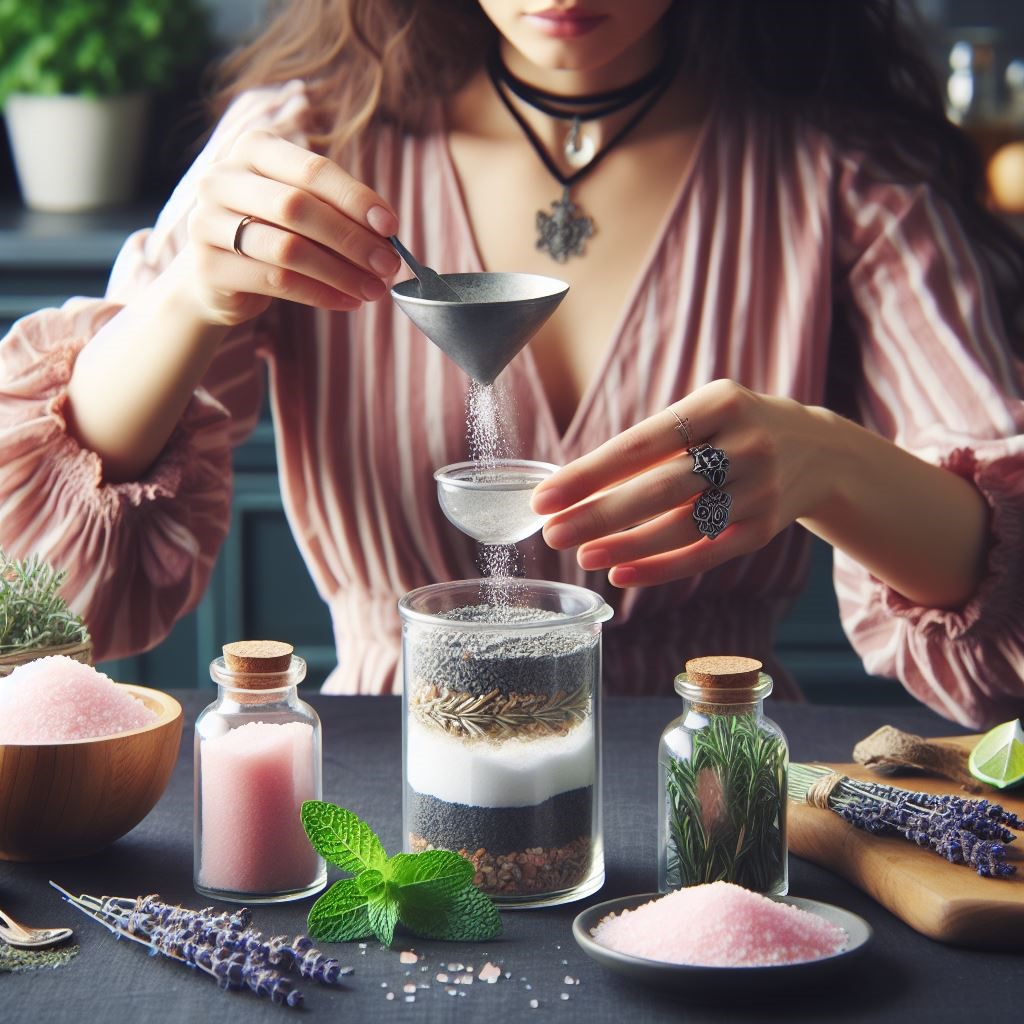
Crafting Spells in Containers

Spellwork Containers

Introduction

Unleashing Magic

Containers are more than just objects that hold things. They are powerful tools that can enhance your spellcraft and help you achieve your magical goals. In this article, we will explore the history and tradition of container magic, the different types of containers and their effects, and how to choose and use containers for your spells.

In the world of magic and spellcraft, containers have long held a special place. They serve as vessels that harness and focus our intentions, creating a sacred space for the energy of our spells to manifest. Whether you are crafting a spell for yourself or someone else, utilizing containers can add a layer of depth and potency to your magical workings.

In my family, the tradition of spellcasting has always involved the use of containers. Passed down through generations, this practice has taught us the significance of size, material, and intent when selecting the perfect container for a spell. Each container holds a unique area of effect, allowing us to shape the spell’s energy and direct it where it is needed.

Size of the Container

The practice of spellcasting has been around for centuries and has been passed down through generations of families and practitioners. One important aspect of this tradition is the practice of selecting the right size container for a spell, depending on the desired effect. The size of the container can have a significant impact on the potency and area of effect of the spell.

Large Containers

Larger containers are often used for spells that are meant to affect a wide area, such as an entire home or property. These spells may be used for protection, cleansing, or to promote harmony and positivity throughout a space. Large containers, such as a cauldron or large glass jar, can hold a significant amount of energy and can be used to harness the energy of the elements.

Medium Containers

Medium containers are often used for spells that are meant to affect a smaller area, such as a room or specific area of a home. These spells may be used for cleansing, banishing negative energy, or promoting healing and positivity in a specific space. Medium containers can be made of a variety of materials, such as glass, metal, or ceramic, and may be decorated with symbols or sigils to enhance their potency.

Smaller Container

Smaller containers are often used for personal spaces or for placement on an altar. These spells may be used for personal protection, enhancing intuition, or for manifestation. Smaller containers, such as a small glass jar or metal box, require less energy to fill and can be used for spells that require a higher concentration of energy.

Affect of the Spell’s Energy

The size of the container can also affect the concentration of the spell’s energy. A larger container will require more energy to fill, and this can dilute the concentration of the spell. In contrast, a smaller container will require less energy, resulting in a more concentrated spell. Practitioners should consider the desired effect of the spell and the amount of energy required to achieve that effect when selecting the size of the container.

Consider the size of the container as an indicator of its area of influence. Larger containers, such as jars or boxes, can affect a broad space, like an entire home or property. These spells have the power to infuse an entire living environment with the desired energy or intention. Medium-sized containers, like bottles or vases, are ideal for spells that target specific areas, such as a room or workspace. They allow you to concentrate the magical energy within a confined space. For a more personal touch, small containers, like lockets or altarpieces, can be used to create spells that are focused on individual well-being or dedicated to a specific purpose on your personal altar.

Selecting the right size container for a spell is an important aspect of the spellcasting process. Practitioners should consider the desired effect of the spell, the amount of energy required, and the area of effect when selecting the size of the container. The size of the container can also affect the concentration of the spell’s energy, so practitioners should choose a size that allows for the desired level of concentration. By choosing the right size container, practitioners can enhance the potency and effectiveness of their spells.

Consider the Container

When it comes to spellcasting, choosing the right container is essential for the success of your spell. The container is the vessel that holds the energy and intention of the spell, and the material from which it is made can have a significant impact on its effectiveness. While the size of the container is important, it is equally important to consider the material from which it is made.

The material of the container holds significance as well. A clear container, such as glass or transparent plastic, offers a window into the spell’s workings, enabling you to visualize the energy at play. It allows you to witness the magical transformation as it unfolds. On the other hand, colored containers can draw upon the symbolism and meaning associated with different hues. For example, a green container can enhance spells related to growth, abundance, and fertility, while a red container can amplify passion, strength, and courage. Choosing a container made from a specific material, such as wood, metal, or stone, allows you to tap into the inherent properties and energies of that material, reinforcing the intentions of your spell.

Clarity

One important consideration is the clarity of the container. A clear glass container is often used in spells that require visualization, as it allows the practitioner to see the energy of the spell as it is being cast. This is particularly useful for spells that involve manifesting something, as the practitioner can visualize the desired outcome as they work on the spell.

Material

Another consideration is the specific material from which the container is made. Some spells require the use of a specific material, such as copper or silver, to harness the energy of those metals. For example, copper is often associated with healing and is used in spells that involve healing the body or mind. Silver is associated with intuition and is often used in spells that involve divination or psychic ability.

Type

In addition to specific materials, certain types of containers may be used for specific purposes. For example, a cauldron is often used in Wiccan and pagan traditions for a variety of spells, including burning incense and mixing herbs. The shape and size of the cauldron can also have symbolic meaning, with a larger cauldron representing the womb and the potential for growth and creation.

Historical Significance

The choice of material can also have cultural or historical significance. For example, in traditional African spiritual practices, gourds are often used as containers for spells and rituals. Gourds are seen as a symbol of fertility and are believed to have the power to contain and amplify energy.

It is important to note that not all spells require a specific material or type of container. The choice of container and material should be based on the specific needs of the spell and the preferences of the practitioner. It is important to choose a container that resonates with you and feels right for the spell you are casting.

Cleansing Your Spell Containers: Purifying the Energetic Space

Once you have completed a spell or ritual in a container, it is essential to cleanse and purify the energetic space within the container before reusing it. Cleansing allows you to remove any residual energies or intentions from previous workings, ensuring a fresh and neutral starting point for your next magical endeavor. Here are some methods to cleanse your spell containers:

Smoke Cleansing: Pass your spell container through the purifying smoke of sacred herbs, such as sage, cedar, or palo santo. Light the herb bundle or loose herbs, allowing the smoke to engulf the container as you gently wave it through the smoke. Visualize the smoke purifying and cleansing the container, releasing any stagnant or unwanted energy.

Saltwater Bath: Prepare a bowl of water and add a pinch of sea salt or Himalayan salt. Submerge your spell container in the salt water, ensuring it is fully immersed. Visualize the saltwater purifying and cleansing the container, absorbing, and neutralizing any lingering energies. Leave the container in the saltwater bath for a few minutes, or as intuitively guided, and then rinse it thoroughly with clean water.

Moonlight Cleansing: Place your spell container in a windowsill or outdoor area where it can be exposed to the cleansing energy of the moonlight. Choose a clear night when the moon is visible, preferably during the full moon phase. Allow the container to bathe in the moon’s rays overnight, absorbing the purifying and revitalizing lunar energy.

Elemental Cleansing: Connect with the elemental energies of nature to cleanse your spell container. Hold the container in your hands and visualize it being cleansed by the elements. Pass it through the smoke of a candle flame to represent fire, gently fan it with a feather to represent air, sprinkle a few drops of purified water over it to represent water, and finally, place it on the earth or bury it briefly in soil to represent earth. Feel the harmonizing and purifying energies of the elements cleansing and renewing the container.

Sound Cleansing: Use sound vibrations to cleanse your spell container. You can ring a bell or chime near the container, strike a singing bowl, or use a sound cleansing tool such as a rattle. As the sound reverberates around the container, visualize any stagnant or unwanted energies being broken apart and dissipated, leaving the container cleansed and revitalized.

Remember to trust your intuition and choose the cleansing method that resonates most with you and your magical practice. After cleansing, you can further consecrate and empower your spell container with your intentions and desired energies before using it for future spells or rituals. Cleansing your spell containers regularly ensures that your magical workings start with a clean slate, allowing for greater clarity and effectiveness in manifesting your intentions.

Safety Concerns

When choosing a container for a spell, it is important to also consider any safety concerns. Some materials, such as certain types of plastic, may not be safe for use in spellcasting, as they can release toxic chemicals when exposed to heat or fire. Always do your research and choose a container that is safe for the type of spell you are casting.

Choosing the right container for a spell is an important part of the spellcasting process. While the size of the container is important, it is equally important to consider the material from which it is made. Clear glass containers may be used for visualization, while specific materials may be used to harness the energy of those metals. Certain types of containers may also have cultural or historical significance. Always choose a container that resonates with you and is safe for the type of spell you are casting.

Containers and Energy

When it comes to the practice of spellcasting, the size of the container used can have a significant impact on the potency and effectiveness of the spell. One important aspect to consider is the concentration of the spell’s energy, which is influenced by the size of the container.

Another consideration when choosing a container for a spell is the preference of effect area. For example, some spells may be designed to affect a specific area, such as a person’s health or a relationship. In these cases, the size of the container may not be as important as the intent behind the spell.

Larger Container = More Energy

A larger container will require more energy to fill, which can dilute the concentration of the spell. This is because the energy of the spell will be spread out over a larger area, resulting in a weaker effect. For example, if you are casting a spell for protection for an entire home, a large cauldron may be appropriate. However, if you fill the cauldron with too much water or other ingredients, the energy of the spell will be diluted and may not be as effective.

Smaller Container = More Concentrated

On the other hand, a smaller container will require less energy to fill, resulting in a more concentrated spell. This is because the energy of the spell is confined to a smaller area, which can enhance its potency. For example, if you are casting a spell for personal protection, a small glass jar or metal box may be appropriate. By using a smaller container, you can focus the energy of the spell on your personal space and increase its effectiveness.

Concentration of Energy

It is important to note that the concentration of the spell’s energy is not solely determined by the size of the container. Other factors, such as the type of ingredients used, the intention of the spell, and the skill of the practitioner, can also influence the concentration of the energy. However, the size of the container is an important consideration that should not be overlooked. The size of the container can also affect the area of effect of the spell. As previously mentioned, larger containers can affect a wider area, while smaller containers are best suited for personal spaces or altars.

The size of the container used in spellcasting is an important consideration that can have a significant impact on the concentration and effectiveness of the spell. Practitioners should choose a size that is appropriate for the desired effect and area of effect, while also considering the type of ingredients used and their intention for the spell. By choosing the right size container, practitioners can enhance the potency of their spells and achieve their desired outcome.

Spellcraft in Container

The use of containers in spellcasting is a common practice, and there are numerous ways to create a spell using a container. The method chosen often depends on personal preference and the type of spell being cast. One popular method involves filling the container with herbs, crystals, or other items that are associated with the intended effect of the spell.

Reflect on the size, material, and intent behind the spell. Each element plays a role in shaping the outcome and aligning it with your desired goal. Infuse the container with your intention, focusing your energy and concentration on its purpose. You may choose to decorate the container with symbols, sigils, or crystals that further amplify the spell’s energy.

Creating a Spell

The first step in creating a spell using this method is to choose the container. The size and material of the container may also be important considerations, as previously discussed. Once you have chosen the container, the next step is to select the items that will be placed inside. These items should be chosen based on their association with the intended effect of the spell.

For example, if you are creating a love spell, you may choose to fill the container with rose petals, rose quartz crystals, and other items associated with love and romance. Alternatively, if you are creating a spell for protection, you may choose to use items such as black tourmaline crystals, rue, and bay leaves. The specific items chosen will depend on the practitioner’s personal preferences and the intended effect of the spell.

Once the items have been selected, they can be placed inside the container. Some practitioners may choose to layer the items in a specific order, while others may prefer to mix them together. The container can then be sealed and placed in a location where it will not be disturbed.

Another method for creating a spell using a container involves filling the container with a liquid, such as water, oil, or vinegar. The liquid can be infused with herbs or other items, depending on the intended effect of the spell. For example, a protection spell may involve infusing water with rue, bay leaves, and other protective herbs.

Another method of creating a spell in a container involves writing down your intent or desire on a piece of paper and placing it inside the container. This can be particularly effective when creating spells for personal growth or manifestation.

Sealing the Container

The container can be sealed and used in a variety of ways, such as placing it on an altar, carrying it with you, or using it to anoint candles or other objects. Some practitioners may also choose to dispose of the container after the spell has been completed, while others may prefer to reuse it for other spells.

There are many ways to create a spell using a container. Whether you choose to fill the container with herbs, crystals, or other items, or infuse a liquid inside, the method chosen will depend on personal preference and the intended effect of the spell. By carefully selecting the container and items used, practitioners can enhance the potency of their spells and achieve their desired outcome.

Remember, the container is not merely a vessel but a sacred space where your intentions come to life. Treat it with reverence and respect, infusing it with your energy and intention before and during the spellcasting process. It is through this synergy of container, intent, and energy that spells in containers become powerful conduits for transformative magic.

Conclusion

The use of containers in spellcraft is an ancient and revered practice. Whether you are crafting spells for yourself or others, the selection of the right container is a crucial step in manifesting your magical intentions. Embrace the wisdom of size, material, and intent, and embark on a journey of crafting spells that are not only effective but also tailor-made to meet your specific needs. Step into the realm of container magic and unlock a world of limitless possibilities.

Posted on Leave a comment

Hecate: Greek Understanding

Hecate Greek
Hecate Greek

Introduction

The Enigmatic Goddess  – The Crossroads and Beyond in Greek Mythology

In the intricate tapestry of Greek mythology, few deities embody the complexity and mystique quite like Hecate. As a goddess of multifaceted nature, her influence stretches across domains as diverse as the moon, magic, witchcraft, and the spirit world. In this article, we embark on a journey to unveil the origins, roles, and symbolism of Hecate, a divine figure from antiquity who continues to captivate hearts and minds.

Hecate’s Divine Heritage

To truly appreciate the profound significance of Hecate in Greek mythology and her enduring presence in the pantheon of deities, we must delve into the rich tapestry of her divine heritage. Her origins can be traced back to the very dawn of the cosmos, where the Titans Perses and Asteria, two titanic figures of immense primordial power, gave birth to this enigmatic goddess.

The Titans were primordial beings who existed before the Olympian gods. They were embodiments of elemental and cosmic forces, shaping the very fabric of the universe. In this illustrious lineage, Hecate inherited an intrinsic connection to the fundamental forces of creation and existence.

Hecate’s mother, Asteria, was a Titaness associated with the night sky. Her name itself suggests her celestial nature, as “Asteria” means “starry” or “of the stars.” As a symbol of the night, she embodied the mystical and otherworldly aspects of the cosmos. It is from this celestial lineage that Hecate derives her connection to the moon and the mystical realms that exist beyond the mortal plane.

On the other side of her divine parentage, Hecate’s father, Perses, held the essence of destruction and chaos. His name, meaning “to destroy” or “to lay waste,” hints at his formidable power. Through him, Hecate inherited the transformative and regenerative aspects of existence, as destruction often paves the way for rebirth and renewal.

As the offspring of these two powerful Titans, Hecate’s emergence as a goddess is a testament to her significance in the spiritual hierarchy. She embodies the harmonious convergence of celestial and chaotic forces, making her a bridge between the orderly Olympian gods and the primal Titans. Her divine lineage positions her as a goddess of great complexity and depth, with dominion over realms that transcend mortal comprehension.

In the grand tapestry of Greek mythology, Hecate stands as a living testament to the ancient and primordial forces that govern the cosmos. Her divine heritage, drawing from the celestial and chaotic, underscores her multifaceted nature and her enduring role as a goddess of the moon, magic, witchcraft, and the spirit world. As we explore her multifaceted attributes and mythological roles, we gain a deeper understanding of the intricate web of forces that shape the Greek pantheon and the profound significance of Hecate herself within this divine hierarchy.

Hecate, the Triple Goddess

Hecate’s essence is best understood through her multifaceted attributes, which have garnered her a reputation as the triple goddess. This trinity of aspects signifies her dominion over various realms and timeframes:

The Lunar Goddess: Hecate’s association with the moon links her to its ever-changing phases. She is often depicted holding the torch of lunar illumination, guiding travelers through the darkest of nights. As the moon waxes and wanes, Hecate embodies the cyclical nature of life, death, and rebirth.

The Enchantress of Magic: In the realm of magic and sorcery, Hecate reigns supreme. She is the mistress of incantations, spells, and mystical rituals. Witches and magicians invoke her to access the hidden depths of arcane knowledge and to harness the forces of the supernatural. Her cauldron symbolizes transformation and the brewing of potent elixirs of change.

Guardian of the Spirit World: Hecate’s connection to the spirit world is one of her most enigmatic facets. She presides over liminal spaces and crossroads, acting as a guide between the realms of the living and the dead. As such, she becomes a key figure in the mythological narrative of the afterlife.

Hecate’s Role in Greek Mythology

Among the illustrious pantheon of Greek gods and goddesses, Hecate’s presence shines brightly through her multifaceted roles, each bearing testament to her enigmatic nature and her significance in the tapestry of ancient myth. One of her most renowned mythological roles, and perhaps the one that most vividly illustrates her unique duality, revolves around her pivotal assistance to the grieving goddess Demeter in the harrowing quest to rescue her beloved daughter, Persephone, from the clutches of Hades, the formidable lord of the underworld.

The myth unfolds with the abduction of Persephone, a radiant goddess of spring and fertility, by Hades. The earth, once teeming with life and bounty under Demeter’s loving care, withers into a desolate wasteland because of the loss of her daughter. In her inconsolable grief, Demeter roams the earth in search of Persephone, and it is during this tumultuous period that she encounters Hecate.

Hecate, a guardian of the spirit world and a deity who navigates the liminal spaces between realms, becomes a loyal and unwavering companion to Demeter in her time of despair. Her presence is a beacon of solace amidst the darkness, offering support and guidance to the distraught mother as they embark on their quest to reunite with Persephone.

What sets Hecate’s role apart in this myth is her seamless transition between two seemingly contrasting domains. On the one hand, she is the guardian of the spirit world, possessing unparalleled knowledge of the underworld’s mysteries and secrets. This aspect of her nature aligns her with the realms of death, transformation, and the unseen.

Yet, as the myth unfolds, Hecate transforms into something more profound—a compassionate advocate for the living. Her duality is epitomized in her unwavering support for Demeter’s cause. While she is intimately acquainted with the shadowy depths of the underworld, she steps into the realm of the living with grace and determination, standing as a beacon of hope for those who traverse the trials of life.

The myth of Hecate’s role in the quest for Persephone serves as a poignant reminder of the goddess’s multifaceted nature and her unique position within the Greek pantheon. As guardian of the spirit world and advocate for the living, Hecate embodies the duality of existence itself—the ever-present interplay between light and shadow, life and death, and the profound mysteries that bind them. Her role in this myth resonates through the ages, illuminating the path of transformation and the enduring power of compassion and support during life’s most trying moments. In Hecate, we find a goddess who bridges the gaps between worlds and offers solace to those who navigate the complexities of existence, a timeless testament to her enduring significance in Greek mythology and beyond.

Hecate as the Keeper of Crossroads

In the multifaceted tapestry of Hecate’s divine roles, her connection to crossroads emerges as one of her most distinctive and evocative aspects. In the ancient Greek worldview, crossroads held a profound significance, serving as liminal spaces where the boundaries between realms blurred, and where the mundane world intersected with the mystical. Within this mystical landscape, Hecate reigns supreme as the guardian and guide, symbolizing choices, transitions, and the pivotal points of decision in one’s life journey.

To comprehend the depth of Hecate’s role as the guardian of crossroads, it is crucial to appreciate the ancient Greek perspective on these junctions. Crossroads were seen as places where multiple paths converged, creating a sense of ambiguity and transition. At these intersections, the normal rules of reality seemed to bend, and the barriers between the material world and the supernatural realm appeared permeable. It was believed that, in such liminal spaces, individuals could encounter spirits, deities, or even engage in profound personal transformation.

In this context, Hecate assumes the role of a vigilant sentinel, presiding over these mystical crossroads. Her presence is both guardian and guide, offering those who stand at the crossroads a choice: a choice that may have far-reaching consequences on their life’s trajectory. As the goddess of choices and transitions, Hecate encourages individuals to reflect deeply on their decisions and their implications.

Hecate’s association with crossroads carries profound symbolism. These junctions signify the points in life where important choices must be made that may lead to transformation, personal growth, or even a change in one’s life path. The goddess’s torch illuminates these moments of decision, guiding individuals as they navigate the crossroads of their existence. She becomes a beacon of clarity in times of uncertainty, shedding light on the options available and the potential consequences of each path.

In addition to symbolizing choices, Hecate is also a guardian of personal transformation. At the crossroads, individuals may undergo profound inner changes as they confront their decisions and their consequences. Hecate’s serpent, often depicted twining around her arm, represents the transformative power inherent in these moments of decision. It reminds us that, at the crossroads, we can shed old skin, embrace change, and emerge renewed.

Hecate, as the Keeper of Crossroads, occupies a pivotal place in Greek mythology and the broader realm of spirituality. Her role symbolizes the intricate dance of choices and transitions that define human experience. In the liminal spaces of the crossroads, she beckons us to embrace our agency, to confront life’s decisions with clarity and intention, and to recognize the transformative potential that lies within each choice. As we navigate the crossroads of our own lives, Hecate stands as a timeless guide, illuminating the path to self-discovery, personal growth, and the profound mysteries that reside at the intersection of choice and destiny.

Conclusion

Hecate, the enigmatic goddess of the moon, magic, witchcraft, and the spirit world, emerges from Greek mythology as a figure of timeless intrigue. Her multifaceted nature, divine lineage, and pivotal roles in mythology make her an enduring symbol of complexity and transformation. Whether invoked for guidance in the mystical arts or revered as the guardian of crossroads, Hecate’s influence continues to permeate the realms of spirituality, magic, and the profound mysteries of life and death. In the ever-evolving narrative of human existence, Hecate remains a guiding light, illuminating the path through the enigmatic crossroads of our own lives.

BONUS

In the annals of Greek mythology and the enduring tapestry of human spirituality, Hecate stands as a luminous embodiment of complexity and transformation. As the enigmatic goddess of the moon, magic, witchcraft, and the spirit world, her multifaceted nature mirrors the intricate facets of our own lives. Her divine lineage, her pivotal roles in mythology, and her unwavering presence as the guardian of crossroads elevate her to a realm of timeless intrigue. Whether we invoke her for guidance in the mystical arts or revere her as the sentinel of choices and transitions, Hecate’s influence resonates through the ages. She remains a steadfast beacon, illuminating the path through the enigmatic crossroads of our own existence. In her essence, we find the eternal reminder that within complexity, within transformation, and within the embrace of life’s mysteries, we discover the profound essence of our own journey.