Posted on Leave a comment

Recipe: Potato and Cheddar Cheese Soup

Making Potato and Cheddar Cheese Soup

Introduction

­­­­­­­Comfort in a Bowl: Potato and Cheddar Cheese Soup

When winter’s chill settles in, there’s nothing quite like a steaming bowl of Potato and Cheddar Cheese Soup to warm the soul. In this article, we’ll explore a recipe that turns humble ingredients into a sumptuous delight. With the rich, creamy goodness of potatoes and the bold flavor of high-quality cheddar, this soup is not just a meal; it’s a comforting spell that wraps you in a cozy embrace.

Cozy Hearth Spell

Before savoring your Potato and Cheddar Cheese Soup, take a moment to connect with the comforting energies of the ingredients and the warmth of the soup. Light a white or yellow candle to symbolize the hearth’s warmth and protection. As you enjoy each spoonful, visualize the cozy embrace of the soup enveloping you. Recite a blessing such as:

“In this bowl, comfort unfolds,

Potatoes and cheddar, their magic it holds.

Onion, carrot, and bay leaf so wise,

Grounding and protection in each surprise.”

As you partake in this delightful soup, may it bring you comfort and grounding during the winter season. Let the Potato and Cheddar Cheese Soup be a source of warmth and protection, filling your home with the enchanting aroma of winter comfort. Blessed Hearth and Comfort!

Magical Properties of the Ingredients

  • Potatoes: Symbolize grounding and comfort.
  • Cheddar Cheese: Brings richness and grounding to the dish.
  • Butter: Signifies comfort and nurturing.
  • Onion, Carrots, Celery: Represent purification, grounding, and balance.
  • Bay Leaf: Offers protection and wisdom.
  • Milk and Heavy Cream: Symbolize nurturing and comfort.
  • Chives or Green Onions: Provide protection.

Potato and Cheddar Cheese Soup

When winter’s chill settles in, there’s nothing quite like a steaming bowl of Potato and Cheddar Cheese Soup to warm the soul. In this article, we’ll explore a recipe that turns humble ingredients into a sumptuous delight. With the rich, creamy goodness of potatoes and the bold flavor of high-quality cheddar, this soup is not just a meal; it’s a comforting spell that wraps you in a cozy embrace.

  • 4 tbsp unsalted butter (for comfort)
  • 1 onion (chopped (for purification))
  • 2 carrots (peeled and diced (for grounding))
  • 2 celery stalks (diced (for balance))
  • 4 cloves garlic (minced (for protection))
  • 4 large potatoes (peeled and diced (for grounding))
  • 4 cups vegetable or chicken broth (for nurturing)
  • 1 bay leaf (for protection and wisdom)
  • Salt and black pepper to taste (for balance)
  • 2 cups sharp cheddar cheese (shredded (for richness and grounding))
  • 1 cup milk (for nurturing)
  • 1/2 cup heavy cream (for comfort)
  • Chopped chives or green onions for garnish (for protection)
  1. In a large pot, melt the butter over medium heat. Add the chopped onion, diced carrots, diced celery, and minced garlic. Sauté until the vegetables are softened and aromatic.
  2. Add the diced potatoes, vegetable or chicken broth, bay leaf, salt, and black pepper to the pot. Bring the mixture to a boil, then reduce the heat to low, cover, and simmer for about 15-20 minutes, or until the potatoes are tender.
  3. Remove the bay leaf from the pot. Using an immersion blender, puree the soup until smooth. Alternatively, for a chunkier soup, break up some of the potatoes with a spoon instead of pureeing.
  4. Stir in the shredded cheddar cheese until melted and smooth.
  5. Add the milk and heavy cream to the pot, stirring to combine. Adjust the seasoning with salt and black pepper to taste.
  6. Simmer the soup for an additional 5-10 minutes, allowing the flavors to meld.
  7. Serve the Potato and Cheddar Cheese Soup hot, garnished with chopped chives or green onions.
Main Course, Soup
Winter
Posted on Leave a comment

Autumn Home Remedies – Aroma Therapies

Autumn Aroma Therapy

Introduction

Autumn Home Remedies – Aroma Therapies

As the air turns crisp and leaves transition into vibrant hues, autumn presents a perfect opportunity to explore the soothing and healing world of aromatherapy. This ancient practice utilizes the aromatic essences of herbs, plants, and flowers to promote relaxation, balance, and overall well-being. By harnessing the scents of autumn foraging, we can create homemade remedies that not only embrace the season’s beauty but also offer therapeutic benefits.

In this series, we’ll go over steam treatment, elixirs, teas, tinctures, broths, herbal glycerites, aroma therapy, and tonics. There are a lot of home remedies and nearly endless possibilities of methods. The eight selected for this series are some of the most common practices. All these covered home remedies are perfect for Autumn-Season applications.

In this article, we will delve into the art of autumn aromatherapy, showcasing the bounty of herbs, plants, and flowers available during this season and providing practical methods to incorporate them into our daily lives for a truly holistic experience.

Aroma Therapy

As the air cools and nature transforms during the autumn months, it’s the perfect time to embrace the healing power of aromatherapy. Aromatherapy, the practice of using essential oils derived from plants for therapeutic purposes, offers a natural and cozy way to enhance well-being. In this article, we will explore the art of autumn aromatherapy and discover how to harness the aromatic essence of autumn herbs to create soothing blends and promote relaxation, immunity, and a deeper connection with nature.

Autumn Foraging for Aromatic Delights

Autumn offers a treasure trove of herbs, plants, and flowers with captivating scents. Foraging is the act of searching for and collecting wild food resources from nature. It is an ancient and primal skill that connects us to our roots and our environment. Foraging can also be a form of witchcraft, as it allows us to tap into the energy and spirit of the plants and animals we encounter. By foraging for autumn herbs, plants, and flowers, we can create our own aromatherapy blends that reflect the essence and magic of the season.

Foraging for aromatherapy ingredients requires some knowledge and preparation. We need to know how to identify the plants we want to use, where to find them, when to harvest them, and how to store them. We also need to be respectful and responsible towards nature, and follow some ethical guidelines. For example, we should only take what we need, leave some for the wildlife and other foragers, avoid endangered or protected species, and ask for permission from the land and the plants.

Foraging for aromatherapy ingredients also requires some creativity and intuition. We can experiment with different combinations and proportions of plants, and see how they affect our mood and well-being. We can also listen to our inner guidance and follow our instincts, and see what plants call to us and what messages they have for us. We can also infuse our intention and gratitude into the plants, and thank them for their gifts and blessings.

Foraging for aromatherapy ingredients is a rewarding and enjoyable activity that can enrich our lives and our practice. It can help us to relax, heal, and connect with nature and ourselves. It can also help us to celebrate the beauty and bounty of autumn, and honor the cycle of life and death.

When foraging for aromatic ingredients during this season, consider incorporating the following:

  • Lavender: Harvest lavender blooms before the first frost to capture their calming and soothing properties. Use dried lavender flowers for a gentle and comforting aroma.
  • Sage: Seek out varieties of sage, such as common sage or white sage, known for their earthy and cleansing scents. These can be used to purify the air and promote clarity of the mind.
  • Rosemary: This aromatic herb is an autumn favorite with its invigorating and herbaceous scent. Harvest fresh sprigs and dry them for later use in aromatic blends.
  • Pine: Embrace the scent of the evergreen trees that thrive during autumn. Collect fallen pine needles or cones for their grounding and rejuvenating fragrance.

Autumn Aromatherapy Methods

Autumn scents are the aromas that evoke the essence and mood of the fall season. They are usually warm, spicy, earthy, and woody, and can include notes of cinnamon, clove, ginger, nutmeg, vanilla, apple, pumpkin, pine, cedar, and sage. Incorporating autumn scents into aromatherapy and magical practice can have many benefits, such as:

  • Relaxing and calming the mind and body, and reducing stress and anxiety. Autumn scents can help us to unwind and enjoy the cozy and comforting atmosphere of the season, and create a sense of peace and harmony.
  • Boosting the immune system and fighting off infections. Autumn scents can help us to ward off the cold and flu viruses that are more prevalent during the fall, and enhance our natural defenses and resilience.
  • Enhancing the mood and energy levels, and stimulating the creativity and intuition. Autumn scents can help us to embrace the changes and challenges of the season, and inspire us to explore new ideas and possibilities.
  • Attracting abundance and prosperity, and manifesting our goals and desires. Autumn scents can help us to celebrate the harvest and the bounty of the season, and align us with the flow and abundance of the universe.
  • Honoring the ancestors and the spirits, and connecting with the divine. Autumn scents can help us to remember and honor our loved ones who have passed on, and communicate with the spirit realm. They can also help us to connect with the divine source and our higher self.

There are several ways to incorporate the scents of autumn into your aromatherapy practice.

Consider the following methods:

Essential Oil Diffusion: Use an essential oil diffuser to disperse the aromatic molecules into the air. Choose essential oils derived from autumn herbs such as lavender, sage, rosemary, or pine to create a calming and grounding ambiance in your living space.

Inhalation: Add a few drops of essential oil to a tissue or handkerchief and inhale deeply. This method is ideal for quick relief from stress, anxiety, or to enhance focus and mental clarity.

Steam Inhalation: Boil water, remove it from heat, and add a few drops of essential oil to create a steam bath. Cover your head with a towel, close your eyes, and breathe in the aromatic steam to soothe respiratory discomfort or congestion.

Autumn-inspired Bathing: Add a few drops of essential oils or dried herbs to a warm bath for a truly aromatic and rejuvenating experience. The scents of lavender, sage, rosemary, or pine can promote relaxation and a sense of well-being.

Autumn Aromatherapy Blends

Create your own autumn-inspired aromatic blends using the scents of the season. Here are a few examples to get you started:

Comforting Autumn Spice Blend:

  • 4 drops sweet orange essential oil
  • 3 drops cinnamon essential oil
  • 2 drops clove essential oil
  • 1 drop nutmeg essential oil

Grounding Forest Walk Blend:

  • 3 drops pine essential oil
  • 3 drops cedarwood essential oil
  • 2 drops vetiver essential oil
  • 1 drop frankincense essential oil

Calming Herbal Medley Blend:

  • 4 drops lavender essential oil
  • 3 drops sage essential oil
  • 2 drops rosemary essential oil
  • 1 drop clary sage essential oil

The Magic of Autumn Aromatherapy

A Poem

As the leaves turn red and gold And the air grows crisp and cold I light a candle and prepare To breathe in the magic of the air

I fill my cauldron with water and herbs And let them simmer and infuse I add some drops of essential oils And choose the scents that I will use

I pick the ones that suit my mood And the ones that match the season I pick the ones that heal and soothe And the ones that have a reason

I pick cinnamon for warmth and spice And ginger for energy and zest I pick clove for protection and strength And nutmeg for comfort and rest

I pick apple for abundance and joy And pine for cleansing and renewal I pick sage for wisdom and clarity And rosehip for beauty and jewel

I stir the cauldron and watch the steam Rise and swirl in the air I inhale the aroma and feel the magic Fill my body and soul with care

I feel the calmness and the peace And the joy and the gratitude I feel the love and the compassion And the wonder and the curiosity

I feel the connection and the harmony And the balance and the alignment I feel the intuition and the insight And the purpose and the destiny

I feel the magic of autumn aromatherapy And the magic of nature and myself I feel the magic of the season And the magic of life and death

Safety Precautions

 While aromatherapy is generally safe, it’s important to exercise caution and follow these guidelines:

Use essential oils as directed and adhere to recommended dilution ratios. Some oils may cause skin irritation or sensitivities, so perform a patch test before applying them topically.

Consult with a qualified aromatherapist or healthcare professional, particularly if you have underlying health conditions, are pregnant, or are taking medications.

Keep essential oils out of reach of children and pets.

Store essential oils in dark glass bottles in a cool, dry place to preserve their potency and aroma.

Conclusion

Autumn aromatherapy allows us to immerse ourselves in the captivating scents of nature during this enchanting season. By foraging for aromatic herbs, plants, and flowers and incorporating them into our daily routines, we can harness their therapeutic benefits and create a harmonious environment for holistic well-being. Whether through essential oil diffusion, inhalation, steam inhalation, or aromatic baths, the scents of lavender, sage, rosemary, and pine can bring comfort, grounding, and relaxation into our lives.

Embrace the beauty of autumn and the abundance of fragrant treasures it offers. Delve into the world of autumn aromatherapy, explore different methods and blends, and discover the transformative effects of these natural remedies. Allow the scents of the season to soothe your senses, calm your mind, and reconnect you with the rhythm of nature. With autumn aromatherapy, you can embark on a journey of well-being, embracing the therapeutic power of the natural world during this magical time of year.

Posted on Leave a comment

Hydromancy – Exploring the Depths

Hydromancy
Hydromancy

Introduction

A Comprehensive Guide to Hydromancy

Hydromancy, also known as water scrying, is an ancient practice that harnesses the power of water and reflection to gain insight and spiritual guidance. Since time immemorial, cultures across the world have utilized water as a medium for divination and connecting with the subtle energies of the universe. In this comprehensive guide, we will delve into the history, techniques, and intricacies of hydromancy, offering you a deeper understanding of this profound art.

History and Origin of Hydromancy

Hydromancy, the art of divination through water, has a rich and ancient history that spans across civilizations and cultures. Recognizing the power and symbolism of water, ancient societies such as the Egyptians, Greeks, Romans, and Celts embraced hydromancy as a sacred practice. In this exploration of the history and origins of hydromancy, we delve into the beliefs, rituals, and significance that these ancient civilizations attributed to water scrying.

Ancient Egypt: The Waters of Divine Communication

In ancient Egypt, the Nile River played a central role in the lives of its people. The Egyptians revered the Nile as a life-giving force, a symbol of fertility, and a connection to the divine. They believed that water held the ability to bridge the physical and spiritual realms. Egyptian priests and priestesses, known for their deep spiritual insights, would gaze into the reflective surface of the Nile or specially consecrated vessels filled with water to receive messages and guidance from the gods.

Ancient Greece: The Oracle of Delphi

In ancient Greece, water scrying held a prominent place in the realm of divination. The Oracle of Delphi, a revered priestess at the Temple of Apollo, was renowned for her prophetic visions. Among her methods of divination, water scrying played a significant role. The Oracle would gaze into a bowl of water, often mixed with sacred herbs or oils, to enter a trance-like state and receive messages from the gods.

Ancient Rome: The Waters of Reflection

The Romans, inspired by the practices of the Greeks, adopted hydromancy as a means of seeking guidance from the gods. They believed that water possessed a reflective quality that mirrored the depths of the soul. Roman seers and diviners would utilize bowls of water or fountains to scry, interpreting the ripples, patterns, and images that surfaced as messages from the divine realm.

Celtic Traditions: The Sacred Wells

Water held deep spiritual significance for the Celts, who revered springs, rivers, and wells as sacred places of healing and divination. They believed that these natural bodies of water held the ability to reveal hidden truths and connect them to the realms of the unseen. Druids and Celtic seers would visit sacred wells, often adorned with offerings, and gaze into their depths to receive visions and guidance.

Shamanic Practices: Communing with the Spirit World

Across various indigenous cultures, shamans recognized the power of water as a conduit for spiritual communication. They would utilize natural bodies of water, such as lakes, rivers, or ponds, as portals to the spirit world. By gazing into the shimmering surface, they sought visions and symbolic messages that would guide their community and provide insights into the past, present, and future.

Water scrying, practiced by these ancient civilizations and cultures, highlights the universal belief in water’s ability to access hidden knowledge, connect with the subconscious mind, and bridge the realms of the physical and spiritual. It was a sacred art performed by seers, priestesses, and shamans who possessed the gift of insight and the ability to interpret the symbols and messages that surfaced in the water’s reflection.

Today, as we explore hydromancy, we honor the wisdom of these ancient traditions and tap into the profound connection between water and the spiritual realm. By engaging in the art of water scrying, we can draw upon the collective knowledge of our ancestors and open ourselves to the messages and guidance that the waters hold. Let us embrace the ancient wisdom and embark on our own personal journeys, discovering the depths of insight that lie within the mystical waters of hydromancy.

What is Hydromancy?

Hydromancy, an ancient form of divination, invites us to explore the depths of still water and its ability to reveal hidden truths. Through the observation of the fluid surface, whether in a serene lake, a sacred well, or a scrying bowl, practitioners of hydromancy seek to tap into the realms of the unseen and access symbolic insights. In this article, we embark on a journey to understand the essence of hydromancy, its techniques, and the profound wisdom it offers to those who practice it.

At its core, hydromancy is a contemplative practice that involves focusing on the fluid nature of water to induce a state of heightened awareness and attunement. By gazing into the reflective surface, whether calm or gently rippling, the practitioner enters a meditative state where the boundaries between the conscious and subconscious mind begin to blur. It is in this receptive state that the movement, patterns, and reflections on the water’s surface serve as a conduit for messages, symbols, and intuitive impressions from the realms beyond the ordinary.

Hydromancy has been practiced across cultures and throughout history, reflecting the universal human fascination with water as a powerful spiritual medium. From ancient civilizations such as the Egyptians and Greeks to indigenous cultures around the world, the act of divining through water has been regarded as a sacred and transformative practice.

To engage in hydromancy, one must first find a quiet and undisturbed space where the water can be observed without distractions. This may involve visiting a natural body of water, such as a pond, lake, or river, or using a specially designated scrying bowl filled with still water. The choice of location is a personal one, guided by intuition and a desire to connect with the energies present.

Once in the sacred space, the practitioner adopts a calm and focused mindset. It is important to set intentions for the session, whether seeking guidance, clarity, or insight into a specific question or aspect of life. Breathing deeply and consciously, the practitioner directs their attention to the water’s surface, allowing their gaze to soften and become receptive.

As the practitioner observes the water, a gentle surrender to the present moment occurs. Images, symbols, or impressions may arise in the mind’s eye, stimulated by the fluid dance of reflections and the subtle currents beneath the surface. It is essential to maintain an open and non-judgmental mindset, allowing the messages to flow naturally without expectations or preconceived notions.

Interpreting the messages received through hydromancy requires a delicate balance of intuition, symbolism, and personal associations. The practitioner must trust their instincts and develop a language of understanding with the waters. Symbols may manifest as ripples, shapes, or patterns on the surface, each holding personal significance and representing a message from the unseen realms. It is through deep reflection, contemplation, and ongoing practice that the practitioner learns to decipher these symbols and derive meaning from the messages received.

Safety is an essential aspect of any divination practice, including hydromancy. It is crucial to approach the practice with respect, reverence, and a grounded mindset. Engaging in proper self-care, setting boundaries, and maintaining a balanced emotional state is important to ensure a safe and enriching experience.

Hydromancy beckons us to peer into the watery depths and awaken our intuitive faculties. It invites us to embrace the mysteries that lie beyond our ordinary perception and access the profound wisdom that water holds. Through the sacred act of gazing upon the reflective surface, we open ourselves to the whispers of the unseen, finding solace, guidance, and transformation in the realm of hydromancy.

Styles of Hydromancy

Hydromancy, the ancient art of divination through water, encompasses a variety of styles that offer unique approaches to tapping into the depths of intuitive wisdom. From scrying in natural bodies of water to using specially crafted scrying bowls or even harnessing the power of raindrops, each style of hydromancy presents its own pathway to unlocking the secrets of the subconscious mind and the spiritual realms. In this section, we delve into the enchanting world of hydromancy and explore the diverse styles that practitioners have employed throughout history, allowing for a deeper understanding and connection to the mystical powers of water. Hydromancy can be practiced in various styles, each with its own unique approach and techniques. Some popular styles include:

Natural Water Scrying

Natural water scrying is one of the oldest and most elemental forms of hydromancy. In this practice, the practitioner seeks out serene and undisturbed bodies of water, such as lakes, rivers, or ponds, and gazes upon their shimmering surfaces. By immersing themselves in the tranquil beauty of nature and allowing their consciousness to attune to the water’s energies, practitioners open themselves up to the potential for profound insights and divinatory messages.

As the practitioner fixates their gaze upon the water, they become attuned to the movements and reflections that dance upon its surface. The gentle ripples caused by a passing breeze, or the interplay of light and shadow can trigger a cascade of visions and impressions within the practitioner’s mind. These visions may manifest as symbolic images, fleeting glimpses of scenes, or even intuitive impressions that convey hidden truths and messages from the subconscious and spiritual realms.

Natural water scrying requires patience, focus, and a willingness to surrender to the ebb and flow of the water’s energy. It is a deeply contemplative practice that allows the practitioner to connect with the essence of the natural world and tap into their own intuitive wisdom. By embracing the serenity of the water and opening themselves up to its ever-changing nature, practitioners of natural water scrying embark on a mystical journey of self-discovery, insight, and spiritual connection.

Scrying Bowls

A scrying bowl is a powerful tool commonly used in hydromancy for divination and self-reflection. This sacred vessel is typically made of a material that can hold water, such as ceramic, glass, or metal. The bowl is filled with pure water, which can be further enhanced by the addition of sacred herbs, flowers, or oils that carry symbolic or energetic properties. These enhancements infuse the water with heightened vibrations and create a sacred space for scrying.

To practice scrying with a bowl, the practitioner gazes into the still water, allowing their gaze to soften and their mind to enter a receptive state. As they concentrate on the water’s surface, symbols, images, and impressions begin to emerge. The practitioner interprets these visions, using their intuition, personal associations, and knowledge of symbolism to uncover the messages and insights embedded within.

The scrying bowl serves as a portal between the conscious and unconscious mind, facilitating a deep connection with the subconscious, spirit guides, and higher realms. It is believed that the reflective nature of the water allows the practitioner to access hidden knowledge, ancient wisdom, and the collective unconscious. By gazing into the depths of the scrying bowl, practitioners embark on a journey of self-discovery, spiritual exploration, and divinatory insight.

Raindrop Divination

Raindrop divination is a unique form of hydromancy that harnesses the power of rainfall and the natural patterns created by raindrops. In this practice, the practitioner observes the behavior and patterns of raindrops as they land on a surface, such as a windowpane, a leaf, or any other suitable platform. The movement and flow of the raindrops are believed to carry symbolic messages and guidance from the spiritual realm.

To engage in raindrop divination, one must find a suitable location where they can comfortably observe the raindrops. It could be indoors by a window or outdoors under cover. The practitioner focuses their attention on the raindrops, noting their size, direction, speed, and any distinctive patterns they form. The interpretation of these patterns is highly intuitive and subjective, with each practitioner developing their own unique understanding based on personal experiences and symbolic associations.

Raindrop divination is a practice deeply rooted in the natural world. It requires a heightened sense of awareness and attunement to the elements. By connecting with the rhythmic dance of the raindrops, practitioners open themselves up to receiving messages and insights from the unseen realms. Raindrop divination can be a powerful tool for gaining guidance, clarity, and a deeper understanding of oneself and the world at large. It allows individuals to tap into the interconnectedness of nature and harness the wisdom that lies within its fluid and ever-changing patterns.

Different Waters and their Magical Properties

When it comes to hydromancy, the choice of water used for scrying can significantly impact the divination experience. Different types of water carry unique energetic qualities and symbolic meanings, enhancing the practitioner’s connection to the spiritual realms. From natural bodies of water to specially prepared scrying bowls, each water source brings its own magical properties to the practice of hydromancy. Whether it is the flowing energy of a river, the calming essence of a spring, or the consecrated water in a scrying bowl, the selection of water is a vital consideration that can greatly influence the depth and accuracy of the messages received during a hydromancy session. By understanding the magical properties associated with different waters, practitioners can attune themselves to specific energies and create a sacred space conducive to receiving divine guidance and insights. Various types of water can be used in hydromancy, each carrying its own energetic qualities and symbolic associations. Here are a few examples:

River Water

River water holds significant magical properties in the practice of hydromancy. Rivers have long been regarded as sacred and powerful sources of life, representing the continuous flow of time and the eternal cycle of nature. The energy of a river is dynamic and ever-changing, making it an ideal medium for divination. When using river water for hydromancy, practitioners tap into the currents of the river’s energy, allowing them to access deeper levels of insight and intuitive wisdom.

The magical properties of river water are closely linked to its elemental associations. Water itself is associated with emotions, intuition, and the subconscious mind. By utilizing river water, practitioners can harness the elemental power of water, amplifying their psychic abilities and expanding their connection to the spiritual realm. The flowing nature of river water symbolizes adaptability, resilience, and the ability to navigate through life’s challenges.

Each river possesses its own unique energy and symbolism. Some rivers are known for their calm and gentle flow, representing serenity, tranquility, and emotional healing. Others may be more turbulent and swifter, symbolizing strength, transformation, and the overcoming of obstacles. By attuning to the specific qualities of a river, practitioners can align themselves with its energetic signature, enhancing their ability to receive clear and insightful messages during hydromancy.

To gather river water for hydromancy, it is essential to approach the river with reverence and respect. Before collecting the water, take a moment to connect with the spirit of the river, expressing gratitude for its sacred presence and seeking permission to use its water for divination. Using a clean and consecrated container, collect a small amount of river water, ensuring that it is free from pollutants or debris. This water can then be used in a scrying bowl or other reflective surface to commence the hydromancy practice. Remember to return the water to the river after the session, offering thanks and releasing any residual energy back into the flow of the river’s currents.

Spring Water

Spring water holds potent magical properties in the practice of hydromancy, representing purity, renewal, and new beginnings. Springs are natural sources of water that emerge from the Earth, often bubbling up from underground reservoirs. The pristine quality of spring water makes it highly sought after for its healing and transformative energies. When incorporating spring water into hydromancy, practitioners tap into its rejuvenating properties, allowing for fresh insights, clarity, and spiritual growth.

The association of spring water with purity is deeply rooted in its origin. Spring water is typically filtered through layers of soil and rock, purifying it from impurities and imbuing it with a pristine quality. This purity translates into the energetic realm, making spring water ideal for divination and spiritual practices. When working with spring water for hydromancy, practitioners can benefit from its cleansing and clarifying qualities, as it helps to purify the mind, emotions, and spiritual energy, enabling a deeper connection to intuitive wisdom.

Furthermore, spring water symbolizes renewal and new beginnings. Just as springs represent the birth of fresh water, they also symbolize the birth of new experiences, opportunities, and perspectives. The energetic vibration of spring water carries the essence of growth and regeneration. By using spring water in hydromancy, practitioners invite the energy of renewal into their practice, allowing for the release of stagnant energies and the emergence of new insights and transformative experiences.

When working with spring water for hydromancy, it is advisable to source it directly from natural springs or reputable sources known for their pristine water quality. The freshness and vitality of the water will enhance the efficacy of the practice. Before using spring water for divination, take a moment to honor its sacredness and offer gratitude for its life-giving properties. It is recommended to collect the spring water in a consecrated container and use it within a scrying bowl or other reflective surface. The pure and vital nature of spring water will support the practitioner in accessing clear visions, heightened intuition, and spiritual guidance during the hydromancy session.

Moon Water

Moon water is a potent and enchanting element that holds a unique place in the practice of hydromancy. Collected under the gentle glow of the moon, moon water absorbs the energy of the moon’s phases and carries the essence of intuition, emotions, and feminine energy. It is highly revered for its ability to enhance psychic abilities, deepen emotional connections, and facilitate spiritual insights.

The moon has long been associated with the realm of emotions and intuition. Its mystical influence over the tides and its connection to the subconscious make it a powerful ally for exploring matters of the heart and delving into the depths of the psyche. By incorporating moon water into hydromancy, practitioners can tap into these lunar energies, gaining access to their own intuitive wisdom and exploring the emotional landscapes that lie within.

Moon water is most potent when collected during specific lunar phases, such as the full moon or new moon, as each phase carries its own energetic qualities. The full moon represents illumination and heightened intuition, making it an ideal time to collect moon water for hydromancy. The new moon, on the other hand, symbolizes new beginnings and introspection, providing an opportunity to connect with one’s deepest emotions and innermost desires.

To create moon water for hydromancy, place a clean container of water outside under the moon’s light. Allow the water to absorb the moon’s energy overnight, infusing it with its mystical properties. The following day, the moon water is ready to be used for scrying or incorporated into your hydromancy practice.

When working with moon water in hydromancy, it is important to honor its sacred nature and the lunar energies it carries. Set clear intentions for your divination session, focusing on matters of the heart, emotions, and intuitive guidance. The moon water will act as a conduit, enhancing your connection to these realms and opening doors to deeper self-awareness and spiritual insights. Allow the visions and symbols that arise from the water to guide you in interpreting the messages from your subconscious and the spiritual realms.

To learn more about Moonwater we have a great set of articles on Moon Water be sure to check them out!

Sun Water

Sun water is a vibrant and energizing element that holds a special place in the practice of hydromancy. Created by harnessing the radiant energy of the sun, sun water embodies vitality, strength, and illumination. It is believed to enhance clarity, confidence, and the manifestation of desires, making it a valuable tool for divination and self-discovery.

The sun, as a symbol of light and life-giving energy, has been revered in various cultures throughout history. It represents power, vitality, and the creative force of the universe. Sun water captures the essence of these qualities, infusing the water with the transformative energy of the sun.

To create sun water for hydromancy, fill a clean container with fresh water and place it in a spot where it can be fully exposed to the sun’s rays. Allow the water to bask in the sunlight for several hours, preferably during the peak hours of the day. As the sun’s energy permeates the water, it becomes charged with its potent properties.

When using sun water for hydromancy, it is best suited for inquiries related to personal empowerment, self-expression, and manifestation. The energizing and uplifting nature of sun water can help illuminate pathways, boost confidence, and support the pursuit of goals and dreams.

During your hydromancy session, set clear intentions and focus on areas of your life where you seek clarity, motivation, or a breakthrough. Gaze into the water, allowing the reflective surface to guide your focus and attune your intuition. As you observe the water, be receptive to the symbols, images, or impressions that arise, trusting your inner guidance to interpret the messages conveyed by the sun-charged water.

Sun water can also be combined with other forms of divination, such as using it to cleanse or charge crystals, incorporating it into rituals or spellwork, or simply using it as a symbolic representation of the sun’s energy and influence. By aligning with the potent energies of the sun through sun water, practitioners of hydromancy can harness the transformative power of the sun to illuminate their path, gain insight, and manifest their intentions.

Ocean Water

Ocean water holds a profound and mysterious energy that makes it a potent tool in the practice of hydromancy. Symbolizing vastness, depth, and the ever-changing tides of life, ocean water carries the essence of the subconscious and the collective unconscious. It is believed to be a gateway to hidden knowledge, ancient wisdom, and profound insights.

The ocean, with its immense expanse and powerful currents, has captivated humanity throughout history. It represents the primal forces of creation, the mysteries of the unknown, and the depths of the human psyche. By connecting with ocean water during hydromancy, practitioners seek to tap into the vast well of wisdom and intuition that resides within.

When using ocean water for hydromancy, it is essential to remember that physical access to the ocean may not always be possible. In such cases, collected or consecrated ocean water can be used as a substitute. To collect ocean water, visit the shoreline and fill a clean container, allowing the water to flow naturally into it. Alternatively, you can infuse regular water with oceanic energy by adding sea salt or seaweed to a container of purified water.

During a hydromancy session with ocean water, create a serene and focused space. Gaze into the water, allowing its reflective surface to draw you into a state of deep relaxation and receptivity. As you immerse yourself in the energy of the ocean water, be open to the symbols, images, and impressions that arise in your mind’s eye. Trust your intuition and let the wisdom of the ocean guide you in interpreting the messages that emerge.

Ocean water is particularly suited for inquiries that delve into the subconscious mind, exploring emotional depths, and seeking guidance on matters of the soul. It can help shed light on hidden aspects of oneself, provide clarity in times of confusion, and offer profound insights into life’s mysteries.

By connecting with the energy of the ocean through hydromancy, practitioners can tap into the profound wisdom and hidden knowledge that resides within the depths of the subconscious and the collective unconscious. Ocean water serves as a powerful medium for unlocking insights, connecting with ancient wisdom, and navigating the ever-changing tides of life.

Storm Water

Storm water carries a unique and powerful energy that can be harnessed in the practice of hydromancy. Storms, with their thunder, lightning, and torrential rains, are awe-inspiring displays of nature’s raw power and vitality. Storm water symbolizes transformation, release, and the cleansing of energy. It is believed to hold the electric charge of the storm, making it a potent tool for divination and magical workings.

Storm water represents the union of opposing forces: the clash of lightning and thunder, the mingling of rain and wind. This energy of contrast and intensity can be channeled during hydromancy to gain insights into challenging situations or to initiate personal transformation. It holds the power to break through stagnation, clear away blockages, and bring about a fresh perspective.

When collecting storm water for hydromancy, it is important to prioritize safety. It is not advisable to collect water during the height of a storm or in hazardous conditions. Instead, collect storm water after the storm has passed from surfaces such as rooftops, gutters, or clean containers left outside. Alternatively, you can use consecrated or symbolic storm water, charged with the energy of a storm, which can be obtained from reputable magical suppliers.

To practice hydromancy with storm water, find a quiet and contemplative space where you can be undisturbed. Pour the storm water into a clean bowl or vessel and place it in front of you. Gaze into the water, allowing your focus to become absorbed by its surface. Relax your mind and body, opening yourself to the energetic charge and transformative power of the storm water.

As you gaze into the water, pay attention to any symbols, images, or sensations that arise. The storm water may reveal insights, guidance, or a fresh perspective on a particular situation or challenge you are facing. Trust your intuition and allow the energy of the storm water to guide your interpretation. It can provide clarity, breakthroughs, and a renewed sense of purpose in your journey.

Working with storm water in hydromancy is an invitation to embrace the dynamic and transformative aspects of life. It helps us recognize that challenges and disruptions are opportunities for growth and renewal. Through the energy of storm water, we can harness the power of transformation, release stagnant energies, and gain profound insights into our path forward.

Rainwater

Rainwater holds a special place in the practice of hydromancy, as it represents the pure essence of water in its most natural form. Rainwater is often associated with cleansing, purification, and renewal. It carries the energy of growth, fertility, and nourishment, making it a powerful medium for divination and spiritual work.

Rainwater is believed to have a revitalizing effect on the energy field, washing away stagnant or negative energies and bringing about a sense of freshness and clarity. When using rainwater for hydromancy, it can help facilitate a deep connection to the subconscious mind, intuition, and the natural world. It is especially suited for exploring emotional matters, seeking guidance on personal growth, and gaining insight into one’s spiritual path.

To collect rainwater for hydromancy, wait for gentle rain or drizzle to ensure the water is relatively pure. Place a clean, wide-mouthed container outside in an open area, away from pollutants or chemicals. As the rainwater fills the container, visualize it being infused with positive and pure energy. You may also choose to bless or consecrate the water with your intentions, calling upon the energy of the rain to amplify its magical properties.

When practicing hydromancy with rainwater, find a peaceful space where you can focus without distractions. Pour the rainwater into a shallow bowl or basin, ensuring the water is calm and still. As you gaze into the water, allow your mind to relax and your intuition to guide your attention. Be open to any images, symbols, or sensations that arise.

Rainwater often reflects emotions and subconscious desires, offering insight into personal growth and healing. Pay attention to the patterns, ripples, and movements within the water, as they may hold symbolic messages and meaningful connections. Trust your intuition and let the energy of the rainwater guide your interpretation, embracing the cleansing and transformative properties it offers.

Working with rainwater in hydromancy connects us to the natural rhythms of the Earth and the cycles of life. It reminds us of the importance of purification and renewal, encouraging us to release what no longer serves us and embrace new beginnings. Rainwater is a sacred gift from the sky, offering its wisdom and guidance to those who seek a deeper connection with the unseen realms.

How to Practice Hydromancy

Hydromancy, the art of water divination, offers a profound way to connect with the depths of your intuition and receive guidance from the realms beyond. Whether you choose to practice by observing natural bodies of water, using a scrying bowl, or exploring raindrop patterns, hydromancy can be a powerful tool for self-reflection, insight, and spiritual growth. In this section, we will explore the steps to practice hydromancy and harness the magic of water.

To begin your hydromancy practice, it is essential to create a serene and sacred space where you can focus without distractions. Find a quiet corner of your home or a peaceful outdoor setting where you can immerse yourself in the energy of the water element. Dim the lights, light candles, or create a soothing ambiance that aligns with your personal preferences and enhances your connection with the mystical nature of water.

Choose a method of hydromancy that resonates with you. You may opt to observe a natural body of water, such as a lake, river, or pond, where you can witness the gentle ripples, reflections, and patterns that evoke visions and impressions. Alternatively, you can use a scrying bowl filled with water, often enhanced with sacred herbs, flowers, or oils. The stillness of the water in the bowl becomes a canvas for symbols and images to arise. Another option is raindrop divination, where you observe the patterns and flow of raindrops on a surface, such as a windowpane or a leaf, to receive messages and guidance.

Before beginning your hydromancy session, take a moment to center yourself through meditation, deep breathing, or any other grounding practice that resonates with you. Set your intention for the scrying session, focusing on what you seek insight into or guidance on. It could be a specific question, an area of your life you wish to explore, or a desire for general spiritual guidance.

As you begin the practice, gently gaze into the water’s surface, allowing your focus to soften and your mind to enter a receptive state. Relax your eyes and let the images, symbols, and impressions emerge naturally. Be patient with the process, as the messages may unfold gradually. Observe the movements, reflections, and patterns in the water, trusting your intuition to guide your attention to what holds significance.

Hydromancy is a beautiful way to connect with the elemental forces of water and tap into the wisdom of the unseen realms. By creating a sacred space, setting your intention, and allowing your intuition to guide you, you can deepen your understanding of yourself, receive spiritual guidance, and uncover hidden truths. Remember, the true magic lies within you, and the water serves as a mirror, reflecting the depths of your soul. Embrace this ancient art and embark on a journey of self-discovery and spiritual connection through the enchanting practice of hydromancy.

Interpreting the Message

Interpreting the messages received during a hydromancy session is a deeply personal and intuitive process. As you gaze into the water’s reflection and witness the images, patterns, and symbols that emerge, it is essential to trust your instincts and allow your intuition to guide you in deciphering their meaning. In this session, we will explore some tips and techniques to help you interpret the messages received in your hydromancy practice.

One of the key elements in interpreting the messages of hydromancy is to pay close attention to the images, patterns, or symbols that arise in the water’s reflection. These symbols can hold significant meaning specific to your situation or question. They may be archetypal symbols, elements from nature, or personal symbols that have special significance to you. It is important to trust your intuitive faculties and the impressions you receive as you engage with these symbols.

To deepen your understanding of the symbols, take note of any emotions, sensations, or thoughts that accompany their appearance. How do these symbols resonate with you? What do they evoke within you? Trust the insights and associations that naturally arise, as they can provide valuable clues in interpreting the messages. Remember, there are no fixed or universal meanings for symbols in hydromancy. Your personal connection and intuitive interpretations are what truly matter.

Journaling your experiences and observations during your hydromancy sessions can be an invaluable tool for interpretation. By recording the symbols, images, patterns, and your own impressions, you create a record of your personal lexicon of symbols. Over time, you may notice patterns, recurring symbols, or connections between different sessions. This journaling process can help you develop a deeper understanding of your own symbolic language and provide you with a valuable reference for future interpretations.

It is also important to approach interpretation with an open and receptive mindset. Avoid getting caught up in rigid expectations or preconceived notions of what the symbols should mean. Allow the messages to unfold organically, trusting that the insights and meanings will become clear to you in due time. Often, the messages in hydromancy are multi-layered and may require further reflection and contemplation to fully comprehend their significance.

Additionally, it can be helpful to draw upon other divination or intuitive techniques to enhance your interpretation. For example, you may incorporate tarot cards, oracle cards, or other divinatory tools to gain additional insights and perspectives. These complementary practices can add depth and richness to your interpretation process and provide different angles through which to understand the messages received in hydromancy.

Remember that interpretation in hydromancy is a highly personal and subjective process. Trust your inner wisdom, cultivate a relationship with the symbols and images that arise, and allow the messages to speak to you in their unique language. With practice and experience, you will develop a greater fluency in interpreting the messages of hydromancy, deepening your connection to the mystical realm of water, and unlocking profound insights along your spiritual journey.

Safety in Hydromancy

When practicing hydromancy, it is important to prioritize safety and well-being. Here are a few key considerations:

Create a safe environment:

Ensure you are in a secure and comfortable space, free from potential hazards.

Ground and protect yourself

Engage in grounding and protection practices, such as visualizing a protective shield around yourself or calling upon your spiritual guides for guidance and support.

Practice discernment

Use your discernment and intuition to determine the validity and relevance of the messages received. Maintain a balanced perspective and do not rely solely on divination for major life decisions.

Emotional well-being

If you find yourself overwhelmed or emotionally triggered during a session, take a break, engage in self-care, or seek support from trusted friends or professionals.

Conclusion

Hydromancy is a profound practice that allows for a deeper connection with the flow of energy and the unseen realms. By embracing the power of water and reflection, practitioners open themselves to receive messages, symbols, and intuitive insights from the spiritual realms. As you embark on your hydromancy journey, approach the practice with reverence, patience, and an open heart, and may your experiences be filled with wisdom, guidance, and spiritual growth.


Posted on Leave a comment

Recipe: Snowy Night Lasagna

Snowy Night Lasagna
Snowy Night Lasagna

Introduction

Embrace the Winter Magic with Snowy Night Lasagna

Winter’s arrival invites us to seek warmth and comfort, not only for our bodies but also for our spirits. In this article, we will explore a delectable recipe, Snowy Night Lasagna, that embodies the coziness of winter and offers a touch of magic to your seasonal celebrations. This dish is not only delicious but also carries enchanting qualities that align perfectly with the witch within.

Winter Blessing Spell

As you savor your Snowy Night Lasagna, take a moment to connect with the energies of the ingredients and the season. Light a white candle to symbolize purity and transformation. As you enjoy your meal, visualize the warmth and comfort of winter filling your being. Recite a blessing such as:

“In this snowy night, I find my delight,

With each bite, winter’s magic takes flight.

Nurtured by earth, protected by flame,

I embrace the season; I call its name.”

May this Snowy Night Lasagna bring you comfort and warmth during the winter months, and may it fill your heart and home with the enchantment of the season. Blessed Winter!

Magical Properties of the Ingredients

  • Ground Beef (or Plant-Based Alternative): Represents grounding and stability.
  • Onions and Garlic: Offer protection and purification.
  • Tomatoes: Symbolize transformation and growth.
  • Cheeses: Nurturing and unity.
  • Eggs: Signify fertility and renewal.
  • Basil and Oregano: Bring protection and joy.
  • Béchamel Sauce: Offers comfort and transformation.
  • Nutmeg: Adds balance and purification.

Snowy Night Lasagna

Winter’s arrival invites us to seek warmth and comfort, not only for our bodies but also for our spirits. In this article, we will explore a delectable recipe, Snowy Night Lasagna, that embodies the coziness of winter and offers a touch of magic to your seasonal celebrations. This dish is not only delicious but also carries enchanting qualities that align perfectly with the witch within.

  • 9 x 13 baking dish

For the Lasagna:

  • 9 lasagna noodles (for completeness and cycles)
  • 1 pound ground beef or plant-based alternative (for grounding)
  • 1 onion (finely chopped (for protection))
  • 2 cloves garlic (minced (for purification))
  • 1 14.5-ounce can diced tomatoes (for transformation)
  • 1 6-ounce can tomato paste (for binding)
  • 1 15-ounce container ricotta cheese (for nurturing)
  • 2 cups shredded mozzarella cheese (for unity and warmth)
  • 1/2 cup grated Parmesan cheese (for wisdom)
  • 2 eggs (for fertility and renewal)
  • 1 teaspoon dried basil (for protection)
  • 1 teaspoon dried oregano (for joy)
  • Salt and pepper to taste (for balance)

For the Béchamel Sauce:

  • 1/2 cup unsalted butter (for comfort)
  • 1/2 cup all-purpose flour (for transformation)
  • 4 cups milk (for nurturing)
  • Salt and nutmeg to taste (for balance and purification)
  1. Preheat your oven to 375°F (190°C) and grease a 9×13-inch baking dish.
  2. Cook the lasagna noodles according to package instructions. Drain and set aside.
  3. In a skillet over medium heat, cook the ground beef (or plant-based alternative) until browned. Add chopped onions and minced garlic and sauté until they are soft and translucent.
  4. Stir in the diced tomatoes and tomato paste. Add basil, oregano, salt, and pepper. Let the mixture simmer for about 10 minutes.
  5. In a separate bowl, mix the ricotta cheese, 1 1/2 cups of mozzarella cheese, Parmesan cheese, eggs, and a pinch of salt and pepper.
  6. To make the béchamel sauce, melt the butter in a saucepan over medium heat. Stir in the flour to make a paste. Gradually add the milk, stirring constantly until the sauce thickens. Season with salt and nutmeg.
  7. Assemble the lasagna by spreading a layer of meat sauce at the bottom of the baking dish. Add a layer of cooked noodles, followed by a layer of cheese mixture and béchamel sauce. Repeat these layers until all ingredients are used, ending with a layer of béchamel sauce on top.
  8. Sprinkle the remaining mozzarella cheese on top.
  9. Cover the baking dish with foil and bake for 25 minutes. Then, remove the foil and bake for an additional 25-30 minutes, or until the lasagna is bubbling and golden.
Main Course
Winter
Posted on Leave a comment

Recipe: Wood Sorrel Winter Citrus Salad

Wood Sorrel Winter Citrus Salad

Introduction

A Magical Culinary Adventure

Venture into the realm of enchantment with a delightful Wood Sorrel Winter Citrus Salad. In this article, we’ll explore a unique recipe that incorporates the whimsical Wood Sorrels, creating a dish that not only tantalizes the taste buds but also infuses a touch of magic into your winter culinary adventures.

Enchanted Harmony Spell

Before savoring your Wood Sorrel Winter Citrus Salad, take a moment to connect with the magical energies of the ingredients and the enchantment they bring to your plate. Light a green or orange candle to symbolize the harmony and energy of the woodland. As you enjoy each mouthful, visualize the magical properties of the Wood Sorrels and other ingredients harmonizing within you. Recite a blessing such as:

“Wood Sorrels and greens, a dance so divine,

In this salad, their magic shall shine.

Grapefruit and orange, vitality’s cheer,

Protection and wisdom, drawing near.”

As you revel in the Wood Sorrel Winter Citrus Salad, let it be a magical journey into the enchanting world of winter flavors. May the protection, clarity, and vitality of the ingredients infuse your being with warmth and harmony during the winter season. Blessed Enchanted Harmony!

Magical Properties of the Ingredients

  • Wood Sorrels: Bring protection and enhance intuition.
  • Winter Greens: Symbolize grounding.
  • Grapefruit: Offers clarity and vitality.
  • Orange: Represents abundance and energy.
  • Pomegranate Seeds: Provide protection and symbolize transformation.
  • Feta Cheese: Signifies wisdom and unity.
  • Walnuts: Bring grounding and protection.
  • Olive Oil: Offers protection.
  • Balsamic Vinegar: Brings clarity and transformation.
  • Honey: Symbolizes sweetness and unity.

Wood Sorrel Winter Citrus Salad

Venture into the realm of enchantment with a delightful Wood Sorrel Winter Citrus Salad. In this article, we’ll explore a unique recipe that incorporates the whimsical Wood Sorrels, creating a dish that not only tantalizes the taste buds but also infuses a touch of magic into your winter culinary adventures.

For the Salad:

  • 4 cups mixed winter greens (such as kale, arugula, and spinach, for grounding)
  • 1 cup Wood Sorrels (gently washed and dried (for protection and intuition))
  • 1 grapefruit (segmented (for clarity and vitality))
  • 1 orange (segmented (for abundance and energy))
  • 1 pomegranate (seeds separated (for protection and transformation))
  • 1/2 cup feta cheese (crumbled (for wisdom and unity))
  • 1/4 cup walnuts (toasted and chopped (for grounding and protection))

For the Dressing:

  • 1/4 cup olive oil (for protection)
  • 2 tablespoons balsamic vinegar (for clarity and transformation)
  • 1 tablespoon honey (for sweetness and unity)
  • Salt and black pepper to taste (for balance)
  1. In a large bowl, combine the winter greens, Wood Sorrels, segmented grapefruit, segmented orange, pomegranate seeds, crumbled feta cheese, and toasted walnuts.
  2. In a small bowl, whisk together the olive oil, balsamic vinegar, honey, salt, and black pepper to create the dressing.
  3. Drizzle the dressing over the salad and toss gently to coat all the ingredients evenly.
  4. Serve the Wood Sorrel Winter Citrus Salad immediately, allowing the magical flavors to unfold with each bite.
Appetizer
Winter
Posted on Leave a comment

Foraging: Wood Sorrel

Wood Sorrel
Wood Sorrel

Introduction

A Botanical Adventure

Embark on a botanical adventure as we delve into the realm of Wood Sorrel, a delightful plant that not only graces the forest floor with its verdant presence but also offers a myriad of culinary, medicinal, and magical possibilities. From identification to foraging techniques, let us explore the enchanting world of Wood Sorrel.

What is Wood Sorrel?

Wood Sorrel Basics: Wood Sorrel, scientifically known as Oxalis, is a genus of flowering plants that encompasses various species, each with its own unique characteristics. These plants are renowned for their distinctive trifoliate leaves, resembling clover, and dainty, five-petaled flowers that add a touch of elegance to wooded areas and meadows.

Variants of Wood Sorrel

Common Variants: While several species fall under the umbrella of Wood Sorrel, two are commonly encountered:

Oxalis acetosella (Common Wood Sorrel): A Woodland Charmer

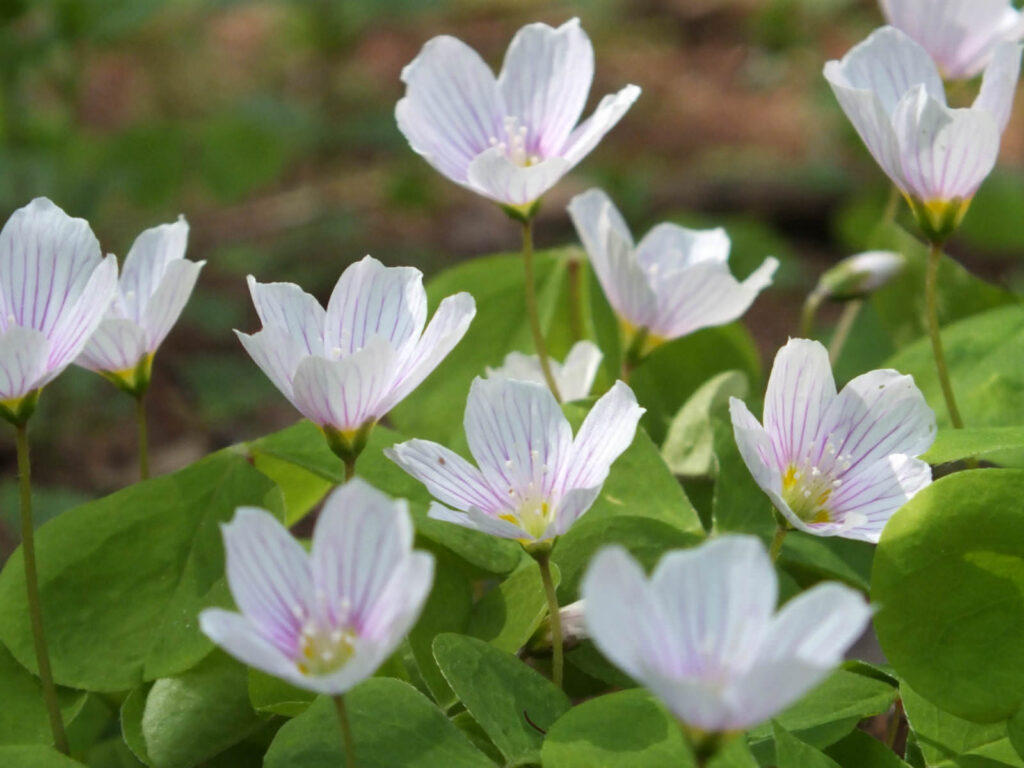
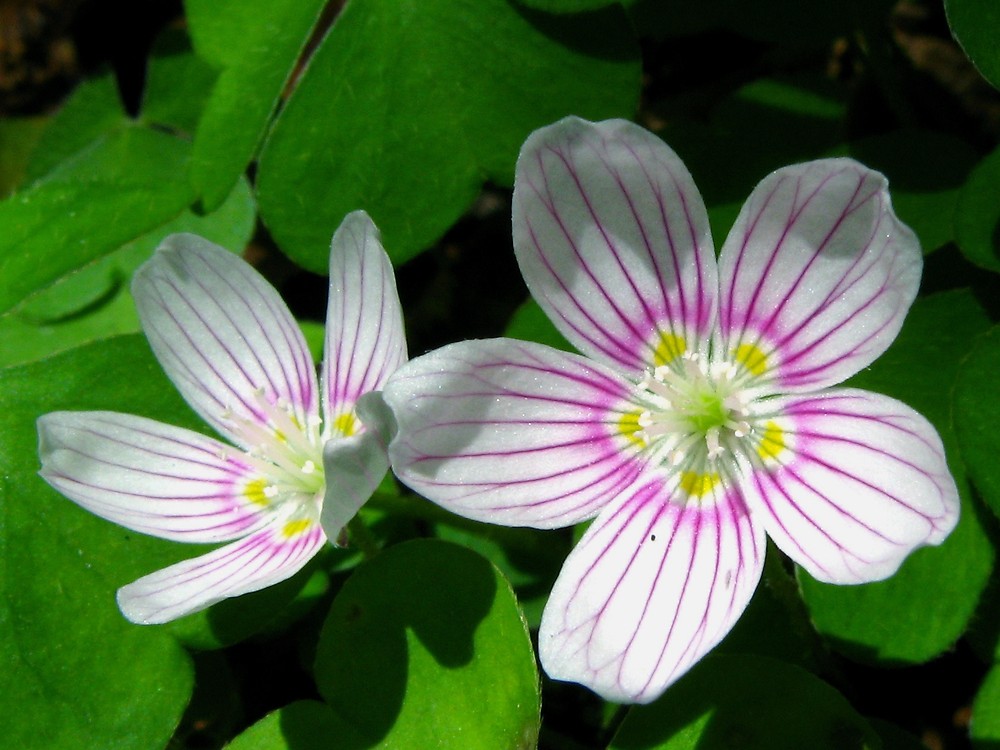
In the enchanting realm of Wood Sorrel, Oxalis acetosella, commonly known as Common Wood Sorrel, emerges as a woodland charmer celebrated for its distinctive features and widespread presence. Let us delve into the unique characteristics that distinguish Common Wood Sorrel in the verdant tapestry of the forest floor.

Oxalis acetosella_Common Wood Sorrel

In the enchanting realm of Wood Sorrel, Oxalis acetosella, commonly known as Common Wood Sorrel, emerges as a woodland charmer celebrated for its distinctive features and widespread presence. Let us delve into the unique characteristics that distinguish Common Wood Sorrel in the verdant tapestry of the forest floor.

Recognizing Common Wood Sorrel

Leaflet Love: Common Wood Sorrel is characterized by its trifoliate leaves, each resembling a charming heart or kidney shape. The heart-shaped leaflets give this variety an endearing quality, making it easily distinguishable from its woodland companions.

Delicate Blooms: Adding to its allure are the delicate white or pale pink flowers that grace Common Wood Sorrel. These dainty blooms, borne on slender stems, create a whimsical display, adding a touch of elegance to the woodland landscape.

Widespread Presence

Woodland Wanderer: Common Wood Sorrel is not confined to secretive corners of the forest; rather, it is a widespread and well-loved variety that can be found in a variety of wooded habitats. From shaded woodlands to sun-dappled clearings, this woodland wanderer thrives in diverse environments, creating carpets of greenery beneath the towering canopy.

Seasonal Symphony: During its active growing season, which typically spans late winter to early summer, Common Wood Sorrel transforms the forest floor into a seasonal symphony of heart-shaped leaves and delicate blossoms. Its presence becomes a testament to the cyclical rhythms of nature, marking the arrival of spring with botanical grace.

Why it is Well-Loved.

Charm and Adaptability: Common Wood Sorrel’s charm lies not only in its visual appeal but also in its adaptability. The heart-shaped leaves and delicate blooms create a sense of wonder, inviting admirers to appreciate the simple yet enchanting beauty that nature provides.

Culinary and Medicinal Potential: Beyond its aesthetic qualities, Common Wood Sorrel holds culinary and medicinal potential. Its leaves, with their tangy flavor, can be a delightful addition to salads or infusions. Additionally, some herbal traditions attribute mild anti-inflammatory properties to Wood Sorrel, contributing to its historical use in herbal remedies.

In the dappled sunlight of the woodland, Common Wood Sorrel stands as a beloved companion, weaving its magic into the fabric of the natural world. As you encounter this woodland charmer in your foraging adventures, take a moment to appreciate its heart-shaped leaves and delicate blooms, and perhaps let its presence inspire a deeper connection with the enchanting mysteries of the forest.

Oxalis stricta (Yellow Wood Sorrel): A Sunlit Symphony

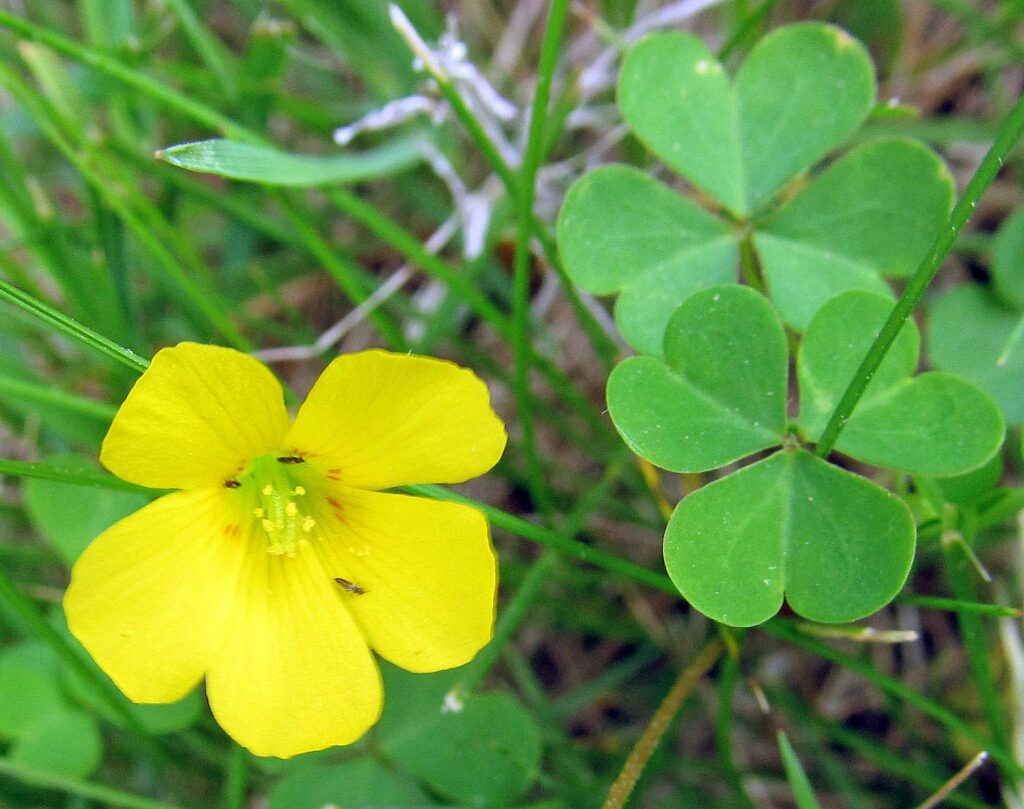
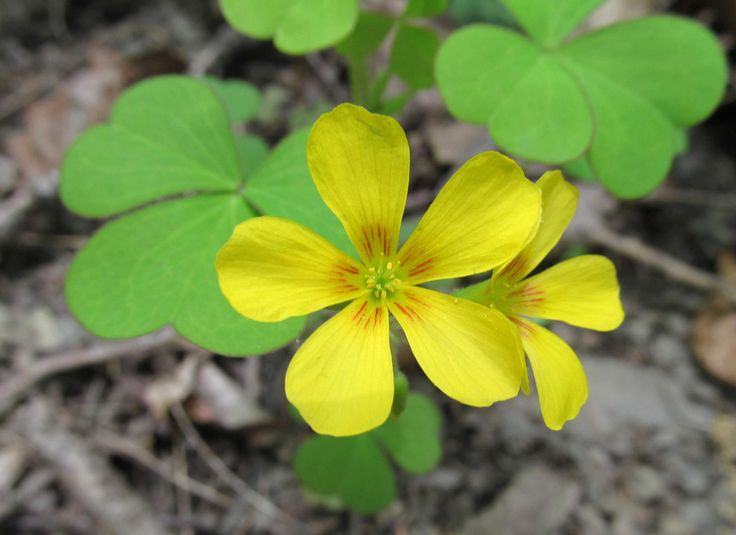
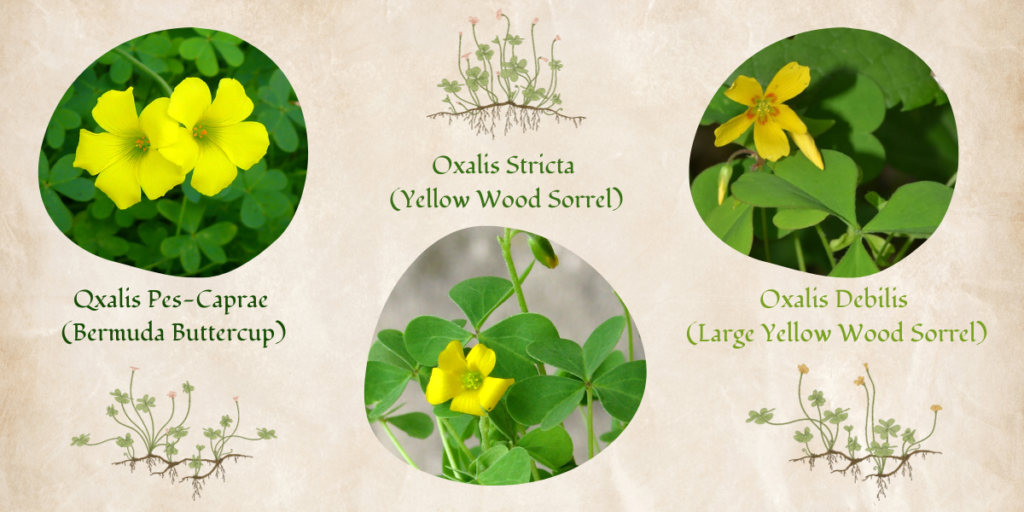
Oxalis stricta_Yellow Wood Sorrel

In the botanical orchestra of Wood Sorrel, Oxalis stricta, commonly referred to as Yellow Wood Sorrel, takes center stage with its vibrant hues and distinctive clover-like leaves. Let us explore the radiant qualities that define Yellow Wood Sorrel and make it a prevalent and captivating variant in various regions.

Characteristics of Yellow Wood Sorrel

Sunny Petals: One of the defining features of Yellow Wood Sorrel is its bright yellow flowers, which stand out like rays of sunshine against the green backdrop of the forest floor. These cheery blossoms, reminiscent of miniature suns, contribute to the visual appeal that makes Yellow Wood Sorrel a standout in woodland landscapes.

Clover-Like Leaves: The leaves of Yellow Wood Sorrel bear a striking resemblance to clover, showcasing three leaflets arranged in a trifoliate pattern. This clover-like foliage adds to the plant’s charm and aids in its identification, especially when it mingles with other woodland flora.

Widespread Presence

Versatile Habitats: Yellow Wood Sorrel showcases its adaptability by thriving in a variety of habitats. From open meadows to the edges of woodlands, this variant asserts its presence with a sunny disposition. Its ability to flourish in both sunlit and partially shaded areas contributes to its prevalence in diverse regions.

Global Resilience: Yellow Wood Sorrel is not bound by geographical constraints; rather, it is a resilient species that can be found in various parts of the world. Its global presence adds to its allure, making it a familiar and cherished sight for those who appreciate the simple beauty of woodland flora.

Why it Stands Out

Colorful Elegance: The bright yellow blossoms of Yellow Wood Sorrel bring a touch of colorful elegance to natural settings. As the flowers unfurl, they create a sunlit symphony, transforming the landscape into a vibrant tapestry of green and gold.

Culinary and Folk Uses: Beyond its aesthetic appeal, Yellow Wood Sorrel shares culinary potential with its close botanical relatives. Its leaves, like those of Common Wood Sorrel, possess a tangy flavor that adds zest to salads and other culinary creations. Additionally, some folk traditions attribute mild medicinal properties to Yellow Wood Sorrel, contributing to its historical use in herbal practices.

In the dance of light and shadow beneath the forest canopy, Yellow Wood Sorrel’s radiant blooms and clover-like leaves stand as a testament to the resilience and beauty of woodland flora. As you encounter this sunlit variant in your explorations, take a moment to appreciate its vibrant hues and the role it plays in the intricate tapestry of the natural world.

Oxalis Montana (Mountain Wood Sorrel): Navigating Alpine Realms

Oxalis montana_Mountain Wood Sorrel

In the ethereal world of Wood Sorrel, Oxalis Montana, affectionately known as Mountain Wood Sorrel, stands as a testament to nature’s adaptability and resilience. This particular species, with its unique characteristics, has found its niche in alpine and subalpine environments, creating a botanical masterpiece in the lofty heights of mountainous regions.

Adaptation to Alpine Environments

Blossoming in High Altitudes: Mountain Wood Sorrel, as the name implies, has seamlessly adapted to the challenges presented by alpine and subalpine landscapes. Flourishing in high-altitude environments, this species showcases a remarkable ability to thrive where conditions can be harsh and unpredictable.

Distinctive Features: While maintaining the classic trifoliate leaves typical of Wood Sorrel, Mountain Wood Sorrel may exhibit adaptations to its alpine habitat. These adaptations could manifest in the size, shape, or thickness of the leaves, allowing the plant to withstand the rigors of mountainous terrain.

Habitats of Mountain Wood Sorrel

Scattered Alpine Meadows: Within mountainous regions, Mountain Wood Sorrel graces alpine meadows with its presence. Its delicate foliage and charming blooms create pockets of botanical beauty amidst rocky outcrops and high-altitude landscapes. These scattered meadows become a canvas for nature’s artistry, painted with the subtle hues of Mountain Wood Sorrel’s blossoms.

Subalpine Forest Edges: In addition to open meadows, Mountain Wood Sorrel may also be found along the edges of subalpine forests, contributing to the rich biodiversity of these transitional zones. Its ability to adapt to varying degrees of sunlight and soil conditions allows it to carve a niche in diverse subalpine habitats.

Seasonal Symphony in the Mountains

Blooming in Harmony with Nature: The blooming season of Mountain Wood Sorrel aligns with the brief yet vibrant growing period in alpine environments. As snow retreats and the mountain landscape awakens, these Wood Sorrel blossoms add a touch of elegance and color to the rugged terrain, creating a seasonal symphony that echoes through the heights.

Ecological Significance: In these mountainous regions, Mountain Wood Sorrel plays a crucial role in ecology, contributing to the intricate web of life in alpine ecosystems. Its adaptation to the unique challenges of high-altitude environments showcases nature’s ability to create harmony even in the harshest conditions.

Conservation Considerations

Balancing Fragility and Resilience: While Mountain Wood Sorrel demonstrates resilience, it is essential to approach its habitats with care. Alpine ecosystems are often fragile, and human activities can have lasting impacts. Responsible foraging and conservation efforts become paramount to ensure the delicate balance between human interaction and the preservation of these pristine mountain environments.

Encountering Mountain Wood Sorrel in its alpine realm is an invitation to witness the tenacity of life in challenging landscapes. As you navigate the lofty heights, observe the adaptations that make this Wood Sorrel species unique, and let its presence become a symbol of the delicate beauty thriving against all odds in the heart of the mountains.

Oxalis debilis (Large Yellow Wood Sorrel): Blooms of Radiant Grandeur

Oxalis debilis_Large Yellow Wood Sorrel

In the diverse family of Wood Sorrels, Oxalis debilis, affectionately referred to as Large Yellow Wood Sorrel, stands out with its strikingly larger yellow blossoms, adding a touch of grandeur to the Wood Sorrel repertoire. This species has not only captivated the attention of garden enthusiasts but has also found a home as an ornamental plant, enhancing the aesthetic charm of gardens worldwide.

Distinguishing Features of Large Yellow Wood Sorrel

Floral Elegance: The most distinctive feature of Large Yellow Wood Sorrel lies in its impressive, larger-than-life yellow flowers. These blossoms, with their radiant hue, create a visual spectacle that distinguishes this species from its woodland counterparts.

Leaf Structure: While maintaining the trifoliate leaf structure characteristic of Wood Sorrels, Large Yellow Wood Sorrel showcases leaves that provide an elegant backdrop to its resplendent blossoms. The combination of lush foliage and vibrant flowers enhances its appeal in garden settings.

Cultivation as an Ornamental Plant

Garden Grandeur: Large Yellow Wood Sorrel has found favor among gardeners and landscape enthusiasts for its ornamental qualities. The impressive size and vivid color of its blooms make it a sought-after addition to gardens, contributing to the overall aesthetics of floral displays.

Versatile Landscaping: Whether nestled among other flowering plants or adorning garden borders, Large Yellow Wood Sorrel adds versatility to landscaping endeavors. Its adaptability to different garden designs, coupled with its eye-catching flowers, makes it a valuable asset for those seeking to create visually appealing outdoor spaces.

Global Presence in Gardens

International Appeal: Large Yellow Wood Sorrel has transcended geographical boundaries and can be found in gardens across the globe. Its universal appeal lies in its ability to thrive in diverse climates, providing gardeners with a reliable and beautiful addition to their floral landscapes.

Amidst Flower Beds and Pathways: Within gardens, Large Yellow Wood Sorrel often finds its place amidst flower beds, along pathways, or as part of larger garden designs. Its radiant blooms contribute to the overall vibrancy of the garden, creating a harmonious blend of color and texture.

Considerations for Cultivation

Optimal Growing Conditions: For those considering the cultivation of Large Yellow Wood Sorrel, providing well-drained soil and adequate sunlight are key factors for its success. The plant’s adaptability makes it suitable for various garden settings, from sunny spots to partially shaded areas.

Responsible Gardening Practices: While cultivating Large Yellow Wood Sorrel can enhance the visual appeal of gardens, it is essential to practice responsible gardening. This includes mindful watering, avoiding invasive tendencies, and respecting the ecological balance within garden ecosystems.

In gardens worldwide, Large Yellow Wood Sorrel unfolds its petals with grace, offering a visual symphony of color and form. Whether admired for its ornamental qualities or appreciated as part of a broader gardening vision, this species contributes to the kaleidoscope of botanical beauty cultivated by passionate gardeners around the world.

.


Oxalis pes-caprae (Bermuda Buttercup): A Radiant Intruder

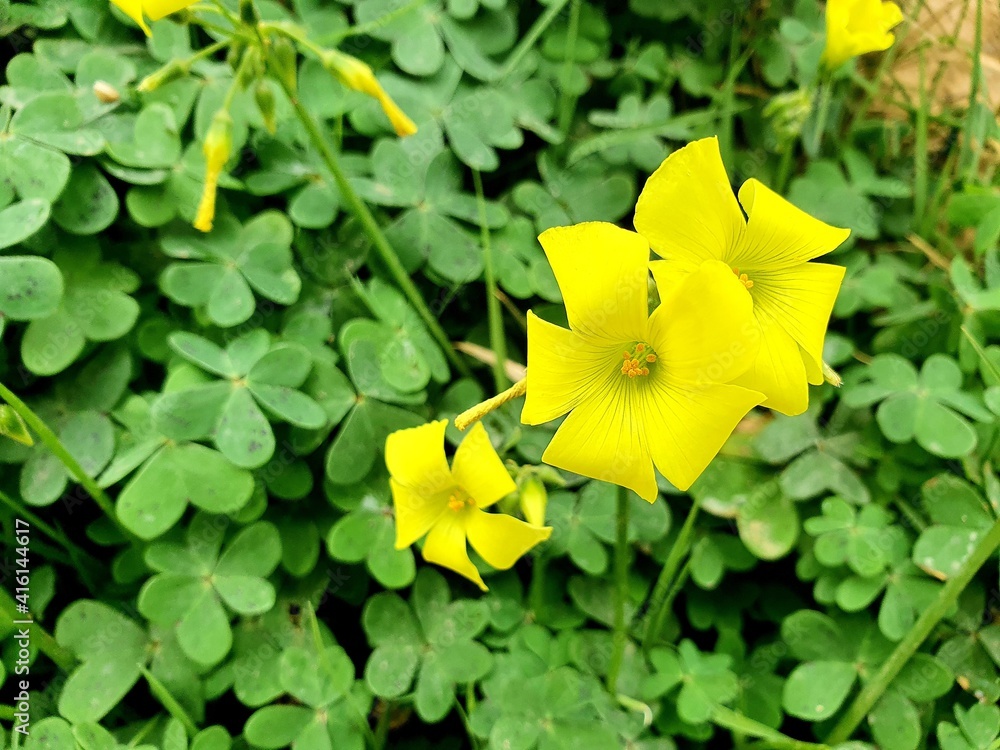
Oxalis pes-caprae_Bermuda Buttercup

In the botanical tapestry of Oxalis species, Oxalis pes-caprae, commonly known as Bermuda Buttercup, asserts itself with a burst of bright yellow flowers. While its floral display captivates onlookers, this species has garnered a reputation for being invasive in certain regions, showcasing the complex interplay between botanical beauty and ecological concerns.

A Symphony of Yellow Blooms

Vibrant Floral Display: Bermuda Buttercup makes a bold statement with its abundant and radiant yellow flowers. The blossoms, resembling miniature cups of sunshine, create a visual spectacle that stands out against the greenery, adding a touch of cheerfulness to the landscape.

Prolific Growth: This species is characterized by its prolific growth, often forming expansive carpets of yellow blooms. The sheer abundance of flowers contributes to its visual impact, transforming landscapes into seas of yellow during their blooming season.

Considered Invasive in Some Regions

Ecological Challenges: While the visual allure of Bermuda Buttercup is undeniable, its success in spreading and colonizing new areas has led to concerns about its invasive nature. In certain regions, the plant can outcompete native vegetation, posing a challenge to local ecosystems and biodiversity.

Aggressive Colonization: Bermuda Buttercup is known for its ability to spread rapidly, taking advantage of favorable conditions to establish itself in diverse habitats. Its aggressive colonization tendencies have raised ecological alarms in regions where it has become invasive.

Managing Invasive Species

Environmental Impact: The invasive nature of Bermuda Buttercup highlights the importance of understanding the environmental impact of introduced plant species. Invasive plants can disrupt native ecosystems, affecting soil composition, water availability, and the balance of local flora and fauna.

Control Measures: Efforts to manage invasive species often involve implementing control measures to curb their spread. These may include manual removal, herbicidal treatments, or the introduction of natural predators to help restore ecological balance.

Appreciating Beauty with Caution

Balancing Aesthetics and Ecology: The presence of Bermuda Buttercup in certain regions prompts a nuanced perspective on botanical aesthetics. While the species showcases a dazzling floral display, responsible observers consider the potential ecological consequences and the need for sustainable landscaping practices.

Local Regulations: In areas where Bermuda Buttercup is considered invasive, local authorities may implement regulations to control its spread. Awareness and adherence to these guidelines play a crucial role in mitigating the impact of invasive species on native ecosystems.

In the dichotomy of its radiant beauty and invasive tendencies, Bermuda Buttercup serves as a reminder of the intricate relationships between introduced plant species and the delicate balance of ecosystems. As admirers of nature’s wonders, it becomes imperative to appreciate botanical splendor with an ecological consciousness, recognizing the impact that certain species can have on the delicate web of life.

Oxalis triangularis (Purple Shamrock): A Jewel in the Oxalis Crown

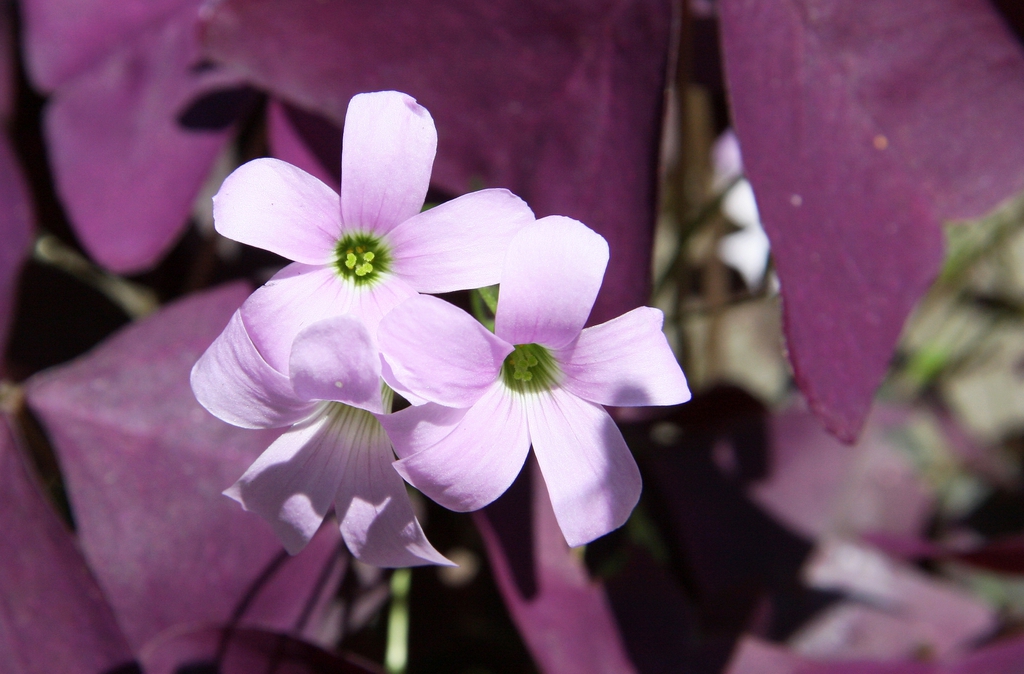
Oxalis triangularis_Purple Shamrock or False Shamrock

In the vast Oxalis genus, Oxalis triangularis, commonly known as Purple Shamrock or False Shamrock, emerges as a distinctive member that deviates from the traditional Wood Sorrel archetype. Although not commonly associated with the woodland realm, this species captivates with its unique attributes, showcasing striking purple leaves and often finding a place of honor as a cherished houseplant.

Diverging from Wood Sorrel Traditions

Botanical Distinction: Purple Shamrock sets itself apart by deviating from the trifoliate leaf structure characteristic of Wood Sorrels. Instead, it unfolds leaves with a unique triangular shape, adding a geometric elegance to its appearance. This departure from the traditional clover-like form establishes Purple Shamrock as a distinct and intriguing member of the Oxalis genus.

Colorful Foliage: The most conspicuous feature of Purple Shamrock lies in its leaves, which boast a rich purple hue. The vibrant coloration, combined with the distinctive shape, creates a visual spectacle that captivates plant enthusiasts and adds a touch of regality to indoor spaces.

A Popular Houseplant

Adorned Windowsills and Shelves: While it may not share the woodland habitats of its Wood Sorrel relatives, Purple Shamrock has found a welcoming home indoors. Its adaptability to container living and its aesthetic appeal make it a popular choice for houseplant enthusiasts, adorning windowsills, shelves, and indoor gardens.

Cultural Significance: The Purple Shamrock’s allure extends beyond its visual appeal. In some cultures, it is considered a symbol of good luck, adding a layer of cultural significance to its popularity as a houseplant. Its unique appearance and positive symbolism contribute to its widespread cultivation in indoor settings.

Cultivation and Care

Thriving Indoors: Purple Shamrock is well-suited to indoor environments, thriving in well-drained soil and moderate sunlight. Its adaptability to varying light conditions makes it an accessible choice for plant enthusiasts seeking a touch of botanical elegance within their homes.

Dormancy Periods: One intriguing aspect of Purple Shamrock’s lifecycle is its dormancy periods. During these phases, the plant may shed its leaves, entering a restful state. Understanding and accommodating these natural cycles contribute to successful cultivation and the plant’s overall well-being.

A Botanical Jewel in Home Decor

Year-Round Beauty: One of the distinctive advantages of Purple Shamrock as a houseplant is its ability to maintain its ornamental appeal year-round. Even when not in bloom, the vibrant purple foliage continues to grace indoor spaces with its unique charm, creating a lasting impact on home decor.

Enhancing Indoor Aesthetics: As a botanical jewel in home decor, Purple Shamrock not only adds visual interest but also contributes to the ambiance of indoor spaces. Its presence becomes a conversation starter and an expression of appreciation for the diverse and captivating world of plant life.

In the realm of Oxalis, Purple Shamrock emerges as a captivating outlier, enchanting indoor spaces with its unique foliage and cultural significance. While it may not share the woodland habitat of its Wood Sorrel relatives, its popularity as a houseplant underscores the universal appeal of nature’s botanical wonders.Top of Form

Unveiling the Botanical Identity of Wood Sorrel and its Variants

Identifying Wood Sorrel and its various species within the Oxalis genus is an enchanting exploration into the delicate nuances of leaf structure, floral embellishments, and overall stature. To unveil the unique and captivating essence of each variant within the Wood Sorrel family, let us delve into the key identification features that define these woodland companions.

Leaf Shape: A Closer Look at Nature’s Trifoliate Artistry

Wood Sorrel’s hallmark lies in its trifoliate leaves, a charming composition reminiscent of a clover. However, each variant unfolds its own artistic twist within this trifoliate framework:

Common Wood Sorrel (Oxalis acetosella): Recognizable by heart-shaped leaflets, Common Wood Sorrel introduces endearing elegance to the woodland floor.

Yellow Wood Sorrel (Oxalis stricta): Exhibiting clover-like leaves with a trifoliate arrangement, Yellow Wood Sorrel adds charm with its verdant, shamrock-inspired foliage.

Mountain Wood Sorrel (Oxalis Montana): Thriving in alpine environments, the leaves of Mountain Wood Sorrel may display unique adaptations, reflecting resilience to mountainous conditions.

Large Yellow Wood Sorrel (Oxalis debilis): Known for larger yellow flowers, this species boasts leaves that complement its blossoms and contribute to its ornamental appeal.

Bermuda Buttercup (Oxalis pes-caprae): Although considered invasive, its trifoliate leaves form part of its identification, contributing to its overall visual impact.

Purple Shamrock (Oxalis triangularis): While not traditionally part of Wood Sorrel’s woodland cohort, Purple Shamrock introduces a captivating twist with triangular, often purple-hued leaves.

Flower Color: A Palette of Nature’s Expression

The floral display of Wood Sorrel is a captivating spectacle, with each species contributing its own hue to the woodland canvas:

Common Wood Sorrel: Adorned with delicate white or pale pink flowers, it creates a subtle yet enchanting contrast against lush green surroundings.

Yellow Wood Sorrel: Bursting forth with vibrant yellow blossoms, it turns the woodland floor into a sunlit tapestry, exuding cheerfulness, and warmth.

Mountain Wood Sorrel: The flowers may adopt various shades, often in harmony with the alpine environment, contributing to the overall biodiversity of mountain landscapes.

Large Yellow Wood Sorrel: Known for larger yellow flowers that complement its vibrant foliage.

Bermuda Buttercup: Highlighting abundant yellow blooms that define its invasive yet visually striking nature.

Purple Shamrock: Introducing a splash of regal purple in its blooms, enhancing its allure and standing out from the typical Wood Sorrel color palette.

Height: Nature’s Tapestry Unfolds Close to the Ground

Wood Sorrel, true to its woodland disposition, is characterized by its low-growing stature, creating an intimate connection with the forest floor:

Common Height Range: Most Wood Sorrel varieties hover between 6 to 12 inches in height, maintaining a humble yet impactful presence amidst other woodland flora.

Observing these nuanced features not only aids in accurate identification but also deepens your appreciation for the intricate variations within the Wood Sorrel family. As you embark on woodland explorations, pay homage to the trifoliate leaves, the blossoms’ vibrant hues, and the modest stature that collectively define the identity of Wood Sorrel and its captivating variants.

Medicinal Uses of Wood Sorrel Variants

Wood Sorrel, with its diverse array of species including Oxalis acetosella (Common Wood Sorrel), Oxalis stricta (Yellow Wood Sorrel), Oxalis Montana (Mountain Wood Sorrel), Oxalis debilis (Large Yellow Wood Sorrel), Oxalis pes-caprae (Bermuda Buttercup), and Oxalis triangularis (Purple Shamrock or False Shamrock), not only graces the woodland floor but also holds a treasure trove of medicinal potential, boasting nutritional richness and traditional applications.

Nutritional Content: A Woodland Bounty

Wood Sorrel, in its various forms, is a charming woodland companion that also serves as a source of valuable nutrients, contributing to overall health and well-being. Among its nutritional offerings, Wood Sorrel provides significant amounts of vitamin C and contains oxalic acid.

Medicinal Applications: Harnessing Nature’s Remedies

Traditionally, Wood Sorrel has been embraced for its potential medicinal benefits, with each variant bringing its unique qualities to the realm of herbal remedies.

Anti-Inflammatory Properties: Wood Sorrel, including variants like Common Wood Sorrel and Yellow Wood Sorrel, is believed to possess mild anti-inflammatory effects. This makes it a natural remedy for addressing minor irritations and inflammations, offering a gentle and holistic approach to soothing discomfort.

Rich in Vitamin C: Across the spectrum of Wood Sorrel variants, their shared characteristic is being rich in vitamin C. This essential nutrient is known for its immune-boosting properties. Incorporating Wood Sorrel into your diet, whether as a tea or in culinary creations, provides a natural source of vitamin C to support overall immune health.

Adaptogenic Potential: Mountain Wood Sorrel, with its unique adaptations to alpine environments, may contribute additional adaptogenic benefits. Traditionally, adaptogens are valued for their ability to help the body adapt to stressors, promoting resilience and balance.

Wood Sorrel and its variants, with their rich nutritional profile and traditional medicinal applications, invite you to explore the bountiful offerings of nature’s pharmacy. Whether enjoyed as a delightful addition to your culinary repertoire or harnessed for its potential health benefits, Wood Sorrel stands as a testament to the harmonious relationship between the botanical world and human well-being.

Culinary Delights with Wood Sorrel Variants

Wood Sorrel, featuring a delightful array of species including Oxalis acetosella (Common Wood Sorrel), Oxalis stricta (Yellow Wood Sorrel), Oxalis Montana (Mountain Wood Sorrel), Oxalis debilis (Large Yellow Wood Sorrel), Oxalis pes-caprae (Bermuda Buttercup), and Oxalis triangularis (Purple Shamrock or False Shamrock), is not just a woodland spectacle but a culinary gem that adds a burst of tangy, lemony flavor to dishes, transforming them into culinary masterpieces.

Distinctive Flavor Profile: A Citrusy Zest

The hallmark of Wood Sorrel’s culinary appeal lies in its unique flavor profile, imparting a tangy and lemony zest. This distinctive taste elevates the sensory experience of dishes, offering a refreshing twist that captures the essence of the woodland environment.

Versatile Culinary Applications: Unleashing Creativity in the Kitchen

Embrace the culinary possibilities that Wood Sorrel and its variants bring to the table. Let the woodland bounty inspire your culinary creations with these versatile applications:

Salads: A Zesty Kick to Greens

Common Wood Sorrel and Yellow Wood Sorrel:

  • Add Wood Sorrel leaves to salads for a zesty kick.
  • The vibrant, citrusy notes of Wood Sorrel complement the freshness of greens, creating a harmonious blend of flavors.

Garnishes: Vibrant Edible Elegance

Large Yellow Wood Sorrel and Purple Shamrock:

  • Sprinkle Wood Sorrel atop dishes as a vibrant, edible garnish.
  • The colorful foliage of Large Yellow Wood Sorrel and the regal purple hues of Purple Shamrock enhance the visual appeal of your culinary creations.

Infusions: A Unique Flavor Infusion

Mountain Wood Sorrel and Bermuda Buttercup:

  • Incorporate Wood Sorrel into teas or infuse it in vinegar for a unique flavor profile.
  • The adaptogenic potential of Mountain Wood Sorrel and the vibrant blooms of Bermuda Buttercup add depth to infusions, creating a sensory journey with each sip.

Wood Sorrel and its variants beckon you to elevate your culinary repertoire, infusing your dishes with the essence of woodlands and the zest of citrusy delights. Whether used as a zesty addition to salads, a vibrant garnish, or a unique flavor infusion, Wood Sorrel invites you to embark on a culinary journey where creativity knows no bounds.

Harvesting Wood Sorrel Variants: A Forager’s Guide to Woodland Bounty

Foraging Wood Sorrel, with its diverse species including Oxalis acetosella (Common Wood Sorrel), Oxalis stricta (Yellow Wood Sorrel), Oxalis Montana (Mountain Wood Sorrel), Oxalis debilis (Large Yellow Wood Sorrel), Oxalis pes-caprae (Bermuda Buttercup), and Oxalis triangularis (Purple Shamrock or False Shamrock), is a delightful journey into the heart of woodland abundance. To ensure a sustainable and respectful foraging experience, here are essential guidelines to follow:

Responsible Harvesting: Preserve Woodland Harmony

Common and Yellow Wood Sorrel: When venturing into the woodland realm to forage Common Wood Sorrel (Oxalis acetosella) and Yellow Wood Sorrel (Oxalis stricta), embrace the ethos of responsible harvesting. Take only what you need, delicately plucking these woodland gems while ensuring the sustainability of Wood Sorrel populations. By doing so, you become a steward of the delicate balance within woodland ecosystems, allowing these charming plants to flourish and contribute to the vibrant tapestry of nature.

Selecting Young Leaves: Tender Delicacies Await

Mountain Wood Sorrel and Large Yellow Wood Sorrel: As you embark on the quest for Mountain Wood Sorrel (Oxalis Montana) and Large Yellow Wood Sorrel (Oxalis debilis), let the pursuit of tender delicacies guide your hand. opt for the young leaves, tender and full of flavor. These delicate emerald treasures not only offer a refined texture but also enhance the culinary experience with their concentrated and nuanced flavors. The forest floor becomes a palate of possibilities as you carefully select the verdant jewels that promise to elevate your culinary creations.

Avoid Contaminated Areas: Nature’s Purity

Bermuda Buttercup and Purple Shamrock: When foraging the vibrant Bermuda Buttercup (Oxalis pes-caprae) and the regal Purple Shamrock (Oxalis triangularis), tread with the utmost care. Steer clear of areas treated with pesticides or herbicides, ensuring that the essence of Wood Sorrel variants remains untainted by harmful chemicals. In choosing pristine environments, you safeguard the purity of these woodland wonders, preserving their natural essence and culinary potential.

Harvesting Tips for Wood Sorrel Enthusiasts

Identification Mastery: Recognize the Unique Features: Before your hands touch the woodland treasures, engage in a quest for identification mastery. Recognize the unique features of each Wood Sorrel variant, distinguishing between the heart-shaped leaves of Common Wood Sorrel, the vibrant blooms of Bermuda Buttercup, and the regal purple hues of Purple Shamrock. This mastery ensures not only accurate foraging but also a respectful dance with nature’s diversity.

Cultivate a Connection: Engage with Nature: As you delicately harvest Wood Sorrel, cultivate a profound connection with the woodland environment. Engage with nature on a spiritual level, letting the rustle of leaves and the whisper of the wind guide your foraging journey. Be mindful of your surroundings, appreciating the beauty of the natural world and acknowledging the symbiotic relationship between foragers and forests.

Embrace the Seasons: Timing Matters: Nature dances through seasons, and each Wood Sorrel variant follows its own rhythm. Understand the growing seasons of different species, from the emergence of the first leaves to the burst of vibrant blossoms. Time your foraging adventures to align with the peak seasons, ensuring that the Wood Sorrel you harvest embodies the best quality, flavor, and magical essence.

In the delicate art of foraging Wood Sorrel, let these techniques be your guide—a symphony of respect, connection, and appreciation for the bounty that nature graciously offers.

Foraging Wood Sorrel variants is not just a culinary adventure but a harmonious dance with nature. By adopting responsible harvesting techniques, selecting young leaves for optimal flavor, and avoiding contaminated areas, you contribute to the preservation of these woodland treasures. Let your foraging journey be a celebration of nature’s abundance and a testament to the delicate interplay between foragers and the enchanting world of Wood Sorrel.

A Comparative Portrait of Oxalis stricta, Oxalis debilis, and Oxalis pes-caprae

Delving into the Wood Sorrel trio—Oxalis stricta (Yellow Wood Sorrel), Oxalis debilis (Large Yellow Wood Sorrel), and Oxalis pes-caprae (Bermuda Buttercup)—unveils a tapestry of botanical diversity. While sharing the enchanting trifoliate leaves characteristic of Wood Sorrels, each variant brings its own unique features to the woodland symphony.

Wood Sorrel Trio

Delving into the Wood Sorrel trio—Oxalis stricta (Yellow Wood Sorrel), Oxalis debilis (Large Yellow Wood Sorrel), and Oxalis pes-caprae (Bermuda Buttercup)—unveils a tapestry of botanical diversity. While sharing the enchanting trifoliate leaves characteristic of Wood Sorrels, each variant brings its own unique features to the woodland symphony.

Leaves: The Artistry of Trifoliate Elegance

Oxalis stricta (Yellow Wood Sorrel):

  • Exhibits clover-like leaves with three heart-shaped leaflets.
  • The leaflets are typically bright green and may have a yellowish tint.

Oxalis debilis (Large Yellow Wood Sorrel):

  • Features larger leaves compared to Yellow Wood Sorrel.
  • The trifoliate arrangement highlights expansive heart-shaped leaflets.

Oxalis pes-caprae (Bermuda Buttercup):

  • Presents heart-shaped leaflets that are larger than those of Yellow Wood Sorrel.
  • The leaves may have a glossy appearance, contributing to the overall vibrancy.

Stems: Colors and Textures in Harmony

Oxalis stricta (Yellow Wood Sorrel):

  • The stems are slender, often tinged with red, contributing to the plant’s overall delicate appearance.

Oxalis debilis (Large Yellow Wood Sorrel):

  • Features relatively slender stems, echoing the elegance of Yellow Wood Sorrel.

Oxalis pes-caprae (Bermuda Buttercup):

  • Exhibits sturdy stems with a robust yet graceful presence.

Flowers: Nature’s Blossoming Palette

Oxalis stricta (Yellow Wood Sorrel):

  • Boasts small, yellow flowers with five petals, adding a sunny touch to the woodland floor.

Oxalis debilis (Large Yellow Wood Sorrel):

  • Presents larger yellow flowers that complement the overall size of the plant.

Oxalis pes-caprae (Bermuda Buttercup):

  • Highlights bright yellow blossoms, creating a vibrant tapestry when in bloom.

Scent: A Fragrant Overture

Oxalis stricta (Yellow Wood Sorrel):

  • Emits a subtle, lemony scent when the leaves are crushed, contributing to the sensory experience.

Oxalis debilis (Large Yellow Wood Sorrel):

  • Carries a similar lemony fragrance, enhancing the olfactory allure of the woodland.

Oxalis pes-caprae (Bermuda Buttercup):

  • Offers a mild scent, contributing to the overall sensory appeal.

Habitat and Distribution: Thriving in Distinct Environments

Oxalis stricta (Yellow Wood Sorrel):

  • Commonly found in a variety of environments, from lawns to woodlands.

Oxalis debilis (Large Yellow Wood Sorrel):

  • Thrives in diverse habitats, including gardens and open spaces.

Oxalis pes-caprae (Bermuda Buttercup):

  • Often seen in coastal areas and disturbed habitats, displaying its adaptability.

Distinctive Features: A Symphony of Unique Traits

Oxalis stricta (Yellow Wood Sorrel):

  • Delicate appearance with slender stems.
    • Bright yellow flowers contribute to its visual charm.

Oxalis debilis (Large Yellow Wood Sorrel):

  • Larger leaves and flowers distinguish it from its Yellow Wood Sorrel counterpart.
    • Expansive heart-shaped leaflets create an impressive foliage display.

Oxalis pes-caprae (Bermuda Buttercup):

  • Robust stems and glossy leaves set it apart in terms of stature.
    • Bright yellow blossoms add a burst of color to coastal landscapes.

In the woodland ensemble, Oxalis stricta, Oxalis debilis, and Oxalis pes-caprae harmonize with their trifoliate elegance while displaying distinctive features that make each a botanical virtuoso. From the delicate demeanor of Yellow Wood Sorrel to the larger-than-life presence of Large Yellow Wood Sorrel and the coastal charm of Bermuda Buttercup, this Wood Sorrel trio adds a symphony of diversity to the enchanting woodland realm.

Safety Concerns: Navigating the Oxalic Symphony of Wood Sorrel Variants

Wood Sorrel, a captivating woodland companion encompassing species like Oxalis acetosella (Common Wood Sorrel), Oxalis stricta (Yellow Wood Sorrel), Oxalis Montana (Mountain Wood Sorrel), Oxalis debilis (Large Yellow Wood Sorrel), Oxalis pes-caprae (Bermuda Buttercup), and Oxalis triangularis (Purple Shamrock or False Shamrock), brings not only culinary delights but also considerations for safe consumption.

Oxalic Acid Content: A Melodic Cautionary Note

In the botanical symphony of Wood Sorrel, the presence of oxalic acid adds a note of caution. Oxalic acid, when present in high concentrations, can be harmful. However, the amount found in Wood Sorrel is generally considered safe for consumption in moderation. The leaves of Wood Sorrel, with their tangy, lemony flavor, contribute a culinary melody that, when savored responsibly, becomes a harmonious addition to your gastronomic repertoire.

Caution for Certain Individuals: A Personalized Cadence

As with any natural treasure, there are nuances to consider. Individuals with a history of kidney stones or those susceptible to oxalate-related issues should approach Wood Sorrel with a personalized cadence. While the oxalic acid content in Wood Sorrel is generally safe for most, moderation becomes the key refrain for those with specific health considerations.

Navigating the Oxalic Symphony: Guidelines for Safe Enjoyment

To dance gracefully with the oxalic symphony of Wood Sorrel and its variants, consider the following guidelines:

Moderation as the Melody: Enjoy Wood Sorrel in moderation, savoring its culinary and potential magical benefits without overindulgence.

Personal Health Harmony: Individuals with kidney stones or oxalate-related concerns should consult with healthcare professionals to ensure Wood Sorrel aligns with their health harmony.

Diverse Culinary Notes: Explore diverse culinary notes by incorporating Wood Sorrel into a range of dishes, ensuring a varied and balanced approach to its consumption.

In the symphony of Wood Sorrel, safety concerns are like carefully orchestrated notes, reminding us to embrace the botanical treasure responsibly. By harmonizing the tangy notes of Wood Sorrel with moderation and personal health considerations, you can savor the enchantment of this woodland gem without missing a beat. Let the safety guidelines be your guiding score, ensuring that your journey with Wood Sorrel is both delightful and health-conscious.

Magical Harmony with Wood Sorrel Variants: A Symphony of Energies

Wood Sorrel, with its diverse species including Oxalis acetosella (Common Wood Sorrel), Oxalis stricta (Yellow Wood Sorrel), Oxalis Montana (Mountain Wood Sorrel), Oxalis debilis (Large Yellow Wood Sorrel), Oxalis pes-caprae (Bermuda Buttercup), and Oxalis triangularis (Purple Shamrock or False Shamrock), weaves a tapestry of magical significance. Explore the energies and associations that dance through the woodland realms, inviting joy, happiness, renewal, and growth into your magical practice.

Energies and Associations: A Dance of Joy and Renewal

Common and Yellow Wood Sorrel: Wood Sorrel’s magical significance resonates with energies of joy and happiness, mirroring the vibrant and cheerful presence of Common Wood Sorrel and the sunny disposition of Yellow Wood Sorrel. Incorporate these variants into your magical workings to infuse your practice with the uplifting energy of joy.

Mountain Wood Sorrel and Large Yellow Wood Sorrel: As Mountain Wood Sorrel braves alpine environments and Large Yellow Wood Sorrel graces gardens, their springtime emergence symbolizes renewal and growth. Connect with these woodland companions in your magical practices, embracing their symbolism for rituals centered around renewal, growth, and the positive energy of flourishing landscapes.

Bermuda Buttercup and Purple Shamrock: The invigorating energy of Bermuda Buttercup and the regal allure of Purple Shamrock add layers to Wood Sorrel’s magical repertoire. Embrace the joyous vibes of Bermuda Buttercup and the mystical hues of Purple Shamrock as you delve into magical practices that resonate with the enchanting energies they bring to your spiritual space.

Magical Practices: Weaving Woodland Enchantment

Altar Decor: Place sprigs of Wood Sorrel on your altar to invoke earthy energies and connect with the spirit of the woodland. The heart-shaped leaves of Common Wood Sorrel, the vibrant blooms of Bermuda Buttercup, and the regal purple hues of Purple Shamrock become talismans, bridging the magical and natural realms.

Rituals for Renewal: Incorporate Wood Sorrel into rituals symbolizing renewal, growth, and positive energy. As you weave the woodland enchantment into your rituals, let the symbolic emergence of these variants guide you on a spiritual journey, embracing the cyclical nature of magical practices and the ever-renewing energies of the earth.

As you delve into the magical significance of Wood Sorrel and its captivating variants, let the energies of joy, happiness, renewal, and growth become a harmonious symphony in your magical repertoire. Embrace the woodland enchantment, allowing the vibrant energies of these botanical companions to infuse your practice with the magic of nature’s dance.

Conclusion

In the heart of the forest, where the woodland floor meets the dappled sunlight, Wood Sorrel, with its trifoliate leaves and delicate flowers, unveils a world of enchantment. As you embark on the journey of responsible foraging, exploring its culinary delights, and infusing your magical practices with the energies it offers, Wood Sorrel becomes not just a botanical find but a cherished companion on your nature-inspired odyssey. Whether it graces your salads, adding a zesty twist, or adorns your altar, inviting earthy energies, Wood Sorrel beckons you to connect with the natural world. In its presence, discover the magic that unfolds beneath the forest canopy, a symphony of flavors and energies that harmonize with the essence of Wood Sorrel, a hidden gem waiting to be enjoyed in the embrace of your botanical journey.

Posted on Leave a comment

Autumn Home Remedies – Herbal Glycerites

Autumn Herbal Glycerites

Introduction

Autumn Home Remedies – Herbal Glycerites

Autumn is a time of transformation, as nature’s colors shift and the air turns crisp. It is also the perfect season to explore the art of herbal glycerites—a gentle and effective way to extract the healing properties of herbs, plants, and flowers. Herbal glycerites are liquid extracts that utilize glycerin as a medium to capture the essence of botanical ingredients. By utilizing the abundance of autumn foraging, we can create homemade herbal glycerites that promote well-being, nourish the body, and support our holistic health.

In this series, we’ll go over steam treatment, elixirs, teas, tinctures, broths, herbal glycerites, aroma therapy, and tonics. There are a lot of home remedies and nearly endless possibilities of methods. The eight selected for this series are some of the most common practices. All these covered home remedies are perfect for Autumn-Season applications.

In this article, we will delve into the process of crafting herbal glycerites using autumn herbs, plants, and flowers, allowing us to tap into the healing power of nature during this transformative season.

Herbal Glycerites

Herbal glycerites are one of my favorite ways to work with the magic of plants. They are like tinctures, but instead of using alcohol, they use glycerin to extract the essence of the herbs. Glycerin is a sweet and sticky liquid that comes from plants or animals. It’s great for making glycerites because it doesn’t have any alcohol, which some people don’t like or can’t have. Glycerites are also yummy and last a long time.

Herbal glycerites have been around for a long time. They were first mentioned in a book called King’s American Dispensatory (1898), which was a guide for making all kinds of herbal remedies. The book said that glycerites were “solutions of medicinal substances in glycerin” that you could use for healing yourself or others. Some herbalists also used glycerin to keep the fresh juices of herbs from going bad. Glycerin can pull out both the water and the oil parts of the plants, so it can capture their full power. Nowadays, herbal glycerites are also used in natural beauty products, because they make your skin soft, smooth, and healthy.

As nature transforms in the chill of autumn, it’s the perfect time to harness the healing power of herbs through the creation of herbal glycerites.

A Brief History of Glycerites

Herbal glycerites are liquid extracts that use vegetable glycerin as a solvent instead of alcohol. They are sweet, non-alcoholic, and shelf-stable, and can be used as alternatives to tinctures or syrups. They can be taken internally or applied externally, depending on the purpose and the plant. They can be used to treat various ailments, enhance well-being, and add flavor and sweetness to food and drinks.

Herbal glycerites have a relatively recent history compared to other forms of herbal medicine. Vegetable glycerin was not widely available until the 19th century, when it was first produced as a by-product of soap making. Before that, most herbal extracts were made with alcohol, vinegar, honey, or oil. However, some people preferred non-alcoholic or less acidic solvents, especially for children, pregnant women, or people with sensitive stomachs. Some also preferred sweeter or milder-tasting solvents, especially for culinary or cosmetic purposes.

Some of the earliest references to herbal glycerites can be found in the writings of American herbalists and botanists in the late 19th and early 20th centuries. For example, John Uri Lloyd, a pharmacist and professor of chemistry, published a book in 1892 called The Chemistry of Medicines, in which he described the preparation and properties of glycerites of various herbs, such as lobelia, ginger, and chamomile. Similarly, Maude Grieve, a teacher and founder of the Whins Medicinal and Commercial Herb School in England, published a book in 1931 called A Modern Herbal, in which she mentioned the use of glycerites of herbs such as licorice, marshmallow, and slippery elm.

Herbal glycerites have also been used by practitioners of witchcraft and pagan traditions, who value the use of natural and plant-based remedies for healing and magic. Some witches and pagans prefer glycerites over tinctures because they believe that alcohol can interfere with the vibration and energy of the herbs, or because they follow a sober or abstinent lifestyle. Some also prefer glycerites because they can be easily made at home, using fresh or dried herbs, vegetable glycerin, and water. Some of the common herbs used in witchcraft and pagan glycerites are lavender, rose, sage, mint, and lemon balm, which have various magical and spiritual properties, such as cleansing, protection, love, peace, and communication.

Herbal glycerites are a versatile and convenient way to use the healing and magical power of herbs. They can be used for various purposes, such as medicine, food, beauty, or ritual. They can also be customized and personalized, according to the preference and intention of the user. They are a relatively modern innovation, but they have roots in the ancient and primal practice of herbalism, which connects us to the earth and the plants that grow on it.

Autumn Foraging for Botanical Delights

Foraging is the act of searching for and collecting wild food resources from nature. It is an ancient and primal skill that connects us to our roots and our environment. Foraging can also be a form of witchcraft, as it allows us to tap into the energy and spirit of the plants and animals we encounter. By foraging for autumn herbs, plants, and flowers, we can create our own herbal glycerites that capture the essence and magic of the season.

Herbal glycerites are liquid extracts that use vegetable glycerin as a solvent instead of alcohol. They are sweet, non-alcoholic, and shelf-stable, and can be used as alternatives to tinctures or syrups. They can be taken internally or applied externally, depending on the purpose and the plant. They can be used to treat various ailments, enhance well-being, and add flavor and sweetness to food and drinks.

Foraging for herbal glycerite ingredients requires some knowledge and preparation. We need to know how to identify the plants we want to use, where to find them, when to harvest them, and how to store them. We also need to be respectful and responsible towards nature, and follow some ethical guidelines. For example, we should only take what we need, leave some for the wildlife and other foragers, avoid endangered or protected species, and ask for permission from the land and the plants.

Foraging for herbal glycerite ingredients also requires some creativity and intuition. We can experiment with different combinations and proportions of plants, and see how they affect our health and well-being. We can also listen to our inner guidance and follow our instincts, and see what plants call to us and what messages they have for us. We can also infuse our intention and gratitude into the plants, and thank them for their gifts and blessings.

Foraging for herbal glycerite ingredients is a rewarding and enjoyable activity that can enrich our lives and our practice. It can help us to heal, nourish, and empower ourselves and others. It can also help us to celebrate the beauty and bounty of autumn, and honor the cycle of life and death.

Autumn presents us with a treasure trove of herbs, plants, and flowers that can be foraged and incorporated into herbal glycerites. Consider gathering the following ingredients for your autumn brews:

  • Calendula: Known for its soothing and healing properties, calendula flowers are a staple in herbal remedies. Harvest the vibrant orange or yellow petals for their anti-inflammatory and skin-nourishing benefits.
  • Echinacea: This immune-boosting herb is commonly found in the autumn months. Harvest the roots, leaves, or flowers of echinacea for their potent antimicrobial and immune-stimulating properties.
  • Marshmallow Root: With its soothing and demulcent qualities, marshmallow root is excellent for respiratory health and soothing irritated mucous membranes. Harvest the root in autumn for its medicinal benefits.
  • Lemon Balm: This aromatic herb has a calming and uplifting effect on the nervous system. Harvest the leaves of lemon balm for their gentle sedative and mood-enhancing properties.

Creating Autumn Herbal Glycerites

Crafting herbal glycerites is a simple and rewarding process that allows us to preserve the medicinal properties of autumn herbs. Follow these steps to create your own homemade herbal glycerites:

Ingredients

  • Fresh or dried autumn herbs, plants, or flowers
  • Food-grade vegetable glycerin
  • Filtered water
  • Optional: vodka (to act as a preservative)

Process

  • Begin by thoroughly cleaning and drying the herbs, plants, or flowers you have foraged. Remove any damaged or discolored parts.
  • Fill a clean glass jar about halfway with your chosen botanical ingredients.
  • Pour a mixture of 3 parts glycerin and 1 part filtered water into the jar, ensuring the botanicals are fully submerged.
  • Use a clean spoon or chopstick to gently press down the botanicals, removing any air bubbles and ensuring they are fully covered by the glycerin mixture.
  • If desired, add a small amount of vodka to act as a preservative, especially if using fresh herbs.
  • Seal the jar tightly and place it in a cool, dark place away from direct sunlight.
  • Allow the mixture to infuse for 4-6 weeks, shaking the jar gently every few days to promote the extraction process.
  • After the infusion period, strain the glycerite using a fine mesh sieve or cheesecloth, collecting the liquid extract in a clean glass jar.
  • Label the jar with the name of the glycerite, the date of creation, and the ingredients used.

Utilizing Autumn Herbal Glycerites

Autumn herbal glycerites offer a versatile and convenient way to incorporate the healing properties of herbs into our daily lives. Here are some suggestions on how to utilize them effectively:

Oral Use: Take a few drops of the glycerite directly under the tongue for quick absorption and assimilation into the body. This method is ideal for supporting immune health, soothing digestion, or promoting relaxation.

Topical Application: Apply glycerite externally to soothe skin irritations, minor cuts, or burns. Glycerites can also be added to homemade skincare products, such as creams or lotions, to nourish and protect the skin.

Culinary Enhancements: Incorporate herbal glycerites into your autumn-inspired culinary creations. Add a few drops to beverages, desserts, or salad dressings for an extra burst of flavor and therapeutic benefits.

Customized Blends: Combine different herbal glycerites to create personalized blends that cater to specific health needs. For example, mix echinacea glycerite with elderberry glycerite for immune support during the colder months.

Storing and Shelf Life

To ensure the longevity and efficacy of your herbal glycerites, keep the following points in mind:

Store glycerites in amber glass bottles or jars to protect them from light degradation. Keep them in a cool, dry place away from direct sunlight.

Properly labeled glycerites can have a shelf life of 1-2 years or more if stored correctly. However, it’s essential to monitor the appearance, smell, and consistency of the glycerite regularly. If any signs of spoilage or degradation occur, discard the glycerite.

Note that glycerites have a sweeter taste compared to alcohol-based tinctures, making them more appealing for those with sensitivities or children.

Conclusion

Autumn herbal glycerites provide us with a wonderful opportunity to harness the healing power of nature during this transformative season. By foraging for herbs, plants, and flowers and creating our own homemade glycerites, we can infuse our daily routines with the therapeutic benefits of autumn’s bounty. Whether used orally, topically, or in culinary creations, these glycerites offer a convenient and effective way to support our well-being and connect with the healing properties of the natural world.

Embrace the beauty of autumn, venture into the realm of herbal glycerites, and experiment with the diverse range of ingredients available during this season. Explore the soothing qualities of calendula, the immune-boosting potential of echinacea, the soothing properties of marshmallow root, and the calming effects of lemon balm. Craft personalized blends, create culinary delights, and nourish your body and spirit with the essence of autumn.

Remember to always use caution and consult with a qualified herbalist or healthcare professional, especially if you have specific health conditions or are taking medications. Enjoy the journey of creating and utilizing autumn herbal glycerites and let the healing power of nature enhance your well-being during this transformative season. Embrace the wisdom of the earth, celebrate the bountiful offerings of autumn, and savor the benefits of these homemade remedies for holistic health and vitality.

Posted on Leave a comment

Honoring the Green Man – Libations

Honoring the Green Man

Introduction

Offering Libations to the God of the Forest

The forest is more than a collection of trees. It is a living, breathing, and sacred entity that holds the secrets and mysteries of the natural world. It is a realm where magic and wonder abound, where the spirits of the land dwell, and where the ancient and primal forces of nature manifest. And among these forces, there is one that stands out as the most elusive and enigmatic: the Green Man.

The Green Man is the god of the forest, the lord of the wild, and the protector of all living things. He is the embodiment of the life force that flows through the greenery, the face that peers out from the foliage, and the voice that whispers in the wind. He is the guardian of the cycles of nature, the master of growth and decay, and the patron of fertility and abundance. He is revered and honored by many cultures and traditions, and he is a source of inspiration and guidance for many witches and pagans.

But who is the Green Man, and how can we connect with him? How can we honor his presence and his power, and show our respect and gratitude for his gifts? One of the most ancient and sacred ways to do so is by offering libations to the trees, the living symbols of his essence and his domain. In this article, we will explore the history and meaning of this practice, and how you can perform it in your own way.

Offering Libations to the God of the Forest

Deep within the heart of the forest, a realm where time seems to slow and the very essence of nature’s majesty becomes palpable, there resides a divine presence known as the Green Man. This enigmatic deity, often revered as the Lord of the Wild, serves as a living embodiment of the spirit of untamed beauty and vitality that flows through the woodlands. With each ancient tree standing sentinel and every rustling leaf whispering its secrets, the Green Man’s essence resonates through the very soil that breathes with life.

The Green Man is not merely a symbol or a figure from folklore; he is a living embodiment of the wilderness’s soul. To honor him is to pay tribute to the essence of the forest itself, acknowledging the profound interconnectedness between humanity and the natural world. This ritual act is an expression of reverence for the cycles of life and the ever-turning wheel of seasons, mirroring the ceaseless renewal and transformation that characterizes the forest’s ecosystems.

One of the most profound ways to forge this connection and show gratitude to the Green Man is through the age-old ritual of offering libations to the trees. This sacred act involves the offering of nourishing and life-giving substances, such as water, honey, or herbal brews, to the ancient trees that have borne witness to countless seasons. As the libations are poured, they symbolize the reciprocity between human beings and the forest, a reminder that we are not separate from nature but an integral part of it. In this act of giving, we acknowledge the gifts bestowed upon us by the forest and the vital role it plays in sustaining life on Earth.

As the libations trickle down the gnarled bark and merge with the fertile earth at the tree’s base, a sense of communion with the Green Man and the forest’s energy is established. It is a moment of profound connection, where the boundaries between the human and natural worlds blur, and the ancient wisdom of the woodlands imparts its insights. This sacred exchange of offerings serves as a testament to the enduring bond between humanity and the wilderness, a bond that calls upon us to be stewards of the land and protectors of the wild places that cradle the Green Man’s spirit.

The Green Man: A Deity of the Wild

The Green Man, a potent symbol of rebirth, growth, and the eternal cycle of life, possesses a history as diverse and intricate as the lush ecosystems he symbolizes. Across various cultures worldwide, this enigmatic figure emerges, known by different names but embodying a singular essence—a celebration of the untamed vitality of the natural world.

Most frequently portrayed as a visage enveloped by luxuriant foliage, leaves, or winding vines, the Green Man is the very spirit of the verdant Earth. He stands as a testament to the enduring force of life’s renewal, as cycles shift and seasons turn, marking the perpetual dance of existence.

In the rich tapestry of Celtic traditions, the Green Man finds kinship with Cernunnos, the horned god of the forest. Here, he takes on the mantle of guardian of the wilderness, watching over the woodlands and the creatures that dwell within. As Cernunnos, he is revered as the embodiment of wildness, an entity who harmonizes with the rhythms of nature.

However, the Green Man’s influence extends beyond the Celtic lands. In the vast landscape of Hinduism, analogous deities such as Pashupati and Rudra bear striking similarities to his untamed and fertile attributes. These counterparts, like the Green Man, are revered for their connections to the wild and represent the potent life force that animates all living beings.

Throughout these diverse cultures and beyond, the Green Man’s essence transcends boundaries, weaving a common thread that links humanity to the natural world. His visage adorns ancient cathedrals and modern eco-spiritual practices alike, serving as a poignant reminder of our intrinsic connection to the Earth. The Green Man is more than a symbol; he is a living testament to the enduring power of nature’s vitality and an invitation to embrace the wild spirit that resides within us all.

Offering Libations: An Ancient Tradition

The ancient tradition of offering libations, a ritual act of presenting liquids like water, wine, milk, or other sacred fluids, holds a profound place within the annals of human history. This timeless practice transcends cultural boundaries, spanning civilizations and epochs, and remains a potent symbol of reverence, gratitude, and an earnest longing for communion with the divine.

In the context of the Green Man, the act of offering libations to the trees becomes a poignant means to bridge the gap between humanity and the spirit of the forest. These venerable trees, like sentinels of the ages, stand as living embodiments of the natural world’s enduring vitality and wisdom. To pour libations at their roots is an act of recognition—an affirmation that the majestic trees, with their gnarled bark and leafy crowns, are vessels of life-giving energy, guardians of the woodland’s secrets, and vessels of the Green Man’s spirit.

Through this sacred act, we not only acknowledge the life force that courses through the veins of the forest but also express our profound gratitude for the gifts it bestows upon us. The water, representing the essence of life, flows down the tree’s trunk and mingles with the earth, much like the intricate web of connections that bind all living beings. It symbolizes a deepening relationship with the natural world, a willingness to engage in a dialogue with the ancient spirits of the woods, and an understanding that we are custodians of the land, tasked with preserving its wild beauty for generations to come.

As we offer libations to the trees, we become part of an unbroken chain of reverence that stretches back through time. It is an act of reciprocity, a gesture that affirms our role as stewards of the Earth and emphasizes our interconnectedness with the larger web of life. Through this simple yet profound ritual, we honor the Green Man and his enduring presence in the forests, forging a deeper connection with the wilderness, and nurturing our own spirits in the process.

How to Offer Libations to Trees in Honor of the Green Man

  • Select a Sacred Grove: Choose a serene and sacred spot within the forest, preferably near a venerable old tree. Oaks, maples, and other ancient species are often revered in Green Man traditions.
  • Gather Your Offering: Traditionally, libations can be simple, such as pure water or a natural beverage like cider. You may also choose to make an herbal infusion, which can be especially meaningful if you use herbs associated with the Green Man, such as oak leaves or pine needles.
  • Approach with Reverence: As you approach the chosen tree, do so with a sense of reverence and humility. Recognize that you are entering the realm of the Green Man.
  • Pour the Libation: Pour the libation at the base of the tree, allowing the liquid to flow gently onto the roots. You can say a prayer or offer words of gratitude as you do so. Feel the connection between yourself, the tree, and the forest deepening.
  • Meditate and Connect: After the offering, take a moment to sit or stand in quiet meditation. Feel the energy of the tree and the forest enveloping you. Listen to the sounds of the natural world around you. You may even sense a response from the Green Man.
  • Express Gratitude: Before leaving, offer thanks to the Green Man and the tree for their presence and blessings. Leave the forest with a sense of renewed connection to nature.

The Spiritual Benefits of Tree Libations

Offering libations to trees in honor of the Green Man is not just a symbolic act; it’s a deeply spiritual practice that can yield profound benefits:

  • Connection: It fosters a sense of oneness with nature and the divine, promoting a deeper connection to the natural world.
  • Gratitude: It encourages an attitude of gratitude for the Earth’s abundance and the vital role that trees play in sustaining life.
  • Balance: It reminds us of the delicate balance between humanity and the natural world, highlighting the importance of respecting and protecting our environment.
  • Renewal: It symbolizes renewal and the cyclical nature of life, drawing inspiration from the Green Man’s eternal spirit.

Conclusion

In the sacred act of offering libations to the trees, we partake in a timeless ritual that not only honors the enigmatic Green Man but also breathes life into the very soul of the forest. This ancient practice serves as a profound invitation, urging us to rekindle our intimate connection with the natural world that cradles our existence. It beckons us to express heartfelt gratitude for the Earth’s boundless bounty, reminding us of the profound gifts that nature graciously bestows upon us.

Yet, it is more than a mere ritual. It is a testament to the enduring presence of the Green Man, the guardian of the wild and the embodiment of nature’s untamed spirit. As we offer our libations, we acknowledge his eternal watchfulness over the woodlands, his whispered secrets among the rustling leaves, and his wild heart beating in every creature that calls the forest home.

Through this sacred gesture, we become not only stewards of the land but also custodians of our own spiritual connection to the natural world that sustains us all. In the gentle flow of water down the tree’s bark, we find the echo of our interconnectedness with all living beings, a reminder of our role in preserving the wild beauty that is the Green Man’s legacy. In honoring the Lord of the Forest, we deepen our bonds with the Earth, rekindle the ancient fires of reverence, and emerge from the woods with hearts and spirits alight with the vitality of the wild.

Posted on Leave a comment

Autumn Home Remedies – Tonics

Autumn Tonics
Autumn Tonics

Introduction

Autumn Home Remedies – Tonics

As the seasons transition and nature showcases its vibrant colors, autumn brings an abundance of herbs, plants, and flowers that can be transformed into revitalizing tonics. Tonics are potent herbal preparations that aim to restore and invigorate the body, promoting overall wellness and vitality. By utilizing the offerings of autumn foraging, we can create homemade tonics that harness the healing power of nature during this transformative season.

In this series, we’ll go over steam treatment, elixirs, teas, tinctures, broths, herbal glycerites, aroma therapy, and tonics. There are a lot of home remedies and nearly endless possibilities of methods. The eight selected for this series are some of the most common practices. All these covered home remedies are perfect for Autumn Season applications.

In this article, we will explore the art of crafting tonics using autumn herbs, plants, and flowers, providing practical methods to incorporate them into our self-care routines. Prepare to embrace the rejuvenating energy of autumn and discover the power of herbal tonics.

Tonics

As the days grow shorter and the air becomes crisp, autumn offers us a bounty of earthy and warming herbs to nourish our bodies. One effective way to harness the healing power of autumn herbs is through the creation of soothing tonics. These herbal elixirs are designed to promote overall wellness, enhance immunity, and support the body’s natural functions. In this article, we will explore the art of crafting tonics using autumn herbs, highlighting their medicinal benefits and providing step-by-step instructions on how to prepare these comforting remedies in the comfort of your own home.

History

Tonics are liquid herbal preparations that are taken internally to support the health and vitality of the body. They are usually made with water, alcohol, vinegar, or glycerin as the base, and infused with various herbs that have nourishing, stimulating, or balancing properties. Tonics have a long history of use in home remedies and folk medicine, as well as in wicca and other forms of witchcraft.

The origin of tonics can be traced back to ancient times, when people used plants to treat various diseases and enhance their well-being. One of the most famous tonics in history is quinine, a bitter substance extracted from the bark of the cinchona tree. Quinine was discovered by the indigenous people of South America as a remedy for malaria and other fevers. It was later introduced to Europe by Spanish explorers and missionaries in the 17th century1. Quinine was also mixed with carbonated water to create tonic water, a popular drink that was patented by Erasmus Bond in 18582.

The herbal traditions of wicca and witchcraft are filled with magical uses of herbs. We use herbs for both healing and magical purposes, often following recipes that have been passed down for generations. Tonics can help us connect with the natural energies of the earth and the seasons, as well as with our deities and spirit guides.

Autumn Foraging for Energizing Ingredients

Autumn is a season of transition, when the leaves change color and fall, the harvest is gathered, and the days grow shorter and colder. It is also a time when many witches prepare tonics to strengthen their health, vitality, and connection to the natural and spiritual realms. Tonics are herbal concoctions that are brewed, steeped, or infused to extract the essence and benefits of various plants. They can be taken internally or applied externally, depending on the purpose and ingredients.

Autumn offers a rich assortment of herbs, plants, and flowers that can be foraged and incorporated into tonics to revitalize our body and spirit. Consider incorporating these ingredients into your autumn tonic preparations:

  • Ginseng: Known for its adaptogenic properties, ginseng root helps enhance vitality, improve stamina, and support the body’s resilience during periods of stress or fatigue. Ginseng is a rare and valuable herb that grows in the wild in deciduous forests of North America and Asia. It prefers moist, well-drained soil and partial shade. Ginseng can be identified by its compound leaves with five leaflets, its red berries, and its forked root. Ginseng is usually harvested in the fall, when the root is fully developed and the berries are ripe. However, harvesting wild ginseng is regulated or prohibited in many areas, so you should check the local laws and obtain a permit before you go foraging. You should also respect the sustainability of the plant and only harvest mature roots (at least five years old) and leave some seeds for future growth.
  • Nettle: This nutrient-dense herb is rich in vitamins, minerals, and antioxidants. Nettle leaf tonic can help nourish the body, support immune function, and promote healthy hair and skin. Nettle is a common and nutritious herb that grows in many parts of the world. It thrives in rich, moist soil and sunny or partly shaded areas. Nettle can be identified by its opposite, serrated leaves, its tiny green flowers, and its stinging hairs. Nettle can be harvested throughout the year, but the best time is in spring or early fall, when the leaves are young and tender. You should wear gloves and long sleeves to avoid getting stung, and use scissors or a knife to cut the stems.
  • Ashwagandha: With its rejuvenating and calming properties, ashwagandha root is an excellent addition to autumn tonics. It helps reduce stress, support adrenal health, and promote overall well-being. Ashwagandha is a perennial shrub that grows in dry and sunny regions of India and South Asia. It belongs to the same family as tomatoes and peppers, and has green, fuzzy leaves, small, yellow flowers, and red berries. Ashwagandha can be identified by its distinctive smell, which is similar to horse sweat. Ashwagandha is usually harvested in the fall, when the root is fully grown and the berries are ripe. You should dig up the whole plant and cut off the root, which is the part used for medicinal purposes. You should also wash and dry the root before using it.
  • Holy Basil: Also known as Tulsi, holy basil is an adaptogenic herb that supports the body’s stress response. It is revered for its ability to calm the mind, uplift the spirit, and enhance mental clarity. Holy basil is an annual or perennial herb that grows in tropical and subtropical regions of the world. It is related to the common basil, but has a stronger aroma and flavor. Holy basil can be identified by its oval, toothed leaves, its purple stems, and its spikes of white or purple flowers. Holy basil can be harvested throughout the year, but the best time is in summer or early fall, when the plant is in full bloom. You should cut the stems and leaves with scissors or a knife, and avoid damaging the roots.
  • Mugwort: This herb is associated with the moon, dreams, divination, and psychic abilities. It can help witches to communicate with their ancestors, access their intuition, and enhance their visions. This herb is a common weed that grows in disturbed areas, such as roadsides, fields, gardens, and waste places. It has a distinctive aroma that is similar to sage or wormwood. It has green, fuzzy leaves that are lobed and toothed, and small, yellowish flowers that grow in clusters. Mugwort can be harvested throughout the year, but the best time is in late summer or early fall, before it flowers.
  • Cinnamon: This spice is associated with the sun, fire, protection, prosperity, and love. It can help witches to ward off negativity, attract abundance, and increase their passion. This spice is derived from the inner bark of several species of trees in the genus Cinnamomum, which are native to Asia. Cinnamon is not easy to forage in the wild, unless you live in a tropical or subtropical region where these trees grow. However, you can grow your own cinnamon tree in a pot or a greenhouse, and harvest the bark when the tree is about two years old. You can peel off the bark, dry it, and grind it into powder, or use it as whole sticks.
  • Bay leaves: These leaves are associated with Apollo, wisdom, success, and manifestation. They can help witches to achieve their goals, improve their skills, and create their reality. These leaves are from the bay laurel tree (Laurus nobilis), which is native to the Mediterranean region. Bay laurel is an evergreen tree that can grow up to 60 feet tall, but can also be pruned into a shrub or a hedge. It has glossy, dark green leaves that are oval and pointed, and small, yellow flowers that produce black berries. Bay leaves can be harvested at any time of the year, but the best time is in spring or summer, when the leaves are young and tender. You can use fresh or dried leaves for various purposes.
  • Rose hips: These fruits are associated with Venus, beauty, healing, and happiness. They can help witches to nourish their skin, boost their immunity, and uplift their mood. These fruits are from the rose plant (Rosa spp.), which is a woody, perennial flowering shrub in the rose family. There are over 300 species of rose, and most of them produce edible rose hips. Rose hips begin to form after the pollination of flowers in the spring, and ripen in late summer or fall, turning from green to orange or red. The best time to harvest rose hips is after the first frost, when they become soft and sweet.
  • Horehound: This herb is associated with protection, healing, and exorcism. It can help witches to ward off evil spirits, cure coughs and colds, and cleanse their space. This herb is from the horehound plant (Marrubium vulgare), which is a perennial plant in the mint family. Horehound is native to Europe, Asia, and Africa, but is now naturalized in many parts of the world. Horehound has square, hairy stems, wrinkled, gray-green leaves, and small, white flowers that grow in whorls. Horehound can be harvested throughout the year, but the best time is in summer, when the plant is in full bloom. You can use the leaves, stems, and flowers for various purposes.
  • Dandelion: This herb is associated with Jupiter, air, wishes, and divination. It can help witches to manifest their desires, enhance their psychic abilities, and connect with the spirit world. This herb is from the dandelion plant (Taraxacum officinale), which is a perennial plant in the aster family. Dandelion is native to Eurasia, but is now widespread and considered a weed in many parts of the world. Dandelion has a taproot, a rosette of toothed, green leaves, and bright yellow flowers that turn into fluffy seed heads. Dandelion can be harvested throughout the year, but the best time is in spring or early summer, when the leaves are young and tender, and the flowers are fresh.
  • Elecampane: This herb is associated with Mercury, earth, protection, and love. It can help witches to ward off negativity, attract a lover, and heal respiratory ailments. This herb is from the elecampane plant (Inula helenium), which is a perennial plant in the aster family. Elecampane is native to Europe and Asia, but is now cultivated and naturalized in many parts of the world. Elecampane has a thick, woody root, large, hairy leaves, and yellow flowers that resemble sunflowers. Elecampane can be harvested in late summer or fall, when the root is fully developed and the flowers are fading.
  • Hibiscus: This herb is associated with Venus, water, love, and lust. It can help witches to attract romance, enhance their sexuality, and stimulate their creativity. This herb is from the hibiscus plant (Hibiscus sabdariffa), which is an annual or perennial plant in the mallow family. Hibiscus is native to Africa, but is now cultivated and naturalized in many tropical and subtropical regions of the world. Hibiscus has green, lobed leaves, and large, showy flowers that range in color from red to pink, white, or yellow. Hibiscus can be harvested throughout the year, but the best time is in summer or fall, when the flowers are fully open.

These are just some of the many autumn tonic ingredients that witches can use to enhance their magic and well-being. By using these ingredients, witches can align themselves with the energy of the season and prepare for the coming winter.

Crafting Autumn Tonics

Autumn Tonics

Creating tonics allows us to unlock the therapeutic potential of autumn botanicals. Follow these steps to create your own homemade autumn tonics:

  • Fresh or dried herbs, plants, or flowers of your choice (Ginseng, Nettle, Ashwagandha, or Holy Basil)
  • Filtered water
  • Optional sweeteners like honey or maple syrup
  1. Gather your chosen autumn botanicals and rinse them gently to remove any dirt or impurities. If using fresh herbs, gently bruise the leaves to release their aromatic oils.
  2. In a saucepan, combine the botanicals with filtered water. Use a ratio of approximately 1 tablespoon of dried herbs or 2 tablespoons of fresh herbs per 8 ounces of water.
  3. Bring the mixture to a gentle simmer over medium-low heat. Cover the saucepan and let it simmer for 20-30 minutes to allow the flavors and beneficial compounds to infuse into the water.
  4. After simmering, remove the saucepan from heat and let the mixture cool slightly.
  5. Strain the liquid into a clean container, separating the herbs or flowers from the infused liquid.
  6. If desired, add a touch of natural sweetener like honey or maple syrup to enhance the taste of the tonic. Stir well to ensure it is fully incorporated.
  7. Your autumn tonic is now ready to be enjoyed! Sip it slowly, savoring the flavors and allowing the revitalizing properties to invigorate your body and spirit.

Customizing Autumn Tonics for Specific Needs

Tailor your autumn tonics to address specific health concerns or to enhance overall well-being. Consider the following additions:

  • Immune-Boosting Tonic: Combine ginseng, elderberries, and echinacea for a tonic that strengthens the immune system and helps ward off seasonal ailments.
  • Stress-Relief Tonic: Blend ashwagandha, holy basil, and lemon balm for a tonic that promotes relaxation, reduces stress, and supports adrenal health during the busy autumn season.
  • Nourishing Vitality Tonic: Mix nettle, dandelion root, and ginger for a tonic that nourishes the body, supports detoxification, and boosts energy levels.
Fall

Incorporating Autumn Tonics into Daily Life

Autumn tonics are herbal elixirs that can help you embrace the magic and beauty of the season. Here are some ways to enjoy autumn tonics and support your overall well-being:

  • Make autumn tonics a part of your daily self-care routine. Sip them in the morning or throughout the day to nourish your body, restore energy, and uplift your spirit. Autumn tonics can also help you connect with the natural rhythms of the season, balance your emotions, and enhance your intuition.
  • Use autumn tonics as flavorful additions to your favorite autumn-inspired recipes, such as soups, stews, or salad dressings. Infuse them with the vitality and therapeutic benefits of the season. Autumn tonics can also help you celebrate the harvest, honor the ancestors, and share your abundance with others.
  • Transform your tonics into herbal infusions by steeping them with additional herbs or teas for added flavor and medicinal benefits. You can also add honey, lemon, ginger, or other ingredients to customize your tonics according to your preferences and needs. Autumn infusions can also help you create a cozy and relaxing atmosphere, warm your body and soul, and prepare for the coming winter.

Conclusion

Autumn tonics provide a refreshing and invigorating way to embrace the energy and vitality of the season. By foraging for herbs, plants, and flowers and crafting homemade tonics, we can tap into the healing power of nature and enhance our well-being during this transformative time. Explore the revitalizing properties of ginseng, nettle, ashwagandha, and holy basil as you create your own custom blends. Embrace the restorative energy of autumn and allow these tonics to nourish your body, uplift your spirit, and support your overall health.

Incorporate autumn tonics into your daily routine to experience their revitalizing effects. Sip them slowly, savoring the flavors and allowing their therapeutic properties to infuse your being. Customize your tonics to address specific health concerns or to enhance your overall well-being. Embrace the wisdom of the earth, celebrate the abundance of the season, and let the healing power of autumn tonics invigorate your body and spirit.

Remember to consult with a qualified herbalist or healthcare professional if you have specific health conditions or concerns. Enjoy the process of crafting your own autumn tonics and let their revitalizing essence become a part of your daily wellness journey. Embrace the transformative power of nature’s harvest and delight in the rejuvenating effects of these homemade remedies. Cheers to vibrant health and well-being during the autumn season!

Posted on Leave a comment

Hecate – An Introduction

Hecate
Hecate

Introduction

Hecate – An Introduction

In the realm of ancient mythology and modern witchcraft, few deities possess the mystique and power of Hecate. This enigmatic goddess, with her multifaceted nature, has captured the imagination of seekers, witches, and scholars alike.

In this article, we will embark on a journey to explore the depths of Hecate’s mythology, symbolism, and her enduring significance in the world of witchcraft and paganism.

Deeper Knowledge

The Mythology of Hecate

Delving into the rich tapestry of Greek mythology, the figure of Hecate emerges as a captivating and multifaceted goddess, weaving her presence through the realms of the moon, magic, witchcraft, and the ethereal spirit world. Her lineage traces back to the Titans Perses and Asteria, establishing her as a divine figure steeped in the antiquity of ancient Greek cosmology.

Hecate’s association with the moon infuses her character with an enigmatic allure. Often depicted in the moonlit shadows, she becomes a celestial force, embodying the waxing and waning lunar phases. This lunar connection ties her intimately to the rhythms of the night sky and underscores her role as a mistress of magic and witchcraft. In the soft glow of moonlight, Hecate’s influence becomes a guiding beacon for those seeking the arcane mysteries and mystical arts.

At the crossroads of mythology, Hecate assumes a dual role that reflects her profound connection to both the living and the dead. Her most renowned mythological role unfolds as she aids Demeter in the fervent search for her abducted daughter, Persephone. The tale weaves a narrative where Hecate’s guidance extends beyond the mortal realm, transcending the boundaries between life and death. It’s within the depths of the underworld that Hecate takes on the mantle of a chthonic goddess, a guardian who navigates the shadowy realms and stands at the crossroads where destinies intertwine.

The myth unfolds as Hecate accompanies Persephone into the depths of Hades, serving as a steadfast companion in the underworld. This journey signifies Hecate’s unique position as a guide between worlds, her influence reaching across the veil that separates the realms of the living and the dead. In this dual role, Hecate becomes a bridge between the mysteries of mortality and the unseen realms, a key figure in the intricate dance between life’s vibrancy and the profound mysteries of the afterlife.

The dual facets of Hecate’s character, as a chthonic goddess and guardian of crossroads, embody a cosmic mediator who navigates the intricate threads of existence. Her chthonic nature brings her close to the earth’s depths, aligning her with the mysteries of the underworld. Simultaneously, her guardianship of crossroads signifies her role as a divine arbiter, overseeing the convergence of paths and choices that shape mortal destinies.

In the grand tapestry of Greek mythology, Hecate’s origins unveil a goddess of complexity, magic, and cosmic influence. Her moonlit mystique, magical mastery, and chthonic connection make her a deity whose influence extends beyond the pantheon, resonating with seekers of wisdom, magic, and the profound mysteries that bind the living and the dead.

Symbolism and Attributes

Within the intricate tapestry of her imagery, Hecate emerges as a goddess of triple majesty, a three-headed deity whose symbolic presence speaks volumes about her dominion over the vast expanse of time and space. This portrayal reflects her mastery over the past, present, and future, encapsulating the eternal dance of cosmic cycles.

Hecate’s three-headed visage symbolizes her tripartite sovereignty, each head gazing with watchful eyes upon the realms she governs. The past, cradled in one head, reflects the echoes of history that shape the present. The present, held in another, embodies the unfolding moment, while the third head, focused on the future, casts its gaze towards the mysteries yet to be unveiled. This triadic representation showcases Hecate’s timeless awareness and her ability to navigate the continuum of existence.

Her threefold form not only signifies temporal dominion but also encompasses her mastery over the elemental realms—earth, sea, and sky—enveloping the entirety of the cosmos. Hecate, in her triune aspect, becomes a cosmic force, intricately linked to the natural elements that weave the fabric of the universe.

In one hand, Hecate cradles a torch, its flickering flame illuminating the path through the darkness. This symbolic beacon not only guides lost souls but also serves as a metaphor for Hecate’s role as a guiding light in the shadows of the unknown. On the other hand, she wields a key, a potent symbol of her power to unlock the gates between worlds. This key grants her access to hidden realms and esoteric knowledge, solidifying her position as a guardian of mystical thresholds and unseen dimensions.

Entwined around her arm, a serpent weaves its sinuous form, symbolizing Hecate’s connection to the life force and the transformative power of change. The serpent, an ancient symbol of renewal and regeneration, reflects Hecate’s role as a catalyst for transformation. Through this coiled companion, she channels the potent energies of the life force, invoking the serpent’s wisdom to guide those who seek renewal and evolution.

In the intricate symbolism of Hecate’s portrayal, each element speaks to her multifaceted nature, weaving a narrative of cosmic governance, illumination in the darkness, access to hidden realms, and the transformative power inherent in the cycles of life. The triune majesty of Hecate’s iconography becomes a visual hymn to the complexity and depth of her divine essence.

Hecate in Witchcraft and Pagan Practices

In the sacred circles of modern witchcraft and pagan traditions, Hecate stands as a revered and multifaceted deity, her presence intricately woven into the fabric of magical practices and the exploration of unseen realms. The complexities of magic find resonance in Hecate’s multifaceted nature, making her a guiding force for witches and practitioners seeking profound insights and esoteric wisdom.

Hecate Worship

Hecate’s multifaceted nature aligns seamlessly with the intricate tapestry of magic, offering practitioners a multifaceted guide through the mysteries of the unseen. Witches invoke her not only for her symbolic representation of the moon, magic, and the spirit world but also for her unique ability to traverse liminal spaces, particularly the potent crossroads. In these in-between realms, where the veil between worlds is believed to be thin, Hecate becomes a spiritual guide, aiding seekers in their magical endeavors.

Practitioners turn to Hecate for guidance and protection, especially when navigating the threshold spaces of crossroads. These liminal points are seen as conduits between realms, where magical energies converge. Hecate, as a guardian of crossroads, is invoked to assist in safely navigating these mystical junctures, ensuring a harmonious connection with the energies that lie beyond the mundane.

Hecate is a central figure in rituals designed for transformation, where her symbolism of change and rebirth becomes a potent catalyst. Witches and practitioners call upon her during moments of transition, embracing her association with the power of change as they seek to shed old patterns and embrace new beginnings. In these rituals, Hecate becomes a beacon of transformative energy, guiding individuals through the cycles of growth and renewal.

Practitioners turn to Hecate for guidance and protection, especially when navigating the threshold spaces of crossroads. These liminal points are seen as conduits between realms, where magical energies converge. Hecate, as a guardian of crossroads, is invoked to assist in safely navigating these mystical junctures, ensuring a harmonious connection with the energies that lie beyond the mundane.

Hecate is a central figure in rituals designed for transformation, where her symbolism of change and rebirth becomes a potent catalyst. Witches and practitioners call upon her during moments of transition, embracing her association with the power of change as they seek to shed old patterns and embrace new beginnings. In these rituals, Hecate becomes a beacon of transformative energy, guiding individuals through the cycles of growth and renewal.

Her torch, held aloft, becomes a metaphorical beacon that illuminates the shadows within. In rituals for self-discovery and personal growth, Hecate’s torch guides individuals through the depths of their inner landscapes. The flickering flame not only reveals hidden aspects of the self but also symbolizes the illuminating power of knowledge and insight. As seekers journey through the inner realms, Hecate’s torch becomes a steady light, casting light upon the paths of self-discovery.

In modern witchcraft, Hecate’s reverence goes beyond mere ritualistic gestures. She becomes a dynamic presence, a wise guide, and a powerful ally for those who navigate the intricate terrain of magic, seeking wisdom, protection, and transformation along their mystical journeys.

Celebrating Hecate

The devotion to Hecate transcends the constraints of a single day, weaving seamlessly throughout the phases of the lunar calendar. Among the lunar cycles, the dark moon, synonymous with the new moon, emerges as an especially auspicious time for practitioners to pay homage to Hecate. As the moon retreats into shadow, devotees find a sacred space to connect with the goddess, offering tokens of significance and engaging in rituals that seek her guidance, protection, or aid in their magical endeavors.

During the dark moon, devotees craft offerings infused with intention, such as garlic, honey, or eggs, symbolic representations that hold special significance in Hecate’s realm. These offerings become vessels of connection, symbolic gestures that convey the devotee’s reverence and seek to align with the energies of the dark moon. Rituals during this time often focus on invoking Hecate’s presence, drawing on her wisdom, and creating a sacred space where seekers can commune with her across the veils that separate the mundane and the mystical.

Hecate’s Night, celebrated on the eve of August 13th, stands as a festival dedicated to honoring the goddess in a collective outpouring of reverence. This special night unfolds as a tapestry of rituals, offerings, and the kindling of torches or candles at crossroads—an embodiment of Hecate’s sacred domains. Devotees come together to create a harmonious symphony of devotion, inviting Hecate to bless their endeavors, protect their paths, and infuse their lives with her transformative energy.

As the eve of August 13th approaches, practitioners prepare for Hecate’s Night by crafting intricate rituals that reflect the goddess’s multifaceted nature. Offerings are carefully selected to symbolize devotion and respect, and the lighting of torches or candles at crossroads becomes a symbolic act to invoke Hecate’s presence at these mystical intersections. The festival becomes a communal celebration, a collective expression of gratitude, seeking Hecate’s blessings, and acknowledging her timeless influence over the realms of magic and the unseen.

The act of lighting torches or candles at crossroads holds profound significance during Hecate’s Night. Crossroads, representing liminal spaces and choices, become portals for connecting with the goddess. The flickering flames become beacons that draw Hecate’s attention, inviting her to join the revelry and partake in the shared devotion of her devotees. This act of crossroads illumination symbolizes the crossing of thresholds, both literal and spiritual, as practitioners invite Hecate to guide them through the intersections of life’s journey.

In essence, the worship of Hecate unfolds like a celestial dance, moving in synchrony with the lunar phases and culminating in the radiant celebration of Hecate’s Night. Devotees, guided by the moon’s cycles and the goddess’s timeless influence, weave a tapestry of devotion that honors Hecate’s multifaceted nature and seeks her blessings throughout the ever-changing cosmic rhythms.

Conclusion

Hecate, the multifaceted goddess of crossroads and transformation, continues to enchant and inspire those who seek her wisdom and guidance. Her rich mythology, complex symbolism, and enduring significance in witchcraft and pagan practices make her a beloved and powerful figure in the world of spirituality and magic. As we traverse the crossroads of our own lives, Hecate stands as a torchbearer, offering illumination and transformation on our spiritual journeys.