Posted on Leave a comment

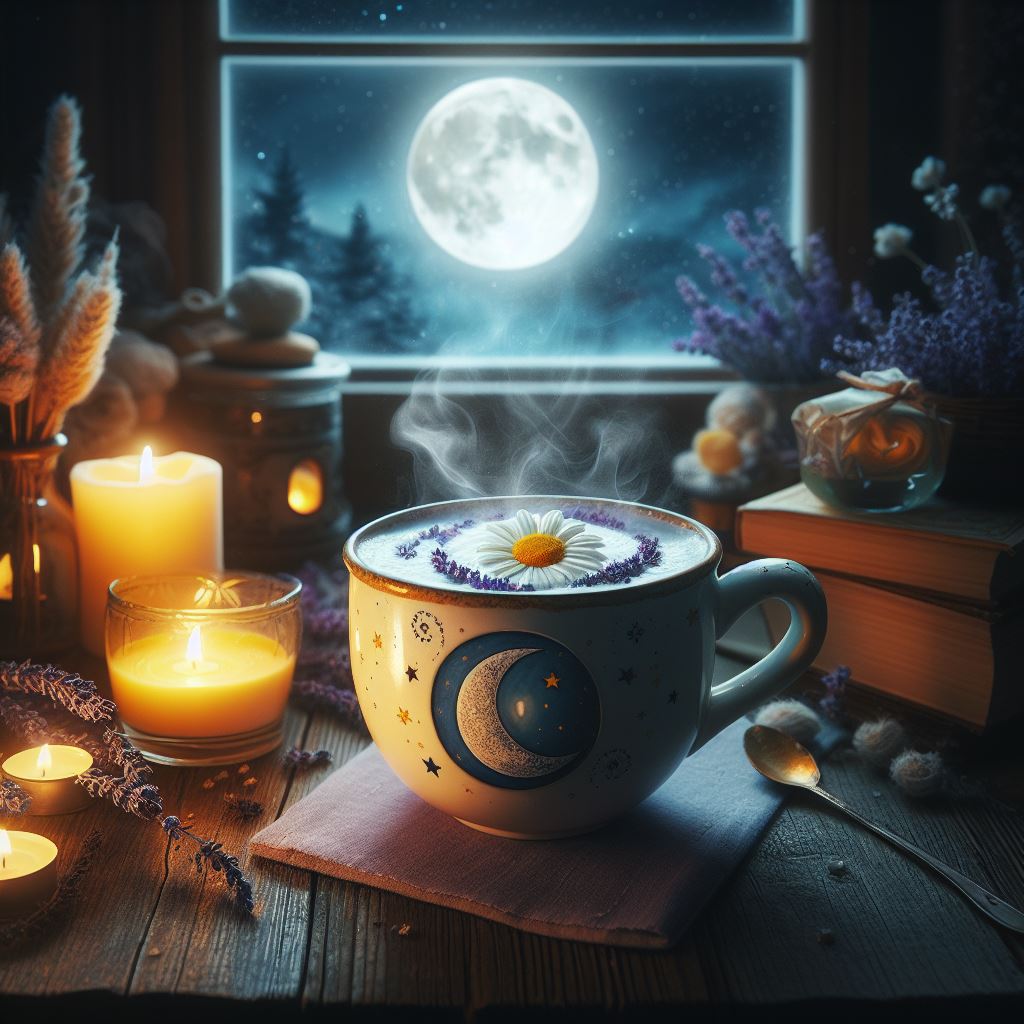
Recipe: Winter Moonmilk

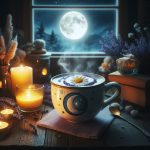
Winter Moonmilk
Winter Moonmilk

Introduction

A Magical Elixir for Tranquil Nights

Step into the enchanting realm of winter nights with the soothing embrace of Winter Moonmilk. This magical elixir, crafted with care and intention, weaves together a symphony of calming herbs and warm spices to create a potion designed for tranquil evenings. As the cold winds whisper outside, let the gentle aroma of chamomile and lavender guide you into a state of relaxation. With honey’s sweetness and the comforting essence of cinnamon and nutmeg, Winter Moonmilk becomes more than a beverage – it’s a ritual, a potion to sip beneath the winter moon, inviting peace and serenity into your heart. Join us on a journey through the ingredients, the art of preparation, the magical properties that enhance its allure, and discover a spell to accompany each sip, bringing tranquility to your winter nights.

Spell for Tranquil Nights

As you prepare and sip the Winter Moonmilk, embrace the tranquil energies of the winter night. Whisper a spell like:

“Moonlit skies and stars so bright,

In Winter’s embrace, find calm tonight.

Chamomile’s peace, lavender’s grace,

Bring tranquility to this sacred space.”

May the Winter Moonmilk be your potion of tranquility, guiding you into restful nights and serene dreams during the enchanting winter season.

Magical Properties

Delve deeper into the enchantment that infuses each sip of Winter Moonmilk, a celestial elixir designed to elevate your winter nights.

  • Chamomile’s Tranquility: Beyond its soothing flavor, chamomile is revered for its magical essence in promoting relaxation and tranquility. As you embrace the subtle floral notes in each sip, envision the calming energies weaving a cocoon of serenity around you, guiding you towards a profound and peaceful night’s sleep.
  • Lavender’s Whispering Calm: Lavender, a fragrant companion in this elixir, goes beyond its aromatic charm. It’s a spell, enhancing calmness and whispering serenity to the mind. Picture the lavender-infused moonlight gently cradling your thoughts, ushering in a sense of peace that lingers as you journey through the realm of dreams.
  • Honey’s Sweet Harmony: The golden sweetness of honey transcends its culinary role, symbolizing unity and comfort. Feel the harmonizing energies of honey as it blends with the other ingredients, bringing not only sweetness but a comforting warmth that wraps around you like a cozy winter blanket.
  • Cinnamon’s Abundant Warmth: Cinnamon, with its rich and warming aroma, represents not just a spice but the embodiment of abundance and warmth. Picture the comforting presence of cinnamon as it weaves through the elixir, infusing each sip with the promise of abundance and a touch of winter coziness.
  • Nutmeg’s Grounding Embrace: Nestled in the heart of Winter Moonmilk, nutmeg offers more than a hint of spice. Its magical properties extend to grounding and comfort, creating a sense of security. Visualize the grounding embrace of nutmeg as it anchors you to the present moment, dispelling any restlessness and inviting a serene sense of security.

In each carefully chosen ingredient, discover the alchemy of magical properties that transforms Winter Moonmilk into more than a beverage—it becomes a conduit for tranquility, a potion that aligns the energies of the season to bring solace to your winter nights.

Winter Moonmilk

Step into the enchanting realm of winter nights with the soothing embrace of Winter Moonmilk. This magical elixir, crafted with care and intention, weaves together a symphony of calming herbs and warm spices to create a potion designed for tranquil evenings. As the cold winds whisper outside, let the gentle aroma of chamomile and lavender guide you into a state of relaxation. With honey’s sweetness and the comforting essence of cinnamon and nutmeg, Winter Moonmilk becomes more than a beverage – it’s a ritual, a potion to sip beneath the winter moon, inviting peace and serenity into your heart. Join us on a journey through the ingredients, the art of preparation, the magical properties that enhance its allure, and discover a spell to accompany each sip, bringing tranquility to your winter nights. Ingredients

  • 1 cup milk (dairy or plant-based)
  • 1 tablespoon honey
  • 1/2 teaspoon vanilla extract
  • 1/4 teaspoon ground cinnamon
  • A pinch of nutmeg
  • A pinch of cardamom (optional)
  • 1-2 dried lavender buds (edible)
  • 1 chamomile tea bag
  1. Warm the Milk: In a small saucepan, heat the milk over medium heat until it's warm but not boiling.

  2. Infuse with Herbs: Add the chamomile tea bag and dried lavender buds to the warm milk. Let it steep for 5-7 minutes to infuse the flavors.
  3. Sweeten and Flavor: Remove the tea bag and lavender buds. Stir in honey, vanilla extract, ground cinnamon, nutmeg, and cardamom if using. Mix well until the honey is fully dissolved.
  4. Heat Gently: Heat the infused milk mixture for an additional 2-3 minutes, ensuring it’s warm throughout. Be cautious not to bring it to a boil.
  5. Strain and Serve: Strain the Moonmilk into your favorite mug to remove any remaining herbs. Enjoy it warm and comforting.
Drinks
Winter
Recipe
Posted on Leave a comment

Recipe: Lavender Shortbread

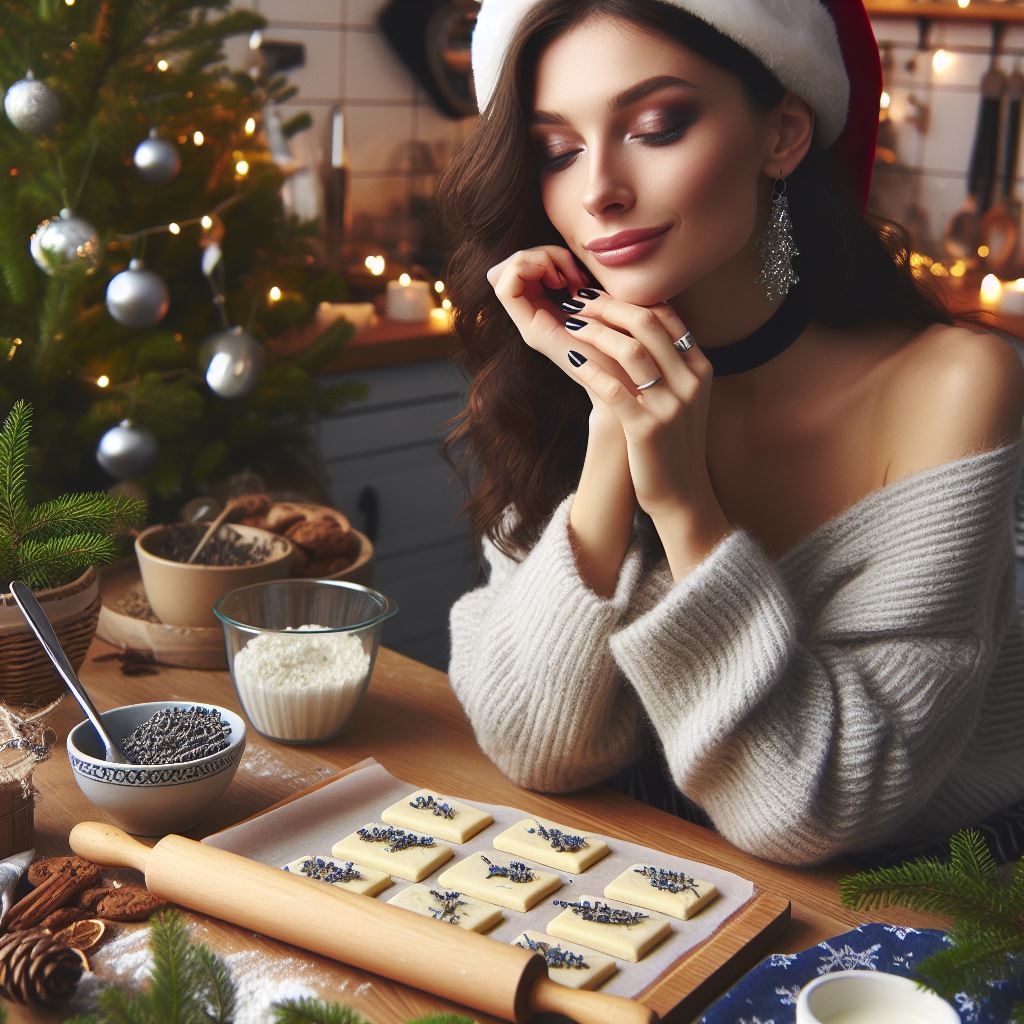
Making Lavender Shortbread

Introduction

Yuletide Serenity

On the ninth day of Yuletide, immerse yourself in the delicate allure of Lavender Shortbread—a treat that transcends the ordinary, bringing a sense of calm and serenity to your festive celebration. This enchanting recipe combines the aromatic essence of lavender with the buttery richness of shortbread, creating a delightful indulgence that captures the magic of the season. In this article, we’ll guide you through the ingredients, instructions, preparation and cook time, delve into the magical properties associated with Yuletide, and craft a spell to infuse your December 28th gathering with tranquility and joy.

Spell for Tranquility and Joy

As you create and savor the Lavender Shortbread, infuse it with intentions of tranquility and joy. While enjoying a bite, speak a spell like:

“In lavender’s embrace, serenity flows,

In each shortbread crumb, Yuletide joy glows.

Butter’s warmth, a comforting embrace,

Tranquility and joy, filling this space.”

May the Lavender Shortbread bring serenity and joy to your December 28th celebration, allowing the magic of Yuletide to unfold in peaceful moments.

Magical Properties

  • Lavender: Brings tranquility, clarity, and peace.
  • Butter: Symbolizes comfort, unity, and richness.
  • Flour: Represents grounding and stability.
  • Sugar: Adds sweetness and joy to the magical mix.
  • Salt: Purifies and balances energies.

Lavender Shortbread

Yuletide Serenity – On the ninth day of Yuletide, immerse yourself in the delicate allure of Lavender Shortbread—a treat that transcends the ordinary, bringing a sense of calm and serenity to your festive celebration. This enchanting recipe combines the aromatic essence of lavender with the buttery richness of shortbread, creating a delightful indulgence that captures the magic of the season.

  • 1 cup unsalted butter (softened)
  • 1/2 cup granulated sugar
  • 2 cups all-purpose flour
  • 1 tablespoon dried lavender buds (culinary grade)
  • 1/4 teaspoon salt
  • Lavender sugar for dusting (mix sugar with a pinch of dried lavender, optional)
  1. Prepare Ingredients: Preheat your oven to 350°F (175°C). Line a baking sheet with parchment paper.
  2. Cream Butter and Sugar: In a mixing bowl, cream together the softened butter and granulated sugar until light and fluffy.
  3. Add Dry Ingredients: Sift in the flour and add the dried lavender buds and salt. Mix until just combined.
  4. Shape the Shortbread: Gather the dough into a ball and roll it out on a floured surface to about 1/4-inch thickness. Use cookie cutters to shape the shortbread.
  5. Bake: Place the shaped shortbread on the prepared baking sheet. Bake for 12-15 minutes or until the edges are lightly golden.
  6. Cool and Dust: Allow the shortbread to cool on a wire rack. Dust with lavender sugar if desired.
Dessert
Winter, Yule
Recipe
Posted on Leave a comment

Recipe: Enchanting Plum Pudding

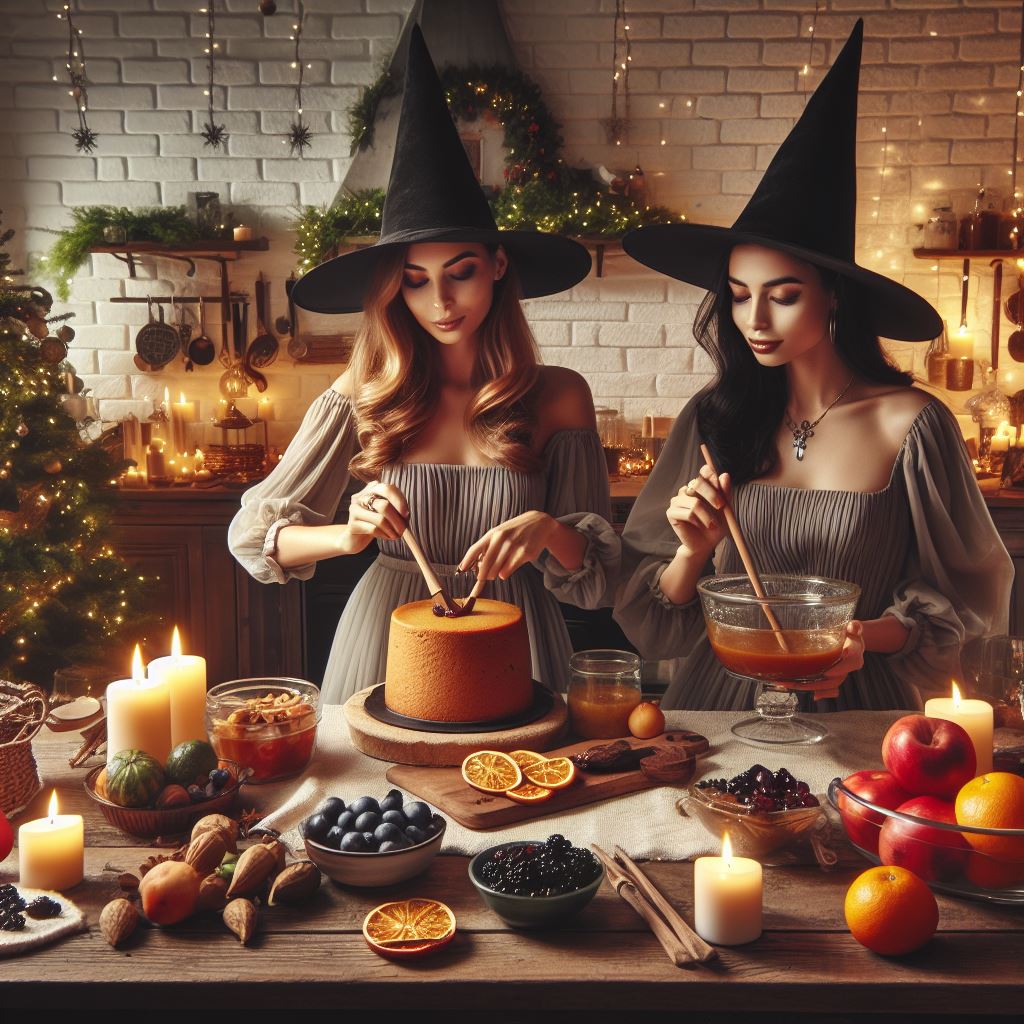
Making Enchanting Plum Pudding

Introduction

Yuletide Delight

As the ninth day of Yuletide unfolds, let the aroma of festive spices and the rich sweetness of dried fruits fill your home with the magic of the season. We present an enchanting recipe for Plum Pudding—a timeless Yuletide delight that captures the essence of tradition and celebration. In this article, we’ll guide you through the ingredients, instructions, preparation and cook time, explore the magical properties associated with Yuletide, and craft a spell to infuse your December 28th celebration with warmth, joy, and the spirit of the season.

Spell for Warmth and Joy

As the Plum Pudding steams, infuse it with intentions of warmth, joy, and the spirit of the season. While serving, speak a spell like:

“In this Plum Pudding, joy we find,

Warmth and magic intertwined.

Spices dance, their enchantment weaves,

In Yuletide’s embrace, hearts receive.”

May the enchanting Plum Pudding bring warmth and joy to your December 28th celebration, filling your home with the magic of Yuletide.Top of Form

Magical Properties

  • Dried Fruits: Symbolize abundance, prosperity, and the harvest.
  • Spices (Cinnamon, Nutmeg, Allspice): Enhance magical energy, warmth, and protection.
  • Almonds: Represent fertility, prosperity, and good fortune.
  • Apple: Symbolizes love, healing, and the sacred feminine.
  • Stout or Dark Beer: Connects to the earth’s energies, grounding the magical properties of the pudding.
  • Treacle or Molasses: Adds sweetness and unity to the magical mix.

Enchanting Plum Pudding

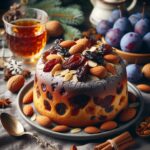
Yuletide Delight – As the ninth day of Yuletide unfolds, let the aroma of festive spices and the rich sweetness of dried fruits fill your home with the magic of the season. We present an enchanting recipe for Plum Pudding—a timeless Yuletide delight that captures the essence of tradition and celebration.

  • 1 cup suet or butter
  • 1 cup dark brown sugar
  • 3 large eggs
  • 1 cup all-purpose flour
  • 1 cup fresh breadcrumbs
  • 1 teaspoon mixed spice (cinnamon, nutmeg, allspice)
  • 1/2 teaspoon ground ginger
  • 1/2 cup chopped almonds
  • 1/2 cup mixed dried fruits (raisins, currants, chopped dates, candied peel)
  • 1/2 cup grated apple
  • 1/2 cup stout or dark beer
  • 1 tablespoon black treacle or molasses
  • Zest of 1 lemon
  • Zest of 1 orange
  1. Prepare Ingredients: Grease a pudding basin or heatproof bowl.
  2. Mix the Pudding: In a large mixing bowl, cream the suet or butter with the brown sugar. Beat in the eggs.
  3. Add Dry Ingredients: Sift in the flour and fold in the breadcrumbs, mixed spice, ground ginger, chopped almonds, mixed dried fruits, grated apple, lemon zest, and orange zest.
  4. Combine Wet Ingredients: In a separate bowl, mix the stout or dark beer with the black treacle or molasses. Add this mixture to the pudding batter and stir until well combined.
  5. Fill the Basin: Spoon the pudding batter into the prepared basin, leaving some space for expansion. Smooth the top.
  6. Cover and Steam: Cover the basin with a layer of parchment paper and a layer of foil. Secure with string. Steam the pudding for 3-4 hours.
  7. Serve Warm: Once steamed, let the pudding cool slightly before turning it out. Serve warm with a dollop of brandy butter or custard.
Dessert
Winter, Yule
Recipe
Posted on Leave a comment

Winter Solstice

Winter Solstice
Winter Solstice

Introduction

Unlocking the Mysteries of the Winter Solstice

In the hushed whispers of December’s crisp winds, a celestial ballet takes center stage — the Winter Solstice, an astronomical masterpiece unveiling around December 21st. Beyond the clinical precision of its scientific definition lies a rich tapestry woven with the threads of antiquity, folklore, and an intimate connection to the pulsating rhythms of our Earth. As the night extends its shadowy embrace, the Winter Solstice emerges not just as a celestial event but as a profound intersection of science and spirituality, where ancient tales and cosmic phenomena entwine in a dance that transcends the boundaries of time. Join us on a journey into the heart of this celestial symphony, where the sky becomes a canvas painted with the echoes of centuries past, and the Earth aligns itself with the majestic rhythms of the cosmos.

Understanding the Solstice: Embracing the Cosmic Pause

The etymology of the term “solstice” unveils a linguistic ballet that gracefully describes a celestial spectacle. It emerges from the Latin roots “sol,” the radiant star that lights our days, and “sistere,” an invitation to stand still. Together, they craft a narrative of the Sun’s celestial ballet, a momentary pause in its grand journey.

As the Sun reaches the Tropic of Capricorn, this cosmic choreography unfolds. At the Winter Solstice, a mesmerizing interplay of celestial forces occurs, rendering the Sun’s noontime elevation seemingly motionless. The Sun, in its southernmost journey across the sky, hesitates, creating a pause that resonates across the fabric of the Earth’s seasons.

This cosmic stillness marks the official commencement of winter. In this ephemeral moment, the Earth lingers at the threshold of darkness, and daylight surrenders its temporal dominion to the extended reign of night. It is a delicate cosmic balance, a transition woven into the very fabric of nature’s rhythm.

This phenomenon, spanning cultures and epochs, carries profound symbolism. It is more than a mere shift in seasons; it is a promise—a celestial covenant of the Sun’s rebirth. As the Sun pauses in its southern sojourn, it whispers assurances of renewal and the eventual triumph of light over the encroaching darkness.

In this transient moment of stasis, the Winter Solstice becomes a cosmic junction, inviting contemplation and reflection. Across cultures, from ancient civilizations to contemporary societies, this celestial event is honored as a pivotal point in the dance of the cosmos. It symbolizes not only the changing seasons but also the cyclical nature of life, where even in the quiet stillness, the promise of a vibrant, sunlit future is silently held.

Journey through Shadows: Embracing the Celestial Ballet

As we stand at the threshold of the Winter Solstice, we embark on a profound journey through shadows—a celestial ballet that mirrors the ebb and flow of life’s eternal cycle. This pivotal point in the solar calendar marks a moment of celestial reckoning, where the sunlit tapestry of our days, gradually diminishing since the radiant glow of the summer solstice, begins to weave a new narrative.

Picture the cosmic stage: the sun, having completed its southern sojourn, lingers at the Tropic of Capricorn. The world, draped in shadows and the hushed whispers of the impending winter, awaits the celestial performance. In this grand spectacle, the dance of darkness and light unfolds with exquisite precision.

As we journey through the shadows of the Winter Solstice, the lengthening nights become a canvas on which nature paints its introspective masterpiece. It’s a dance where darkness yields not to an abyss but to the promise of a gentle, gradual return of the light. The world, cloaked in the quiet serenity of winter, prepares for the silent alchemy of renewal.

This celestial ballet is not merely a cosmic phenomenon but a profound reflection of life’s cyclical nature. It echoes the universal truth that every descent into darkness is a prelude to a triumphant ascent into light. The Winter Solstice becomes a celestial reminder that, even in the coldest and darkest of moments, the promise of renewal is quietly held in the cosmic embrace.

In the hush of winter’s shadowy contemplation, we find solace. It’s a time to reflect on our personal journeys, acknowledging the challenges and embracing the transformative power of resilience. The lengthening days post-solstice become a metaphorical roadmap, guiding us toward the renewal of spirit and the eventual blossoming of the world into spring.

As we traverse the cosmic dance floor, moving from the quietude of shadows to the burgeoning radiance of a sunlit future, the Winter Solstice invites us to partake in the grandeur of existence. It is a celestial proclamation that, even in the heart of winter’s embrace, the seeds of spring lie dormant, ready to awaken and usher in a new chapter in the eternal cosmic journey.

Global Celebrations and Traditions: A Tapestry of Winter’s Embrace

Venturing into the rich tapestry of global celebrations, the Winter Solstice emerges as a universal beacon, illuminating diverse cultures with its significance. Across continents and centuries, humanity has woven an intricate tale of reverence for nature, renewal, and the delicate interplay of light and shadow.

Stonehenge’s Solstice Symphony: An Ode to Earth’s Rhythms

In the heart of England, the Salisbury Plain cradles an ancient marvel — the enigmatic stones of Stonehenge. Steeped in mystery and cloaked in the mists of time, this sacred site transforms into a stage for a Druidic symphony during the Winter Solstice. As the world awaits the sun’s first light, a spectacle of profound symbolism unfolds.

As darkness clings to the night, the assembled crowd, wrapped in anticipation, witnesses a celestial alignment that transcends generations. The first rays of the newborn sun extend a golden embrace to Stonehenge’s weathered stones, casting shadows that dance in harmony with the ancient monoliths. The air is charged with a palpable energy, and amidst the whispers of history, a profound connection to the earth’s rhythms is forged.

Druidic traditions, with roots reaching back through the corridors of time, come alive in this sacred space. Each stone, weathered by centuries, becomes a sentinel bearing witness to the cyclical dance of the cosmos. The Winter Solstice is more than an astronomical event here; it is a living testament to the wisdom that the cycles of nature are the very threads weaving the fabric of our existence.

In this moment of alignment, the boundaries between past and present blur. The Druids, the ancient priestly class of the Celts, revered this celestial juncture as a sacred communion with the earth. Stonehenge, their sacred canvas, becomes a bridge across time, echoing with the footsteps of those who, in ages past, gathered to celebrate the changing seasons.

The stones, weathered yet enduring, stand as silent witnesses to countless solstices. They are not mere rocks; they are conduits of energy, resonating with the echoes of rituals performed by those who sought to understand and honor the mysteries of the cosmos. Each Winter Solstice, as the sun heralds a new cycle, Stonehenge becomes a living testament to the enduring connection between humanity and the celestial ballet above.

As the solstice sunbathes the stones in its gentle glow, a collective breath is drawn. The spectacle is more than a visual feast; it is a reminder that, in the dance of light and shadow, we find echoes of our own journey through the seasons of life. Stonehenge stands not just as an ancient monument but as a living, breathing testament to the profound harmony that exists when humanity acknowledges its place within the grand tapestry of the cosmos.

Dongzhi’s Dance of Yin and Yang: A Celestial Reunion

Embarking on an eastward journey, China unfolds its vibrant tapestry of tradition during the Dongzhi Winter Solstice Festival. As the world tilts towards the longest night, families gather not only for the warmth of shared company but to partake in a celestial dance of cosmic forces — the delicate interplay between yin and yang, darkness and light.

In the cosmic theater, Dongzhi stands as a spectacle of profound symbolism. It marks the zenith of yin forces, the moment when darkness claims its throne, shrouding the world in the quietude of winter. Yet, in this very embrace of darkness, there lies the promise of renewal, for the Winter Solstice is the tipping point where yin gracefully yields to yang — the positive, masculine energy that heralds the gradual return of light.

Families, wrapped in the warmth of tradition, gather to pay homage to this cosmic ballet. At the heart of the celebration are dumplings, not merely culinary delights but metaphors for the dance of celestial energies. Shaped like the crescent moon, these savory parcels become edible emblems of the universe’s cyclical rhythm. With each bite, families embrace the returning light, a tangible connection to the cosmic forces that govern the dance between day and night.

The significance of Dongzhi transcends the culinary, weaving into its fabric layers of cultural heritage and metaphysical understanding. It is a time for reflection, for acknowledging the ebb and flow of life’s energies, and for finding harmony within the cosmic symphony. Dongzhi, with its roots reaching deep into Chinese philosophy, invites a contemplative pause amid the hustle of modern life, urging individuals to attune themselves to the subtleties of the changing seasons.

As the dumplings steam and the fragrance of tradition wafts through homes, Dongzhi becomes more than a festival; it becomes a celestial reunion. Families, generations intertwined, savor not just the culinary craftsmanship but the essence of yin and yang, of darkness and the promise of returning light. In the tapestry of Dongzhi, China paints a portrait of cosmic harmony, inviting all to partake in the dance of celestial forces and find solace in the embrace of tradition.


Feast of Juul: A Hearth of Ancient Fires

In the heart of Scandinavia, where winter’s chill bites with particular fervor, the Feast of Juul emerges as a timeless celebration, echoing through the annals of history with the crackling warmth of fires that symbolize the Sun’s life-giving properties. It is a festival that not only kindles flames in the hearths but also ignites the spirit of community and the enduring connection between humanity and the cosmos.

At the heart of this Nordic jubilation is the venerable Yule log, a tangible link to ancient rites and a bearer of profound significance. Lit in honor of the mighty Scandinavian god Thor, whose thunderous chariot traversed the celestial expanse, the Yule log becomes more than a source of warmth; it transforms into a conduit between mortal realms and the divine. In the flickering dance of flames, the Norse people saw a reflection of Thor’s mighty power, a celestial symphony echoing through the winter night.

The Yule log, carefully chosen and ceremoniously ignited, becomes a focal point for communities to gather around. As its flames reach towards the heavens, the crackling embers carry with them the hopes, dreams, and aspirations of those who partake in this ancient ritual. It symbolizes not just the warmth of hearth and home but the enduring spirit of resilience against the winter’s cold embrace.

Yet, it is not merely in the act of burning that the Yule log finds its significance. Its unburned remnants, carefully preserved, are regarded as more than mere firewood. They are tokens of good fortune, holding the promise of protection against misfortune. This belief, etched in the cultural fabric of the Norse people, has echoed through centuries, and left an indelible mark on contemporary Yuletide traditions.

In modern times, as hearths are kindled and homes adorned with festive decorations, the spirit of the Feast of Juul lives on. The Yule log, whether in physical form or as a symbol, continues to bridge the gap between ancient traditions and present-day celebrations. It stands as a testament to the enduring power of rituals that connect us to our past, illuminate our present, and light the way for generations yet to come.

Saturnalia’s Grandeur: A Tapestry of Joy Across Time

In the mosaic of ancient Rome’s grandeur, the festival of Saturnalia emerged as a radiant gem, illuminating the darkest days of winter with the effulgence of merriment and revelry. This celestial juncture, marked by the Winter Solstice, became a time when the ordinary rules of life were cast aside, and the extraordinary took center stage.

At the heart of Saturnalia was the suspension of discipline and the joyful reversal of societal norms. The rigid structures of Roman life yielded to a carnival of freedom, where grudges were forgiven, and the echoes of war faded into the background. In this topsy-turvy realm, a spirit of communal joy reigned supreme, transcending the mundane concerns of everyday life.

The festival found its zenith on December 17 and extended its jubilant embrace for seven days, creating a temporal sanctuary where the usual order of things was turned on its head. Slaves became masters, and masters served their subordinates—a temporary liberation from the societal hierarchies that defined Roman life.

The echoes of Saturnalia, with its jubilant abandon and emphasis on communal harmony, resonate through the corridors of time and find a curious reflection in contemporary celebrations surrounding Christmas and the New Year. The suspension of hostilities, the forgiveness of grievances, and the collective embrace of joy during the festive season echo the essence of Saturnalia, reminding us that the ancient traditions of Rome continue to shape and enrich our modern festivities.

In the twinkling lights of holiday decorations and the warmth of shared gatherings, we catch glimpses of the Roman revelry that once graced the streets and homes of the ancient empire. Saturnalia, with its timeless message of unity, merriment, and the celebration of life’s joys, stands as a testament to the enduring influence of ancient customs on the tapestry of our contemporary celebrations.

As we traverse the globe, it becomes evident that the Winter Solstice is not merely an astronomical event but a global phenomenon that transcends cultural boundaries. It’s a testament to humanity’s shared connection to the cosmos, a reminder that, beneath the diversity of rituals and customs, we are united in our acknowledgment of nature’s cyclical dance—a dance where shadows yield to light, and the world, in its winter slumber, prepares for the promise of spring.

Light and Dark, Great Night and Warm Day

In the enchanted embrace of the Winter Solstice, the dance between light and darkness takes on profound symbolic significance for witches, Wiccans, and pagans alike. As the sun’s radiance wanes, and the night extends its tender grip, a tapestry of ancient symbolism unfolds, weaving together threads of spiritual introspection, renewal, and the unwavering hope for the returning sun.

For practitioners of the Craft, the lengthening night is not a descent into foreboding shadows but a sacred journey into the depths of the soul. It mirrors the introspective nature of the winter season, urging witches to turn inward, exploring the hidden recesses of their being. In the cloak of darkness, secrets are whispered, and the silent stirrings of the inner self are unveiled.

Yet, within this embrace of shadows lies the promise of renewal. The Winter Solstice marks the moment when the pendulum swings, when the darkness surrenders to the waxing light. It’s a time of spiritual metamorphosis, akin to the hibernation of nature. As the Earth slumbers beneath the frost-kissed mantle, so too does the practitioner find solace in a cocoon of self-discovery.

Across diverse pagan traditions, the returning sun is hailed as a symbol of hope and rebirth. The Oak King, dormant during the reign of the Holly King, awakens with the promise of burgeoning light. This cyclical battle between the kings mirrors the eternal dance of life and death, encouraging practitioners to reflect on the cyclical nature of their own existence.

Candles, those flickering beacons of illumination, become sacred tools during this celestial juncture. Lit in rituals and ceremonies, they represent the triumphant return of the sun’s vitality. The flame, resilient in the face of encroaching darkness, embodies the indomitable spirit that seeks illumination even in the bleakest of times.

As the Winter Solstice graces the sacred wheel, witches, Wiccans, and pagans find themselves cradled in the arms of ancient symbolism. The darkness becomes a canvas for profound spiritual revelations, and the burgeoning light becomes a beacon of hope, guiding the way through the enchanted tapestry of the winter night.

Crafting Magic in the Stillness of the Longest Night

In the mystical embrace of the Winter Solstice, practitioners of magic find themselves attuned to the subtle energies of this celestial dance. The solstice offers a unique opportunity to engage in magic that aligns with the themes of introspection, rebirth, and the interplay of light and shadow. Here’s a guide to the best magic to practice during this enchanting time:

Winter Altars: As the world slumbers beneath the frost-kissed blanket, your altar becomes a sacred space for reflecting the season’s energies. Adorn it with symbols of the Winter Solstice—evergreen branches, pinecones, and candles. Incorporate images of the returning sun, and perhaps a representation of the Oak King or other deities associated with the season.

Candle Magic: Candles, with their flickering flames, hold profound significance during the Winter Solstice. Engage in candle magic to symbolize the triumph of light over darkness. Use white candles for purity and renewal, gold for the returning sun’s vitality, and blue for spiritual introspection. As you light each candle, visualize the warmth and illumination infusing your magical workings.

Divination: The extended night of the Winter Solstice provides an ideal canvas for divination. Whether through tarot cards, scrying mirrors, or runes, seek insights into the coming season. The veil between worlds is thin, enhancing your intuitive connection to unseen realms.

Herbal Magic: Explore the magic of winter herbs and plants. Incorporate juniper, pine, or cedar into your rituals for their purifying properties. Brew teas with herbs like chamomile and lavender to foster a sense of calm and introspection. These herbal allies can enhance your magical intentions during the solstice.

Sun Deities: Honor deities associated with the sun, such as Apollo, Ra, or Sol. Offer gratitude for the returning light and seek their blessings for personal renewal and growth. Consider crafting invocations or prayers to these deities, acknowledging their influence on the cosmic dance unfolding during the Winter Solstice.

Oak King Rituals: In pagan traditions, the Oak King symbolizes the burgeoning light during the waxing half of the year. Craft rituals to honor the Oak King, expressing gratitude for his awakening presence. Consider creating a representation of the Oak King on your altar or engaging in a ceremonial battle between the Oak and Holly Kings.

As you immerse yourself in the magic of the Winter Solstice, let your intentions be guided by the energy of the season. Embrace the stillness of the longest night, for within it lies the fertile ground for magical transformation and the promise of the returning sun’s radiant embrace.

Conclusion

As the Northern Hemisphere embraces the longest night of the year, the Winter Solstice invites us to step into the realm of ancient rituals and timeless traditions. It’s a moment when nature itself seems to hold its breath, and the promise of lengthening days is whispered through the shadows. From the Druids honoring the Alban Arthan to the Scandinavians kindling the Yule log, and the Romans reveling in Saturnalia, the Winter Solstice transcends time and cultural boundaries. It’s a universal pause—a cosmic interlude—where humanity, throughout history, has found solace in the darkness, celebrating the triumph of light. As you witness your lengthening noontime shadow during this season, remember that it echoes an age-old dance between Earth and Sun. The Winter Solstice is not merely an astronomical event but a profound tapestry of human connection with the cosmos, a celebration of renewal amidst the quietude of winter’s embrace.

Posted on 1 Comment

Dec 31st – The 12th Day of Yule

Introduction – Embracing the Threshold

The Culmination of Yule

As the year gracefully bows out on the twelfth day of Yule, a profound celebration unfolds, dedicated to Thor and Sif, the stalwart deities of protection and familial harmony. This final day becomes a sacred canvas upon which we paint rituals of spiritual and physical cleansing, seeking the benevolent aid of Thor and Sif to drive out the last lingering spirits of the Yule season.

Thor: Guardian of the Cosmos and Protector of Mankind

In the grand tapestry of Norse mythology, Thor emerges as a formidable deity, his presence marked by the resounding crackle of thunder and the dazzling display of lightning. This hammer-wielding god commands the forces of storms, sacred groves, and trees, creating a symphony of nature’s might. Associated with strength, hallowing, and fertility, Thor stands not only as a guardian of the cosmos but also as a staunch protector of humanity.

Wielding the legendary hammer, Mjolnir, Thor harnesses the power of thunderstorms, symbolizing both the awe-inspiring beauty and the potential destructive force of nature. Sacred groves and trees bow in recognition of his might, underscoring his connection to the earth and the sanctity of natural spaces.

Thor’s benevolence extends beyond the elemental forces, encompassing the well-being of mankind. In times of peril, his protective mantle is cast over those who seek refuge, and his strength becomes a shield against adversity. The fertility of the land is also under his guardianship, ensuring bountiful harvests and the flourishing of life.

As the twelfth day of Yule unfolds, the honor bestowed upon Thor becomes a heartfelt acknowledgment of his multifaceted role. Tonight, in the act of honoring Thor and his golden-haired consort Sif, the ceremonial blessing of the house commences. Together, they stand as sentinels, driving out the last vestiges of Yule spirits that linger between realms. This ritual, known as “chasing the Yule out,” is a venerable tradition that marks the conclusion of the Yule festivities, ensuring that the home is cleansed and fortified for the year’s end.

On this sacred night, as we pay homage to Thor, let the echoes of thunder resound in our hearts, a reminder of his protective embrace and the enduring strength that guides us through the thresholds of time.Top of Form

Sif: Weaver of Harmony and Matron of Familial Bonds

In the pantheon of Norse goddesses, Sif emerges as a beacon of familial and social harmony, her presence weaving a delicate tapestry of peace and unity. Associated with earth, wheat, fertility, and family, Sif stands as a steadfast ally for those who navigate the intricate dynamics of human relationships.

In matters of kinship and social cohesion, Sif takes on the role of a mediator, a gentle force fostering peace between disputing parties. As an agent of frith, the ancient Norse concept of peace and stability, she lends her influence to the delicate art of maintaining equilibrium within families and communities. Her blessings extend to the sacred bonds of marriage and oaths, weaving threads of commitment that bind together families and peoples.

The golden-haired goddess embodies a gentle demeanor, her presence radiating warmth and understanding. However, it is crucial not to mistake this gentleness for weakness, for Sif is no stranger to the complexities that arise within familial and social spheres. As the bride of thunder, the consort of the mighty Thor, she possesses a resilience that can weather storms and a strength that can guide even the most intricate relationships through turbulent times.

In the honoring of Sif on the twelfth day of Yule, we recognize her role as a stabilizing force within the intricate web of human connections. As we seek her guidance, let us appreciate the nuanced art of fostering peace, understanding that sometimes a strongly worded conversation or a firm guiding hand is necessary to keep the threads of relationships running smoothly. In the sanctuary of Sif’s presence, may the bonds of family and community find strength and enduring harmony.

Recipes

Honoring Thor and Sif: Guardians of Hearth and Harmony

Thor, the mighty god of thunder and storms, stands as the guardian of mankind, wielding his hammer Mjolnir with protective might. Beside him is Sif, the golden-haired goddess of earth and family, whose gentle demeanor masks an underlying strength. Together, they become custodians of the home, offering blessings of protection as we bid farewell to the Yule Spirits.

To honor Thor, an array of offerings can be presented on the altar, ranging from prayers and libations to symbolic items like Thor’s hammer figures, model goats, weapons, shields, and elements associated with his realm. Sif, a goddess fostering peace and familial bonds, appreciates frithful actions and the commitment to discernment. Striving to bring one’s best self to her worship becomes a meaningful tribute.

Honoring Thor: A Thunderous Tribute

In the realm of Norse deities, honoring Thor is an act of acknowledging the thunderous power and protective might that he extends to the realms of mankind. As a hammer-wielding god associated with lightning, thunder, storms, sacred groves and trees, strength, the protection of mankind, hallowing, and fertility, Thor commands reverence and admiration.

To create a fitting tribute on the twelfth day of Yule, an array of offerings can be presented on the altar, each symbolizing an aspect of Thor’s expansive dominion. The following items are commonly included:

  • Prayers and Libations: Simple yet profound, prayers and libations express gratitude and seek the favor of the thunder god. Pouring a libation, perhaps of mead or another beverage, symbolizes an offering to Thor.
  • Symbolic Items: Thor’s hammer, Mjölnir, stands as an iconic symbol of his power. Figures or representations of this mighty weapon, crafted with reverence, find a place on the altar. Additionally, model goats, often depicted as pulling Thor’s chariot, represent his connection to these powerful animals.
  • Weapons and Shields: Items associated with warfare, such as miniature weapons and shields, honor Thor’s role as a protector. These offerings acknowledge his commitment to safeguarding the realms from threats and challenges.
  • Elements of Thor’s Realm: Rainwater, garlic, leek, onion, hawthorn, houseleek, and tormentil are items linked to Thor’s sphere. These elements, carefully arranged on the altar, pay homage to the natural associations of the thunder god.
  • Thor’s Sacred Oak: In some traditions, planting an oak tree is considered a sacred act to honor Thor. The oak, a symbol of strength and endurance, becomes a living tribute to the god of thunder.

As the twelfth day of Yule unfolds, the act of honoring Thor becomes a profound expression of gratitude and acknowledgment of his protective influence. Through these offerings, a sacred space is created where the thunder god’s essence can be invoked, fostering a connection between the mortal realm and the divine strength of Thor.

Honoring Sif: Cultivating Frith and Discernment

In the tapestry of Norse deities, Sif, the golden-haired goddess, weaves threads of peace, fertility, and familial bonds. As an ally in matters of familial and social harmony, Sif’s benevolent influence extends to those who seek to foster peace between disputing parties. Honoring Sif on the twelfth day of Yule involves embracing frithful actions and cultivating discernment in the intricate relationships within families and communities.

  • Frithful Actions: Sif finds appreciation in acts that contribute to peace, hospitality, and the strengthening of familial bonds. Simple gestures of kindness, mediation in conflicts, and fostering a spirit of unity align with Sif’s essence as an agent of frith (‘peace’). These actions serve as offerings to a goddess who values the well-being and harmony of those connected through familial and social ties.
  • Striving for Discernment: Sif’s gentle demeanor should not be mistaken for weakness, for she is the bride of thunder, Thor. In her role as a goddess associated with earth, wheat, fertility, and family, Sif encourages worshippers to strive for discernment. Discernment involves the ability to perceive and comprehend situations with clarity, making choices that contribute to the greater good. Offering Sif the commitment to discernment becomes a valuable tribute, acknowledging her role in guiding the often-complicated relationships within families and groups.
  • Best Self to Her Worship: The most cherished offering to Sif is the dedication to bringing one’s best self to her worship. This involves embodying qualities of kindness, understanding, and a commitment to fostering positive connections. Rumormongering and slander, in contrast, are discouraged, as they disrupt the peace that Sif represents.

As the twelfth day of Yule unfolds, honoring Sif transcends mere ritual; it becomes a commitment to embodying the principles of frith and discernment. In fostering a spirit of peace and understanding, worshippers engage in a meaningful exchange with Sif, drawing upon her wisdom to navigate the intricacies of familial and social relationships.

Spiritual and Physical Cleansing: Purifying the Home

With Thor and Sif invoked, the twelfth day is marked by a dual cleansing—spiritual and physical. The house, a haven between realms, is fumigated with the aromatic essence of herbs like Mugwort and Juniper, believed to drive away malevolent energies. This ritual begins at the back of the house and progresses to the front, symbolizing the expulsion of negativity. Fire and iron, symbols of purification, are carried through the house, their presence reinforced with prayers for Thor’s protective assistance.

The ashes from the Yule log, a reservoir of the season’s warmth, are scattered across doorways, forming a protective barrier. This final act of purification ensures that the home is fortified against any lingering influences, creating a sacred space for the year’s closure.

Spiritual Cleansing of the Home: A Yuletide Purification Ritual

In the sacred tapestry of Yule, the twelfth day marks a profound moment for spiritual cleansing—a ritual that transcends the physical realm to purify the very essence of the home. This ceremonial act is not merely a removal of dust and cobwebs; it is a deliberate endeavor to cleanse the spiritual residue accumulated throughout the departing year.

  • Setting the Intention: As the wheel of the year turns towards its final day, practitioners embark on a journey of intention-setting. Before the ritual begins, a quiet moment of reflection is embraced, contemplating the energies that have traversed the thresholds of the home. This introspection establishes the foundation for the cleansing, providing clarity on what needs release and what energies are welcomed.
  • Sacred Herbs and Incense: At the heart of spiritual cleansing lies the aromatic dance of sacred herbs and incense. Mugwort, Juniper, Sage, or Cedar—these herbs carry ancient purifying energies, believed to dispel negativity and invite in positive forces. As the smoke billows through the rooms, each wafting tendril carries prayers and intentions, weaving a cloak of spiritual purity.
  • Invoking Divine Assistance: In the spiritual realm, assistance is sought from deities or spirits known for their protective and purifying attributes. Thor, with his mighty hammer, or Hestia, the goddess of the hearth, might be invoked to lend their divine energies to the cleansing process. Through prayers and invocations, a connection is forged between the earthly and the divine, amplifying the potency of the ritual.
  • Symbolic Actions: Symbolism plays a crucial role in spiritual cleansing. A ritualistic walk through the home, carrying a lit candle or a representation of fire, signifies the illumination of dark corners and the banishment of lingering shadows. Anointing doorways and windows with consecrated oils or waters symbolizes the creation of barriers against unwanted energies, creating a sanctuary within the walls.
  • Sound and Vibration: Sound, with its vibrational resonance, becomes a powerful tool in spiritual cleansing. Bells, chimes, or even the rhythmic beat of a drum are employed to break stagnant energy patterns and invite a harmonious flow. The vibrational frequencies produced serve as a beacon, guiding benevolent forces and dispelling any lingering discord.

As the spiritual cleansing ritual concludes, a sense of renewal settles within the cleansed space. The home, once imbued with the echoes of the past, now resonates with a harmonious energy—a blank canvas ready to absorb the brushstrokes of the approaching year. In this sacred act, the home becomes a sanctuary, a vessel for positive energies, and a beacon of light as one year wanes and another eagerly awaits its dawn.

Physical Cleansing of the Home: Renewing the Material Realm

Amidst the Yuletide festivities, the twelfth day unfolds as a canvas for physical cleansing—a meticulous renewal of the material spaces that cradle the essence of daily life. This tangible endeavor goes beyond the mundane act of sweeping and dusting; it is a ceremonial expression of bidding farewell to the old and ushering in the new.

  • Decluttering and Simplifying: As the year draws its final breaths, the home is treated to a decluttering ritual. Unnecessary items, remnants of the past that have lost their relevance, are gently released. Closets are combed through, shelves are cleared, and surfaces are laid bare. This act of decluttering symbolizes the release of stagnant energies, making room for the fresh vitality of the approaching year.
  • Sweeping Away the Old: Armed with brooms and brushes, practitioners embark on a symbolic journey of sweeping away the remnants of the old year. Dust and debris, both literal and metaphorical, are whisked away, leaving behind a clean slate. The rhythmic act of sweeping becomes a meditation—a physical manifestation of releasing attachments to the past.
  • Symbolic Cleansing Agents: In the spirit of Yule, the cleansing agents employed transcend their mundane functions. Water, carrying the essence of purification, is infused with intention as it washes over surfaces. Adding a few drops of consecrated oils or herbs to cleaning solutions transforms the act of wiping down counters and tables into a ritualistic offering to the home.
  • Anointing with Blessings: The physical act of cleansing becomes an opportunity for anointing the home with blessings. Whether through the application of holy water, consecrated salt, or specially crafted oils, each touch becomes a benediction—a gesture that consecrates the home and imbues it with protective energies.
  • Opening Windows for Renewal: As dust is swept away and surfaces gleam, windows are opened wide, inviting in the crisp, rejuvenating air of the season. This symbolic gesture not only facilitates the physical circulation of air but also signifies the release of stagnation and the entry of new opportunities.
  • Cleansing Tools as Ritual Objects: Brooms, brushes, and cleaning cloths, typically mundane tools, become symbolic instruments in this Yuletide ritual. Each stroke and swipe is imbued with purpose, carrying the practitioner’s intentions of renewal, cleanliness, and the banishment of lingering energies from the old year.

The physical cleansing of the home during Yule concludes with a profound sense of revitalization. The abode, now free from the residues of the past, stands as a testament to the cyclical nature of life—a space ready to embrace the joys, challenges, and discoveries that the new year holds. As the physical cleansing ritual concludes, the home becomes a sanctuary of freshness, eagerly awaiting the dawn of a new chapter in the ever-unfolding tapestry of time.

Divination Spread of the New Year: Unveiling the Tapestry of Fate

On the twelfth day of Yule, as the year bows out with grace, the ancient art of divination emerges as a beacon of insight, inviting practitioners to unveil the tapestry of fate that stretches before them. This ritualistic practice transcends mere fortune-telling; it is an intimate conversation with the unseen forces that weave the fabric of our lives.

  • Choosing the Divination Method: The diversity of divination methods mirrors the varied paths of seekers. Traditional runes, with their runic symbols pregnant with ancient wisdom, offer concise and profound messages. Tarot cards, adorned with archetypal images, provide a rich and nuanced narrative. Crystal ball gazing, scrying mirrors, or even tea leaf reading beckon those who seek revelations through unconventional means. The choice of method is a deeply personal one, guided by intuition and resonance.
  • Setting the Sacred Space: Before the divination commences, the practitioner sets a sacred space—a realm where the energies of the unseen can manifest. Candles flicker, casting a gentle glow upon the divination tools. Crystals, charged with intent, stand sentinel, amplifying the connection between the material and spiritual realms. Incense wafts through the air, carrying with it the ethereal notes of sacred herbs.
  • A Grand Spread for the New Year: The divination spread for the New Year is not a mere reading; it is a grand tableau that unfolds the narrative of the months to come. The layout, whether it follows the traditional Celtic Cross, the Wheel of the Year, or a bespoke arrangement, becomes a sacred map. Each card, rune, or symbol laid is a doorway to hidden realms, offering glimpses into the challenges, triumphs, and transformative moments that await.
  • Interpreting the Symbols: As symbols emerge in the divination spread, the practitioner becomes an interpreter of the cosmic language. A single card or rune is not an isolated omen; it is a note in the symphony of destiny. The arrangement and interaction of symbols carry nuanced meanings, offering a kaleidoscopic view of the intricate dance between free will and predestined threads.
  • Seeking Guidance from Deities: In this sacred act of divination, seekers may call upon deities associated with wisdom and foresight to guide the process. Thorr, with his thunderous presence, or Odin, the All-Father, revered for his insatiable quest for knowledge, are apt patrons for this divinatory dance. Sif, with her discerning gaze, may be invoked to bring clarity to the messages unveiled.
  • Recording the Revelations: A divination spread for the New Year is not merely a momentary glimpse; it is a narrative to be revisited and reflected upon throughout the unfolding months. Practitioners often record their interpretations, creating a chronicle that evolves alongside the journey. This documentation serves as a compass, offering guidance when the seas of life grow turbulent.
  • Embracing the Unknown: As the divination spread unfolds, practitioners are reminded that fate is not a fixed script but a living, breathing tapestry that responds to the choices made along the way. The cards drawn or runes cast are not immutable destinies but whispers from the cosmos—a conversation between the seeker and the vast, mysterious universe.

As the divination spread concludes, a profound sense of insight settles over the sacred space. The tapestry of fate, though veiled in mystery, reveals threads of opportunity, challenge, and growth. Armed with this foresight, practitioners’ step into the threshold of the New Year, ready to navigate the labyrinth of life with courage, wisdom, and an open heart.Top of Form


Embracing the New Year’s Dawn: A Tapestry Woven with Fate

In the final moments of the twelfth day, as the echoes of divination linger in the air and the house stands purified and protected, we stand at the threshold of the new year. The mighty protection of Thor and the harmonious influence of Sif envelop us, their divine energies intertwining with the insights unveiled in the sacred act of divination. Like threads in a grand tapestry woven with fate, we embark on this journey into the promises and possibilities that the fresh beginning holds. May the coming year be a canvas upon which we paint our aspirations, guided by the wisdom of the unseen forces and the resilient spirit of Yule’s enduring magic.

Posted on Leave a comment

Dec 30th – The 11th Day of Yule

Idunn, Bragi, and the Joyful Wassail

Introduction – Embracing Blessings

Idunn, Bragi, and the Joyful Wassail

As the eleventh day of Yule unfolds, we turn our attention to the divine couple, Idunn and Bragi, weaving a tapestry of rejuvenation and poetic inspiration. In Norse mythology, Idunn, the goddess of spring and rejuvenation, and Bragi, the god of poetry, stand as a harmonious pair, their energies interwoven like the verses of a timeless ballad.

Idunn: Guardian of Eternal Youth and Hope

In the celestial tapestry of Norse mythology, Idunn emerges as a figure of gentle grace and profound significance. Her role as the keeper of the magic apples of immortality places her at the heart of the gods’ perpetual vitality. These mystical apples, when partaken by the divine beings, bestow upon them the gift of eternal youth. In the realm of Yule, where the old gives way to the new, Idunn’s essence becomes a beacon of hope and the promise of rejuvenation.

As the embodiment of spring, Idunn brings forth the vitality and exuberance of the season. Her presence is akin to a gentle breeze, carrying with it the fragrance of blooming flowers and the whispers of new beginnings. In the cycle of nature, spring marks a period of renewal and growth, and Idunn stands as its custodian, nurturing the earth with the vitality that flows from her sacred apples.

The offerings laid at Idunn’s altar symbolize the reverence for her benevolent dominion. Apples, whether plucked from the orchard or fashioned from precious materials, become tokens of appreciation for the goddess’s eternal gift. Potted plants, in their burgeoning life, and flowers, in their delicate bloom, pay homage to the vibrant essence of nature over which Idunn holds sway. Gardening tools, symbols of tending to the earth’s fertility, further emphasize her connection to the verdant tapestry of life.

Idunn’s sanctuary is a place where the eternal meets the ephemeral, where the promise of perpetual youth intertwines with the ever-renewing spirit of spring. In honoring Idunn, we not only celebrate the timeless magic of her apples but also embrace the hopeful energy she imparts—an energy that carries us through the cycles of life with the promise of perpetual beginnings.

Bragi: Maestro of Poetic Harmony

In the symphony of Norse mythology, Bragi emerges as the god whose divine artistry weaves through the realms of poetry and music. His domain, extending into the expressive tapestry of words and melodies, marks him as the muse of skalds—the skilled poets and musicians of Viking Age culture. On this eleventh day of Yule, we turn our gaze toward Bragi, honoring his creative essence that resonates through the very fabric of artistic inspiration.

Revered by those who craft tales with the finesse of a master, Bragi finds joy in the art of poetic expression. His presence enlivens the words that spill from the pens of poets and the enchanting tunes that emanate from musical instruments. On this auspicious day, the altar dedicated to Bragi becomes a stage where musical instruments take center stage, their strings and keys resonating with the divine echoes of inspiration. Well-written books, repositories of profound stories and poignant verses, find a cherished place, embodying the spirit of intellectual creativity that Bragi fosters.

The written and spoken word, infused with passion and artistry, becomes offerings to Bragi on this day. As a storyteller of old, he appreciates the nuance and power of narrative, and so tales spun with fervor and heart take flight as tributes to this god of leisure and entertainment. The altar becomes a testament to the marriage of rhythm and rhyme, where every stroke of the pen and every chord struck on an instrument echoes the divine melody that Bragi, the maestro of poetic harmony, conducts.

In the presence of Bragi, the musings of poets and the resonances of musicians become offerings that transcend the mundane, reaching toward the sublime. On the eleventh day of Yule, as we honor Bragi, we celebrate the transformative power of words and melodies—a power that echoes through the ages, inspiring both mortal and immortal alike.

Recipes

Idunn and Bragi: Nurturers of Yuletide Radiance

In the enchanting tapestry of Yule, Idunn and Bragi emerge as divine figures, each contributing a unique essence that adds to the vibrancy of the season. Idunn, the gentle keeper of the magic apples of immortality, and Bragi, the god of poetry and artistic inspiration, weave a harmonious narrative that resonates with the themes of renewal, hope, and creative expression during the Yuletide festivities.

Idunn: Guardian of Spring’s Promise

Idunn, with her association with the magic apples that grant eternal youth, embodies the promise of spring even in the heart of winter. Her role as the keeper of these rejuvenating fruits aligns with the spirit of regeneration that Yule heralds. As the days begin to lengthen, Idunn’s presence signifies the awakening of life and the anticipation of the verdant season to come. In the offerings of apples, flowers, and symbols of nature, we honor Idunn’s custodianship over the essence of spring, infusing the Yule celebrations with her gentle and nurturing energy.

Bragi: Inspirer of Artistic Splendor

Bragi, the poetic muse and god of artistic expression, connects Yule to the creative forces that stir during the winter months. In the quieter, reflective moments of this season, Bragi’s influence inspires poets, musicians, and storytellers. The eleventh day of Yule, dedicated to Bragi, becomes a celebration of the artistic spirit that finds solace and expression during the long nights. With musical instruments, well-written books, and passionate tales, we acknowledge Bragi’s contribution to the Yuletide festivities, recognizing the intrinsic connection between the creative arts and the winter season.

Together, Idunn and Bragi infuse Yule with a sense of renewal and artistic inspiration. As we honor these divine figures, we partake in the timeless dance of nature’s cycles and the boundless creativity that enriches the human spirit during the winter’s embrace.

Honoring Idunn and Bragi: Songs, Cheer, and Baking

The celebration of Idunn and Bragi is a festive affair, filled with songs, cheer, and the comforting aromas of baking. Musical instruments echo through the halls, as the skald’s artistry and the laughter of merriment resonate in harmony. Idunn is pleased by the offerings of apples or apple-infused creations, embodying the essence of her sacred fruit. Meanwhile, Bragi delights in the melodic tunes and the heartfelt stories shared in his honor.

Honoring Idunn: Embracing the Essence of the Sacred Apple

In the luminous tapestry of Yule, paying homage to Idunn, the gentle guardian of the magic apples of immortality, becomes a poignant act of celebration. The essence of this nurturing goddess is intimately tied to the crisp sweetness of apples, symbolizing not just the fruit itself but the promise of renewal, vitality, and eternal youth.

  • Apples: Tokens of Renewal Idunn’s delight is kindled by the humble apple. Whether real or transformed into culinary creations, these fruits symbolize the promise of spring, the cycle of rebirth, and the eternal renewal of life. Presenting apples on the altar is a gesture that transcends the physical fruit; it embodies the cyclical nature of existence and the unending potential for rejuvenation that Idunn brings to the realms of gods and mortals alike.
  • Apple-Infused Creations: Culinary Offerings To elevate the act of honoring Idunn, crafting apple-infused creations becomes a delightful expression of devotion. From pies and tarts to spiced cider and apple-scented candles, these culinary offerings mirror the essence of the sacred fruit. Each bite or sip becomes a communion with the divine, a recognition of the interconnectedness between the tangible and the symbolic.
  • Floral Tributes: Blooms of Spring’s Anticipation In addition to apples, Idunn’s altar welcomes floral tributes. Potted plants, blossoms, and gardening tools become symbols of the vibrant life that stirs beneath the surface during the winter months. These offerings extend beyond the immediate beauty of the flowers; they signify the anticipation of the coming spring, echoing Idunn’s role as the herald of renewal.

As the fragrance of apples mingles with the freshness of blooms, the act of honoring Idunn during Yule transforms into a celebration of life’s perpetual cycle. In these offerings, we echo the ageless dance of seasons, expressing gratitude for the promise of spring that resides in the heart of winter.

Honoring Bragi: An Ode to Melody and Narrative

In the radiant embrace of Yule, paying homage to Bragi, the god of poetry, unfolds as a harmonious celebration of music, literature, and the art of storytelling. Bragi, revered by skalds and musicians, finds joy in the rhythmic cadence of poetic verses and the enchanting melodies that dance through the air.

  • Musical Instruments: Instruments of Praise Bragi’s altar comes alive with the presence of musical instruments. Whether it be the lilting notes of a lyre, the soul-stirring tones of a flute, or the resonant chords of a harp, these instruments become vessels for the expression of devotion. Playing a tune for Bragi becomes a sacred act, an offering of the melodic language that speaks directly to the soul.
  • Well-Written Books: Homage to Literature The written word holds a special place on Bragi’s altar. Well-written books, filled with impassioned prose, poetry, and tales, are tokens of admiration for the god of poetry. Each carefully chosen volume is a testament to the enduring power of narratives and the written art form that Bragi so ardently cherishes.
  • Words of Poetry and Song: Spun with Passion On the eleventh day of Yule, the air becomes a canvas for the spoken and sung word. Words of poetry, spoken with passion, and songs that echo with emotion become offerings to Bragi. In the flickering glow of Yule lights, the stories told and the verses recited become a symphony of appreciation for the god of leisure and entertainment.

As we honor Bragi, we weave a tapestry of melody and narrative, inviting the spirit of poetic inspiration into our homes. In the rustling pages of well-loved books and the resonant chords of musical instruments, we find a communion with the divine, expressing gratitude for the enduring magic of words and music that transcend the boundaries of time.

Wassailing: A Joyful Tradition of Blessings

As the eleventh day of Yule unfolds, a time-honored tradition takes center stage—Wassailing, an enchanting practice deeply rooted in the tapestry of Anglo-Saxon culture. Wassail, a hot and spiced mulled drink, becomes the elixir of goodwill, symbolizing the collective hope for a bountiful apple harvest and an auspicious year ahead.

Wassailing involves a delightful ritual of encircling a fruit tree, forming a harmonious circle that mirrors the interconnectedness of nature and the community. As participants join hands, their collective energy resonates with the life force of the tree, fostering a sense of unity with the orchard and the land. This communal act becomes a dance of celebration, a joyful acknowledgment of the cyclical nature of life.

With the circle formed, voices rise in song, echoing through the winter air with melodies that speak of joy, hope, and gratitude. The songs, crafted with love and shared in unity, become offerings to the spirits of the orchard, awakening the dormant energies of the trees and inviting blessings for a fruitful harvest. In this shared chorus, the essence of Wassailing transcends the mere act of singing—it becomes a heartfelt conversation with nature.

In a gesture of communal generosity, pieces of toast soaked in Wassail are placed in the branches of the fruit tree. This offering is not just for the enjoyment of our avian friends but serves as a symbolic act of gratitude to the spirits that watch over the orchard. The toast, drenched in the warmth of Wassail, becomes a token of appreciation for the interconnected web of life, where humans, nature, and the divine coexist.

As the sweet aroma of Wassail fills the air and the songs of celebration linger in the winter breeze, Wassailing becomes a bridge between the human realm and the spirit of the orchard. It is a tradition that transcends time, weaving together the threads of the past, present, and future—a joyful celebration of nature’s abundance and a fervent prayer for prosperity in the cycles yet to unfold.

Inviting Prosperity: Symbols of Luck in the New Year

In the intricate dance between tradition and belief, the eleventh day of Yule heralds the arrival of symbols believed to usher in prosperity, positivity, and good fortune as the new year beckons. Across cultures and traditions, various tokens and charms are embraced, each carrying its unique resonance of luck and positive energy.

  • Elephants: Guardians of Prosperity Tiny elephant ornaments, with their trunks raised in a gesture of triumph, find their place as guardians of prosperity. Symbolizing strength, wisdom, and loyalty, these small pachyderms become silent sentinels, positioned strategically to invite good luck and ward off negative energies. Their presence within the home creates a harmonious atmosphere, promising a year filled with understanding, protection, and enduring fortune.
  • Fish in Aquariums: A Watery Symphony of Prosperity Within the fluid realms of aquariums, fish become more than aquatic companions—they transform into symbols of good health, prosperity, happiness, wealth, and power. As the eleventh day of Yule unfolds, tending to these underwater realms takes on a special significance. Cleaning the aquarium, changing out plants, and infusing the water with fresh energy become rituals that ensure the flow of positive vibes into the upcoming year.
  • Crystals: Jewels of Positive Vibrations The eleventh day of Yule also welcomes the radiant energy of crystals into homes. Each crystal, with its unique properties, becomes a jewel of positive vibrations. Rose quartz, known for its association with love and happiness, weaves a tender embrace of affection. Turquoise, with its calming influence, promises tranquility and balance. These crystals, strategically placed, form a sparkling network of positivity, creating an ambiance of serenity and well-being.
  • Nature’s Charms: Leaves, Clovers, and Aloe Vera Embracing the wisdom of nature, homes welcome symbols that echo peace, balance, and good fortune. Plants with rounded leaves, strategically positioned near entrances, become silent guardians of harmony. Four-leaf clovers, renowned for their rarity, are cherished as tokens of luck. Aloe Vera, with its enduring vitality, finds its place as a harbinger of positive energy, symbolizing longevity and the promise of a thriving new year.

In this symphony of symbols, the eleventh day of Yule transforms into a canvas adorned with representations of luck and positive vibrations. As each element finds its place within the home, it contributes to the creation of an environment steeped in the promise of prosperity, balance, and the enduring magic of the coming year.

Harmony, Joy, and the Magic of Renewal: A Closing Ode to the Eleventh Day of Yule

In the waning moments of the eleventh day of Yule, as Wassailing songs fade into the crisp night air and the laughter of festive cheer lingers, we stand at the threshold of renewal. Today’s activities, from honoring Idunn and Bragi to the joyous tradition of Wassailing, become more than mere rituals—they are symbolic acts of decluttering, a shedding of the old to make way for the new.

In this symphony of celebration, we have woven the blessings of Idunn and Bragi into the fabric of our homes. The promise of rejuvenation, the gentle embrace of spring’s essence, and the poetic inspiration embodied by Bragi linger in the air, infusing our spaces with timeless magic.

As we bid farewell to the eleventh day of Yule, may our homes resonate with the harmony of nature’s bounty, the joyous melodies of music, and the enduring magic of this sacred season. In the quiet moments that follow, let us carry forward the promises of luck, positivity, and renewal, ready to welcome the coming year with open hearts and the echoes of Yule’s timeless enchantment.

Posted on Leave a comment

Dec 27th – The 8th Day of Yule

Introduction

Embracing the Winter’s Heart – Skadi, Ullr, and the Protection of Home

As the eighth day of Yule unfolds, a crisp embrace of winter takes center stage. On this day, we pay homage to Skadi, the goddess of bowhunting, skiing, and mountains, and Ullr, the god associated with archery, winter wilderness, and the art of combat. Together, they weave the essence of the wilds, and our offerings extend beyond the realm of deities to the flora, fauna, and spirits of the woods.

Skadi: Queen of the Frosty Realms

In the vast tapestry of Norse mythology, Skadi emerges as a formidable and independent goddess, embodying the untamed spirit of the wild, the thrill of the hunt, and the majestic allure of mountains. Her connection with Yule adds a frosty and enchanting dimension to the winter festivities.

Skadi, often hailed as the daughter of the giant Thjazi, stands out as a peerless huntress among the Norse deities. Armed with a bow and arrow, her skills in bowhunting rival those of the mightiest gods. As winter descends and nature takes on a serene hush, Skadi’s presence intensifies, guiding the spirits of the hunt through the snow-laden forests. In the stillness of Yule, one can imagine the goddess traversing the snowy landscapes, her bow drawn, ready to bring sustenance to the gods and creatures alike.

Skadi’s association with skiing sets her apart, infusing the winter season with an element of graceful movement. In the realms of Norse myth, skiing wasn’t just a sport but a practical skill for traversing the snow-covered mountains. Skadi, as the goddess of mountains, glides effortlessly over the slopes, leaving behind a trail of powdery snow. As Yule unfolds, the image of Skadi skiing down the mountainside becomes a poetic celebration of the season’s beauty and the goddess’s prowess.

Mountains, stoic and majestic, serve as Skadi’s throne. Her affinity for these towering peaks aligns with the grandeur of winter landscapes. In the heart of Yule, envision Skadi standing atop a snow-capped summit, surveying her wintry domain. The mountains, adorned in blankets of snow, become a symbol of Skadi’s regal presence and a testament to the strength and resilience evoked during the coldest season.

Skadi’s connection with Yule intertwines her with the festive spirit of the season. As the days grow shorter and the air crisps with frost, her influence becomes palpable. In the mythic realms, Yule is not merely a time of celebration but a cosmic event where gods and goddesses partake in the essence of winter. Skadi, with her bow, skis, and mountainous realm, adds a touch of wild beauty to the Yule festivities, reminding all that the frosty embrace of winter holds both challenge and enchantment. As we honor Skadi during Yule, we acknowledge the untamed forces that shape the winter landscape, and in doing so, we embrace the essence of the huntress, the skier, and the queen of the mountains.

Ullr: Guardian of Winter’s Vigor

In the intricate tapestry of Norse mythology, Ullr emerges as a deity of striking prowess, embodying the essence of archery, the untamed wilderness of winter, and the artistry of combat. As Yule unfolds, Ullr’s presence weaves through the fabric of the season, infusing it with the thrill of the hunt, the serenity of snowy landscapes, and the strength required to navigate the challenges of winter.

Ullr’s association with archery places him among the finest marksmen of the Norse pantheon. The twang of his bowstring resounds through the winter air, echoing the precision and skill required to navigate the frozen landscapes. As Yule descends, envision Ullr drawing his bow, his keen eyes focused on distant targets. The symbolism of archery becomes a testament to the need for precision and focus during the long, dark nights of winter.

Ullr’s dominion extends into the winter wilderness, where the landscape transforms into a pristine, snow-covered expanse. In the heart of Yule, envision Ullr traversing the frosty forests and snow-laden fields, a figure of strength and resilience against the winter’s chill. The winter wilderness, under Ullr’s guardianship, becomes a sanctuary for both the gods and mortal beings seeking the solace of nature amid the hush of winter.

Beyond the tranquility of snowy landscapes, Ullr is a god linked to the art of combat. Amid Yule, the symbolism of combat takes on a metaphorical resonance. Ullr’s martial prowess becomes a reminder that the winter season, with its challenges and hardships, requires a warrior’s spirit. The combat arts, under Ullr’s guidance, become a metaphorical preparation for facing the adversities of winter with courage and determination.

Ullr’s connection with Yule interlaces the season with a dance of strength and serenity. Amidst the winter’s challenges, Ullr stands as a guardian, embodying the vigor required to navigate the cold, the precision needed to hunt for sustenance, and the martial spirit essential for facing the trials of winter. As we honor Ullr during Yule, we acknowledge the blend of archery, wilderness, and combat arts that define the season. In doing so, we embrace the qualities that Ullr personifies—strength, precision, and the resilience needed to endure the winter’s embrace.

Recipes

Embracing the Winter Gods: Honoring Skadi and Ullr during Yule

As the eighth day of Yule unfolds, it marks a poignant moment to honor the Norse deities Skadi and Ullr, guardians of winter’s beauty, strength, and the untamed wilds. In paying homage to these gods, we engage in rituals that resonate with the crispness of the season and the power encapsulated in its icy grasp.

Begin your ritual by creating a sacred space that resonates with the energy of Skadi and Ullr. Anoint your altar with oils that evoke the scent of winter forests—cedarwood, pine, and juniper. Consider placing symbols of archery, snowflakes, and mountain imagery on the altar to invoke the essence of these deities.

Skadi and Ullr’s influence extends beyond the divine realm to the spirits of the winter woods. Craft edible garlands using popcorn, cranberries, and other wildlife-friendly edibles. Engage in this creative activity with a sense of reverence, understanding that these offerings are not only for the gods but also for the creatures that inhabit the winter landscapes.

Skadi, the goddess associated with bowhunting, skiing, and mountains, and Ullr, the god of archery and winter wilderness, share a connection with the North Wind. Pour libations of mead or a winter-inspired beverage, symbolizing the crisp and invigorating breath of the North Wind. As you do so, speak words of gratitude for the strength and resilience that winter brings.

In the spirit of safeguarding your home outwardly, prepare a mixture of protective herbs such as juniper, rosemary, and cedar. Infuse this blend with intentions of goodwill and protection. Take a walk around your property’s edge, sprinkling this mixture to create a line of safety around your home. Visualize the energy of Skadi and Ullr weaving a shield that guards against malevolent forces.

Draw protective runes under outdoor welcome mats, infusing them with the power of winter magic. Bless the wreath on your front door, symbolizing the cyclical nature of the seasons and the enduring strength of winter. Hang mistletoe and mint swags around the exterior of your house, invoking the blessings of Skadi and Ullr to permeate your home with their protective energies.

Acknowledging the practical aspects of winter, prepare remedies for possible ailments. Brew teas with herbs like elderberry, chamomile, and peppermint. Create tinctures, tonics, herbal glycerites, and syrups that can serve as allies during the cold season. Incorporate bone broth into your meals, recognizing its nourishing properties for both body and spirit.

As the day concludes, gather in the glow of candlelight. Engage in meditation or reflection, attuning yourself to the energies of Skadi and Ullr. Express gratitude for the strength they bestow upon you and the beauty they bring to the winter landscape. Conclude the night with a shared meal, savoring the flavors of winter and the enchantment that lingers in the air.

In honoring Skadi and Ullr during Yule, we not only acknowledge the gods of winter but also celebrate the interconnectedness of the divine, the natural world, and our own lives. Through rituals, offerings, and mindful reflections, we weave ourselves into the fabric of winter’s magic, embracing its challenges and reveling in its unique beauty.

Offerings to Flora & Fauna: A Symphony for Nature

In the tapestry of winter, where the stillness of the woods meets the crisp breath of the North Wind, honoring Skadi and Ullr becomes a symphony for nature itself. Engaging in activities that extend your reverence to the untamed beauty of the forest is not only a ritual but a celebration of the interconnectedness of all living beings.

  • Crafting Edible Garlands: An Act of Generosity Crafting edible garlands becomes a gesture of generosity to the unseen dwellers of the woods. Using simple ingredients like popcorn, cranberries, and other wildlife-friendly edibles, you embark on a creative endeavor that transcends the boundaries between human and creature. Each piece strung together is a note in the melody of winter, an offering of sustenance to those who navigate the cold terrain.
  • Peanut Butter Pinecone Ornaments: A Delight for All In the spirit of sharing the bounty of winter, the creation of peanut butter pinecone ornaments becomes a delightful craft. Spreading peanut butter on pinecones and coating them with birdseed transforms simple materials into edible ornaments. These not only please the palate of the winged inhabitants of the woods but also stand as tokens of goodwill. Hang these ornaments in your backyard, creating a feast that extends beyond the boundaries of your immediate surroundings.
  • Adorning a Yule Tree in Nature: Communion with the Wild Spirits Venturing into winter’s landscape, seek out a Yule Tree standing proud in its natural habitat. This living symbol of the season becomes a canvas for your crafted garlands and ornaments. As you adorn the branches, you partake in a communion with the wild spirits that call the forest home. Your offerings become a harmonious blend of human creativity and the inherent beauty of the natural world.
  • Creating a Harmonious Offering: Nature’s Blessings As you engage in these activities, envision a harmonious offering to the wild spirits, a symphony of nature’s blessings. The rustle of creatures in the underbrush, the soft padding of paws on snow, and the gentle sway of branches in the winter breeze—all become part of this sacred composition. In crafting these offerings, you not only honor Skadi and Ullr but also become a steward of the delicate balance between the human realm and the wild mysteries of the forest.

In this symphony for nature, every act of creation is a note, and every offering is a melody that resonates through the winter woods. As you stand amidst the beauty you’ve contributed too, know that your gestures ripple through the intricate web of life, fostering a sense of unity with the wild spirits that inhabit the winter landscape.

Protecting the Home (Outside): A Winterized Fortress

As the frosty fingers of winter reach into every corner, transforming the world into a glistening tableau, it’s crucial to fortify the external defenses of your home. This act not only aligns with practical considerations but also serves as a symbolic gesture of respect to Skadi and Ullr, the guardians of winter’s wild domain.

  • Creating a Protective Mixture: Infusing Goodwill and Security Begin the ritual of fortification by crafting a protective mixture infused with the essence of winter herbs and sacred ash. These elements, charged with the blessings of goodwill and security, become the alchemical blend that forms a shield against the biting winds of the season. In this act of creation, you harmonize with the natural energies that Skadi and Ullr embody.
  • Sacred Perimeter Walk: Drawing a Line of Safety Armed with your protective mixture, embark on a sacred journey along the perimeter of your property. As you walk, sprinkle the concoction, drawing a line of safety that demarcates the boundary between the mundane and the mystical. This ritual is not only a practical measure but a symbolic act that invites the watchful eyes of Skadi and Ullr to stand guard over your dwelling.
  • Runes of Protection: Enchanting Outdoor Welcome Mats Extend the protective charm by drawing runes under your outdoor welcome mats. Each symbol becomes a sigil of defense, etched into the very threshold that separates the outer world from the inner sanctum of your home. As guests step over these runes, they unknowingly traverse a boundary imbued with the energies of safeguarding and hospitality.
  • Blessing the Wreath: A Gateway of Goodwill The wreath on your front door becomes more than a decorative ornament—it transforms into a gateway of goodwill. Before winter’s breath rustles its boughs, bestow upon it the blessings of Skadi and Ullr. This act infuses the wreath with protective energies, creating a symbol that greets all who enter with a touch of the sacred.
  • Mistletoe and Mint Swags: Nature’s Embrace Hang mistletoe and mint swags around the exterior of your home, weaving a tapestry of nature’s embrace. Mistletoe, with its ancient associations of protection, and mint, with its purifying properties, become guardians adorning the outer walls. These botanical sentinels stand vigilant, inviting the spirits of Skadi and Ullr to join their watch.

In this winterized fortress, every action is a prayer, and every protective gesture is an invitation. As you complete these rituals, know that you’ve not only secured your dwelling against winter’s harshness but have also opened a channel for the benevolent presence of Skadi and Ullr to grace your living space.

Warding for Winter: Herbal Shield Against Ailments

As the winter frost settles in, ushering in a season of icy winds and crystalline landscapes, it’s essential to fortify not only against the external chill but also the internal vulnerabilities that come with the cold embrace of winter. In a dance with the spirits of Skadi and Ullr, consider weaving a herbal shield against ailments, a tapestry of nature’s remedies to safeguard your well-being.

The Herbal Arsenal: Teas, Tinctures, Tonics, and More

While acknowledging that herbal remedies are not a replacement for professional medical advice, they can be valuable allies in the quest for winter wellness. Craft a repertoire of teas, tinctures, tonics, herbal glycerites, and syrups, each concocted from immune-boosting herbs. Echinacea, elderberry, ginger, and peppermint are among the herbal guardians known for their protective properties.

  • Teas: Infusing Warmth and Healing A hot cup of herbal tea becomes a ritual of comfort and healing during the winter months. Infuse dried crushed leaves of immune-boosting herbs in boiling water, creating a concoction that not only warms your body but also imparts the healing essence of nature. Let each sip be a communion with the plant spirits, a gentle reminder of the interconnectedness between humans and the botanical realm.
  • Tinctures: Concentrated Elixirs of Defense Crafting tinctures involves extracting the active constituents of herbs in alcohol, creating potent elixirs of defense. These concentrated remedies, when taken in moderation, can serve as a powerful supplement to support your immune system. Store them in amber glass bottles, preserving the vitality of the herbs within and ensuring their readiness when needed.
  • Tonics: Invigorating Potions of Well-Being A tonic, with its invigorating properties, becomes a medicinal substance that bestows a feeling of vigor and well-being. Create a concoction with herbs like astragalus, known for its immune-boosting capabilities, and sip it as a daily elixir. Let the tonic be a toast to your health, a gesture of self-care that resonates with the protective energies of Skadi and Ullr.
  • Herbal  Glycerites and Syrups: Sweet Remedies of Nature Glycerites, herbal mixtures using vegetable glycerin, and syrups, sweet concoctions infused with the essence of herbs, provide alternative avenues for winter wellness. These sweet remedies make herbal supplementation a delightful experience, offering not only immune support but also a touch of sweetness to uplift the spirits.
  • Bone Broth: Nourishment for Body and Soul In the vast tapestry of winter wellness, bone broth emerges as a time-honored elixir. Boiled down from animal bones and connective tissue, this liquid gold not only offers nutritional benefits but also aids in hydration, weight management, and improved sleep. Whether sipped as a comforting tea or incorporated into hearty soups, bone broth becomes a cornerstone of your winter health routine.

As you embrace this herbal shield against winter ailments, let each remedy be a prayer, a nod to the wisdom of the earth and the protective spirits that oversee the season. In these herbal offerings, find a sanctuary of well-being, a space where the healing energies of nature and the benevolence of Skadi and Ullr converge.

Embracing Winter’s Resilience

As we tread into the folds of winter, paying homage to the ancient spirits of Skadi and Ullr, we unfurl a tapestry woven with threads of protection and well-being. The symphony of nature’s melodies, the fortified bastion of home, and the herbal remedies form an intricate dance, crafting a sanctuary resilient against winter’s chill. In the embrace of this eighth day of Yule, let our celebration echo the harmonious spirit of the wild, the enduring strength of the home, and the healing touch of nature, a triumphant ode to the resilience that winter bestows upon both the earth and our souls.


Posted on 2 Comments

Dec 21st – The 2nd Day of Yule

Winter Solstice
Winter Solstice

Introduction

The Winter Solstice and the Cosmic Dance

On December 21st, the second day of Yule, the Winter Solstice graces the Earth, marking the year’s longest night and the turning point toward light. This celestial event invites practitioners to honor the death of the Old Sun and the birth of the New Year’s Sun, bridging the cycles of life, death, and rebirth. At the heart of this celebration lies the enchanting tale of Sunna and Mani, the radiant siblings whose eternal cosmic ballet paints the heavens with day and night. Their story, interwoven with the playful chase of Fenrir’s pups, becomes a profound metaphor for the passage of time and the cosmic balance of light and shadow.

From crafting Yule logs and enjoying symbolic Yule Log Cakes to offering heartfelt rituals of light and hope, the Winter Solstice is a celebration of renewal, resilience, and gratitude for the return of the sun. In honoring Sunna’s radiant rise at dawn and Mani’s serene guidance under the moon, we connect with the timeless rhythms of the cosmos, finding ourselves participants in the sacred dance of the celestial siblings.

Dec 21st – The 2nd Day of Yule Resources

Deeper Knowledge

Recipes

Posted on 5 Comments

Dec 20th – The 1st Day of Yule

20th of December
20th of December

Introduction

A Prelude to Yuletide Magic

Mother’s Night, celebrated on December 20th as the eve of Yule, is a mystical and transformative celebration where the realms of the spiritual and physical align. As the frost-kissed winds whisper ancient tales, practitioners honor the sacred feminine energies that cradle life, the ancestral guardians of fate and fertility, and the divine wisdom embodied by deities like Frigg. With altars adorned in love, feasts prepared in gratitude, and rituals steeped in intention, Mother’s Night becomes the gateway to the 12 days of Yule.

On this page, you’ll discover a collection of articles that delve into the captivating practices and ancient wisdom of Mother’s Night. Uncover the role of the Disir as guardians of fate and fertility, and learn how to honor Frigg, the goddess of motherhood and prophecy. Find guidance on setting up and using a Disir altar, and explore rituals and divinations specifically for Mother’s Night. Dive into the mysteries of Frigg’s twelve handmaidens and their connection to the 12 days of Yule. And so much more!!!

Each article enriches your understanding of Mother’s Night and its significance in the Yule celebrations, offering insights into the divine feminine and the seasonal magic. Let these resources inspire your Yule festivities with their deep spiritual and cultural heritage.

Dec 20th – The 1st Day of Yule Resources

Deeper Knowledge

Recipes

Posted on Leave a comment

Yule

Yule
Yule

Introduction

Yule is one of the Lesser Sabbats, it marks the Winter Solstice and is the time of the year when the God is reborn of the virgin goddess. The God is represented by the Sun which returns after the darkest night of the year, to again bring warmth and fertility to the land.

During Yule, the daylight hours are the shortest in the year, and the nights are the longest. The Moon after Yule is said to be the most powerful of the whole year. Divine babies were born on this day – famously baby Jesus, Mithra, Oedipus, Hercules, Dionysus and many other holy beings.

The origins of Yule date back to the Egyptians, they held the festival to celebrate the rebirth of Horus, the son of Isis and Osiris, Horus took the form of the Sun. Because greenery was seen as magical growth, and they wanted the Sun to stay longer, everything in sight was decorated in all the greenery. Others followed, and when the Romans came along, they named their festival Saturnalia, they brought in things such as candles, singing, lavish feasts and extravagant gift giving. As this spread through Europe, it became Yule.

Many things that Christians use to celebrate Christmas have Pagan origins, such as the Christmas tree. Pagan families would bring a live tree into the home so the wood spirits would have a place to keep warm during the cold winter months. Bells were hung on the tree so you could tell when a spirit was present. The five-pointed star, the pentagram, symbol of the five elements, was placed at the top of the tree. The colours of the season, red and green, are also of Pagan origin, as is the custom of exchanging gifts. The Druids honored trees and collected and hung mistletoe. Group singing (caroling) was also a way of guiding the spirits towards the warmth of the homes. Yule is always considered a celebration of peace, love, spirituality and positive energy.

The origin of the word Yule has several suggested origins from the Old English word, geõla, the Old Norse word jõl, a pagan festival celebrated at the winter solstice, or the Anglo-Saxon word for the festival of the Winter Solstice, ‘Iul’ meaning ‘wheel’.

Use this code: “Handbook10” and save 10% Today!

Yule Activities

  • Decorate a Christmas or Yule tree.
  • Exchange gifts with family and friends
  • Decorate with the colors Red, gold, and green in honour of the God.
  • Add mistletoe, this is both protective and representative of fertility.
  • Sing carols.
  • Donate food and clothing to others.
  • Private Meditation
  • Light Candles
  • Drink cider
  • Ring bells to greet the Solstice Morning.
  • String popcorn and hang them on an outdoor tree for the birds.
  • Hang little bells on the Yule Tree to call the spirits and fairies.
  • For prosperity, burn ash wood.
  • Make and burn a Yule Log.

Deity’s Portfolio

  • Division:Minor Sabbat
  • Other Names: Winter Solstice, Midwinter, Sun Return, Alban Arthan, Pagan New Year, Saturnalia, Finn’s Day, Yuletide, Festival of Sol, Great Day of the Cauldron, Festival of Growth.
  • Southern Hemisphere Date: June 20-23
  • Northern Hemisphere Date: December 21
  • Associated Holiday: Christmas
  • Associated Deities: Mother Berta, Father Winter, Santa Clause, Kriss Kringle, St Nick, Kings of Holly and Oak, Aphrodite, Fortuna, Gaia, Hel, Holle, Ishtar, Isis, Apollo, Attis, Balder, Dionysus, the Green Man, Lugh, Odin, Ra
  • Associated Herbs: Chamomile, rosemary, ginger, sage, and cinnamon
  • Associated Stones: Bloodstones, Garnets, Quartz crystal, blue sunstone, emerald, ruby, sapphire, and diamonds
  • Symbols of Yule: Yule log or small Yule log with 3 candles, evergreen boughs or wreaths, holly, mistletoe hung in doorways, gold pillar candles, baskets of clove studded fruit, a simmering pot of wassail, poinsettias, Christmas cactus.
  • Foods of Yule: Biscuits, Caraway cakes, roasted apples, fruits, nutmeg, nuts, pork dishes, turkey, or lamb’s wool.
  • Drinks of Yule: Eggnog, ginger tea, spiced cider, wassail, or lamb’s wool (ale, sugar, nutmeg, roasted apples).
  • Incense of Yule: Pine, cedar, bayberry, cinnamon.
  • Ritual Oils: Rosemary, Myrrh, Nutmeg, Saffron, Cedar/Pine, Wintergreen, Ginger
  • Colors of Yule: Red, green, gold, white, silver, yellow, orange.
  • Taboos: Extinguishing Fire, Travelling
  • Plants: Holly, Mistletoe, Evergreens, Poinsettia, Bougainvillaea, Tropical Flowers, Bay, Pine, Ginger, Valerian, Myyrh.
  • Element: Earth
  • Activities: Decorating the Yule tree, Gift giving, storytelling
  • Animals: Stag, Squirrels, Wren/Robin, Bear, Boar, Squirrel, Sow, Tiger, Bear,
  • Mythical Creatures: Phoenix, Troll, Mermecolion
  • Celebration of: The Goddess giving birth to the God.

Other Yule Resources

Recipes

Deeper Knowledge

Upcoming Yule Posts

[display-posts post_status=”future” category=”yule” include_date=”true” image_size=”medium” wrapper=”div” wrapper_class=”display-upcoming-posts image-left” order=”ASC” include_link=”false” no_posts_message=”No New posts Scheduled, Check back in Closer to Yule!”]