Posted on 1 Comment

Recipe: Harvest Hearth Stew

Harvest Hearth Stew
Harvest Hearth Stew

Introduction

Harvest Hearth Stew: A Recipe for Mabon Magic

As the winds turn crisp and the leaves dance in hues of gold and red, the heart of Mabon beckons us to gather and celebrate the Earth’s abundant harvest. One way to immerse yourself in the magic of the season is by crafting a Harvest Hearth Stew—a comforting and nourishing dish that not only warms the body but also resonates with the very essence of Mabon’s teachings. This stew, rich with autumnal vegetables and infused with intention, becomes a vessel for savoring the season’s blessings and fostering a connection to nature’s rhythms.

The Harvest Hearth

Lila smiled as she stirred the pot of stew over the crackling fire. She could smell the aroma of carrots, potatoes, onions, garlic, and herbs mingling in the broth, creating a mouthwatering scent that filled the cottage. She added a pinch of salt and a dash of pepper, then tasted a spoonful. It was perfect.

She looked around the cozy room, feeling a surge of gratitude and joy. She had decorated the mantel with dried corn husks, acorns, pine cones, and colorful leaves. She had placed a basket of fresh apples, pears, and grapes on the table, along with a loaf of homemade bread and a jar of honey. She had lit some candles and incense, creating a warm and inviting atmosphere.

She glanced at the clock. It was almost time for her guests to arrive. She had invited her coven sisters to join her for a Mabon celebration, a feast of gratitude and harmony. They would share their stories of the past year, their successes and challenges, their hopes and dreams. They would honor the balance between light and dark, and acknowledge the turning of the wheel of the year. They would also perform a ritual of thanksgiving, offering their stew to the Earth Mother and the Horned God, asking for their blessings and guidance.

She heard a knock on the door. She turned off the fire and grabbed a ladle. She walked to the door and opened it with a smile.

“Welcome, sisters!” she greeted them warmly.

They hugged her and entered the cottage, carrying baskets of fruits, flowers, wine, and gifts. They complimented her on her decorations and her stew, and helped her set the table.

They sat down and joined hands, forming a circle. Lila said a prayer of gratitude for their friendship and their food. They said “Blessed be” in unison.

They served themselves some stew and bread, and poured some wine. They raised their glasses and toasted to Mabon.

They ate and drank, laughed and talked, enjoying each other’s company.

They felt the magic of Mabon in their hearts and souls.

They felt the warmth of the harvest hearth in their bodies and spirits.

Magical Associations and Intention:

Each ingredient in this Harvest Hearth Stew carries its own magical significance, weaving a tapestry of intention that mirrors Mabon’s teachings:

  • Butternut Squash and Sweet Potatoes: These vibrant vegetables embody the Earth’s generosity and abundance. They symbolize grounding and nurturing energies, aligning with Mabon’s celebration of the harvest’s yield.
  • Herbs (Thyme, Rosemary, Sage): These aromatic herbs hold qualities of protection, wisdom, and transformation. As they infuse the stew, they create a magical blend that mirrors the changing of the seasons and the wisdom found in balance.
  • White Beans: Symbolizing prosperity and new beginnings, white beans bring a touch of enchantment to the stew. As they cook, they absorb the flavors of the season, reminding us of our capacity to absorb and learn from life’s experiences.
  • Gathering and Unity: The act of preparing and sharing the Harvest Hearth Stew fosters a sense of gathering and unity, echoing the themes of togetherness and community celebrated during Mabon.

Harvest Hearth Stew: A Recipe for Mabon Magic

This stew, rich with autumnal vegetables and infused with intention, becomes a vessel for savoring the season’s blessings and fostering a connection to nature’s rhythms.

  • 2 cups butternut squash (peeled and diced)
  • 2 cups sweet potatoes (peeled and diced)
  • 1 cup carrots (peeled and sliced)
  • 1 cup parsnips (peeled and sliced)
  • 1 cup celery (chopped)
  • 1 cup onion (chopped)
  • 3 cloves garlic (minced)
  • 4 cups vegetable broth
  • 1 can (15 oz diced tomatoes)
  • 1 can (15 oz white beans, drained and rinsed)
  • 1 tsp dried thyme
  • 1 tsp dried rosemary
  • 1 tsp dried sage
  • Salt and pepper to taste
  • Olive oil for sautéing
  • Fresh parsley for garnish
  1. In a large pot, heat olive oil over medium heat. Add the chopped onions and sauté until they turn translucent.
  2. Add the minced garlic and sauté for an additional minute until fragrant.
  3. Add the diced butternut squash, sweet potatoes, carrots, parsnips, and celery to the pot. Stir and let them cook for about 5 minutes.
  4. Pour in the vegetable broth and diced tomatoes (with their juice). Bring the mixture to a gentle boil.
  5. Reduce the heat to a simmer and add the white beans, dried thyme, dried rosemary, and dried sage. Stir well to combine.
  6. Cover the pot and let the stew simmer for about 25-30 minutes, or until the vegetables are tender.
  7. Season the stew with salt and pepper to taste. Adjust the seasoning according to your preferences.
  8. Once the stew is cooked and the flavors have melded together, remove it from the heat.
Nutrition Facts  
Serving Size: 1 cup (245 g) Servings Per Recipe: 8
Amount Per Serving % Daily Value*
Calories 197  
Total Fat 1.9 g 2 %
Saturated Fat 0.3 g 2 %
Trans Fat 0 g  
Cholesterol 0 mg 0 %
Sodium 395 mg 17 %
Total Carbohydrate 40.9 g 15 %
Dietary Fiber 10.5 g 38 %
Sugars 10.4 g  
Protein 7.7 g 15 %
Vitamin D 0 mcg 0 %
Calcium 121 mg 9 %
Iron 3.4 mg 19 %
Potassium 831 mg 18 %

*Percent Daily Values are based on a 2,000 calorie diet. Your daily values may be higher or lower depending on your calorie needs.

Lunch, Main Course, Soup
Mabon

As you savor each spoonful of this Harvest Hearth Stew, let its flavors transport you to the heart of autumn. Embrace the nourishing qualities of the ingredients, and with each bite, connect to the Earth’s rhythms and the wisdom found in the cycles of life. Whether enjoyed alone or shared with loved ones, this recipe becomes a vessel for Mabon’s magic—a reminder of gratitude, balance, and the beauty found in embracing the changing seasons.

Posted on Leave a comment

Mabon: A Celebration of Balance and Harvest

Mabon Explained
Mabon Explained

Introduction

Autumnal Equinox

As the wheel of the year turns, ushering in the bountiful autumn season, Pagans and nature enthusiasts alike come together to celebrate Mabon, a festival of balance, gratitude, and the second harvest. This ancient and meaningful observance holds a special place in the Pagan calendar, marking the autumnal equinox and embodying the harmonious dance between light and darkness, life, and death. The autumnal equinox is around September 21st in the northern hemisphere and around March 21st in the southern hemisphere. In this comprehensive article, we delve into the origins, traditions, modern practices, and significance of Mabon.

Origins and Historical Significance of Mabon

Mabon, often referred to as the Autumn Equinox, is a meaningful and ancient festival that holds its roots in various cultural and mythological traditions. This celebration marks a pivotal moment in the changing seasons and has been observed by different cultures throughout history, each attributing unique significance to this time of year.

The origins of Mabon can be traced back to the Celtic and Druidic traditions of the British Isles. The festival derives its name from the Welsh god Mabon ap Modron, a figure associated with youth, light, and the harvest. In Celtic mythology, Mabon is often connected to the tale of Culhwch and his quest to rescue Mabon ap Modron from captivity. This narrative symbolizes the transition from the abundance of summer to the waning of the light as autumn approaches. The story emphasizes the importance of unity and cooperation, themes that align with the changing dynamics of the seasons.

Mabon’s significance is not limited to Celtic mythology; it is also rooted in the astronomical phenomenon of the equinox. During the equinox, day and night are of nearly equal duration, highlighting the delicate balance between light and darkness. This balance is reflected in the shifting energies of nature and the acknowledgment of the interplay between opposing forces. In various cultures, this equilibrium has been associated with themes of harmony, gratitude, and reflection.

The historical importance of Mabon as a harvest festival cannot be overstated. In agrarian societies, the autumn equinox marked the culmination of the growing season, as crops were gathered from the fields. The harvest represented a time of abundance and plenty, and communities would come together to celebrate the fruits of their labor. Feasting, sharing of food, and offering thanks for the bountiful yield were central components of these celebrations.

Modern Interpretations

While Mabon has ancient origins, it continues to hold relevance in modern times. Many contemporary Pagans and Wiccans observe Mabon as a time of gratitude for the blessings of the year and a moment to reflect on the cyclical nature of life. Rituals may involve acknowledging the changing seasons, expressing thanks for the harvest, and connecting with the rhythms of nature. The origins and historical significance of Mabon encompass a rich tapestry of cultural, mythological, and astronomical influences. This festival, with its roots in Celtic and Druidic traditions, continues to be celebrated and honored in diverse ways, uniting people in their appreciation for the changing seasons, the balance between light and darkness, and the abundant gifts of the earth.

Traditions and Customs

Mabon is a time of giving thanks to the fruits of the land and the abundance of nature. Many of its traditions and customs are centered around gratitude and the recognition of the interconnectedness between humans and the natural world.

The Harvest Feast

Central to the festivities of Mabon is the time-honored tradition of the Harvest Feast. This cherished practice brings together friends, families, and communities to revel in the abundance of the season and give thanks for the earth’s generous offerings. As the leaves change color and the air turns crisp, the Harvest Feast becomes a symbolic gathering that embodies the essence of gratitude and unity.

During the Harvest Feast, tables are adorned with an array of culinary delights that reflect the bountiful harvest. Traditional foods take center stage, showcasing the richness of the season’s produce. Grains such as wheat, barley, and corn find their way into hearty dishes that pay homage to the hard work of farmers and the fertility of the land. Root vegetables, including carrots, potatoes, and squash, grace the feast with their earthy flavors, symbolizing the connection to the soil and the nurturing qualities of the earth. Apples, with their symbolism of wisdom and the cycle of life, often make an appearance, both as ingredients in dishes and as decorative elements. Nuts and berries, gathered from the wild or cultivated with care, provide a burst of flavor and a reminder of the natural abundance that surrounds us. These foods not only satiate the body but also serve as a reminder of the interconnectedness between humans and the earth.

The act of sharing a communal meal during Mabon is steeped in symbolism that goes beyond the mere enjoyment of food. It serves as a reminder of the importance of coming together, fostering a sense of unity, and strengthening the bonds of community. The act of breaking bread with loved ones and neighbors’ nurtures relationships and encourages a collective appreciation for the harvest’s rewards.

Moreover, the Harvest Feast is an opportunity for introspection and gratitude. As individuals gather around the table, they take a moment to reflect on the cycles of nature, the fruits of their labor, and the blessings that have been bestowed upon them. It is a time to express thanks for sustenance, warmth, and the beauty of the changing world around them.

Embarking on Enchanted Nature Walks

One of the most cherished traditions of Mabon is the practice of taking enchanting nature walks that immerse individuals in the captivating beauty of the changing season. As the air turns crisper and the leaves transform into a kaleidoscope of warm hues, these leisurely strolls become a deeply meaningful and magical experience. Guided by the whispers of the wind and the rustling of fallen leaves, nature walks during Mabon offer a profound connection to the natural world and its rhythmic cycles.

Amidst the vibrant tapestry of autumn, nature walks become a front-row seat to the breathtaking dance of change. Each step through forests, parks, or gardens unveils the exquisite transformation occurring all around. The lush greens of summer give way to the fiery reds, oranges, and golds of fall, painting the landscape in a symphony of colors. It’s a mesmerizing spectacle, a reminder that just as the seasons shift, so do the seasons of our lives.

Nature walks during Mabon are a feast for the senses, offering a multi-sensory experience that nurtures the spirit. The sound of crunching leaves beneath your feet creates a soothing rhythm, while the aroma of earth and decaying foliage mingles with the brisk air. The touch of cool breezes on your skin and the sight of dew-kissed spiderwebs glistening in the morning light evoke a sense of wonder and connectedness. As you walk, you may encounter woodland creatures preparing for the coming winter, a reminder of the delicate balance between survival and the cycle of life.

While nature walks provide an opportunity to appreciate the external beauty of the changing season, they also invite introspection and inner renewal. The tranquility of nature allows for quiet contemplation, a time to reflect on the passage of time, the lessons of the past, and the intentions for the future. The rustling leaves serve as a gentle reminder to release what no longer serves us, just as the trees let go of their foliage. With each step, the meditative rhythm of walking becomes a moving meditation, aligning the mind, body, and spirit.

As you meander along forest paths or through meadows, consider gathering some of nature’s treasures to bring a piece of the outdoors into your sacred space. Fallen leaves, acorns, pinecones, and twigs can be transformed into beautiful altar decorations or incorporated into crafts that honor the season’s spirit. By collecting these gifts, you establish a tangible connection to the land and the energies that flow through it.

Nature walks during Mabon become a form of harvest in themselves—a gathering of memories etched into the heart. The sights, sounds, and sensations encountered on these walks become a cherished tapestry woven into the fabric of one’s personal journey. As the years go by, revisiting the memories of these walks can evoke a sense of nostalgia and gratitude for the moments of connection, reflection, and inspiration they’ve provided.

In essence, embarking on nature walks during Mabon is a ritual of communion with the natural world and a celebration of the season’s splendor. These walks offer a space for both external observation and internal reflection, a harmonious blend of witnessing the world’s transformation and connecting with the transformative energies within. As you take each step, remember that you are part of nature’s intricate dance, and through these walks, you honor the rhythm of life itself.

Crafting Sacred Altars: A Tapestry of Mabon Magic

In the heart of Mabon’s celebrations lies a cherished tradition that weaves together spirituality, symbolism, and the profound connection between humans and the natural world. It is the art of crafting sacred altars adorned with symbols of the season, an exquisite tapestry that serves as a focal point for reflection, meditation, and the offering of heartfelt gratitude.

When practitioners set out to create a Mabon altar, they embark on a journey of transformation. The altar becomes a portal that bridges the mundane and the mystical, inviting the energies of the season to converge in a sacred space. Adorned with symbols that mirror the shifting landscape—autumn leaves in shades of gold and crimson, pumpkins glowing with warmth, gourds embodying the Earth’s generosity, and apples imbued with the wisdom of cycles—the altar becomes a canvas upon which nature’s magic is painted.

Every element of the Mabon altar carries a unique significance, intertwining the physical and the spiritual. The earthiness of pumpkins and gourds grounds the space, symbolizing the nurturing embrace of the land. Autumn leaves, reminiscent of fleeting moments, teach us the art of letting go. Apples, with their tales of knowledge and rebirth, invite contemplation and connection. As each item finds its place on the altar, intentions are woven into the arrangement—intentions of gratitude for the season’s abundance, for the lessons learned, and for the potential that lies ahead.

The Mabon altar becomes a sanctuary for reflection, a tranquil oasis where the chaos of everyday life dissipates, leaving space for introspection. Lit candles cast a warm and gentle glow, inviting you to delve deep within, to unearth the treasures of your heart and spirit. Amidst the symbols of the season, you find yourself surrounded by the colors, scents, and textures of autumn, a sensory journey that grounds you in the present moment.

The Mabon altar serves as a powerful tool for meditation and gratitude. As you sit before it, allow your thoughts to flow like the changing winds. Contemplate the cycles of life, the interconnectedness of all living things, and the delicate balance that holds the universe in harmony. Express gratitude for the bounties of the Earth, for the lessons of the past year, and for the opportunity to embrace transformation.

In the spirit of reciprocity, the Mabon altar becomes a place of offerings—a gesture of gratitude and acknowledgment of the give-and-take relationship between humanity and the natural world. Fruits of the season, carefully chosen and lovingly arranged, are presented as gifts to the Earth, a tangible expression of appreciation for the abundance bestowed upon us.

While rooted in ancient practices, the Mabon altar also reflects the modern practitioner’s journey. Crystals, herbs, and other magical tools may find their place amidst the natural elements, bridging the realms of the earthly and the ethereal. Photographs of loved ones, representing the threads of connection that weave through our lives, may be added to the tableau, enhancing the altar’s depth of meaning.

At its core, crafting a Mabon altar is an act of reverence, a celebration of the season’s beauty, and a testament to the profound magic that lies within the everyday. It is a reminder that the sacred is woven throughout the fabric of existence, waiting to be recognized and honored. As you stand before your Mabon altar, you stand at the crossroads of the mundane and the mystical, ready to embark on a journey of self-discovery, connection, and transformation.

Harmonizing with Nature

The Ritual of Libations and Offerings during Mabon

At the heart of Mabon’s tapestry of traditions lies a sacred act that bridges the realms of humanity and nature—a timeless practice of making offerings to the Earth and the spirit of nature. This intimate ritual of reciprocity, rooted in gratitude and reverence, allows practitioners to harmonize with the natural world, forging a profound connection that echoes through the ages.

As the leaves turn to burnished gold and the air grows cool, the act of making offerings becomes a delicate dance, a choreography of gratitude and reciprocity. It is a tangible expression of our acknowledgment for the bounties bestowed upon us—the fruits of the land, the changing seasons, and the enduring cycles of life. Just as nature’s gifts are freely given, so too do we offer tokens of our appreciation, weaving a thread of connection between the seen and the unseen.

One of the most evocative ways to honor the Earth and its spirits is through the pouring of libations. This ceremonial act involves pouring a liquid offering, often water, wine, or other libations, onto the ground as an offering of respect and gratitude. As the libations touch the Earth, they symbolize the nurturing flow of energy between the giver and the recipient—a reminder that just as the land sustains us, so do our intentions sustain the earth in return.

Mabon’s offerings extend beyond the Earth to embrace the winged inhabitants of the sky. Leaving out seeds for birds is a gesture of unity, a way to nourish the creatures that share our world. As you scatter seeds upon the land, you forge a bond with the avian realm, a connection that speaks of interdependence and the delicate balance of ecosystems. The flutter of wings and the songs of gratitude echo in the air, carrying your intentions to the heavens.

In the act of burying offerings in the soil, practitioners participate in a profound exchange with the very heart of the Earth. Seeds, herbs, or other tokens are gently placed within the embrace of the soil, an act that not only symbolizes the cycle of life but also embodies the ancient concept of “As above, so below.” The offering becomes a bridge between the realms, a conduit through which intentions are channeled into the depths of the earth, enriching both the physical and the spiritual.

As we partake in the ritual of libations and offerings, we embrace the eternal circle of reciprocity—a dance in which intentions and energy flow seamlessly between humanity and the natural world. This sacred practice invites us to pause, to acknowledge the intricate web of existence that sustains us, and to express our gratitude in a tangible and profound manner. It is a reminder that as we honor the Earth and its spirits, we honor the intricate tapestry of life itself.

In the realm of Mabon’s traditions, the act of making offerings stands as a testament to the harmony that can be achieved when humans and nature unite in shared purpose. Through libations and offerings, we become threads woven into the fabric of the universe—a living testament to the beauty of connection, appreciation, and the eternal cycle of giving and receiving.

Harmony and Self-Discovery: Embracing Balance and Reflection during Mabon

As the autumnal equinox arrives, Mabon unfurls its mystical tapestry, inviting us to embark on a journey of inner exploration and harmony—a journey that centers on the profound themes of balance and reflection. Within the embrace of this sacred season, practitioners are beckoned to gaze both inward and outward, to ponder the delicate equilibrium between light and dark that resides not only in the world around us but also within the depths of our own souls.

Mabon, marked by the celestial balance between day and night, acts as a luminous mirror that reflects the eternal dance of opposites. In this radiant moment, light and darkness harmonize, reminding us that life’s essence lies in the unity of polarities. Just as nature balances the hours of light and shadow, we are called to contemplate the symphony of dualities that exists within us—the interplay of joy and sorrow, growth and stagnation, creation, and release.

Mabon’s arrival heralds a potent opportunity for self-reflection—a sacred mirror through which we may peer into the depths of our own being. The shifting energies of the season prompt us to assess our inner landscapes, to illuminate the corners of our hearts where shadows may linger. It is a time of candid introspection, a gentle unveiling of truths and revelations that have been waiting to be acknowledged.

With each falling leaf, Mabon whispers a lesson of release—a reminder that just as trees surrender their foliage, we too must let go of what no longer serves us. This act of release becomes a powerful ritual of liberation, an offering of gratitude for the lessons learned and the experiences that have shaped us. As we shed the old and make room for the new, we create an empty vessel—a canvas upon which the intentions of the coming season can be painted.

In the embrace of Mabon’s equilibrium, a space is carved for setting intentions—a sacred act of planting the seeds of transformation. Just as nature prepares for the stillness of winter, we prepare to embark on our own inner journey of growth. With clarity of heart and mind, we shape our aspirations for the coming months, infusing them with the energy of the equinox. These intentions become the guiding stars that illuminate our path through the seasons, leading us toward the fulfillment of our desires and the realization of our dreams.

Mabon’s invitation to embrace balance and reflection is a dance—an intricate choreography that guides us toward harmony within and without. As we engage in this timeless tradition, we become co-creators of equilibrium, weaving the threads of light and dark into a tapestry of wholeness. Through self-assessment, the release of what no longer serves, and the setting of intentions, we find ourselves aligned with the rhythm of the universe—a rhythm that beats in the heart of every living thing.

In this sacred season, Mabon beckons us to explore the tapestry of our own existence, to honor the dance of light and darkness that shapes our journey, and to step boldly into the realm of balance and reflection. As we heed its call, we become witnesses to the profound magic that emerges when we embrace the beauty of our own complexity and allow our souls to unfurl like autumn leaves, releasing their brilliance into the world.

Modern Practices and Celebrations

In modern times, Mabon is celebrated in various ways that honor its historical roots while accommodating contemporary lifestyles. These practices often emphasize mindfulness, community, and ecological consciousness:

Eco-Friendly Celebrations

As Mabon’s enchanting energies weave through the world, a modern tapestry of celebration emerges—one that intertwines ancient wisdom with contemporary consciousness. Embracing the essence of balance and gratitude, modern practitioners are drawn to eco-friendly practices that echo the heartbeat of the Earth. Among these cherished celebrations, the act of weaving sustainability into Mabon becomes a testament to our commitment as stewards of the planet.

In the spirit of Mabon’s themes of harvest and renewal, many eco-conscious celebrants seize the opportunity to plant seeds of change by incorporating tree planting into their festivities. Gathering to plant saplings or young trees becomes a ritual of love for the Earth—a testament to the understanding that our actions today bear fruit for generations to come. As the trees take root and grow, they serve as living symbols of our dedication to nurturing and protecting the planet’s fragile beauty.

Parks, like sacred groves of old, are spaces where the Earth’s pulse beats strongest. It is fitting, then, that modern Mabon celebrations embrace the practice of park clean-ups. Armed with gloves and reusable bags, participants restore the natural sanctuaries that offer solace and inspiration. Amidst fallen leaves and the rustle of grass, the act of collecting litter becomes a sacred offering—a gift of care to the land that sustains us and a reminder that every action, no matter how small, reverberates through the interconnected web of existence.

Eco-friendly Mabon celebrations reach beyond singular actions to encompass holistic approaches that honor the Earth and our place within it. Mindful yoga sessions amidst nature’s splendor, meditation circles that embrace the tranquil whispers of the wind, and conscious crafting using sustainable materials become expressions of unity—a way to heal both the Earth and us. By aligning our personal growth with the Earth’s well-being, we become catalysts for a collective transformation.

Mabon’s celebration of bounty finds its modern reflection in community garden projects. Gathering to till the soil, plant seeds, and tending to the needs of growing plants becomes an act of unity, a bridge that connects individuals with one another and the Earth. These shared endeavors foster a sense of responsibility for the environment and offer a space for education, where knowledge of sustainable gardening practices is passed down to future generations.

Crafting during Mabon becomes an opportunity to infuse creativity with consciousness. Eco-friendly materials—recycled paper, natural dyes, and sustainably sourced fabrics—find their way into creations that celebrate the season’s magic. Through art and craft, practitioners channel the spirit of the Earth, reminding themselves and others of the importance of mindful consumption and creation.

In weaving eco-friendly practices into Mabon celebrations, modern practitioners extend the festival’s legacy of gratitude and unity to encompass the well-being of the planet itself. As hands dig into the soil and hearts reach out in care, a symphony of voices rises—a chorus of dedication to the Earth, a chorus that echoes across time and space. In these harmonious celebrations, Mabon’s modern tapestry is woven with threads of sustainability, revealing a vision of a world where every action is a celebration of the interconnectedness of all life.

Crafting the Magic of Mabon

In the heart of Mabon’s embrace, a symphony of creativity unfolds—a modern celebration that weaves the threads of artistry into the tapestry of tradition. Engaging in creative projects during this season becomes a ritual of self-expression, a way to honor the changing rhythms of the Earth and the intricate dance of light and shadow. As hands mold, paint, and shape, the spirit of the season is not only captured but also brought to life in vibrant hues and intricate designs.

Among the cherished modern Mabon traditions, crafting wreaths stands as a homage to nature’s exquisite beauty. Gathering autumn leaves, dried flowers, and twigs becomes a pilgrimage of sorts—a journey to collect the Earth’s treasures. As these elements are carefully woven together, a wreath is born, a circular emblem that mirrors the cyclical nature of life. Displayed upon doors or altars, these wreaths become symbols of the season’s embrace—a visual poem that honors the transitions of life and the Earth’s rhythmic heartbeat.

Autumn leaves, adorned in a breathtaking array of hues, inspire modern celebrants to become artists of nature’s canvas. Engaging in the act of painting leaves infuses the ritual of Mabon with a touch of enchantment. As each stroke of paint dances upon the leaf’s surface, the colors of fall come to life, encapsulating the essence of change and transformation. These painted leaves become talismans of the season—a tangible reminder that beauty can be found even in moments of letting go.

The cornucopia, or “horn of plenty,” is a time-honored symbol of Mabon’s abundant blessings. In modern times, crafting cornucopias becomes an homage to the Earth’s generosity and an exploration of one’s own creativity. As hands shape the form of the cornucopia, it becomes a vessel that cradles the harvest’s bounty—fallen leaves, miniature fruits, and other treasures of the season. This handcrafted masterpiece, displayed with pride, radiates the spirit of gratitude, and invites all who behold it to partake in the feast of the senses.

Mandalas—intricate geometric designs—offer a canvas for artistic expression and contemplation. Modern Mabon celebrations see the rise of nature-inspired mandalas that echo the patterns found in leaves, petals, and celestial bodies. By arranging natural materials in symmetrical formations, practitioners create works of art that mirror the Earth’s sacred geometry. The act of crafting these mandalas becomes a meditation, a way to honor the equilibrium of Mabon while celebrating the intricate details of the natural world.

In an era of eco-consciousness, modern Mabon celebrations often embrace paper crafts and creations that are mindful of the Earth’s well-being. Reusable materials, recycled paper, and sustainably sourced items take center stage as practitioners channel their artistic energy. From handmade journals for reflections to eco-friendly decorations that adorn altars, these creations become a tangible expression of reverence for the Earth’s resources.

In the enchanting realm of modern Mabon celebrations, crafting and artistry become portals to self-expression and connection. Through wreaths, painted leaves, cornucopias, and nature-inspired mandalas, individuals honor the beauty of change, the blessings of abundance, and the unity of all life. As hands shape and hearts pour into their creations, practitioners weave their own stories into the fabric of the season, adding vibrant threads to the rich tapestry of Mabon’s magic.

Harvesting Unity: Community Celebrations during Modern Mabon

In the tapestry of modern Mabon celebrations, a vibrant thread of unity and community emerges—an ode to the interconnectedness of all life. As the autumnal equinox approaches, practitioners come together in a symphony of shared intentions, fostering a deep sense of connection through the celebration of community harvest events. These collective gatherings, often centered around farmers’ markets and local food drives, not only echo the themes of gratitude and abundance but also become a testament to the power of coming together as a force for positive change.

The farmers’ market, once a cornerstone of agrarian societies, finds new life in modern Mabon celebrations. As individuals gather to peruse the stalls laden with fresh produce, handmade crafts, and artisanal goods, a living tapestry of life unfolds. This shared space becomes a microcosm of the Earth’s abundance, a tangible reminder that each harvest is a collaboration between human hands and the nurturing soil. In the vibrant hum of conversation and the exchange of goods, the essence of Mabon—the celebration of life’s bounty—is palpable.

Participating in local food drives during Mabon offers a poignant reminder that the Earth’s blessings should be shared with all. As practitioners come forward with donations, whether in the form of fresh produce or non-perishable items, they weave a safety net of sustenance for those in need. The act of giving transcends mere physical offerings, becoming a demonstration of compassion, empathy, and unity. Each donation becomes a promise—to stand together as a community, ensuring that none goes hungry.

In a world often divided by differences, Mabon’s community harvest events become bridges that span gaps and dissolve barriers. Farmers, artisans, and neighbors of all walks of life converge, finding common ground in the celebration of abundance. Through shared stories, laughter, and the exchange of goods, individuals discover that the threads that connect them are far stronger than the ones that separate them. The act of coming together, even for a moment, nurtures a sense of unity that ripples through hearts and communities.

Community harvest events offer fertile ground for the cultivation of gratitude and solidarity. Whether through participating in a local food drive, volunteering at a farmers’ market, or simply engaging in conversations with neighbors, individuals embody the spirit of Mabon—expressing thanks for the gifts of the Earth and standing together in times of plenty. These rituals become anchors in the ever-shifting tides of life, reminders of the importance of giving back and fostering a sense of collective responsibility.

As the sun dips lower on the horizon and the air grows cooler, community harvest events during Mabon become a tapestry of shared blessings and shared purpose. They mirror the essence of the season—a time when the Earth offers its abundance and humanity comes together to celebrate and nourish one another. In these gatherings, individuals rediscover the beauty of unity, the joy of giving, and the profound interconnectedness that lies at the heart of the human experience.

In the modern tapestry of Mabon, community harvest events shine as radiant jewels, reflecting the themes of unity, gratitude, and abundance. Farmers’ markets and local food drives serve as catalysts for connection, reminding us that we are all part of a larger whole—a grand symphony of life where every note, every gesture, contributes to the harmony of existence. Through these shared celebrations, Mabon’s legacy of communal harmony and giving continues to flourish, nourishing hearts and communities alike.Top of Form

Nurturing Compassion

Amidst the golden hues of Mabon, a practice that resonates deeply with the spirit of the season takes center stage—a practice that embodies the essence of sharing and community. In the modern celebration of Mabon, charitable giving becomes a powerful way to channel gratitude into action. Donating surplus produce, non-perishable items, or one’s precious time to local food banks becomes a heartfelt gesture that aligns with the core principles of this autumnal festival.

As Mabon arrives and the harvest’s bounty overflows, practitioners find themselves at a crossroads of abundance and empathy. The practice of charitable giving offers an opportunity to extend the blessings of the season to those who may be in need. Donating surplus produce from home gardens, whether it’s plump tomatoes or vibrant squashes, becomes an act of sharing the Earth’s generosity with open hearts. Each donation becomes a thread in the tapestry of community support, weaving together individuals from all walks of life.

Mabon’s celebration of the harvest extends beyond fresh produce to embrace the spirit of non-perishable giving. Filling boxes and bags with canned goods, rice, pasta, and other staples becomes a way to provide sustenance and comfort to those facing challenging circumstances. These practical offerings embody the essence of Mabon—expressing gratitude for the nourishment received and acknowledging the interconnectedness that unites us all.

In the modern celebration of Mabon, time becomes a precious offering, a gift that carries immeasurable value. Volunteering at local food banks, community kitchens, or shelters becomes a tangible expression of empathy and compassion. As practitioners roll up their sleeves and dedicate their time to serving others, they become beacons of the season’s teachings—reminding us that the act of giving is a journey of the heart, an endeavor that enriches the giver as much as the receiver.

Charitable giving during Mabon aligns harmoniously with the legacy of the festival—a celebration of unity, gratitude, and the interconnectedness of life. It is a reminder that the abundance we enjoy is meant to be shared, and that the act of giving back nurtures the very essence of our humanity. Each donation, whether a basket of vegetables, a can of soup, or an hour of time, embodies the spirit of Mabon—a spirit that transcends time and space, echoing through the ages.

As practitioners engage in charitable giving during Mabon, a ripple of change spreads outward—a ripple that touches lives, hearts, and communities. The act of sharing surplus abundance, non-perishable blessings, and the precious gift of time nurtures a sense of interconnectedness that transcends individual differences. It becomes a reminder that in our shared journey through life, the act of giving and receiving are intricately woven together, creating a tapestry of compassion and unity.

In the modern practice of Mabon’s charitable giving, individuals become living embodiments of the festival’s teachings. Through the act of sharing surplus produce, donating non-perishable items, and volunteering time, practitioners extend the spirit of gratitude into the realm of action, igniting a chain reaction of kindness that radiates far beyond the autumnal equinox. As the Earth offers its abundance, so too do modern celebrants offer their hearts, nurturing a legacy of compassion and unity that honors the very essence of Mabon.

Rituals of Balance and Transformation

In the modern celebration of Mabon, the practice of ritual becomes a sacred thread that weaves together the essence of the season’s teachings. As the wheel of the year turns toward the autumnal equinox, practitioners embrace personal and group rituals that honor the delicate dance between light and dark, express deep gratitude for life’s blessings, and set intentions that pave the way for the coming season. Through the lighting of candles, meditative journeys, and the performance of heartfelt ceremonies, the spirit of Mabon is brought to life in a tapestry of transformation and harmony.

Mabon’s arrival heralds the equinox—a moment of celestial balance where day and night hold equal sway. Modern rituals often center around this theme of equilibrium, inviting practitioners to reflect on the balance within their own lives. Whether through visualization, meditation, or the lighting of symbolic candles, individuals honor the dance of opposites—the dance of light and dark, of joy and sorrow, of growth and release. In this sacred space, the equilibrium of the equinox is mirrored within the chambers of the heart.

Light holds a profound significance in Mabon rituals. Practitioners often incorporate the lighting of candles into their observances, symbolizing the illumination of inner wisdom and the guidance of the spirit. As flames flicker and dance, the soul’s journey is mirrored in the gentle interplay of light and shadow. The act of kindling candles becomes a meditation, a way to ignite the flame of intention within and to honor the wisdom that resides within every heart.

Mabon’s invitation to reflection and self-assessment finds a perfect companion in the practice of meditation. Whether done individually or as part of a group, meditation becomes a journey into the inner landscape—a way to explore the transitions and transformations of the self. Guided visualizations that mirror the changing of the seasons, from the lushness of summer to the tranquility of fall, create a space for introspection and insight. As minds quiet and hearts open, practitioners discover the whispers of their own inner wisdom.

The beauty of modern Mabon rituals lies in their simplicity. Whether performed alone or in the company of like-minded souls, simple ceremonies become vessels of intention and transformation. Through the pouring of libations, the scattering of leaves, or the creation of small altars adorned with symbols of the season, individuals bridge the mundane and the sacred. In these moments, everyday becomes imbued with the magic of intention, and the sacred becomes a part of daily life.

As the curtain of Mabon rises, gratitude and intention intertwine, creating a sacred alchemy that shapes the upcoming season. Modern rituals often culminate in the expression of gratitude for the blessings received—a ritual of offering thanks to the Earth and the cosmos. This act of gratitude, woven together with the setting of intentions, becomes a powerful formula for transformation. Intentions are sown like seeds, carrying the energy of the season’s balance and potential, ready to bloom and bear fruit in the days to come.

In the modern celebration of Mabon, rituals become a canvas upon which practitioners paint the essence of the season’s magic. Through balancing light and dark, kindling candles, embarking on meditative journeys, and performing simple ceremonies, individuals honor the interconnectedness of life and set the stage for personal and collective transformation. With every ritual, a ripple of harmony and intention is woven into the tapestry of existence, creating a symphony of beauty that echoes through time.

Embracing the Wisdom of Reflection

In the modern celebration of Mabon, the season’s profound significance as a time of transition and reflection becomes a guiding star—a reminder that within the cycles of life lie lessons and opportunities for growth. As the leaves cascade in a gentle dance of release and the days shorten, Mabon beckons practitioners to embrace the wisdom of reflection, finding beauty and renewal even amidst the waning light. Through modern practices that delve into self-assessment, releasing the old, and envisioning the new, the essence of Mabon is illuminated in the tapestry of the soul.

Mabon’s arrival heralds a season of self-assessment—a time to delve into the inner landscapes of the heart and mind. Practitioners embark on journeys of introspection, exploring the tapestries of their experiences, thoughts, and emotions. Guided by the changing landscape of nature, individuals align their inner rhythms with the seasons, recognizing that just as the Earth transitions, so too does the soul. Through journaling, meditation, and contemplation, the practice of self-assessment becomes a mirror through which the true self is unveiled.

As leaves flutter to the ground, modern Mabon practices releasing the old mirror nature’s graceful surrender. Practitioners embrace the act of letting go—whether it’s releasing old habits, regrets, or attachments that no longer serve them. Through simple ceremonies or written rituals, the act of release becomes an intentional gesture, creating space within the heart and spirit for the new to take root. In the act of surrender, the soul learns that endings are not mere farewells, but gateways to transformation.

In the tapestry of modern Mabon celebrations, the practice of planting seeds of intent takes center stage. As leaves scatter and the Earth readies for rest, practitioners prepare for the dawn of a new cycle. With the vision of the future in mind, individuals set intentions that align with their deepest desires and aspirations. Through focused intention-setting rituals, these seeds of intent are sown in the fertile soil of the soul, nurtured by the wisdom of the season. In each seed lies the promise of renewal—a whisper of the cycle of life’s eternal rhythm.

Mabon’s teachings encourage practitioners to find beauty in the waning light, to uncover wisdom in moments of transition. Through modern practices, individuals learn to navigate the ebb and flow of life’s tides, finding solace and strength in the changing seasons. Guided by rituals that mirror the Earth’s transitions, practitioners discover that even in moments of release and darkness, there is a reservoir of wisdom waiting to be unearthed. This wisdom becomes a guiding lantern, illuminating the path of transformation.

As Mabon’s veil is lifted, practitioners are reminded that the cycle of life holds within it the promise of renewal. Through reflection, releasing the old, and planting seeds of intent, the essence of the season is woven into the tapestry of the soul. The modern celebration of Mabon becomes a symphony of reflection and rebirth, where the wisdom of the changing seasons becomes a guiding compass, steering practitioners towards the shores of transformation and renewal. In each cycle, a lesson is learned, a blessing is received, and the soul continues its eternal dance with the rhythms of existence.

This autumnal celebration serves as a reminder to appreciate the cycles of nature and the interconnectedness of all life. It encourages us to express gratitude for the sustenance provided by the Earth and to recognize the delicate balance that exists within and around us. As we gather with loved ones, share nourishing meals, and embark on introspective journeys, Mabon offers an opportunity to connect with the rhythms of the natural world and to embrace the transformative energies of the season.
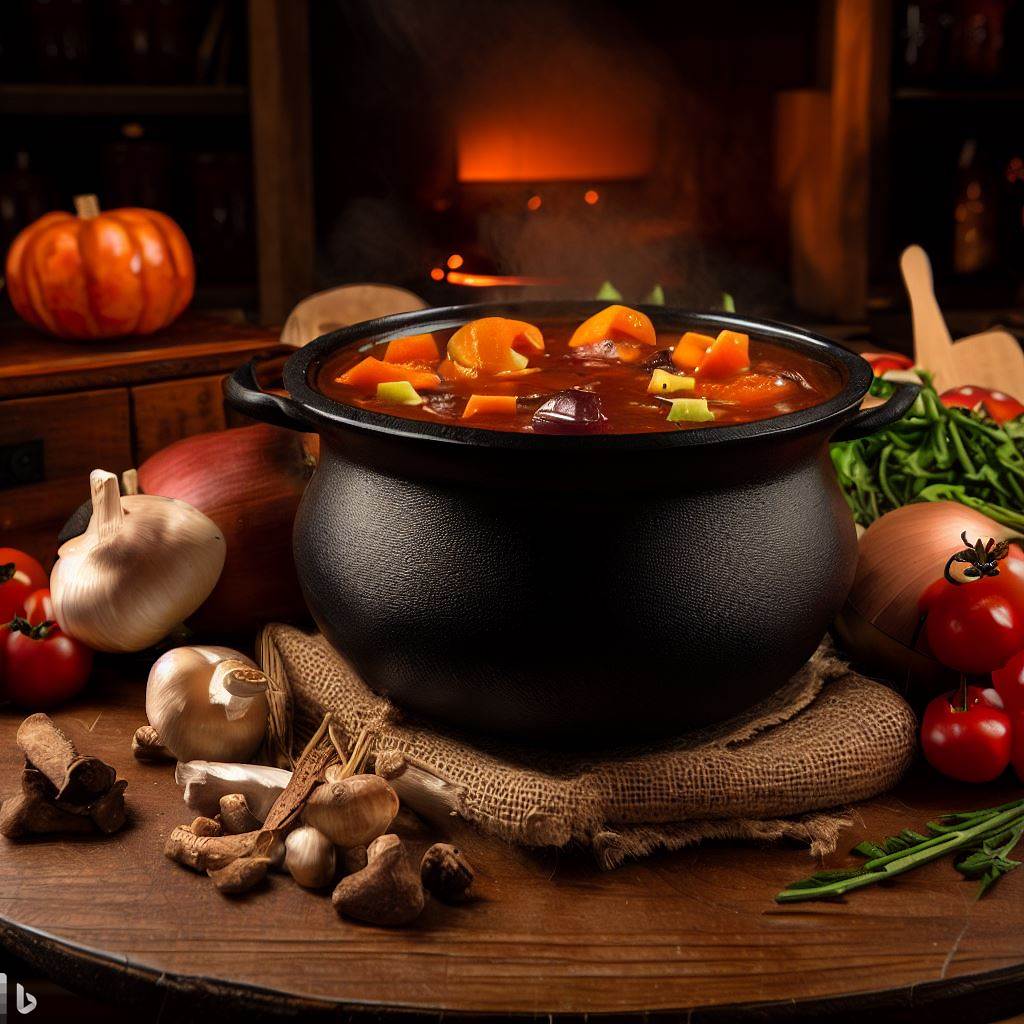

The Magic of Mabon’s Symbols and Symbols

Beyond the festive gatherings and seasonal delights, Mabon is rich with symbolism that deepens its significance. Explore the profound meaning behind some of the key symbols associated with this celebration:

  • Autumn Leaves – The changing colors of leaves during fall carry a message of transformation and letting go. Just as trees shed their leaves, Mabon encourages us to release what no longer serves us, making space for personal growth and renewal.
  • Pumpkins and Gourds – These iconic symbols of Mabon represent abundance, sustenance, and protection. Dive into the folklore surrounding these fruits, and how their presence at this time of year is tied to folklore and ancient beliefs.
  • Cornucopia – Also known as the “horn of plenty,” the cornucopia is a powerful representation of the harvest’s generosity. Delve into the origins of this symbol and how it ties into the celebration’s themes of gratitude and plenty.
  • Balance of Light and Darkness – Explore the metaphysical and spiritual significance of the equinox’s balance between day and night. Delve into how this balance influences not only the natural world but also our inner landscapes.
  • Mabon Altar Magic – Provide readers with practical guidance on setting up a Mabon-themed altar. Explain how the arrangement of elements such as autumn leaves, crystals, candles, and seasonal fruits can enhance their connection to the energies of the festival.

Mythological Tales

Unveiling the Universality of Mabon’s Significance

Beneath the tapestry of modern Mabon celebrations lies a rich trove of lesser-known mythological tales and legends—a mosaic of stories from various cultures that echo the themes of balance, harvest, and transition. These narratives, often tucked away in the annals of time, offer glimpses into the universality of Mabon’s significance, reminding us that across continents and epochs, humanity has found profound wisdom in the rhythms of the Earth.

In Greek mythology, the tale of Demeter and Persephone embodies the essence of Mabon—a narrative that unfolds with the seasons’ turn. Demeter, goddess of the harvest, mourns the loss of her daughter Persephone to the underworld. As Persephone returns to the surface, the Earth blooms with the vibrancy of life, celebrating her reunion with her mother. This myth mirrors the cyclical nature of Mabon, where the loss of light in the autumn yields to the promise of renewal in spring, highlighting the eternal dance between light and darkness.

In Slavic folklore, the Harvest King and Queen emerge as symbols of unity and fertility—a reflection of Mabon’s themes. As the harvest is gathered, a celebration ensues, with the Harvest King embodying the spirit of the grain and the Queen embodying the bounty of the Earth. Their union represents the interconnectedness of all life, a reminder that the balance between masculine and feminine energies yields the richness of abundance. This tale underscores the significance of Mabon’s celebration of balance and harmony.

The Korean celebration of Chuseok, a harvest festival akin to Mabon, offers another lens through which to view the season’s significance. This festival is rooted in the legend of Dangun, the founder of Gojoseon (an ancient Korean kingdom). As families gather to honor their ancestors and partake in feasting, gratitude and unity take center stage. Chuseok’s narrative underscores the importance of acknowledging the past, paying respects to ancestors, and fostering bonds between generations—a reflection of the interconnectedness that Mabon celebrates.

The tale of Mabon ap Modron, the Welsh god associated with the harvest, mirrors the essence of Mabon’s celebration. In Celtic mythology, Mabon is rescued by Culhwch and his companions, highlighting the importance of unity and cooperation in times of transition. As the harvest is gathered and the days shorten, this tale becomes a reminder that even in moments of transition, the interconnectedness of all life endures, fostering a sense of unity among people and nature.

Across continents and cultures, mythological tales unveil the universal threads of wisdom that underscore the significance of Mabon. From the Greek story of Demeter and Persephone to the Slavic Harvest King and Queen, and from the Korean Chuseok celebrations to the Celtic tale of Mabon ap Modron, the narratives echo the rhythms of the Earth and the dance of light and darkness. These stories remind us that Mabon’s teachings are not bound by time or place; rather, they form a tapestry of meaning that spans the globe, connecting humanity to the timeless wisdom of the changing seasons.

Harmony in Diversity

Mabon Celebrations Around the Globe

While Mabon’s origins trace back to Celtic and Druidic traditions, its essence resonates far beyond those boundaries. As the autumnal equinox approaches, similar celebrations of the changing seasons and the harvest’s bounty unfold in various corners of the world, each weaving its own cultural tapestry of rituals, practices, and customs. These global celebrations exemplify the interconnectedness of humanity and nature, reminding us that the rhythms of the Earth transcend geographical borders.

In Korea, the celebration of Chuseok mirrors Mabon’s themes of thanksgiving and unity. Families gather to pay respects to their ancestors, offering food and gratitude for the bountiful harvest. Vibrant feasts are prepared, showcasing traditional dishes that celebrate the season’s yield. Koreans also engage in folk games and dances, strengthening bonds and fostering a sense of unity among generations. Chuseok’s resonance with Mabon lies in its embrace of gratitude, familial connections, and the celebration of the harvest’s abundance.

Japan’s Tsukimi, or Moon-Viewing Festival, is a celebration that aligns with the changing of the seasons. Held during the full moon in September, Tsukimi invites families to gather and appreciate the beauty of the moon while feasting on seasonal foods. Moon-shaped dumplings and other offerings are made to honor the harvest, echoing Mabon’s practice of offering gratitude for the Earth’s bounty. The festival’s reflection of nature’s cycles and its emphasis on mindfulness resonate with Mabon’s themes of balance and interconnectedness.

Germany’s Erntedankfest, or Harvest Thanksgiving, draws parallels to Mabon’s celebration of the harvest’s abundance. Held in early October, communities come together to give thanks for the year’s harvest and to share in feasting and festivities. Decorated churches and processions filled with colorful harvest produce reflect the vibrancy of the season. Erntedankfest’s focus on gratitude and the interconnectedness of community, and the Earth mirrors the heart of Mabon’s teachings.

In South India, the festival of Pongal mirrors the spirit of Mabon through its celebration of the harvest and the sun’s abundance. Lasting for four days in mid-January, Pongal involves the preparation of a special dish made from newly harvested rice and other ingredients. The dish is prepared outdoors, under the sun’s rays, as an offering of gratitude. Pongal’s reverence for nature’s blessings, its emphasis on renewal, and its festive atmosphere reflect the universal themes celebrated during Mabon.

As diverse as these celebrations may appear, they share a common thread—the celebration of nature’s cycles, the harvest’s bounty, and the interconnectedness of life. Mabon’s teachings find resonance in Chuseok’s family unity, Tsukimi’s moonlit reflections, Erntedankfest’s community bonds, and Pongal’s renewal. Across cultures, continents, and climates, humanity pauses to honor the Earth’s generosity, weaving a tapestry of unity that speaks to the timeless wisdom of the changing seasons. Mabon’s celebration transcends boundaries, inviting us all to join in the harmonious dance of gratitude and interconnectedness.

Wrapping Up

Mabon is a time of celebration and gratitude, as well as a time of reflection and balance. It is a festival that honors the cycles of nature and the mysteries of life and death. By observing Mabon, we can connect with the ancient wisdom of our ancestors, who revered the earth and its seasons. We can also align ourselves with the energies of the equinox, which invite us to find harmony within ourselves and with others. Whether we choose to celebrate Mabon by performing rituals, crafting altars, making offerings, or simply enjoying the beauty of nature, we can experience the magic and wonder of this sacred Sabbat. Mabon reminds us that we are part of a larger cosmic dance, and that we have much to be thankful for.

Posted on Leave a comment

Mabon and the Quest for Unity

Mabon Lore
Mabon Lore

Introduction

Exploring the Myth of Culhwch and Mabon ap Modron in Celtic Tradition

In the mystical tapestry of Celtic mythology, the age-old tale of Culhwch and his quest to rescue Mabon ap Modron stands as a captivating narrative that weaves together the threads of transition, unity, and the ever-turning wheel of the seasons. As we journey through this myth, we find ourselves mirroring the shifting dynamics of nature itself. Through the lens of Culhwch and Mabon ap Modron’s story, we gain profound insights into the intricate connections between mythology, nature, and the human experience.

Culhwch – A Hero’s Journey

Culhwch, a prominent figure in Welsh mythology, emerges as a hero of extraordinary courage and unwavering determination. His lineage, marked by tragedy and mysticism, sets the stage for a destiny entwined with the enigmatic Mabon ap Modron. Culhwch’s first challenge materializes when he resists his stepmother’s attempt to arrange his marriage to her daughter. This rebellion results in a curse that foretells his destiny: he can only marry Olwen, the daughter of a formidable giant.

Culhwch’s odyssey unfurls with the task of seeking the aid of his cousin, Arthur, who graciously agrees to assist him in his quest for Olwen. However, the real test comes in the form of a list of seemingly insurmountable tasks set by Olwen’s father. These challenges include hunting a monstrous boar, retrieving a mystical cauldron, and, most significantly, freeing Mabon ap Modron from his age-old prison.

Mabon ap Modron – A Divine Captive

Mabon ap Modron occupies a unique place in Celtic mythology as the offspring of the goddess Modron, a lineage emphasized by his name, which translates to “Mabon, Son of Modron.” The myth of Mabon’s captivity encapsulates a central theme: the transition from the zenith of summer’s bounty to the gradual fading of autumn’s light. Mabon’s early capture mirrors the dwindling sunlight and vitality that herald the approaching autumn season. Scholar Miranda Green insightfully notes that Mabon’s imprisonment symbolizes an “annual withdrawal into darkness,” paralleling the “loss of fertility in nature.” His eventual liberation, therefore, signifies the return of light and life after a period of darkness and death.

The Quest for Unity and Cooperation

At the heart of the Culhwch and Mabon ap Modron myth lies the heroic quest undertaken by Culhwch to free Mabon from his enduring captivity. This quest serves as a potent metaphor for the ever-shifting dynamics of the seasons, underscoring the profound interconnectedness of life’s cyclical patterns. As Culhwch assembles a diverse team of heroes, each possessing unique skills, the myth reinforces the timeless importance of unity and cooperation in surmounting life’s challenges—a theme that harmonizes with the natural world’s seamless transition from one season to the next.

Transition and Symbolism

Mabon’s captivity holds more than just a tale of rescue; it symbolizes the poignant transition from the zenith of summer’s prosperity to the gradual decline of autumn. The fading light and waning warmth poignantly reflect the challenges accompanying seasonal change. Culhwch’s unyielding determination to liberate Mabon emerges as a beacon of hope, mirroring humanity’s resilience in the face of inevitable change.

The Myth’s Relevance Today

For practitioners of witchcraft and seekers of the occult, the story of Culhwch and Mabon ap Modron reverberates with profound relevance. It serves as a timeless reminder of life’s cyclical nature, encouraging introspection and adaptability as the seasons unfold. The myth’s resonant themes of unity, cooperation, and unwavering determination find application in one’s personal journey as a witch, fostering a deeper connection with both nature and the divine.

By emulating Culhwch’s unwavering resolve, we can surmount our own obstacles and challenges with courage and perseverance. By learning from Mabon’s experience, we can gracefully embrace our own potential and transformation. By honoring the balance between light and dark, life and death, we can align ourselves with the natural rhythms of the Earth and the cosmos. The story of Culhwch and Mabon ap Modron serves not only as a wellspring of inspiration and wisdom but also as a potent tool for personal growth and empowerment.

Conclusion

In the captivating narrative of Culhwch and Mabon ap Modron, we unearth a myth that transcends time and culture, offering profound insights into the interconnectedness of mythology, nature, and the human experience. As you embark on your journey through the realms of Wiccan, Pagan, and witchcraft practices, carry with you the enduring lessons nestled within this ancient tale—the significance of unity, the inevitability of transition, and the potent force of cooperation in the face of change. Just as Culhwch embarked on a quest to free Mabon, embrace your own journey of growth and transformation, finding wisdom and inspiration in the ancient myths that continue to weave their magic through our lives.

If you would like to read the tale yourself head over HERE.

Posted on Leave a comment

Recipe: Apple Harvest Loaf

Mabon Apple Loaf
Mabon Apple Loaf

Introduction

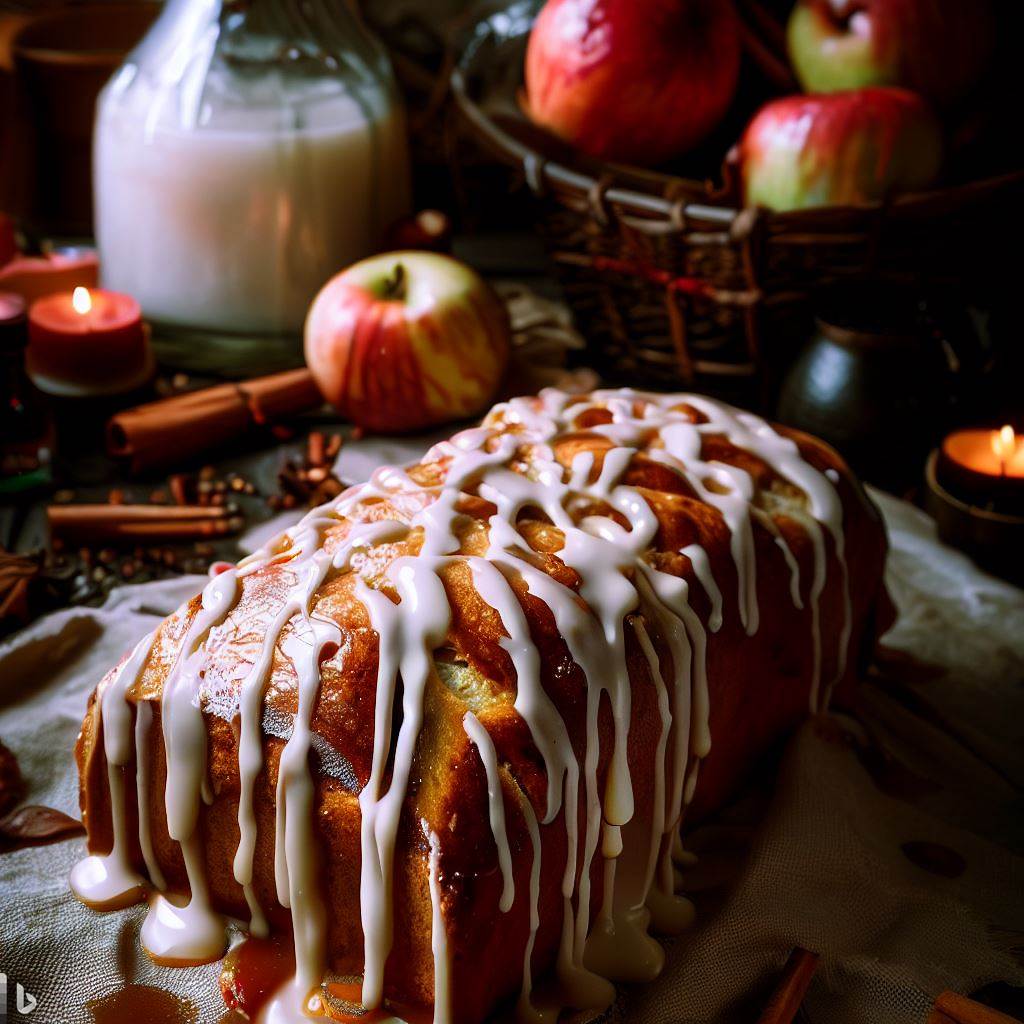
Celebrating Mabon with a Magical Apple Harvest Loaf

As the leaves start to turn golden and the air grows crisper, the autumnal equinox heralds the arrival of Mabon, a time of balance and gratitude. In this article, we’ll delve into a delightful recipe that serves as a perfect offering for Mabon festivities: the Magical Apple Harvest Loaf. This delicious creation not only pays homage to the bountiful harvest season but also brings together the flavors of the equinox in a way that’s deeply connected to your practice as a witch.

The Magic of Apple Loaf

Apples are sacred fruits that have been associated with many deities and cultures throughout history. They symbolize love, beauty, wisdom, immortality, and healing. They also represent the balance between light and dark, as they contain a hidden pentagram at their core when cut horizontally. The pentagram connects you to the five elements and provides protection. Apples are also linked to the Otherworld and the divine, as they can grant eternal youth and access to mystical realms. Apples are perfect for Mabon, as they are in season and reflect the gratitude and abundance of the harvest.

Bread is a staple food that has been made for thousands of years by many cultures. It symbolizes nourishment, sustenance, fertility, prosperity, and life. Bread is also associated with community, sharing, hospitality, and generosity. Bread is often used as an offering to the gods, spirits, ancestors, or guests. Bread is also a symbol of transformation, as it is made from simple ingredients that undergo a complex process of mixing, kneading, rising, and baking. Bread is suitable for Mabon, as it celebrates the fruits of your labor and the blessings of the earth.

Apple Loaf Bread combines the magical properties of apples and bread in a delicious and festive way. It enhances your love, wisdom, healing, protection, nourishment, prosperity, community, and transformation. It also honors the balance between light and dark, as well as the connection between the earthly and the mystical. It is a wonderful offering for Mabon that expresses your gratitude and joy for the season. 🍎🍞🍁

Magical Properties

  • Apples: Symbolize the cycle of life, knowledge, and healing. They connect us to the wisdom of the earth and are associated with love and fertility.
  • Cinnamon: Enhances psychic abilities, promotes abundance, and aids in purification rituals.
  • Nutmeg: Facilitates transformation and change, making it perfect for the equinox energy.
  • Cloves: Provide protection and dispel negativity, ensuring a harmonious and safe environment.
  • Walnuts: Symbolize wisdom, intelligence, and the power of the mind.
  • Raisins: Represent connections to the spiritual realm and ancestral energies.
  • Vanilla: Promotes balance and unity, aligning with the equinox’s theme of harmony.

Magical Apple Harvest Loaf

The perfect offering for Mabon festivities: the Magical Apple Harvest Loaf. This delicious creation not only pays homage to the bountiful harvest season but also brings together the flavors of the equinox in a way that’s deeply connected to your practice as a witch.

  • Loaf Pan

For the Loaf:

  • 2 cups all-purpose flour
  • 1 cup granulated sugar
  • 1 teaspoon baking soda
  • 1/2 teaspoon baking powder
  • 1/2 teaspoon salt
  • 1 teaspoon cinnamon (for warmth and abundance)
  • 1/2 teaspoon nutmeg (for transformation)
  • 1/4 teaspoon cloves (for protection)
  • 2 eggs (for fertility and renewal)
  • 1/2 cup vegetable oil (for connection to earth)
  • 1 teaspoon vanilla extract (for balance)
  • 2 cups grated apples (for grounding and growth)
  • 1/2 cup chopped walnuts (for wisdom)
  • 1/2 cup raisins (for connecting to the spiritual world)

For the Glaze:

  • 1 cup powdered sugar
  • 2 tablespoons milk or apple cider (for sweetness and unity)
  • 1/2 teaspoon vanilla extract
  1. Preheat your oven to 350°F (175°C) and grease a loaf pan.
  2. In a large bowl, mix the flour, sugar, baking soda, baking powder, salt, cinnamon, nutmeg, and cloves.
  3. In another bowl, beat the eggs and add the vegetable oil and vanilla extract.
  4. Gradually add the wet mixture to the dry mixture, stirring until just combined.
  5. Fold in the grated apples, chopped walnuts, and raisins.
  6. Pour the batter into the prepared loaf pan and bake for about 50-60 minutes, or until a toothpick inserted into the center comes out clean.
  7. Allow the loaf to cool for a few minutes in the pan before transferring it to a wire rack to cool completely.
  8. Drizzle the Glaze over the Loaf before slicing

Nutrition Facts  
Serving Size: 1 slice (85 g) Servings Per Recipe: 12
Amount Per Serving % Daily Value*
Calories 365  
Total Fat 15.4 g 20 %
Saturated Fat 1.9 g 10 %
Trans Fat 0 g  
Cholesterol 31 mg 10 %
Sodium 194 mg 8 %
Total Carbohydrate 55.6 g 20 %
Dietary Fiber 1.8 g 6 %
Sugars 35.3 g  
Protein 4.7 g 9 %
Vitamin D 0.2 mcg 0 %
Calcium 32 mg 2 %
Iron 1.7 mg 10 %
Potassium 139 mg 3 %

*Percent Daily Values are based on a 2,000 calorie diet. Your daily values may be higher or lower depending on your calorie needs.

Breads, Breakfast, Dessert
Mabon

Mabon Blessing Spell

After baking your Magical Apple Harvest Loaf and allowing it to cool, take a moment to connect with the energies of the ingredients and the equinox. Light a green or yellow candle to represent growth, balance, and gratitude. As you slice the loaf, visualize your intentions for the season ahead. With each slice, recite a blessing such as:

“With each bite, I embrace the balance of Mabon, Nurturing growth, gratitude, and magic drawn. As the seasons shift, so do I transform, Harvesting blessings, the equinox’s norm.”

Enjoy the delicious flavors as you connect with the energies of Mabon, allowing the magical properties of the ingredients to enhance your practice and further your journey as a witch.

This Magical Apple Harvest Loaf is not only a delightful treat for the senses but also a meaningful offering that embodies the essence of Mabon. As you celebrate this equinox, may your heart be filled with gratitude for the harvest of both the earth and your own spiritual growth. Blessed Mabon!

Posted on Leave a comment

Culhwch – A Hero of Ancient Wales

Culwch
Culwch

Introduction

Culhwch – A Hero of Ancient Wales

Mabon, the autumn equinox, is a time of balance, gratitude, and harvest. It is also a time to honor the ancient heroes and legends that have shaped our culture and spirituality. One of these heroes is Culhwch, a cousin of King Arthur and the protagonist of one of the oldest Arthurian tales, Culhwch and Olwen1. In this article, we will explore the life and adventures of Culhwch, and how his quest to win the hand of Olwen led him to rescue Mabon ap Modron, the divine son of the Mother Goddess. We will also examine how Culhwch’s story relates to our own journey as witches and practitioners of the occult, and what lessons we can learn from his courage, perseverance, and connection to the mystical realms.

In the intricate tapestry of Welsh mythology, Culhwch stands as a revered figure, embodying the essence of heroism, courage, and unwavering determination. His story, deeply interwoven with mysticism and tragedy, is a testament to the enduring human spirit and the trials that forge a hero’s path.

A Beacon of Heroism

Within the pantheon of Welsh mythology, Culhwch emerges as a beacon of heroism, a figure whose name resonates through the ages as a paragon of valor. His very existence embodies the qualities that define a hero – the unwavering resolve to face adversity, the unyielding courage to venture into the unknown, and the indomitable spirit to stand against the forces of fate itself.

Culhwch’s tale is a saga of courage in the face of insurmountable odds. Time and again, he confronted challenges that would have daunted even the boldest of souls. From his earliest days, marked by the tragedy of his mother’s passing, to the epic quest to rescue Mabon ap Modron from captivity, Culhwch displayed a courage that transcended mortal limitations. His unwavering determination to triumph over adversity serves as an enduring inspiration to all who hear his name.

Yet, Culhwch’s heroism is not simply born of physical strength or martial prowess; it is infused with mysticism and tempered by tragedy. His birth, an event where the boundary between life and death wavered, set the stage for a life intricately woven with the supernatural. The mystical forces that touched him at birth continued to shape his destiny, guiding him toward encounters with divine captives and otherworldly challenges that would test his mettle.

The trials and tribulations that punctuated Culhwch’s life were not mere happenstance but rather the crucibles in which his heroic character was forged. Each challenge, each ordeal, served to strengthen his resolve and hone his spirit. It is in the crucible of adversity that heroes are truly molded, and Culhwch’s life story exemplifies this eternal truth.

Ultimately, Culhwch’s story serves as a profound testament to the enduring human spirit. It reminds us that within each of us lies the potential for heroism, waiting to be awakened by the trials and tribulations of life. Culhwch, with his courage, mysticism-tinged journey, and unyielding determination, invites us to explore the depths of our own capabilities and discover the hero within, ready to face whatever challenges may come our way.

Ancestral Roots and Noble Bloodline

Culhwch’s lineage is of noble stock, the son of King Cilydd and Goleuddydd, a woman whose fate was tragically sealed within the confines of a tower. This union, while royal in nature, would set the stage for Culhwch’s destiny as a hero. Born into a world where the supernatural and the mortal often intertwined, Culhwch’s life was destined for a unique blend of myth and reality.

Culhwch’s lineage is a tapestry woven with threads of nobility, tracing its roots to a lineage of kings and queens. His father, King Cilydd, ruled over a realm steeped in the lore of ancient Wales, where the very land seemed to pulse with the heartbeat of history. This royal connection, however, was only the beginning of Culhwch’s extraordinary journey.

At the heart of Culhwch’s ancestry lies the tragic tale of his mother, Goleuddydd. Her life, like a melancholic ballad, was marked by a fate sealed within the confines of a tower. The details of her imprisonment remain shrouded in mystery, but the impact of her plight on Culhwch’s destiny cannot be overstated. Her story, a haunting melody of sorrow, would resonate throughout his life, infusing it with a sense of purpose that transcended the ordinary.

Culhwch’s birth into this royal bloodline was not merely a matter of lineage; it was the first chord in a symphony of heroism. His very existence was destined to be entwined with epic quests and legendary deeds. The blood of kings and queens flowed through his veins, and with it came the weighty responsibility to shape the destiny of his realm.

Culhwch’s life unfurled within a world where the supernatural and the mortal were inseparable, where myths and legends danced at the edge of reality. In this mystical land, where every hill and river held a story, Culhwch’s journey was uniquely positioned to traverse the boundaries of myth and reality. His very birth, marked by the ethereal connection between life and death, foreshadowed the extraordinary encounters and mystical adventures that would punctuate his heroic narrative.

Culhwch’s story is a testament to the convergence of myth and reality in the annals of Welsh mythology. His noble lineage, his mother’s tragic fate, and the mysticism that surrounded his birth all conspired to craft a destiny that blurred the lines between the mundane and the magical. As you delve deeper into the realms of witchcraft and the occult, remember Culhwch’s unique blend of myth and reality. It serves as a reminder that within the mystical tapestry of your own journey, the extraordinary may emerge from the most ordinary of origins.

A Birth Marred by Tragedy and Mysticism

The circumstances of Culhwch’s birth are shrouded in both tragedy and mysticism, marking the beginning of his extraordinary journey. As his mother Goleuddydd gave birth to him, the veil between life and death thinned. She tragically passed away during childbirth, leaving behind a legacy that would forever be intertwined with the mystical forces that shaped his life. This event, a potent blend of sorrow and otherworldly connection, foreshadowed the hero’s future encounters with the supernatural.

The circumstances surrounding Culhwch’s birth form a profound and poignant chapter in his heroic tale, one where the lines between the mundane and the mystical become exquisitely blurred. This momentous event, steeped in both tragedy and mysticism, marked the inception of his extraordinary journey, a journey destined to be woven with threads of the supernatural.

As Culhwch’s mother, Goleuddydd, labored to bring him into the world, a profound and mystical event occurred – the veil between the realms of life and death grew thin. It’s as though the very fabric of existence quivered with the anticipation of an extraordinary destiny. This ephemeral moment, when the boundaries between the seen and the unseen wavered, would forever define Culhwch’s connection to the mystical forces that would shape his life.

Yet, this moment of mystical significance was shrouded in sorrow, for it was in the throes of childbirth that Goleuddydd met her untimely end. Her tragic passing left a void in Culhwch’s life that could never be filled. The juxtaposition of this profound loss with the otherworldly occurrences at his birth was a poignant reminder that the hero’s path is often marked by both light and shadow, joy and sorrow.

Goleuddydd’s legacy, though tragically cut short, would forever be intertwined with the mystical forces that had enveloped Culhwch’s birth. Her presence lingered in the very air he breathed, a spectral guardian guiding him through the trials that lay ahead. Her memory, like a flickering candle in the darkness, illuminated the path of his destiny, reminding him of the depth of sacrifice and the enduring power of maternal love.

This pivotal event, the nexus of sorrow and otherworldly connection, was not a singular occurrence in Culhwch’s life but rather a foreshadowing of the supernatural encounters that would punctuate his heroic journey. It whispered to him of the realms beyond mortal comprehension, beckoning him to explore the mysteries of the unknown and to confront the divine and the arcane.

Trials and Tribulations

Culhwch’s life was anything but ordinary. It unfolded as a series of trials and tribulations, each serving as a crucible for his character. These challenges, reminiscent of the mythological heroes of old, forged his unwavering determination and indomitable spirit. It is through these ordeals that Culhwch was honed into the hero he was destined to become.

Culhwch’s life was a remarkable tapestry, woven with threads of trials and tribulations that set him apart from the ordinary. It was a life that mirrored the heroic sagas of ancient myths, where each challenge served as a crucible for his character, forging an unwavering determination and an indomitable spirit that would define his destiny.

The trials that punctuated Culhwch’s journey were not mere hurdles to overcome but profound crucibles that tested the mettle of his soul. Just as a blacksmith shapes molten metal into a formidable blade through the fires of the forge, so did these challenges shape Culhwch into the hero he was destined to become. His encounters with adversity were not random, but purposeful, meant to mold him into a vessel capable of bearing the weight of epic quests and divine encounters.

In his trials, echoes of the mythological heroes of old reverberated. Like Hercules facing the Twelve Labors or Perseus confronting the Gorgon, Culhwch grappled with supernatural forces and insurmountable odds. These mythic undertones in his story elevated him from the realm of mortals to the pantheon of legendary heroes, as he demonstrated a valor and fortitude that transcended the ordinary.

What set Culhwch apart was his unwavering determination. In the face of daunting challenges, he did not falter. His resolve was like an unbreakable oak tree, weathering the storms of adversity. It was this determination that fueled his quest to rescue Mabon ap Modron, a divine captive, and it was this same determination that allowed him to stand steadfast against the tide of fate.

Culhwch’s spirit was indomitable. He possessed an inner fire that blazed with an intensity matched only by the blazing sun. Even in the darkest of moments, when the odds seemed insurmountable, he pressed forward, driven by a sense of purpose that could not be extinguished. His indomitable spirit was a beacon of hope, a reminder that heroes are not born but forged in the crucible of life’s challenges.

Fated Encounter with Mabon ap Modron

The pivotal moment in Culhwch’s journey arrives with his fated encounter with Mabon ap Modron, a divine captive whose rescue becomes the central quest of the myth. Culhwch’s courage and determination are showcased in his unwavering commitment to free Mabon, despite the formidable challenges that lie ahead. This mission not only symbolizes his heroism but also underscores the interconnectedness of his destiny with the changing seasons, a theme that resonates deeply in Celtic mythology.

The pivotal moment in Culhwch’s epic journey unfolds with the fated encounter with Mabon ap Modron, a divine captive whose rescue becomes the very heart of the myth’s narrative. This juncture in Culhwch’s life showcases not only his unyielding courage and determination but also the profound interconnectedness of his destiny with the ever-shifting seasons, a theme that resonates at the core of Celtic mythology.

Mabon ap Modron, the name itself resonates with ancient power, representing a divine lineage that links him directly to the goddess Modron. Yet, Mabon is no god of invincibility; instead, he is a captive, a symbol of vulnerability amidst the supernatural. His captivity hints at the transitory nature of life, as even the divine can be bound by circumstance.

Culhwch’s response to this divine captive’s plight is nothing short of heroic. His unwavering commitment to the mission of freeing Mabon reflects not only his bravery but also his understanding of the interconnectedness of all things. He recognizes that Mabon’s liberation is not just a noble quest but a vital thread in the intricate tapestry of existence, where the fate of one being is irrevocably linked to the destiny of another.

The challenges Culhwch faces in his quest to free Mabon are formidable, bordering on the impossible. Yet, he does not waver. He marches forward with the determination of a hero who knows that the path to greatness is often paved with trials that seem insurmountable. His journey embodies the very essence of heroism – the willingness to confront the unknown and overcome the impossible.

This mission to rescue Mabon is not merely an isolated heroic act; it is symbolic of Culhwch’s heroism and the broader themes of Celtic mythology. Just as Mabon’s captivity represents the dimming of divine light, the hero’s quest symbolizes the fight against the encroaching darkness of adversity. Culhwch’s dedication to this rescue mission mirrors humanity’s innate desire to navigate the changing seasons of life with courage and purpose.

The intertwined destinies of Culhwch and Mabon emphasize the interconnectedness of all life with the changing seasons. Just as the natural world transitions from abundance to decline and renewal, so too do individuals navigate their own cycles of triumph and tribulation. Culhwch’s journey serves as a reminder that, like the seasons, our destinies are inextricably linked, and our heroic acts can influence the balance of the cosmic dance.

The Legacy of Culhwch

Culhwch’s legacy as a hero of ancient Wales endures as a symbol of human resilience, courage, and the enduring spirit that faces adversity head-on. His life, marked by tragedy and mysticism, serves as a reminder that heroes are often forged in the crucible of trials and tribulations. As you delve deeper into the realms of witchcraft and the occult, draw inspiration from Culhwch’s unwavering determination and his ability to navigate the supernatural, for his story is a testament to the enduring power of the human spirit.

Culhwch’s legacy, as a hero of ancient Wales, remains an enduring symbol of human resilience, unwavering courage, and the indomitable spirit that confronts adversity head-on. His life, characterized by a unique blend of tragedy and mysticism, serves as a poignant reminder that heroes are often forged in the crucible of trials and tribulations. As you journey deeper into the realms of witchcraft and the occult, Culhwch’s story continues to inspire, offering profound lessons in the art of facing challenges and navigating the supernatural, ultimately testifying to the timeless power of the human spirit.

Culhwch’s legacy serves as a testament to the incredible resilience of the human soul. His life was far from a linear path to glory; it was filled with twists and turns, moments of joy and sorrow. Yet, in the face of every obstacle, he demonstrated an unyielding determination to persevere. He reminds us that no matter the circumstances, the human spirit has the capacity to rise above and conquer even the most daunting challenges.

Courage, like a guiding star in the darkest of nights, shines brilliantly in the story of Culhwch. His willingness to confront the unknown, to challenge the very forces of fate, exemplifies a bravery that knows no bounds. His journey encourages us to tap into our own reservoirs of courage as we navigate the intricate landscapes of the mystical and the unknown.

Culhwch’s life, entwined with mysticism, underscores the idea that the supernatural is not separate from human experience but an integral part of it. He ventured into realms where the ordinary and the extraordinary converged, reminding us that the mystical can be a source of strength and insight on our own journeys. In the study of witchcraft and the occult, Culhwch’s story encourages us to embrace the mystical aspects of our practices and explore the realms beyond the mundane.

Above all, Culhwch’s story stands as a testament to the enduring power of the human spirit. It illustrates that, in the crucible of life’s challenges, heroes are not born but forged. Just as Culhwch was shaped by adversity into a legendary figure, so too can we cultivate our own heroism as we confront the mysteries and wonders of the supernatural.

A Collective Journey of Inspiration:

As you continue your pursuit of knowledge and mastery in the realms of witchcraft and the occult, let Culhwch’s legacy be a source of profound inspiration. His life story transcends time and culture, offering a tapestry of wisdom that weaves through the mystical arts. Culhwch’s journey reminds us that through resilience, courage, and an openness to the mystical, we can navigate the most profound of experiences. His unwavering determination to face challenges head-on serves as a guiding beacon in our own quests for deeper understanding and mastery of the mystical arts. Moreover, Culhwch’s quest to rescue Mabon ap Modron serves as a symbol of the interconnectedness between humanity, the divine, and the ever-changing seasons. It’s a reminder that our actions ripple through the web of existence, and our heroism can bring light to the darkest of seasons, both in our own lives and in the mystical realms we explore. His life stands as a testament to the transformative power of trials and tribulations. As you embark on your own journey within the realms of witchcraft and the occult, draw inspiration from Culhwch’s journey. Remember that challenges, though daunting, are the very crucibles that can shape your character and lead you to heights you might never have imagined. Culhwch’s birth, a mystical occurrence shrouded in tragedy and wonder, serves as a prelude to the epic adventures that awaited him. It underscores the potential for extraordinary experiences within the union of the earthly and the mystical, forging a hero’s destiny that echoes across time and invites you to explore the depths of your own capabilities. Embrace his legacy, for it is a timeless reminder that the enduring power of the human spirit can illuminate even the most mystical corners of our existence.

Posted on Leave a comment

Autumn Home Remedies – Steam Treatments

Autumn Steam Treatments

Introduction

Autumn Home Remedies – Steam Treatments

As autumn brings cooler temperatures and a shift in nature’s colors, it’s the perfect time to indulge in the comforting and therapeutic practice of steam treatments. By harnessing the power of steam infused with the essence of autumn foraging—herbs, plants, and flowers—we can create rejuvenating and healing experiences for our bodies and minds.

In this series, we’ll go over steam treatments (This Article), elixirs, teas, tinctures, broths, herbal glycerites, aroma therapy, and tonics. There are a lot of home remedies and nearly endless possibilities of methods. The eight selected for this series are some of the most common practices. All these covered home remedies are perfect for Autumn applications.

In this article, we will explore the art of steam treatments during autumn, showcasing the bounty of herbs and botanicals available during this season and providing practical methods to incorporate them into our self-care routines. Get ready to immerse yourself in the soothing embrace of steam and nature’s therapeutic essence.

Steam treatment

Foraging for Autumn Botanicals

Autumn offers an abundance of herbs, plants, and flowers that can enhance your steam treatments. Consider incorporating the following ingredients into your autumn steam rituals:

  • Chamomile: Known for its calming and soothing properties, chamomile flowers can help relieve stress, promote relaxation, and soothe the skin.
  • Eucalyptus: With its invigorating aroma and respiratory benefits, eucalyptus leaves can help clear congestion, improve breathing, and provide a refreshing experience.
  • Rosemary: This aromatic herb is known for its stimulating and invigorating properties. Its fragrance can help uplift the spirits and promote mental clarity during your steam treatment.
  • Lavender: With its calming and aromatic qualities, lavender flowers are ideal for creating a relaxing and spa-like ambiance during your steam session.

Method for Autumn Steam Treatment

Follow these steps to create an invigorating and rejuvenating autumn steam treatment:

Ingredients:

  • Fresh or dried herbs, plants, or flowers of your choice (See Above)
  • Filtered water

Process:

  • Gather your chosen autumn botanicals and place them in a heat-safe bowl or basin.
  • Boil a pot of filtered water and carefully pour it over the botanicals until they are fully covered.
  • Create a tent-like structure by draping a towel over your head, allowing it to cover both your head and the bowl. This will help trap the steam and direct it toward your face.
  • Position your face at a comfortable distance above the bowl, ensuring that the steam is not too hot to avoid burns.
  • Close your eyes, relax, and breathe deeply, allowing the aromatic steam to envelop your face and deeply penetrate your pores.
  • Continue the steam treatment for about 5-10 minutes, or until you feel refreshed and rejuvenated.

Customizing Your Autumn Steam Treatment

You can customize your steam treatment by combining different herbs and botanicals based on your specific needs:

Relaxation Blend: Combine chamomile and lavender for a steam treatment that promotes relaxation, relieves stress, and calms the mind.

Respiratory Support Blend: Blend eucalyptus and rosemary to create a steam treatment that helps open up the airways, clears congestion, and enhances breathing.

Skin Rejuvenation Blend: Mix chamomile and rosemary for a steam treatment that soothes and revitalizes the skin, leaving it refreshed and glowing.

Safety Precautions

When practicing steam treatments, it’s important to keep the following safety precautions in mind:

  • Be cautious while working with hot water to avoid burns. Allow the water to cool slightly before beginning the steam treatment.
  • Always maintain a comfortable distance from the steaming water to prevent any risk of burns to your face or skin.
  • If you have any respiratory conditions or sensitivities, consult with a healthcare professional before attempting steam treatments.
  • Take care when handling and disposing of hot water and botanicals to avoid accidents.

Conclusion

Autumn steam treatments offer a rejuvenating and therapeutic experience, allowing us to indulge in the healing power of nature during this transformative season. By incorporating herbs, plants, and flowers available during autumn foraging, such as chamomile, eucalyptus, rosemary, and lavender, we can create steam treatments that promote relaxation, respiratory support, and skin rejuvenation. Take the time to immerse yourself in the fragrant embrace of steam, allowing its therapeutic essence to nourish your body and mind. Embrace the soothing benefits of autumn steam treatments as part of your self-care routine and cherish the moments of tranquility and rejuvenation they provide. Let the essence of autumn envelop you as you embark on a journey of well-being through the calming power of steam.

Posted on Leave a comment

Smoke Scrying: Exploring the Mystical Art of Capnomancy

Introduction

Smoke Scrying: Exploring the Mystical Art of Capnomancy

Smoke scrying, also known as capnomancy, is a fascinating form of divination that has captured the imagination of cultures throughout history. This ancient practice involves observing the patterns, movements, and shapes formed by smoke as it rises and dissipates. Believed to hold symbolic meanings and messages from the spiritual realms, smoke scrying offers a unique avenue for seekers to gain insights, receive guidance, and tap into their intuition. In this article, we will delve into the rich history and origins of smoke scrying, explore the different types of smoke and their magical meanings, discuss how to practice smoke scrying, provide guidance on interpreting the messages, and emphasize the importance of safety during the process.

Unveiling the Ancient Origins and Mystical History

Smoke scrying, an ancient and revered practice, has traversed through the ages, captivating the hearts and minds of cultures worldwide. Drawing upon the potent symbolism of fire and smoke, this divinatory art form enables seekers to connect with realms beyond the physical and unlock profound insights. In this article, we will explore the rich history and origins of smoke scrying, tracing its roots to ancient civilizations such as Egypt, Greece, Rome, and indigenous tribes. Discover how these cultures harnessed the mystical properties of smoke to communicate with the divine, gain spiritual wisdom, and navigate the intricate tapestry of existence.

Ancient Egypt

Gateway to the Divine

The practice of smoke scrying finds its earliest traces in ancient Egypt, where smoke was held in high regard as a conduit between mortals and deities. Priests and priestesses would burn incense during sacred ceremonies to invoke the presence of the gods and goddesses. The fragrant smoke wafting through the air was believed to carry prayers, offerings, and messages to the divine realm. By immersing themselves in the rising smoke, the priests sought divine insights, guidance, and blessings, paving the way for an intricate tapestry of spiritual connection.

Greece and Rome

Unveiling Omens and Divination

The ancient Greeks and Romans, renowned for their deep fascination with the mystical and the unknown, recognized the profound symbolism hidden within the movements and shapes of smoke. They believed that smoke held the power to reveal omens, messages, and glimpses into the realm of the spirit. Oracles and seers would gather around sacred fires, observing the dance of smoke as it swirled and twisted through the air. These ethereal patterns served as a medium through which the divine communicated, offering guidance, warnings, and glimpses into the future. The interpretation of smoke’s ephemeral language became an integral part of their divination practices, aiding rulers, generals, and ordinary individuals in making important decisions and navigating the complexities of life.

Indigenous Tribes

Sacred Herbs and Smoke

Across various indigenous tribes, the reverence for smoke as a spiritual tool spanned vast landscapes and cultural tapestries. Native American traditions, for instance, incorporated the burning of sacred herbs and plants to create smoke for purification, healing, and spiritual communication. The smoke from herbs like sage, cedar, and sweetgrass was believed to carry prayers, intentions, and messages to the spirit world. Through the rituals of smudging and smoke scrying, individuals sought harmony, connection, and guidance from the unseen realms. The sacred act of observing the rising smoke allowed them to commune with ancestors, spirits, and the natural world, fostering a deep sense of belonging and spiritual interconnectedness.

The practice of smoke scrying resonates with a profound human longing for connection, wisdom, and transcendence. From the ancient Egyptians’ invocation of the gods through the fragrant tendrils of incense to the Greeks and Romans deciphering omens in swirling smoke, and the indigenous tribes communing with the spirit world through sacred herbs, smoke scrying has left an indelible mark on the history of divination. These cultures recognized the mystical properties of smoke, its transformative nature, and its ability to bridge the earthly and spiritual realms. Today, as we engage in the ancient art of smoke scrying, we honor the wisdom of the past, tap into our intuitive depths, and embrace the ethereal dance of rising smoke as a portal to unseen realms of guidance and enlightenment.

Types of Smoke and Their Magical Meanings

In the practice of smoke scrying, the types of smoke used hold distinct magical properties and symbolic meanings. Each type of smoke adds depth and layers of symbolism to the divinatory experience, creating a unique and profound connection with the spiritual realms. Let us explore the various types of smoke commonly used in smoke scrying: incense smoke, candle smoke, smoke from sacred herbs, and natural fire smoke. By understanding the magical significance of these different smoke sources, practitioners can deepen their insights and interpretations during the scrying process.

Different types of smoke carry distinct magical properties and symbolic meanings, adding depth and nuance to the practice of smoke scrying. Here are a few examples:

Incense Smoke

Incense smoke, created by burning aromatic resins and herbs, is often associated with purification, spiritual elevation, and connection with the divine. Each type of incense carries its own energetic vibrations and can enhance specific intentions during smoke scrying.

Incense smoke has a long-standing tradition in spiritual rituals and ceremonies. As the fragrant tendrils rise and dissipate, incense smoke carries intentions, prayers, and offerings to the divine. The magical significance of incense smoke lies in its ability to purify the space, heighten spiritual awareness, and invite the presence of higher beings. Different types of incense, such as sandalwood, frankincense, or lavender, carry their unique energies and correspondences. For example, sandalwood incense is often associated with grounding, protection, and spiritual enlightenment, while frankincense is linked to purification, spiritual connection, and blessings. The delicate dance of incense smoke can provide glimpses into the spiritual realm and facilitate communication with guides and deities.

Candle Smoke

Candle smoke, produced by burning candles made from various materials such as beeswax or soy, represents illumination, transformation, and spiritual guidance. The colors and scents of the candles can further influence the energy and meaning of the smoke.

Candle smoke holds a profound symbolism in the realm of divination and spiritual practices. As the flame dances and flickers, it produces a subtle yet captivating smoke that carries its own magical significance. Candle smoke represents the element of fire, transformation, and illumination. It embodies the journey of the soul, burning away limitations, and shedding light on hidden truths. The movement and patterns of candle smoke during smoke scrying can offer insights into personal transformation, spiritual growth, and the uncovering of hidden knowledge. The color of the candle and the specific intention set during the practice further infuse the smoke with unique energies and messages.

Smoke from Sacred Herbs

Burning sacred herbs like sage, cedar, or palo santo releases smoke that purifies the space and aids in spiritual communication. Each herb has its own unique properties and can be used to evoke specific energies during smoke scrying.

Smoke scrying often incorporates the burning of sacred herbs such as sage, cedar, lavender, or mugwort. These herbs have been used for centuries in various cultural and spiritual practices to purify, heal, and connect with the spiritual realms. Each sacred herb carries its own energetic properties and magical associations. For example, white sage is renowned for its cleansing and protective qualities, while lavender is known for its calming and harmonizing effects. The smoke produced by these sacred herbs is believed to carry the essence and wisdom of the plants themselves. The observance of the smoke’s movement, scent, and patterns allows practitioners to tap into the healing energies and messages embedded within.

Natural Fire Smoke

Smoke arising from natural fires, such as campfires or bonfires, carries the energy of community, protection, and connection with the primal forces of nature. The dancing flames and smoke provide a powerful backdrop for profound insights and transformative experiences.

Natural fire smoke, such as that produced by bonfires or hearths, possesses a primal and powerful energy. These fires, often kindled outdoors, connect us to the elements and the natural world. The smoke from natural fires symbolizes passion, transformation, and the raw forces of nature. It carries the energy of the ancestors, the spirit of the land, and the mysteries of the cosmos. Observing the smoke from a natural fire during smoke scrying can provide profound insights into ancestral wisdom, personal growth, and the cyclical nature of life.

The types of smoke used in smoke scrying – incense smoke, candle smoke, smoke from sacred herbs, and natural fire smoke – each possess their own unique magical significance. They act as conduits between the physical and spiritual realms, carrying intentions, prayers, and messages. By attuning to the energies and symbolism of different smoke sources, practitioners of smoke scrying can deepen their connection to the divine, unlock hidden insights, and embark on a transformative journey of self-discovery.

How to Practice Smoke Scrying

Before you begin a smoke scrying session, it is important to create a sacred and calm space. Find a quiet and well-ventilated area where you can focus without distractions. Smoke scrying is a powerful divination technique that allows practitioners to gain insights and guidance from the ethereal realm through the observation of smoke. By following these steps, you can enhance your smoke scrying practice and open the door to profound spiritual experiences.

Follow these steps to engage in smoke scrying:

Set Intentions

Before beginning a smoke scrying session, it is crucial to set clear intentions. Take a moment to reflect on your purpose for scrying and what you seek to gain from the experience. Whether it is guidance, clarity, or answers to specific questions, clearly state your intentions in your mind or through a brief ritual. This step helps focus your energy and directs the messages you receive towards your desired outcome.

Prepare the Smoke

Choose the type of smoke you wish to work with, such as incense, a candle, sacred herbs, or a natural fire. Ensure that you are working in a well-ventilated area to allow the smoke to disperse naturally. If using incense or herbs, light them carefully, allowing the flame to catch before gently blowing it out, leaving behind a smoldering ember. If using a candle, ensure it is placed securely on a stable surface and allow it to burn until enough smoke is produced. As the smoke begins to rise, visualize it as a conduit for spiritual energy and a medium for communication.

Observe and Relax

Find a comfortable position where you can observe the smoke without distractions. Allow yourself to relax and enter a state of receptivity. Soften your gaze and fix your attention on the smoke as it dances and swirls. Take slow, deep breaths, inhaling and exhaling in a relaxed rhythm. As you observe the smoke, let your mind become still and open, creating space for insights and messages to emerge.

Engage Your Intuition:

As the smoke moves and changes shape, engage your intuition to interpret the messages it carries. Notice any patterns, shapes, or symbols that appear within the smoke. Trust your inner guidance and allow your intuition to make connections and associations. Remember that the messages received during smoke scrying are highly personal, and your intuition plays a vital role in deciphering their meaning. Stay open to subtle impressions, emotions, or thoughts that may arise during the process.

Reflect and Record

After the smoke scrying session, take a moment to reflect on your experience. Consider the images, symbols, or messages that came through and how they relate to your intentions. Journaling your observations and interpretations can be invaluable in deepening your understanding and recognizing patterns over time. By recording your experiences, you create a personal record of your journey and can revisit and reflect on the insights gained from each session.

Smoke scrying is a profound practice that allows for a deep connection with the spiritual realm. By setting clear intentions, preparing the smoke, observing, and relaxing, and engaging your intuition, you can create a sacred space for meaningful insights and guidance to emerge. Remember to approach smoke scrying with an open mind and heart, trusting in your own intuitive abilities. Through this practice, you can tap into the wisdom of the unseen and embark on a transformative journey of self-discovery and spiritual growth.

Interpreting the Messages

Interpreting the messages revealed through smoke scrying requires a blend of intuition, symbolism, and personal associations. Interpreting the messages received during smoke scrying requires a combination of intuition, symbolism, and personal associations. As you engage in this divination practice, consider the following techniques to help you unlock the meaning behind the smoke’s messages.

The following tips can help you decipher the meanings behind the smoke:

Symbolism

Pay close attention to the shapes, patterns, and movements within the smoke. Each aspect holds symbolic significance that can provide valuable insights into the messages being conveyed. Consider the archetypal meanings associated with common symbols, as well as any personal symbolism that resonates with you. Trust your instincts and allow your subconscious to make connections between the smoke and the symbols that hold meaning in your life.

Intuition

Your intuition serves as a powerful guide in interpreting the messages from smoke scrying. As you observe the smoke, tune in to your inner knowledge and allow your intuition to provide insights and understanding. Trust the subtle impressions, emotions, and sensations that arise within you. Intuition is a deeply personal and intuitive faculty that can help you navigate the symbolic language of the smoke and uncover the hidden wisdom it carries.

Journaling

Keeping a journal of your smoke scrying experiences is a valuable tool for interpretation and reflection. After each session, take time to record your observations, including the symbols, shapes, and movements you witnessed. Write down any thoughts, emotions, or insights that came to you during the scrying process. Over time, you may start to notice patterns and recurring symbols, allowing you to develop your own personal lexicon of smoke symbolism. Journaling also provides an opportunity for self-reflection and deeper exploration of the messages received.

Personal Associations

While certain symbols may have universal meanings, it is essential to consider your own personal associations when interpreting smoke scrying messages. Reflect on your unique life experiences, beliefs, and cultural background. Certain symbols may hold different meanings for different individuals based on their personal associations. Trust your own connection to the symbols and their significance in your life’s journey.

Synchronicities and Significance

Pay attention to any synchronicities or coincidences that occur outside of your smoke scrying practice. Notice if the symbols, messages, or themes you encounter during scrying appear in your daily life as well. These synchronicities may serve as confirmation or further guidance related to the messages received through smoke scrying. Recognizing these connections can deepen your understanding and provide valuable insights into your path.

Interpreting the messages received in smoke scrying requires a delicate balance of intuition, symbolism, personal associations, and self-reflection. Trust your intuition and allow yourself to connect with the subtle energies and hidden wisdom within the smoke. By incorporating symbolism, intuition, journaling, and awareness of synchronicities, you can unlock the profound messages that emerge during your smoke scrying practice. Remember that interpretation is a personal and evolving process, and with time and practice, you will develop a deeper understanding of the symbolic language of smoke and the messages it holds for you.

Safety Precautions

While smoke scrying can be a powerful and transformative practice, it is essential to prioritize safety. Here are some important considerations:

Ventilation

Ensure you are working in a well-ventilated area to prevent smoke inhalation and promote air circulation.

Fire Safety

Place your burning materials on stable surfaces and away from flammable objects. Never leave a burning flame or smoldering incense unattended. Keep a fire extinguisher or a source of water nearby in case of emergencies.

Personal Protection

If you have respiratory conditions or sensitivities, consider using natural and non-irritating smoke sources. It is also advisable to seek guidance from experienced practitioners or spiritual mentors who can provide further insights into the safe and responsible practice of smoke scrying.

Conclusion

Smoke scrying invites us to immerse ourselves in the mystical dance of rising smoke, unraveling hidden truths, and connecting with the realms of intuition and divination. As you embark on your journey, respect the sacredness of the practice, choose your smoke sources with intention, and allow your intuition to guide you in interpreting the messages. Through smoke scrying, you can deepen your spiritual connection, gain profound insights, and unlock the wisdom of the unseen. Embrace the ethereal beauty of smoke as it carries you on a transformative path of self-discovery and spiritual growth.

Posted on Leave a comment

Foraging: Unveiling the Wonders of Mallow

Mallow Varieties
Mallow Varieties

Introduction

A Comprehensive Guide to Foraging and Utilizing this Versatile Plant

Mallow, with its beautiful flowers and numerous practical uses, is a remarkable wild plant that has captured the attention of foragers, herbalists, and folklore enthusiasts for centuries. This article serves as an in-depth exploration of mallow, encompassing its variants, appearance, foraging locations, culinary and medicinal applications, magical properties, and important safety considerations.

Variants and Appearance

Mallow, with its various species, exhibits a range of delightful characteristics that make it easily identifiable during foraging endeavors. While common mallow (Malva sylvestris) holds the title of the most widespread and recognized variant, other species within the Malvaceae family share similar traits. Here are key insights into the variants and appearance of mallow:

Common Mallow (Malva sylvestris)

Common mallow, also known as high mallow, is the most prevalent and well-known species. It features rounded, palmate leaves with toothed edges that grow alternately along the stems. The leaves are often soft and velvety to the touch, giving them a distinctive texture. Common mallow produces attractive flowers with five petals that range in color from pale pink to deep purple. These flowers have noticeable veins and a central column of fused stamens. After flowering, common mallow forms disc-shaped fruits with numerous seeds.
High Mallow (Malva sylvestris var. mauritiana)

High mallow is a variant of common mallow that often has more deeply lobed leaves and larger flowers. The plant’s overall appearance and growth habits are like those of common mallow. It shares the rounded, palmate leaves, velvety texture, and attractive flowers with its counterpart.
Marsh Mallow (Althaea officinalis)

Marsh mallow is another noteworthy species within the mallow family. It is a tall perennial herb known for its medicinal properties. Marsh mallow features heart-shaped leaves with toothed edges and a slightly fuzzy texture. The plant produces pale pink or white flowers with five petals. The root of marsh mallow has been historically used for its mucilaginous properties.
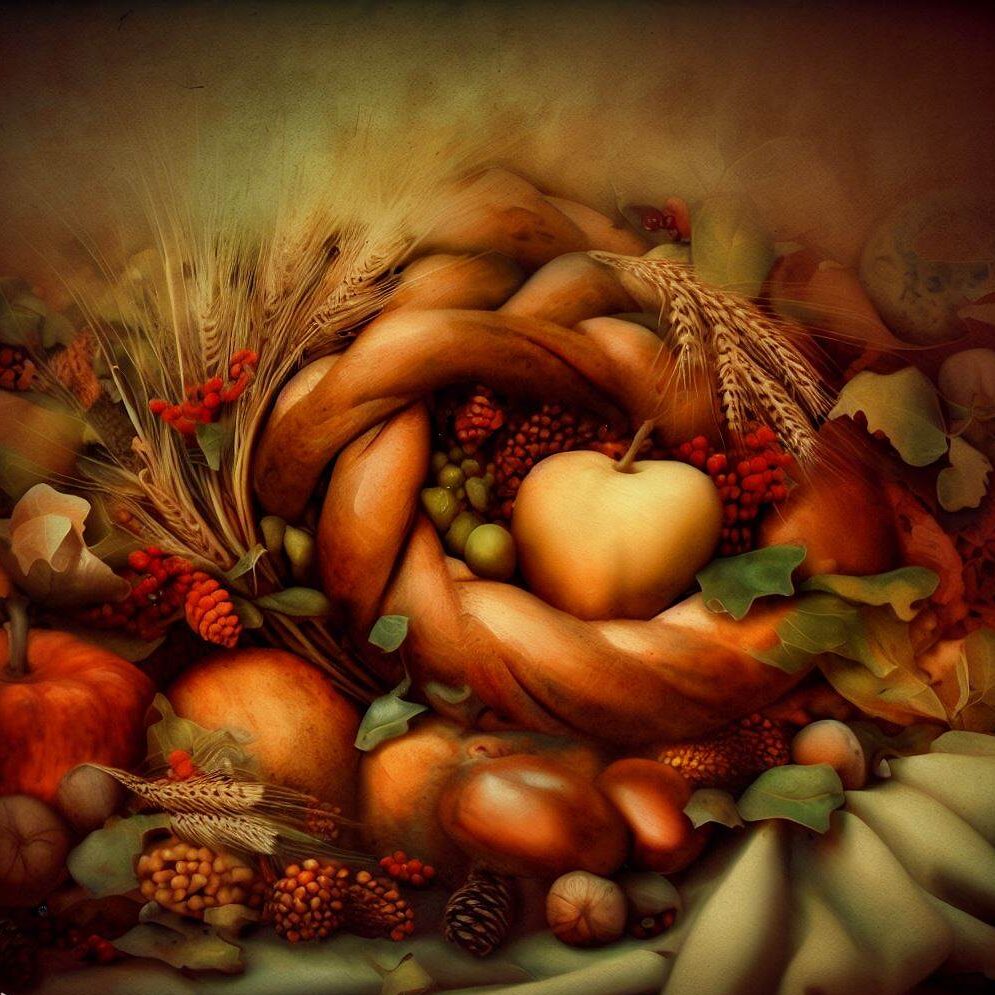
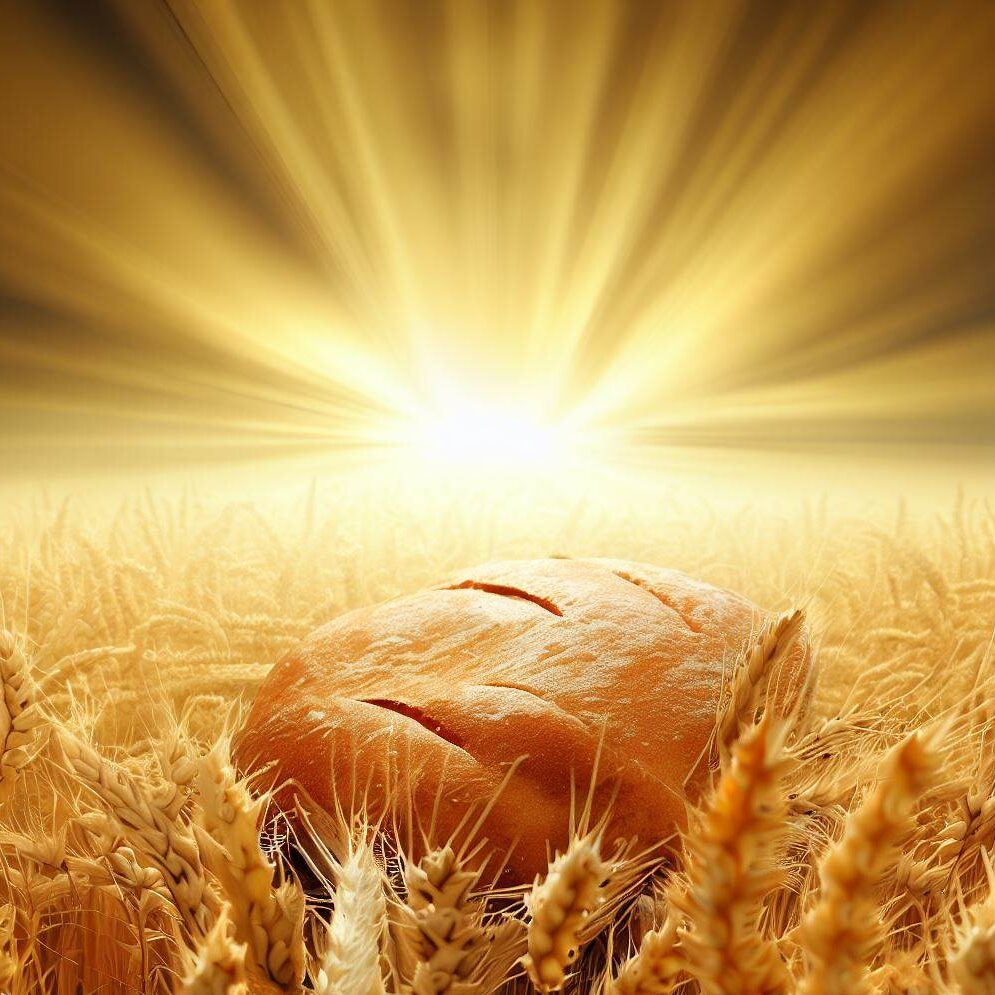
Despite the differences in species, all mallow variants share common characteristics. These include the rounded, palmate leaves with toothed edges, attractive flowers with multiple petals, and the presence of disc-shaped fruits. These distinctive features contribute to the ease of identifying mallow during foraging excursions, allowing for confident and accurate harvests of this versatile plant.

Identifying Mallow

Identifying mallow during your foraging adventures is a rewarding endeavor, thanks to its unique and distinguishable features. The following characteristics will help you confidently recognize and differentiate mallow from other plants:

Leaf Structure: Mallow exhibits rounded, palmate leaves that grow alternately along the stems. These leaves are characterized by toothed edges, giving them a scalloped appearance. One distinct quality of mallow leaves is their often velvety or softly hairy texture, providing a tactile sensation when touched. Leaf size may vary depending on the species, with some displaying larger leaves than others.

Attractive Flowers: Mallow boasts beautiful flowers composed of five distinct petals. The colors of mallow flowers span a range from pale pink to deep purple, creating a visually pleasing display. The petals themselves often have prominent veins running through them, enhancing their allure. At the center of the flower, you will find a column of fused stamens, an integral part of mallow’s reproductive structure.

Fruiting Stage: After successful pollination, mallow develops disc-shaped fruits that contain numerous seeds. These fruits have a distinct appearance and can be observed following the flowering stage. The disc-shaped fruits are a characteristic feature of mallow, contributing to its unique visual identity.

When searching for mallow, keep an eye out for these identifying features. The rounded, palmate leaves with toothed edges and velvety texture, attractive flowers with noticeable veins and fused stamens, and the presence of disc-shaped fruits will aid you in accurate mallow identification. By familiarizing yourself with these distinguishing characteristics, you can confidently embark on foraging expeditions and make the most of this versatile plant’s culinary and medicinal potential.

Habitat and Foraging Locations

Mallow’s adaptability allows it to thrive in diverse habitats, making it a common sight for foragers in various locations. Understanding its preferred environments will help guide you to find and harvest mallow successfully. Here are some insights into the habitat and foraging locations of mallow:

Wide Range of Habitats: Malva species, including common mallow, can be found in a wide range of habitats. Look for mallow plants along roadsides, meadows, waste areas, fields, and disturbed sites. It has a remarkable ability to colonize different habitats, making it a versatile plant to forage.

Soil and Sun Preferences: Mallow thrives in well-drained soil conditions, preferring soil that is not overly waterlogged. It can tolerate various soil types, including sandy, loamy, or clay soils. Look for mallow plants in areas with good drainage. Mallow also prefers locations that receive ample sunlight, although it can tolerate partial shade as well.

Disturbed Areas and Gardens: Common mallow is known for its adaptability to disturbed areas and gardens. It readily colonizes areas that have undergone human activity or disruption, such as construction sites or abandoned lots. This adaptability makes common mallow a frequent resident in gardens and cultivated areas, where it often appears as a weed.

When embarking on a mallow foraging expedition, explore roadsides, meadows, waste areas, and fields. Pay attention to areas with well-drained soil and adequate sunlight. Common mallow’s affinity for disturbed areas and gardens presents additional opportunities for finding this versatile plant. However, it is important to practice responsible foraging and obtain permission before harvesting from private or protected lands.

Remember to be mindful of local regulations and restrictions on foraging in specific areas. Avoid areas that may have been treated with herbicides or pesticides, as these chemicals can pose risks to your health and the environment. By respecting the natural habitats and following ethical foraging practices, you can enjoy the abundance of mallow while preserving its presence in the ecosystem.

Culinary and Medicinal Uses

Discover the culinary possibilities

Mallow’s culinary versatility has been appreciated for centuries, with its young leaves, tender shoots, and flowers lending themselves to a wide range of delicious dishes. Discover the culinary possibilities of mallow and explore its flavorsome potential:

  • Young Leaves and Tender Shoots: Mallow’s young leaves and tender shoots are edible and offer a mild, slightly tangy flavor with a pleasing texture. These tender parts of the plant can be harvested and used in various ways. Consider incorporating them into salads, where they add a fresh and unique element. Mallow leaves can also be cooked as a vegetable, similar to spinach or other leafy greens, and make a delightful addition to stir-fries, sautés, or steamed dishes. Their mild taste makes them a versatile ingredient, blending well with other flavors.
  • Soups and Stews: Mallow’s leaves and shoots can lend themselves perfectly to soups and stews, adding a nutritious and delicate touch. Simply chop the leaves or shoots and include them in your favorite soup or stew recipes. Mallow’s mild flavor allows it to harmonize with a variety of ingredients, enhancing the overall taste and texture of the dish.
  • Decorative Salad Addition: Mallow flowers make a charming and decorative addition to salads. Their vibrant colors and delicate petals can enhance the visual appeal of your salad creations. Gently sprinkle the flowers over your salad, combining them with other fresh ingredients for an aesthetically pleasing and flavorful dish.
  • Herbal Teas: Mallow flowers can also be used to create delightful herbal teas. Steep the flowers in hot water for a few minutes, allowing their delicate flavors to infuse into the tea. The resulting brew offers a subtle and soothing taste, making it a pleasant beverage option.
  • When foraging mallow for culinary purposes, ensure that you select young, healthy leaves and shoots. It is advisable to harvest from clean, uncontaminated areas, away from roadsides or places where chemicals may have been applied. Thoroughly wash the harvested mallow before use to remove any dirt or debris.

As always, it is essential to practice responsible foraging and obtain permission when harvesting from private or protected lands. Furthermore, consult reliable foraging guides or local experts to ensure proper plant identification and to familiarize yourself with any specific guidelines or regulations pertaining to foraging in your region.

By incorporating mallow into your culinary adventures, you can savor its unique flavors, experiment with new recipes, and appreciate the nourishing qualities of this versatile plant.

Explore the medicinal potential

Mallow has a rich history of traditional medicinal uses, thanks to its soothing and beneficial properties. The plant’s mucilaginous nature makes it particularly valued in herbal remedies. Explore the medicinal potential of mallow and discover how it can be used to support health and well-being:

  • Soothing and Demulcent Properties: Mallow is renowned for its soothing and demulcent qualities, which can provide relief for various ailments. The mucilage present in mallow leaves helps to form a protective layer that soothes irritated tissues. As a result, mallow is often used to alleviate sore throats, coughs, and respiratory discomfort. Infusing mallow leaves to create a soothing tea is a common way to harness its medicinal benefits.
  • Respiratory and Gastrointestinal Support: Mallow’s soothing properties extend to the respiratory and gastrointestinal systems. When used as a tea or incorporated into herbal preparations, mallow leaves can help ease respiratory conditions, such as bronchitis or coughs. It may also provide relief from digestive complaints, including heartburn, indigestion, and gastritis. Mallow is believed to have a calming effect on inflamed tissues, aiding in their healing and promoting overall gastrointestinal comfort.
  • Anti-inflammatory Effects: Mallow is recognized for its potential anti-inflammatory properties, which can be beneficial for a variety of conditions. Its soothing action helps to reduce inflammation and alleviate discomfort. Mallow preparations, including teas and poultices, may be used topically to provide relief for minor skin irritations, rashes, or insect bites. The anti-inflammatory effects of mallow make it a valuable herb for promoting skin health and soothing external ailments.
  • Diuretic and Detoxifying Effects: Mallow has diuretic properties, which means it can help promote urine production and assist with flushing toxins from the body. This makes mallow beneficial for supporting kidney and urinary tract health. As a natural diuretic, mallow may aid in reducing water retention and supporting overall detoxification processes.

It is important to note that while mallow has a long history of traditional use, scientific studies on its medicinal properties are limited. As with any herbal remedy, it is advisable to consult with a healthcare professional before incorporating mallow or any herbal supplement into your healthcare routine, especially if you have underlying health conditions or are taking medications.

Mallow’s soothing and beneficial properties, along with its potential anti-inflammatory and diuretic effects, make it a valuable herb for supporting respiratory, gastrointestinal, and overall well-being. However, individual responses to herbal remedies can vary, and it is always important to exercise caution and seek professional advice when using mallow for medicinal purposes.

Magical Properties

Mallow, steeped in magical lore and folk traditions, is believed to possess mystical properties that have fascinated people across cultures. Immerse yourself in the enchanting world of mallow’s magical associations and discover its potential in various mystical practices:

  • Protection, Love, and Abundance: Mallow is often associated with attracting protection, love, and abundance. In folklore, it is believed that carrying or wearing mallow can create a shield of spiritual and energetic protection, warding off negative influences and energies. Mallow is also thought to enhance feelings of love, attracting romantic connections, and strengthening existing relationships. Additionally, mallow is associated with abundance, with some traditions utilizing it in rituals or spells to invite prosperity and material blessings.
  • Enhancing Psychic Abilities: Mallow has long been regarded as a plant that enhances psychic abilities and intuition. It is believed to aid in developing and strengthening one’s spiritual connection and psychic awareness. Some practitioners incorporate mallow into rituals, meditations, or divination practices to deepen their intuitive insights and open channels of communication with the spiritual realm.
  • Love Sachets and Charms: Mallow flowers, with their delicate beauty, are highly regarded as love magic and spellwork. They are often included in love sachets or charms to attract love, foster romance, and strengthen relationships. Mallow flowers can be gathered and dried, then incorporated into sachets or talismans to carry with you or place in your living space, infusing it with the energy of love and passion.
  • Barrier Against Negative Energies: Mallow is believed to possess protective qualities that can create a barrier against negative energies and psychic attacks. Some traditions use mallow in rituals or spells to shield oneself from harmful influences, ward off evil spirits, or create a space of energetic purity. Mallow’s presence is thought to repel negativity and create a harmonious and spiritually balanced environment.

When working with mallow’s magical properties, it is important to approach these practices with reverence and respect. Connect with the plant’s energy through rituals, spells, or personal intentions aligned with your beliefs and traditions. Always remember that the true power lies within your intentions and the energy you bring to your magical practices.

It is essential to note that magical associations and practices may vary across cultures and individual beliefs. As with any magical or spiritual practice, it is advisable to exercise personal discernment, conduct thorough research, and follow ethical guidelines. Embrace the magical realm of mallow with mindfulness and a deep appreciation for the natural world and its profound energies.

Safety Considerations

Safety is paramount when foraging, and although mallow is generally considered safe, it is crucial to be aware of certain safety concerns. By taking proper precautions, you can enjoy the benefits of mallow while prioritizing your well-being. Here are some important safety considerations to keep in mind:

  • Proper Identification: Accurate identification is crucial when foraging for mallow, as some plants may resemble mallow but have different properties. It is recommended to consult reliable foraging guides or seek guidance from local experts who can assist in identifying mallow correctly. Pay close attention to the distinct features of mallow, such as its rounded, palmate leaves, toothed edges, velvety texture, and five-petaled flowers.
  • Avoid Contaminated Areas: When foraging mallow, it is important to avoid areas that may have been sprayed with pesticides, herbicides, or other chemicals. These substances can pose health risks if consumed or applied to the skin. Steer clear of areas near roadsides, industrial sites, or places with a likelihood of contamination. Aim to gather mallow from clean and uncontaminated environments.
  • Allergies and Medical Conditions: Individuals with known allergies or medical conditions should exercise caution when using mallow. Some people may have sensitivities to mallow or other plants in the Malvaceae family. If you have known allergies or medical conditions, it is advisable to consult with a healthcare professional before using mallow medicinally or incorporating it into your diet. They can provide personalized guidance based on your specific health circumstances.
  • Disclaimer Regarding Medical Safety: It is important to note that the information provided in this article is for educational purposes only and should not replace professional medical advice. While mallow has a long history of traditional use and perceived health benefits, scientific studies on its safety and efficacy are limited. Individual responses to mallow can vary, and it is always advisable to consult with a healthcare professional before using mallow for medicinal purposes, especially if you have underlying health conditions or are taking medications.

By adhering to these safety considerations, you can ensure a safe and enjoyable foraging experience with mallow. Proper identification, avoiding contaminated areas, and consulting healthcare professionals when necessary are essential practices to safeguard your well-being. Always prioritize your health and make informed decisions regarding the consumption or use of mallow for medicinal purposes.

Additionally, remember to respect local regulations and guidelines related to foraging. Obtain permission when foraging on private or protected lands, and practice ethical foraging by harvesting in a sustainable manner that allows the plant populations to thrive for future generations.

Conclusion

Mallow, with its recognizable features, diverse culinary uses, and potential medicinal benefits, offers a wealth of opportunities for foragers and enthusiasts of natural remedies. However, responsible foraging practices, accurate identification, and understanding of safety considerations are crucial. Whether exploring its magical properties, enjoying its culinary versatility, or harnessing its healing potential, mallow invites us to appreciate the wonders of the natural world while prioritizing our well-being.

Posted on Leave a comment

Lughnasadh: Celebrating the First Harvest

Lughnsadh Detail
Lughnsadh Detail

Introduction

Lughnasadh: Celebrating the First Harvest

Lughnasadh is a significant festival in the Wheel of the Year celebrated by various pagan and Celtic-inspired traditions. As the first harvest festival, it marks the transition from summer to autumn and honors the bounty of the earth. In this article, we will explore the origins, traditions, and customs associated with Lughnasadh, as well as provide guidance on how to practice this sacred festival while prioritizing safety.

What is Lughnasadh?

Lughnasadh is a Gaelic festival that holds great significance in Celtic traditions and pagan practices. Derived from the name of the Celtic god Lugh, who is revered as a deity associated with skill, craftsmanship, and harvest, Lughnasadh celebrates the beginning of the harvest season. This festival typically takes place on August 1st or the first weekend of August in the Northern Hemisphere, aligning with the ripening of crops and the abundance of nature.

Lughnasadh holds deep agricultural and spiritual roots, serving as a time to express gratitude for the bountiful yields of the land. It marks the moment when the first crops, especially grains like wheat and barley, are gathered from the fields. The festival acknowledges the hard work and skill of the farmers who have labored throughout the year to cultivate and nurture the land. It is a joyous celebration of the earth’s fertility and the life-sustaining sustenance it provides.

Beyond the agricultural aspect, Lughnasadh also carries profound symbolism related to the cycle of life, death, and rebirth. As the first harvest festival, it represents the culmination of growth and the transition from summer to autumn. It serves as a reminder of the interconnectedness between nature’s cycles and our own lives, highlighting the importance of embracing change, acknowledging the impermanence of all things, and finding renewal in every ending.

Lughnasadh is a time of reverence for the earth’s abundance, a moment to honor the interconnected web of life and express gratitude for the sustenance it bestows upon us. It is a celebration that invites us to connect with the rhythms of nature, to recognize our role as stewards of the land, and to reflect on the profound cycles of growth and renewal that permeate our existence.

History and Origin:

Lughnasadh has a rich history rooted in ancient Celtic mythology and culture. This festival is closely tied to the legendary tale of Lugh’s foster mother, Tailtiu, and her significant role in the development of agriculture in Ireland. According to the myth, Tailtiu, a goddess associated with fertility and the land, tirelessly cleared the plains of Ireland, making way for agricultural practices and the cultivation of crops.

Tragically, Tailtiu’s efforts took a toll on her, and she eventually succumbed to exhaustion and passed away. In honor of her immense sacrifice and dedication, Lugh, the god of light and skill, established the festival of Lughnasadh as a commemoration of Tailtiu’s contributions and a celebration of the harvest season.

Lughnasadh was widely observed throughout ancient Ireland, Scotland, and other Celtic regions. It held a significant place in the hearts of communities, who eagerly awaited the festival as a time of coming together, merriment, and reverence for the earth’s abundant gifts. The festival served as a communal celebration, where people would gather for feasting, engaging in lively games and competitions, and participating in various religious ceremonies.

The ancient Celts recognized Lughnasadh as an occasion to express gratitude for the bountiful harvest and to honor the cyclical nature of life and the agricultural cycle. It was a time to celebrate the fruits of their labor, to give thanks for the nourishment provided by the land, and to invoke blessings for continued abundance in the coming year.

The traditions and rituals associated with Lughnasadh varied across different Celtic regions, but the core themes of honoring the harvest, paying homage to Tailtiu’s legacy, and fostering a sense of community and connection with nature remained consistent. Today, these ancient customs continue to inspire modern celebrations of Lughnasadh, as people embrace the spirit of gratitude, abundance, and interconnectedness with the natural world.

Traditions and Customs:

Lughnasadh, the Celtic festival of the first harvest, is steeped in age-old traditions and customs that reflect the deep reverence for the land and the cycles of nature. These practices have been passed down through generations, embodying the spirit of community, gratitude, and celebration. From feasting on seasonal foods to engaging in playful competitions and participating in sacred rituals, the traditions of Lughnasadh offer a profound connection to our agricultural roots and an opportunity to honor the abundance bestowed upon us by the Earth. Let us explore some of the cherished customs that continue to be observed during this special time of the year. Lughnasadh is marked by a variety of traditions and customs that have been passed down through generations.

Common practices include:

Harvest Offerings: Abundance and Fertility of the Earth

One of the central traditions during Lughnasadh is the practice of making harvest offerings. As a celebration of the bountiful harvest season, people gather the first fruits, grains, or baked goods from their fields and gardens as a token of gratitude to the land and the deities associated with Lughnasadh. These offerings symbolize the abundance and fertility of the Earth, acknowledging the vital role it plays in sustaining life.

The harvest offerings can take various forms, depending on personal preference and regional customs. Some may choose to create beautiful displays on their altars, arranging the freshly harvested produce in a visually appealing manner. Others may share the offerings with family, friends, or neighbors, fostering a sense of communal sharing and appreciation. It is also common for individuals to donate a portion of their harvest to those in need, recognizing the importance of generosity and compassion during this season of plenty.

The act of making harvest offerings is not only a way to honor the agricultural abundance but also a way to express gratitude for the sustenance and nourishment provided by the land. It serves as a reminder of our interconnectedness with nature and our reliance on the cycles of growth and harvest. By participating in this tradition, individuals connect with the ancient rhythms of the Earth and express their reverence for the gifts it bestows upon us.

Corn Dollies: Symbolizing Harvest Spirit and Fertility

A beloved tradition associated with Lughnasadh is the creation of corn dollies or straw figures. These intricate and beautiful crafts serve as powerful symbols of the harvest spirit and the fertility of the land. Typically made from the stalks of wheat or corn, corn dollies are woven or braided into various shapes and designs that reflect the creativity and skill of the artisans.

The art of making corn dollies dates back centuries and was practiced in many agricultural communities. It was believed that the spirit of the harvest resided within the last sheaf of wheat or the final ears of corn, and by fashioning these materials into a doll-like form, the essence of the harvest was preserved and honored. The corn dolly was seen as a protective charm, representing the life force that sustained the crops and ensured a prosperous harvest for the coming year.

During Lughnasadh celebrations, corn dollies are often prominently displayed in homes or hung in doorways and windows. They serve as a reminder of the abundance and blessings bestowed upon the community by the land. It is believed that these straw figures attract positive energy, fertility, and good fortune, safeguarding the household and its inhabitants.

Creating corn dollies is not only a celebration of craftsmanship and creativity but also a way to connect with the agricultural heritage and express gratitude for the cycle of life and abundance. The act of weaving or braiding the straw stalks is often done in a communal setting, fostering a sense of unity and shared purpose. By engaging in this traditional practice, individuals honor the sacred connection between humanity and the natural world, paying homage to the transformative power of the harvest.

Games and Competitions: Celebrating Skills and Community

Lughnasadh, inspired by the legendary skills of the Celtic god Lugh, is a time for celebrating talents and fostering community connections through spirited games and competitions. In ancient times, sporting events and contests were an integral part of Lughnasadh festivities, creating a joyful and competitive atmosphere that brought people together.

Races: Swift and Agile

Races were a popular feature of Lughnasadh celebrations, with participants showcasing their swiftness and agility. Foot races, horse races, and even chariot races were organized to test the physical prowess of the participants. These races not only provided entertainment but also served as a reminder of the importance of speed and stamina in agricultural pursuits, where swift action and efficient movement were crucial during the harvest season.

Archery: Marksmanship and Precision

Archery contests were another common highlight of Lughnasadh. Participants would demonstrate their marksmanship and precision with a bow and arrow, symbolizing the skills necessary for hunting and protecting the community. These competitions not only showcased individual talent but also fostered a sense of camaraderie and shared appreciation for the art of archery.

Storytelling: Power of Words

Storytelling contests were a cherished tradition during Lughnasadh, celebrating the power of words and the oral traditions of the Celtic culture. Bards and storytellers would captivate audiences with their tales of heroes, myths, and legends, enchanting listeners with their storytelling abilities. These contests not only entertained the community but also preserved the rich cultural heritage and passed down wisdom from generation to generation.

Engaging in games and competitions during Lughnasadh is a way to honor the spirit of Lugh and celebrate the diverse talents and skills within the community. These activities foster a sense of unity, friendly competition, and shared joy, bringing people closer together as they participate in the festivities. By engaging in these traditions, individuals connect with their cultural roots, honor the legacy of Lugh, and strengthen the bonds of community.

The Feast of Plenty: Sharing Abundance and Nourishment

At the heart of Lughnasadh celebrations lies the Feast of Plenty, a cherished tradition that brings loved ones together to share in the abundance of the harvest. This feast, marked by an array of delectable foods, reflects gratitude for the fruitful yields of the land and the blessings bestowed upon the community. It is a time to gather, nourish both body and spirit, and celebrate the generosity of the Earth.

Baked Bread!

Freshly baked bread takes center stage at the Feast of Plenty, symbolizing the importance of the harvest’s first grains. Breadmaking holds deep significance during Lughnasadh, as it represents the transformation of the harvested wheat or barley into sustenance. Families and communities come together to knead dough, shape loaves, and savor the aroma of freshly baked bread, connecting with the ancient traditions that honor the life-giving properties of the grain.

Fruits and Vegetables!

Seasonal fruits and vegetables grace the tables, showcasing the vibrant colors and flavors of the summer harvest. From succulent berries and juicy melons to crisp greens and garden-fresh vegetables, these seasonal offerings symbolize the nourishment provided by nature during this abundant time of year. Incorporating these seasonal delights into the feast not only adds a delightful variety to the menu but also highlights the connection between the land and the sustenance it provides.

Gathered Crops

Dishes made from the first harvest take pride of place during the Feast of Plenty. Featuring freshly gathered crops, such as corn, beans, peas, and root vegetables, honor the labor of the farmers and the fertility of the land. The feast becomes a tapestry of flavors and textures, reflecting the diversity and richness of the harvest season. Sharing these dishes with loved ones fosters a sense of community and gratitude, as each bite reminds participants of the interconnectedness between nature’s abundance and their own well-being.

The Feast of Plenty at Lughnasadh is a joyous celebration of the earth’s generosity and the shared bounty among friends, family, and community. By partaking in this feast, individuals honor the interconnectedness of life, express gratitude for the harvest’s abundance, and strengthen the bonds of kinship and camaraderie. It is a time to savor the flavors of the season, nourish the body and soul, and cherish the blessings of the harvest.

How to Practice Lughnasadh:

As the sacred festival of Lughnasadh approaches, individuals and communities can immerse themselves in the vibrant spirit of this celebration and embrace its timeless traditions. Lughnasadh is not merely a festival to be observed, but an invitation to actively participate in the honoring of the harvest, the cycles of nature, and the bountiful gifts of life. In this section, we will explore various ways to practice Lughnasadh, providing inspiration for personal rituals, meaningful activities, and heartfelt connections to the essence of this sacred time. Whether you are a solitary practitioner or part of a larger community, these practices can guide you in creating a deeply enriching and fulfilling Lughnasadh experience. To practice Lughnasadh, you can incorporate the following rituals and activities into your celebration:

Honoring Nature’s Abundance: Outdoor Activities for Lughnasadh

One beautiful way to embrace the spirit of Lughnasadh is by connecting with the natural world through outdoor activities. As the sunbathes the earth in its warm embrace, take the opportunity to celebrate the bountiful harvest and express gratitude for the abundance that surrounds us. By immersing ourselves in nature, we can deepen our connection to the rhythms of the earth and align ourselves with the energy of Lughnasadh. Here are some inspiring outdoor activities to enhance your Lughnasadh practice:

Outdoor Rituals:

Choose a serene and natural setting, such as a park, garden, or meadow, to hold your Lughnasadh ritual. Set up a small altar adorned with symbols of the harvest, such as sheaves of wheat or corn, fruits, and flowers. As you perform your ritual, take in the sights, sounds, and scents of the natural environment, allowing them to heighten your connection to the season and the spirit of Lughnasadh.

Harvest Walk:

Take a leisurely stroll through a local farm, orchard, or community garden to witness the abundance of the harvest firsthand. Observe the ripening fruits, the vibrant colors of vegetables, and the rustling of crops in the gentle breeze. Reflect on the hard work and dedication that goes into cultivating the land and the importance of sustainable agriculture. Allow the beauty of nature to inspire feelings of gratitude and reverence for the cycle of life.

Picnic Feast:

Gather friends and loved ones for a Lughnasadh picnic feast in a scenic outdoor spot. Prepare a sumptuous meal using seasonal ingredients, such as freshly baked bread, roasted vegetables, and an array of fruits. As you share the meal, take turns expressing gratitude for the abundance in your lives and the blessings of the harvest season. Enjoy the company of others and the simple pleasure of dining in nature’s embrace.

Nature Crafts:

Engage in creative activities that celebrate the essence of Lughnasadh. Collect fallen leaves, twigs, and flowers to make beautiful wreaths or floral arrangements symbolizing the harvest. Create corn dollies or straw figures, using natural materials, to honor the fertility of the land and the spirit of Lugh. These crafts not only allow you to express your artistic side but also serve as tangible reminders of the season’s significance.

Bonfire Celebration:

As the day transitions into evening, gather around a bonfire to honor the transformative power of fire and its association with Lughnasadh. The flickering flames symbolize the sun’s warmth and vitality, which sustains the harvest. Share stories, sing songs, and offer prayers or intentions for the coming months. As the fire crackles and dances, let its energy ignite your own inner passion and creativity.

Remember, when engaging in outdoor activities, it is essential to respect the natural environment and any specific guidelines or restrictions in place. Leave no trace, clean up after yourself, and be mindful of the well-being of the flora and fauna around you. By immersing ourselves in nature and celebrating the abundant gifts it provides, we can deepen our connection to Lughnasadh and honor the cycles of life and the harvest with gratitude and reverence.

Harvest Crafts: Expressing Creativity and Honor

Engaging in harvest crafts during Lughnasadh is a delightful way to channel your creativity and pay homage to the season of abundance. By using natural materials, you can create beautiful and meaningful crafts that embody the spirit of Lughnasadh. Whether you choose to make corn dollies, wreaths, or other imaginative creations, these crafts serve as tangible reminders of the harvest and can be displayed as decorations or gifted to loved ones. Here are some ideas to inspire your harvest craft activities:

Corn Dollies:

Crafting corn dollies is a cherished tradition associated with Lughnasadh. Begin by gathering dried corn husks, wheat stalks, or other natural fibers. Shape the material into intricate doll-like figures, representing the spirit of the harvest or fertility of the land. Let your imagination guide you as you weave and tie the materials together. Once completed, these corn dollies can be placed on altars, hung in doorways, or displayed as symbolic decorations.

Harvest Wreaths:

Create stunning wreaths using natural elements such as wheat stalks, dried flowers, colorful leaves, and ribbons. Start by forming a circular base using a wire frame or a sturdy vine. Then, carefully attach the various elements to the base, weaving them together to form a harmonious composition. As you craft your wreath, reflect on the abundance of the harvest and the cycle of life. Hang the finished wreath on your front door or display it as a centerpiece to honor the season.

Herb Bundles:

Harvesting and bundling herbs is a wonderful way to connect with the earth’s bounty and infuse your space with their aromatic properties. Gather an assortment of fresh herbs such as lavender, rosemary, sage, or thyme. Tie them together using natural twine or ribbon and hang them to dry in a warm, well-ventilated area. Once dried, these herb bundles can be used for smudging rituals, added to culinary creations, or displayed as fragrant decorations.

Harvest-inspired Pottery:

If you have pottery or clay skills, consider crafting harvest-inspired pieces to commemorate Lughnasadh. Sculpt bowls, plates, or vases adorned with symbols of the harvest, such as wheat sheaves, sun motifs, or seasonal fruits and vegetables. Allow your imagination to guide your creative process, infusing each piece with the essence of the harvest season. These pottery creations can be used as functional items or displayed as decorative pieces during Lughnasadh celebrations.

Nature-inspired Jewelry:

Embrace the beauty of the natural world by crafting jewelry inspired by the elements of the harvest. Utilize materials such as seeds, acorns, dried flowers, or gemstones that reflect the colors and themes of Lughnasadh. String them together to create unique necklaces, bracelets, or earrings that can be worn as symbols of connection to nature and the abundance of the earth.

As you immerse yourself in these harvest craft activities, take a moment to reflect on the significance of Lughnasadh and the gratitude you feel for the gifts of the land. Allow your creativity to flow and infuse each creation with intention and reverence. These handmade crafts not only serve as beautiful decorations but also hold the essence of Lughnasadh and can be cherished symbols of the season’s blessings.

Harvest Meditation: Cultivating Gratitude and Reflection

During Lughnasadh, incorporating moments of reflection and meditation into your practice can deepen your connection to the harvest season and enhance your spiritual experience. By setting aside dedicated time for quiet contemplation, you can cultivate gratitude for the abundance in your life and acknowledge the personal growth and achievements you have attained. Here are some suggestions for incorporating harvest meditation into your Lughnasadh celebrations:

Find a Peaceful Space:

Create a tranquil space where you can sit comfortably and be free from distractions. This could be indoors, in a cozy corner of your home, or outdoors, surrounded by the sights and sounds of nature. Light a candle or burn incense to set a serene ambiance, if desired.

Set an Intention:

Before beginning your meditation, take a moment to set an intention for your practice. Reflect on what you would like to cultivate or focus on during your session. It could be gratitude, personal growth, abundance, or any other intention that resonates with you.

Deep Breathing and Grounding:

Start by taking a few deep breaths, inhaling slowly through your nose and exhaling through your mouth. With each breath, imagine grounding yourself into the present moment, feeling rooted and connected to the earth. Allow any tension or stress to release with each exhale.

Cultivate Gratitude:

Shift your focus to the blessings in your life and the abundance that surrounds you. As you breathe deeply, bring to mind all the things you are grateful for, both big and small. Reflect on the nourishment provided by the earth, the support of loved ones, and the growth and achievements you have experienced. Express heartfelt gratitude for these blessings.

Reflect on Personal Growth:

Take time to acknowledge your own personal growth and achievements. Reflect on the challenges you have faced and the progress you have made. Recognize the efforts you have put into your endeavors and celebrate your accomplishments, no matter how small. Allow a sense of pride and appreciation to fill your heart.

Visualize the Harvest:

Envision yourself standing in a bountiful field, surrounded by the abundance of the harvest season. Visualize the golden grains swaying in the wind, the vibrant colors of the fruits and vegetables, and the warm sunlight illuminating the scene. Feel a sense of gratitude and joy for the abundance that surrounds you.

Closing Reflection:

As you conclude your meditation, take a few moments to offer a final expression of gratitude and appreciation. Reflect on the insights and feelings that arose during your practice. Acknowledge the interconnectedness of nature, the cycles of life, and your place within the web of abundance.

By incorporating harvest meditation into your Lughnasadh celebrations, you create space for introspection, gratitude, and connection to the cycles of life. Embrace the opportunity to pause, reflect, and honor the blessings and growth that have come your way. May this practice deepen your connection to the harvest season and bring a sense of peace and abundance to your life.

Community Sharing: Celebrating Together

Lughnasadh is a time of coming together, celebrating abundance, and fostering a sense of community. Engaging in community sharing activities during this festival can enhance your Lughnasadh experience and strengthen the bonds with like-minded individuals. Here are some suggestions for practicing community sharing during Lughnasadh:

Organize a Gathering:

Consider hosting a Lughnasadh gathering or potluck, inviting friends, family, and members of your community to join in the festivities. Choose a suitable venue such as a park, backyard, or community center where everyone can gather in a joyful and inclusive atmosphere.

Harvest-Inspired Potluck:

Encourage participants to bring dishes that showcase the flavors of the harvest season. Emphasize using fresh, locally sourced ingredients whenever possible. Encourage creativity and diversity, allowing for a wide variety of dishes that represent the bountiful harvest. From freshly baked bread and grain salads to fruit-based desserts and hearty vegetable dishes, the potluck can be a feast of flavors and colors.

Sharing Stories and Experiences:

Lughnasadh is a wonderful opportunity to share stories, traditions, and experiences related to the harvest and personal growth. Create a space for participants to share their own reflections, memories, or insights about abundance, gratitude, and the cycles of life. This sharing can take the form of informal conversations, storytelling circles, or structured activities where each person has a chance to express themselves.

Collaborative Rituals and Activities:

Engage in collaborative rituals or activities that promote community participation and interaction. For example, you can create a communal harvest altar where participants can contribute symbolic items representing their intentions, dreams, or expressions of gratitude. Group activities like crafting corn dollies, making wreaths, or creating artwork with natural materials can further foster a sense of shared creativity and connection.

Music, Dance, and Celebration:

Infuse the gathering with music, dance, and other forms of artistic expression. Encourage participants to bring musical instruments, perform traditional dances, or showcase their artistic talents. Music and dance have long been associated with harvest celebrations and can bring joy, energy, and a sense of unity to the gathering.

Appreciation and Gratitude:

Take a moment during the gathering to express gratitude for the community coming together and the abundance of the harvest season. Create a collective gratitude ritual or ceremony where each participant has an opportunity to share what they are thankful for. This practice can deepen the sense of connection and foster a spirit of appreciation and generosity among the participants.

By organizing a community gathering or potluck, you create a space for sharing, connection, and celebration during Lughnasadh. Through the exchange of food, stories, and experiences, you honor the spirit of abundance and build a sense of togetherness within your community. May this practice enrich your Lughnasadh celebrations and cultivate lasting connections with others who share your reverence for the harvest season.

Safety Considerations:

While celebrating Lughnasadh, it is essential to prioritize safety and well-being. Here are a few considerations:

Fire Safety: If lighting bonfires or candles as part of your ritual or celebration, ensure you have a safe area away from flammable materials and that you always monitor the fire.

Outdoor Activities: If participating in outdoor games or sports, follow safety guidelines, wear appropriate protective gear, and choose suitable locations for activities to prevent accidents or injuries.

Food Handling: When preparing or sharing food, practice proper food hygiene to avoid contamination and foodborne illnesses. Consider dietary restrictions and allergies of participants when planning communal meals.

Conclusion:

Lughnasadh is a cherished festival that celebrates the first harvest and the abundance of the earth. Rooted in ancient Celtic traditions, it offers an opportunity to express gratitude, foster community connections, and honor the cycle of life. By practicing Lughnasadh rituals, customs, and sharing in the spirit of the harvest, we can deepen our connection to nature, nurture our sense of abundance, and embrace the beauty of the changing seasons. As you celebrate this sacred festival, remember to prioritize safety and well-being, ensuring a joyful and meaningful experience for all.

Image to the right

Posted on Leave a comment

Lammas: Celebrating the First Harvest

Lammas Detail
Lammas Detail

Introduction

Lammas: Celebrating the First Harvest

Lammas is a vibrant and ancient festival that marks the beginning of the harvest season. With deep roots in pagan and agricultural traditions, Lammas is celebrated on August 1st or around the midpoint between the summer solstice and autumn equinox in the Northern Hemisphere. This article explores the significance of Lammas, its history, traditions, how to practice it, and essential safety considerations for a meaningful and safe celebration.

What is Lammas?

Lammas is a vibrant and meaningful festival that holds great significance in the cycle of the seasons. Derived from the Old English term “hlafmaesse” meaning “loaf mass,” Lammas is a festival dedicated to expressing gratitude for the first harvest of the year. It serves as a celebration of abundance, marking the culmination of summer and the transition into the bountiful harvest season.

The Abundance of Lammas:

Celebrating Agricultural Rhythms and the Cycle of Life

Lammas holds deep connections to the agricultural rhythms and the cyclical nature of life. It is a time when the efforts of planting and tending to crops are rewarded with the ripening of grains, fruits, and vegetables. The festival highlights the importance of sustenance and the interdependence between humans and the natural world. Lammas is a moment to honor the Earth’s abundance and the cycle of life, death, and rebirth that sustains us all.

Embracing Transition:

Lammas as a Symbol of Change and Appreciation

As summer draws to a close, Lammas signifies a pivotal point in the year. It serves as a reminder that the energy of growth and fruition will soon shift towards the waning phase, preparing for the coming autumn and winter. Lammas invites us to reflect on the transient nature of life and the cycles of nature, encouraging a sense of appreciation for the present moment and the blessings bestowed upon us.

The Gathering of the First Harvest:

A Community Celebration of Abundance

During Lammas, the gathering and sharing of the first harvest hold great significance. It is a time to come together as a community, expressing gratitude for the abundance of the land and the collective efforts that ensure our sustenance. The festival is marked by feasting, where freshly baked bread, seasonal fruits, vegetables, and dishes made from the first harvest are enjoyed in the company of loved ones.

Honoring Nature’s Gifts:

Lammas as a Call to Stewardship and Gratitude

Lammas also emphasizes the importance of recognizing and celebrating the gifts of nature. It invites us to honor the interplay between humans and the natural world, reminding us of our role as stewards of the Earth. By engaging in rituals, traditions, and practices associated with Lammas, we can deepen our connection to the cycles of the land, express gratitude, and foster a sense of unity with the greater web of life.

In essence, Lammas is a festival that embodies gratitude, abundance, and the cyclical nature of existence. It encourages us to pause, reflect, and celebrate the first fruits of our labor while acknowledging our interdependence with the Earth and the nourishment it provides. Lammas serves as a reminder to appreciate the present moment, express gratitude for the bounties of life, and embrace the transformative power of the harvest season.

History and Origin of Lammas:

Lammas carries a rich history that can be traced back to ancient Celtic, Norse, and Anglo-Saxon traditions. The festival’s origins are deeply intertwined with the reverence for agricultural deities and the gratitude expressed for the bountiful harvest.

Lugh, the Solar Deity:

The Celtic Connection to Lammas

In Celtic mythology, Lammas is closely associated with the god Lugh, a prominent figure known for his skills, craftsmanship, and the harvest. Lugh was considered a solar deity, embodying the power and vitality of the sun that nourishes the crops. The festival of Lughnasadh was established as a tribute to Lugh, expressing gratitude for the abundance of the land and the blessings of the harvest.

Freyr, the Fertility God:

Norse Influence on Lammas Celebrations

Norse mythology also holds a connection to the essence of Lammas. The Norse god Freyr, associated with fertility, prosperity, and the harvest, played a significant role in the celebration of this festival. Freyr was honored as the giver of abundant crops and was venerated during Lammas to ensure future harvests and prosperity for the community.

Hlæfdige, the Lady of the Loaf:

Anglo-Saxon Perspectives on Lammas

Within Anglo-Saxon traditions, Lammas was linked to the goddess Hlæfdige, also known as the “Lady of the Loaf.” Hlæfdige symbolized the nurturing and sustaining qualities of the land, particularly in relation to the grain harvest. The festival of Lammas honored Hlæfdige and acknowledged the importance of bread and sustenance in the community.

Honoring Deities of Abundance:

The Divine Connection to Lammas Celebrations

Throughout these various cultural traditions, Lammas emerged as a time of offering gratitude to the deities associated with agriculture and the harvest. It was a sacred moment to recognize the interplay between humans and the natural world, acknowledging the divine forces that ensured the success of the crops and the abundance of the land.

Today, the history and origins of Lammas continue to inspire individuals and communities to honor the ancient wisdom and cultural heritage associated with this festival. By understanding the roots of Lammas and the deep reverence for agricultural deities, we can approach the celebration with a sense of connection to the past and a renewed appreciation for the cycles of nature and the harvest that sustains us.

Traditions and Customs of Lammas:

Harvest Celebrations:

Lammas is a time for joyous festivities, feasting, and community gatherings. Communities would come together to reap the first fruits, grains, and vegetables of the season.

  • Baking Bread:
    Baking and sharing freshly made bread is a central tradition of Lammas, symbolizing the importance of the harvest and sustenance. Special loaves, often shaped like a sheaf of wheat or a sun, are prepared and enjoyed.
  • Corn Dolly:
    Creating corn dollies or wheat weavings is a cherished tradition during Lammas. These decorative figures are made from braided straw or stalks, representing the spirit of the grain and fertility.
  • Outdoor Activities:
    Many celebrate Lammas by spending time outdoors, embracing nature, and engaging in activities such as nature walks, picnics, and games.
  • Rituals and Ceremonies:
    Lammas rituals often include expressions of gratitude, blessings of the harvested crops, and offerings to deities or spirits associated with agriculture and abundance.

How to Practice Lammas:

  • Setting Up an Altar:
    Create a sacred space by setting up an altar adorned with symbols of the harvest, such as freshly harvested fruits, vegetables, grains, flowers, and candles.
  • Harvest Ritual:
    Design a personal or group ritual that expresses gratitude for the harvest and celebrates the cycle of life. Incorporate elements such as blessings, prayers, meditation, and offerings.
  • Baking Bread:
    Participate in the tradition of baking bread, infusing it with intention and gratitude. Share the bread with loved ones or offer it as a gift.
  • Community Celebrations:
    Attend or organize community celebrations, where you can connect with others and partake in collective rituals, feasting, and joyful activities.

Safety Considerations:

  • Fire Safety:
    If incorporating candles or bonfires in your Lammas celebrations, ensure proper fire safety measures, and always follow local regulations.
  • Food Safety:
    Practice safe food handling and preparation when baking or sharing food. Pay attention to hygiene, allergens, and proper storage.
  • Outdoor Activities:
    If engaging in outdoor activities, be mindful of the weather, stay hydrated, and consider appropriate sun protection.
  • Respect for Nature:
    When foraging or harvesting from nature, do so responsibly, respecting the environment and local regulations.

Conclusion:

Lammas is a time-honored festival that celebrates the first harvest and the abundance of the Earth. By understanding its significance, embracing traditions, and practicing it with care and respect, you can connect with nature, express gratitude, and foster a sense of community. As you embark on your Lammas celebrations, remember to prioritize safety, and create meaningful experiences that honor the cycles of life, growth, and the gifts of the harvest.