Posted on Leave a comment

Autumn Home Remedies – Tinctures

Autumn Tinctures
Autumn Tinctures

Introduction

Autumn Home Remedies – Tinctures

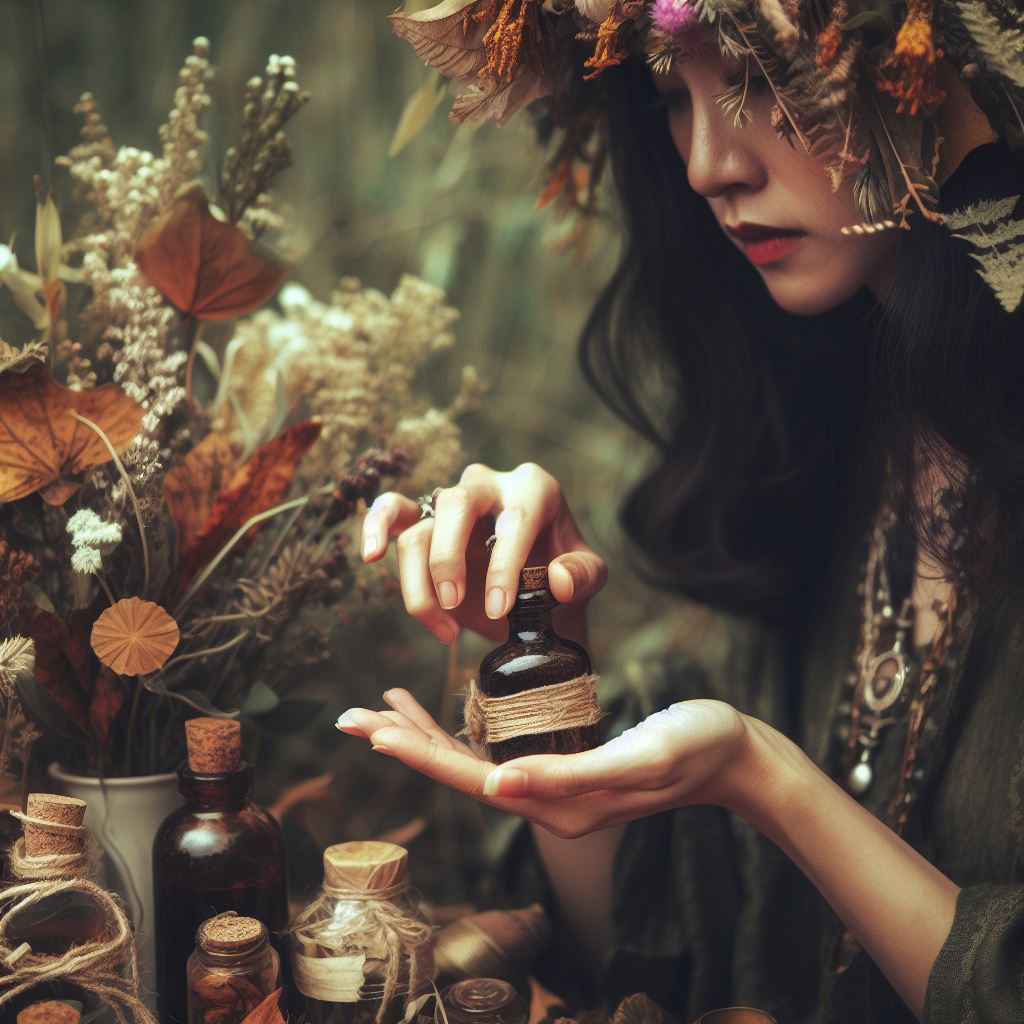
Autumn is a season of abundance, as nature’s bounty reveals a treasure trove of herbs, plants, and flowers that can be transformed into potent tinctures. Tinctures are concentrated liquid extracts that extract the medicinal properties of botanicals using alcohol or a solvent. By utilizing the rich offerings of autumn foraging, we can create homemade tinctures that promote well-being and support our health during this transformative season.

In this series, we’ll go over steam treatment, elixirs, teas, tinctures, broths, herbal glycerites, aroma therapy, and tonics. There are a lot of home remedies and nearly endless possibilities of methods. The eight selected for this series are some of the most common practices. All these covered home remedies are perfect for Autumn-Season applications.

In this article, we will delve into the art of crafting tinctures using autumn herbs, plants, and flowers, providing practical methods to incorporate them into our self-care routines. Prepare to immerse yourself in the healing properties of nature’s harvest and discover the power of autumn tinctures.

Tinctures

Autumn is a time when nature’s beauty is at its peak, and the bounty of herbs and plants invites us to explore their healing potential. One potent and versatile way to capture the essence of autumn herbs is through the art of tincture-making. Tinctures are concentrated herbal extracts known for their effectiveness in delivering the medicinal properties of herbs. By utilizing the plentiful herbs available during the autumn months, we can create powerful and effective homemade tinctures that promote wellness and support our health. In this article, we will delve into the world of tincture-making, exploring the methods and benefits of crafting herbal tinctures with autumn herbs, and unlocking nature’s therapeutic potency for our well-being.

Tinctures vs Tonics

Tinctures and tonics are both herbal preparations that can be used for various purposes, such as healing, magic, or ritual. However, they have some differences in their methods, ingredients, and effects.

Tinctures are concentrated herbal extracts that are made by soaking plant parts (such as leaves, flowers, roots, or berries) in alcohol or vinegar for several weeks. The alcohol or vinegar draws out the active compounds and preserves them in a liquid form. Tinctures are usually taken internally, by dropping a few drops under the tongue or adding them to water or juice.

Tonics are potent herbal infusions that are made by boiling or steeping plant parts (such as leaves, flowers, roots, or berries) in water for several hours. The water extracts the nutrients and benefits of the herbs and creates a flavorful brew. Tonics are usually taken internally, by drinking them as a tea or adding them to other beverages.

Tinctures have some advantages over tonics, such as:

  • They are more concentrated and effective, as they contain a higher amount of active compounds per dose.
  • They have a longer shelf life, as they are preserved by the alcohol or vinegar and do not spoil easily.
  • They are more convenient and portable, as they can be stored in small bottles and carried around easily.
  • They are more versatile and customizable, as they can be made with different herbs, combinations, and ratios to suit different needs and preferences.

Tinctures can be used for various purposes, such as:

  • Healing: Tinctures can help treat various physical and mental ailments, such as pain, inflammation, infection, anxiety, depression, insomnia, and more12. For example, lavender tincture can help calm the nerves and promote relaxation, while echinacea tincture can help boost the immune system and fight off infections.
  • Magic: Tinctures can help enhance various magical abilities, such as intuition, divination, protection, manifestation, and more. For example, mugwort tincture can help increase psychic awareness and facilitate lucid dreaming, while cinnamon tincture can help attract prosperity and love.
  • Ritual: Tinctures can help create a sacred space and mood for performing rituals, such as meditation, prayer, spellcasting, and more. For example, sage tincture can help cleanse and purify the energy and environment, while rose tincture can help invoke the presence and blessings of the goddess.

Tinctures are powerful and effective herbal allies that can help us in various ways. By learning how to make and use them, we can tap into the wisdom and gifts of nature and enhance our well-being and magic.

Autumn Foraging for Medicinal Ingredients

Autumn offers a diverse range of herbs, plants, and flowers that can be foraged and transformed into powerful tinctures. Consider incorporating the following ingredients into your autumn tincture preparations:

St. John’s Wort: Known for its mood-balancing and antidepressant properties, St. John’s Wort is often foraged during autumn. Its bright yellow flowers are a key component of tinctures designed to support emotional well-being.  St. John’s Wort is a perennial plant that grows in sunny and dry areas, such as roadsides, fields, and waste places. It has yellow flowers with black dots on the petals, and leaves with tiny holes that are visible when held to the light. St. John’s Wort can be harvested in late summer or early fall, when the flowers are fully open and the plant is in full bloom. You can use scissors or a knife to cut the flowering tops, and avoid damaging the roots.

Milk Thistle: This herb is recognized for its liver-detoxifying and protective properties. Harvest the seeds of milk thistle to create a tincture that promotes liver health and supports digestion. Milk Thistle is a biennial or annual plant that grows in disturbed and cultivated areas, such as pastures, fields, and gardens. It has spiny stems and leaves, and purple flowers that produce brown seeds. Milk Thistle can be harvested in late summer or fall, when the seeds are ripe and the flowers are dry.

Dandelion Root: Dandelion root is a valuable autumn foraging ingredient due to its liver-cleansing and diuretic properties. Utilize the roots to create a tincture that supports detoxification and overall wellness. Dandelion Root is a perennial plant that grows in a variety of habitats, such as lawns, meadows, and fields. It has a taproot, a rosette of toothed leaves, and yellow flowers that turn into fluffy seed heads. Dandelion Root can be harvested in late summer or fall, when the root is fully developed and the plant is dormant.

Echinacea: This well-known herb is often associated with immune support. Harvest the roots, leaves, or flowers of echinacea to create a tincture that bolsters the immune system and promotes overall health. Echinacea is a perennial plant that grows in prairies, woodlands, and open areas. It has green, hairy leaves, and pink or purple flowers that resemble coneflowers. Echinacea can be harvested in late summer or fall, when the roots, leaves, or flowers are fully grown and the plant is in bloom.

Method for Crafting Autumn Tinctures

Creating tinctures allows for the extraction and preservation of the medicinal properties of autumn botanicals. Follow these steps to create your own homemade autumn tinctures:

Ingredients:

Fresh or dried herbs, plants, or flowers of your choice

High-proof alcohol (such as vodka or brandy)

Glass jars with tight-fitting lids

Cheesecloth or a fine mesh sieve

Process:

Begin by harvesting or sourcing your chosen autumn botanicals. Clean them gently to remove any dirt or impurities. If using fresh herbs, allow them to wilt slightly to reduce moisture content.

Chop or grind the botanicals into small pieces to maximize surface area and enhance extraction.

Fill a glass jar with the botanicals, leaving some space at the top. Fill the jar to approximately 3/4 full.

Pour the high-proof alcohol over the botanicals, making sure they are fully submerged. Use a ratio of roughly 1 part botanicals to 2 parts alcohol.

Seal the jar tightly with the lid and store it in a cool, dark place away from direct sunlight.

Allow the mixture too steep for at least 4 to 6 weeks, shaking the jar gently every few days to promote the extraction process.

After the infusion period, strain the tincture using cheesecloth or a fine mesh sieve, collecting the liquid extract in a clean glass container.

Label the container with the name of the tincture, the date of creation, and the ingredients used.

Utilizing Autumn Tinctures for Well-being

Autumn tinctures offer a versatile and convenient way to incorporate the healing properties of herbs into our daily lives. Here are some suggestions on how to utilize them effectively:

Internal Use: Take a few drops of the tincture orally, either directly under the tongue or diluted in a small amount of water. This allows for easy absorption and assimilation into the body. Follow recommended dosages and consult with a qualified herbalist or healthcare professional if needed.

Topical Application: Apply tinctures externally by diluting them in carrier oils, such as jojoba or coconut oil. This allows for targeted application to support skin health, ease muscle tension, or promote wound healing.

Custom Blends: Combine different tinctures to create personalized blends that cater to specific health needs. For example, mix St. John’s Wort tincture with lemon balm tincture for a mood-balancing blend.

Storing and Shelf Life

Proper storage is key to maintaining the potency and effectiveness of your autumn tinctures. Consider the following tips:

Store tinctures in dark-colored glass bottles or jars to protect them from light degradation.

Keep them in a cool, dry place away from direct sunlight and extreme temperature fluctuations.

Properly labeled tinctures can have a shelf life of several years or more if stored correctly. However, it’s essential to monitor the appearance, smell, and consistency of the tincture regularly. If any signs of spoilage or degradation occur, discard the tincture.

Conclusion

Autumn tinctures allow us to harness the healing power of nature’s harvest, transforming herbs, plants, and flowers into potent liquid extracts. By foraging for medicinal ingredients and crafting homemade tinctures, we can support our well-being and promote holistic health during this transformative season. Embrace the therapeutic benefits of St. John’s Wort, milk thistle, dandelion root, echinacea, and other autumn botanicals as you embark on the journey of creating your own tinctures. Whether taken internally or applied topically, these tinctures offer a convenient and effective way to incorporate the healing properties of herbs into your daily routine.

Take the time to connect with nature, forage for the botanicals that resonate with you, and craft tinctures that support your well-being. Explore the rich colors, fragrances, and healing potentials of autumn as you immerse yourself in the art of tincture-making. Embrace the wisdom of the earth, celebrate the abundance of the season, and savor the benefits of these homemade remedies for holistic health and vitality.

Remember to exercise caution when working with alcohol and botanicals and consult with a qualified herbalist or healthcare professional if you have specific health conditions or concerns. Enjoy the process of creating your own autumn tinctures and let the healing power of nature infuse your life with well-being and vitality. Cheers to the transformative and nourishing journey of autumn tinctures!

Posted on Leave a comment

Exploring the Enigmatic Green Man

Exploring the Enigmatic Green Man

Introduction

Exploring the Enigmatic Green Man

A Symbol of Nature’s Resilience and Renewal

In the intricate tapestry of pagan and nature-based spirituality, there exists a realm of symbolism where few icons strike a chord as profound as the enigmatic Green Man. This mysterious figure, whose origins can be traced back through the annals of history, has succeeded in weaving its tendrils of fascination deep into the very essence of the spiritual practices of witches, Wiccans, and pagans alike. With each passing generation, the Green Man’s allure has not waned; instead, it has grown stronger, beckoning seekers of ancient wisdom and guardians of the natural world.

In the following passages, we shall embark on an illuminating journey, delving into the shadows and light to uncover the veiled mysteries and profound significance encapsulated within this timeless and revered icon. Join us as we peel back the layers of time and foliage to reveal the heart of the Green Man’s enigma.

Origins of the Green Man

The Green Man, with its profound symbolism and enduring presence, stands as a symbol that transcends the boundaries of both cultures and time itself. Its roots delve deep into the annals of history, stretching across an intricate tapestry of ancient civilizations, from the Celts to the Romans, and beyond. In the rich tapestry of Celtic mythology, the Green Man finds a hallowed place, often interwoven with the lore of Cernunnos, the horned god of the forest and fertility. Within the Celtic pantheon, Cernunnos embodies the untamed spirit of the woodlands, resonating with the vitality and generative forces of the natural world.

He we journey further back in time, we encounter the echoes of the Green Man in Roman culture, where he finds a connection with the deity Pan. In Roman times, Pan was revered as a wild and mischievous god of nature, roaming the wilderness with his piping music. It is in the playful yet primal essence of Pan that we see the Green Man’s enduring presence, for both figures encapsulate the untamed aspects of the natural world. This timeless connection to both Celtic and Roman mythologies underscore the universality of the Green Man, demonstrating its ability to bridge cultures and epochs, a testament to its enduring significance in the realm of the occult and spirituality.

Symbolism and Imagery

The Green Man, when visualized, assumes a distinctive form that has become iconic in the realms of pagan and nature-based spirituality. This iconic representation often portrays a face, predominantly male, emerging mysteriously from an intricate tangle of foliage. His visage is intricately adorned with a lush tapestry of leaves, vines, and sometimes even the bountiful fruits of the Earth. This imagery serves as a potent symbol, resonating with profound meaning and encapsulating a timeless connection between humanity and the natural world.

Within this symbolic representation, the Green Man becomes a living testament to the deep, symbiotic relationship between humankind and the environment. His visage, entwined with the verdant bounty of the forest, carries a message of unity and interdependence, reminding us that we are an integral part of the greater ecosystem. He stands as the guardian of the woods, the embodiment of nature’s enduring resilience in the face of adversity.

The Green Man serves as a poignant symbol of the cycle of life, death, and rebirth that permeates the natural world. As the seasons unfurl their respective tapestries, he transforms in tandem. In spring, he manifests as the youthful and vibrant representation of new life and beginnings. In summer, he reaches his zenith, radiating strength and vitality amidst the lush foliage. As autumn approaches, he assumes the role of a wise elder, his leaves perhaps withering and falling, mirroring the cycle of aging and eventual decline. Finally, in winter, he enters a state of dormancy, mirroring the quietude and rest that nature experiences during this period.

The Green Man’s portrayal, bedecked in leaves, vines, and fruits, encapsulates a profound message about our interconnectedness with the natural world, the enduring spirit of nature’s resilience, and the eternal cycle of life, death, and rebirth that defines our existence on this planet. This symbolic figure invites us to reflect on our place within the grand tapestry of life, encouraging us to cultivate a deeper reverence for the world that surrounds us.

Seasonal Significance

One of the most intriguing aspects of the Green Man is his association with the changing seasons. In pagan and Wiccan traditions, he is often linked to the Green Man’s face, and its various stages reflect the seasons of the year:

  • Spring: The Young Green Man – In spring, the Green Man emerges as a youthful figure, representing the awakening of nature after the long winter. This phase is a celebration of growth, fertility, and new beginnings.
  • Summer: The King of the Forest – As summer arrives, the Green Man matures into a regal and powerful figure. He embodies the fullness of life, with lush foliage and vitality at its peak.
  • Autumn: The Wise Old Man – With the arrival of autumn, the Green Man takes on the role of a wise elder. His leaves may begin to wither and fall, symbolizing the cycle of life and death.
  • Winter: The Dormant Spirit – In winter, the Green Man enters a period of dormancy, much like the natural world around us. His face may disappear entirely amidst the bare branches, only to reemerge in the spring.

The Green Man in Witchcraft and Pagan Practices

Within the vibrant tapestry of witchcraft and pagan practices, the Green Man occupies a sacred and cherished space, playing a pivotal role in rituals and ceremonies that resonate with the rhythms of nature. His presence is invoked not merely as a symbol, but as a living embodiment of the Earth’s vitality and wisdom. In the heart of these practices, the Green Man becomes a conduit through which practitioners seek a profound connection with the natural world and its enduring cycles of life, death, and rebirth.

One of the most potent ways in which the Green Man is woven into the spiritual fabric of witchcraft and paganism is through the art of invocation. When practitioners call upon the Green Man, they are beckoning the spirit of the forest to infuse their rituals with vitality and vitality. It is believed that his presence can bring about a deepening of one’s connection with the Earth, fostering a sense of harmony and balance with the natural forces that govern our world.

But the Green Man offers more than just a connection to the Earth’s vitality; he is also revered as a source of wisdom. Within the cycles of nature, there lie profound lessons about growth, transformation, and the inevitability of change. Practitioners turn to the Green Man to seek insights from these ancient rhythms, using his symbolism as a mirror to reflect upon their own life journeys. In doing so, they gain a deeper understanding of the cyclical nature of existence and find guidance in navigating life’s challenges and transformations.

Incorporating the Green Man into one’s spiritual practice goes beyond mere invocation; it extends to the creation of sacred spaces. Many practitioners include representations of the Green Man in their altar setups, where he stands as a sentinel of the forest, overseeing their spiritual work. His presence in these sacred spaces serves as a constant reminder of the interconnectedness between humanity and the natural world.

Moreover, the Green Man features prominently in meditative practices. During these moments of reflection, individuals turn their attention to this iconic figure, delving into his symbolism to find inner peace and rejuvenation. Through meditation, they tap into the Green Man’s vitality, channeling it to restore their own sense of balance and harmony.

Lastly, the Green Man is an integral part of seasonal celebrations within pagan and witchcraft traditions. As the seasons change, so does the Green Man’s role in these festivities. Whether it is the joyous celebration of new life in spring, the zenith of vitality in summer, the introspection of autumn, or the quiet contemplation of winter, the Green Man is a constant companion, guiding practitioners through the ever-turning wheel of the year.

The Green Man is not merely an abstract symbol but a living presence within the hearts and practices of witches and pagans. He is the bridge that connects them to the vitality and wisdom of the Earth, a guardian of the forest, and a source of inspiration for their spiritual journeys. As they continue to honor and invoke the Green Man, they forge a deeper and more profound bond with the natural world and the ancient rhythms that underlie all of existence.

Conclusion

In the intricate tapestry of witchcraft, paganism, and nature-based spirituality, the Green Man stands not only as a symbol but as a timeless and revered guide. His significance is profound, a living testament to the enduring bond between humanity and the natural world. As the seasons unfurl their eternal dance of life and death, the Green Man emerges as a steadfast reminder of our deep-rooted connection to the Earth and the enduring spirit of renewal that flows through all of existence.

Whether you have walked the path of a seasoned practitioner for years or are a curious seeker just beginning your journey, the Green Man extends an invitation—a call to embrace the mysteries of the forest and the ever-turning wheel of life. He beckons us to stand as stewards of the Earth, to honor the wisdom found in the cycles of nature, and to rekindle the ancient bond that links our spirits to the resplendent tapestry of creation. In the embrace of the Green Man’s symbolism, we find not only a symbol but a profound teacher, guiding us toward a deeper understanding of ourselves, the natural world, and the eternal mysteries that await our exploration.

Posted on Leave a comment

Foraging Purslane: A Comprehensive Guide

Foraging Purslane
Foraging Purslane

Introduction

A Comprehensive Guide to Foraging and Utilizing this Versatile Plant

Purslane, scientifically known as Portulaca oleracea, is a remarkable and often overlooked plant that thrives in the Pacific Northwest, including Oregon. As a practicing witch with a deep connection to nature, you’ll find that Purslane not only serves as a valuable addition to your culinary repertoire but also holds immense magical potential.

In this comprehensive guide, we’ll delve into the multifaceted world of Purslane, covering its characteristics, identification, uses (both mundane and magical), and safe foraging practices.

What is Purslane?

Purslane, an extraordinary botanical marvel, graces the natural world as a low-growing succulent plant with a captivating history. Originally hailing from the ancient lands of India, this remarkable herbaceous wonder has transcended borders and now flourishes in diverse ecosystems worldwide. Its very botanical name, Portulaca oleracea, seems to whisper secrets of its culinary potential, making it an alluring treasure trove for those with a keen eye for edible botanical wonders.

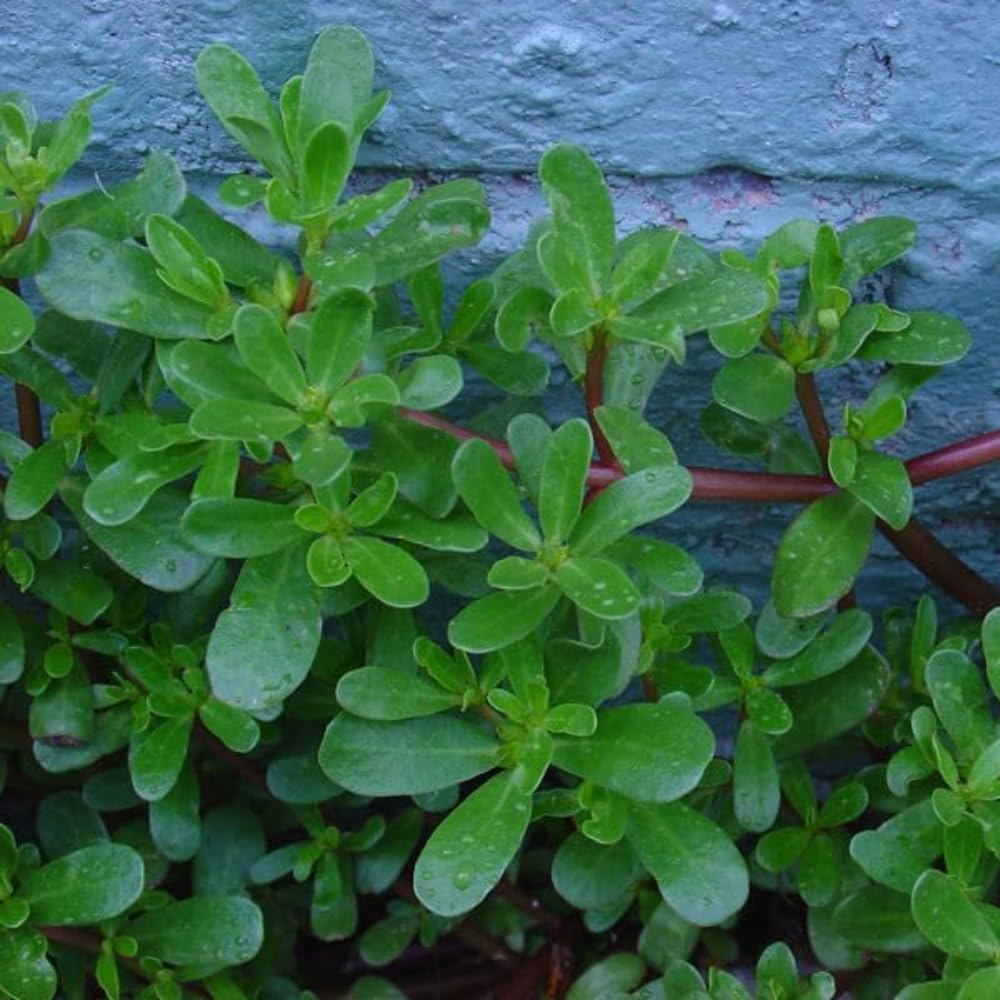
The leaves of Purslane are a testament to its resilience and adaptability. Oval and adorned with a vibrant green hue, they serve as a beacon of vitality amid the natural world. Yet, if one were to examine these leaves closely, they might notice a subtle, almost enchanting, reddish tint gracing their base. This gentle blush of color is a reminder of Purslane’s connection to the earth, a whisper from the plant itself about its ability to thrive in both the mundane and mystical realms.

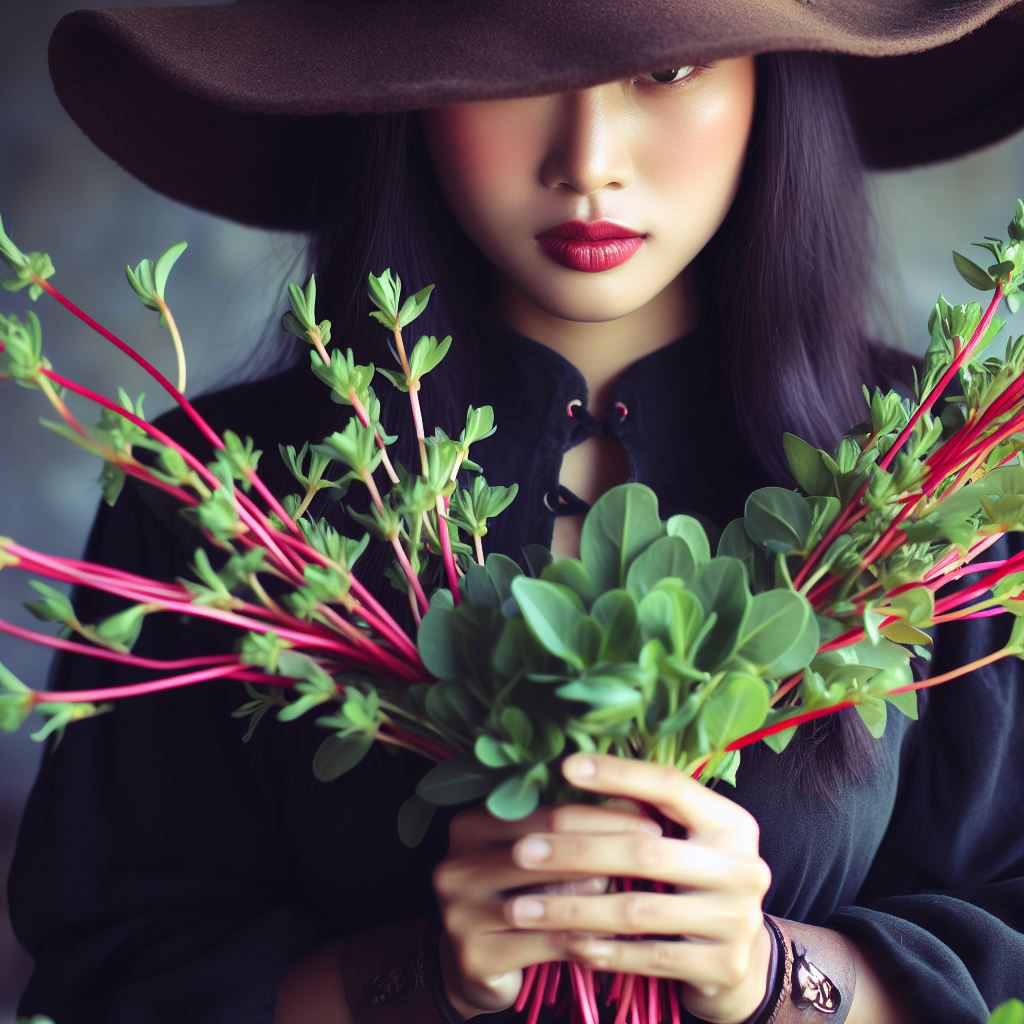
Common purslane: This is the most widespread variety of purslane. It has succulent green leaves, thick red stems, and yellow flowers. It grows as a weed in many places and can be eaten raw or cooked. It is rich in omega-3 fatty acids, antioxidants, vitamins, and minerals.

The stems of Purslane are nothing short of magnificent. Thick and succulent, they possess a robustness that sets them apart from the delicate stems of many other plants. Their reddish hue adds a touch of rustic elegance to this botanical gem. When you encounter Purslane in the wild, its stems, akin to a life force coursing through its veins, stand as a defining feature. It is these very stems that carry the essence of this resilient plant, beckoning to those who seek to understand its secrets.

As you embark on your journey with Purslane, take a moment to marvel at its botanical intricacies. Its humble appearance conceals a world of culinary and magical possibilities, waiting to be discovered by those who are willing to venture into the realm of this extraordinary plant.

A Tapestry of Purslane Variants

While the common Purslane (Portulaca oleracea) is undoubtedly a prominent presence in the world of foraging, it’s just the beginning of a captivating tapestry of Purslane variants. Exploring these diverse cousins of the well-known succulent reveals a rich mosaic of colors, flavors, and habitats.

Let’s embark on a journey to discover these botanical treasures.

The Radiance of Golden Purslane (Portulaca sativa)

In the realm of Purslane variants, Portulaca sativa, known affectionately as golden Purslane, emerges as a radiant gem that beckons foragers and nature enthusiasts alike. True to its name, this variant unveils a botanical spectacle that captivates the eye and the palate in equal measure. As you delve into the enchanting world of golden Purslane, you’ll discover its unique attributes, inviting you to embrace its golden glow both in your foraging adventures and culinary creations.

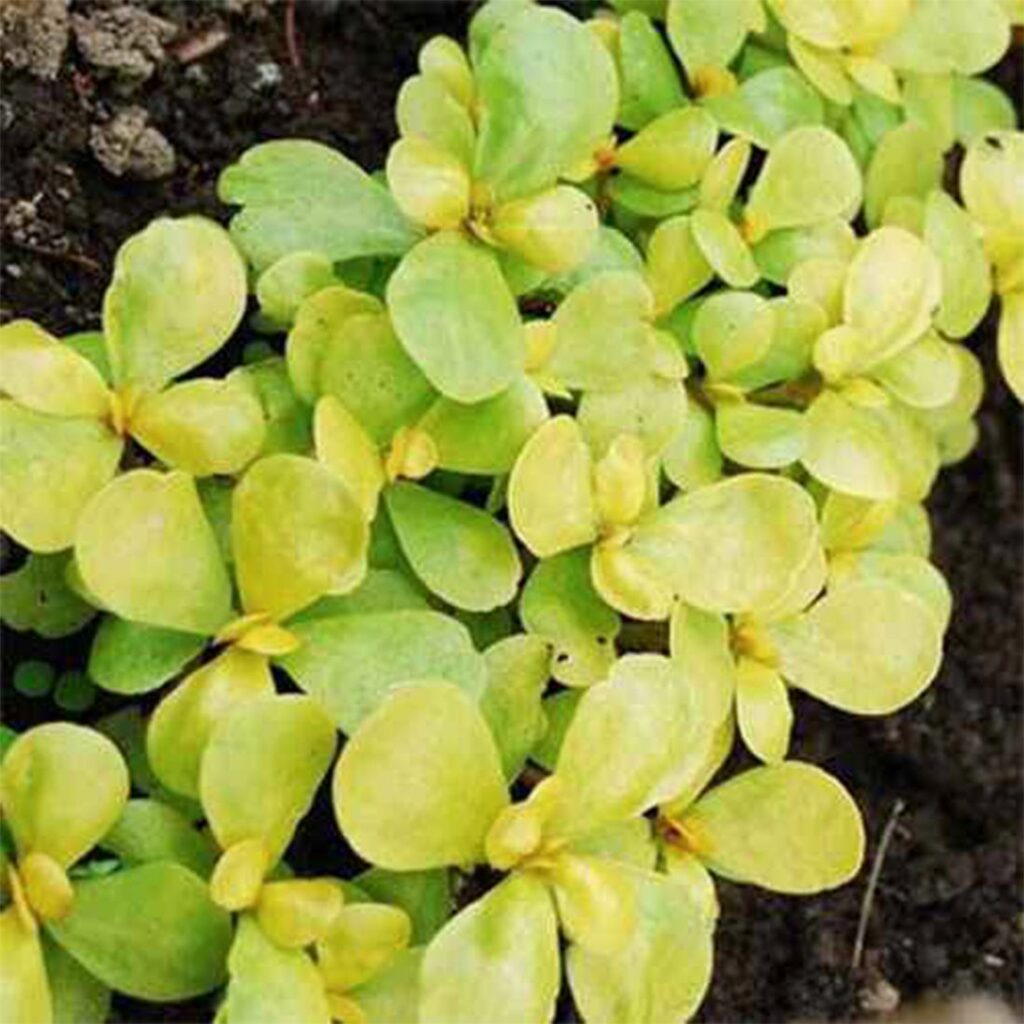
Golden Purslane’s defining feature is its leaves, which shimmer with a golden or yellowish hue, as if capturing the very essence of sunlight. Each leaf is a masterpiece of nature’s artistry, casting a warm, inviting glow amidst the verdant tapestry of the wild. This botanical radiance not only adds visual allure to your foraging expeditions but also signals the presence of a variant with distinct culinary potential and magical resonance.

Golden Purslane

Golden Purslane’s defining feature is its leaves, which shimmer with a golden or yellowish hue, as if capturing the very essence of sunlight. Each leaf is a masterpiece of nature’s artistry, casting a warm, inviting glow amidst the verdant tapestry of the wild. This botanical radiance not only adds visual allure to your foraging expeditions but also signals the presence of a variant with distinct culinary potential and magical resonance.

While the common Purslane offers a tangy, lemony flavor, golden Purslane composes a different symphony on the taste buds. Its leaves possess a delicate sweetness that dances across the palate, a harmonious contrast to the earthy undertones of its succulent nature. This sweet infusion makes golden Purslane a delightful addition to salads, where its vibrant color and nuanced flavor elevate simple dishes into culinary masterpieces. Its sunny disposition brightens both the plate and the spirit.

Beyond its culinary appeal, golden Purslane invites you to explore its magical potential. The radiant hue of its leaves aligns harmoniously with spells and rituals associated with abundance, prosperity, and the blessings of the sun. By incorporating golden Purslane into your magical practice, you harness the power of this botanical luminary to enhance your craft and connect with the energies of light and growth.

The Maritime Magic of Sea Purslane (Halimione portulacoides)

For those who find themselves irresistibly drawn to the mystical allure of coastlines and the rhythmic cadence of brackish shores, sea Purslane (Halimione portulacoides) beckons like a siren song. This variant, found where the land and sea embrace in a delicate dance, is a testament to nature’s resilience and adaptability. In the world of Purslane variants, sea Purslane stands as a coastal guardian, and its story unfolds with every crashing wave and whispering breeze.

Sea Purslane, with its unwavering affinity for the ebb and flow of ocean tides, thrives in the salt-laden embrace of coastal environments. Here, where the elements are both nurturing and formidable, this variant reveals its remarkable ability to adapt and flourish in the face of adversity. It is a living testament to the tenacity of nature, demonstrating that even in the harshest conditions, life finds a way to persevere.

One of the most distinctive features of sea Purslane is the thickness and robustness of its leaves. Unlike its terrestrial counterparts, which bear delicate succulent foliage, sea Purslane’s leaves have evolved to withstand the challenges of its coastal home. They are thicker, heartier, and more resolute, serving as a shield against the salt-laden winds and shifting sands. These leaves, like ancient shields of folklore, guard the plant’s vitality and essence, imparting a unique character to sea Purslane.

As a witch and forager with a deep connection to nature, when you venture along the coastline, keep a keen eye out for the resolute presence of sea Purslane. Its vibrant green leaves, robust and succulent, offer both culinary and magical opportunities. Gather its leaves with reverence, for they carry the essence of the sea and the enduring spirit of the coastal landscape.

In your culinary pursuits, let sea Purslane transport you to the heart of the ocean. Its unique flavor, influenced by the salt-kissed air, adds a maritime dimension to your dishes, connecting you with the elemental forces of water and earth. And in your magical practice, embrace the maritime essence of sea Purslane. Use it to invoke the energies of the sea, harnessing its power for spells and rituals related to transformation, emotional healing, and the mysteries of the deep.

Identifying Purslane with Confidence

Identifying Purslane amidst the vibrant tapestry of nature’s offerings is a skill that every forager and nature enthusiast can easily master. With its distinctive features and unmistakable aroma, recognizing Purslane becomes a straightforward endeavor, whether you’re wandering through the wilderness or tending to your garden. Here are the key steps to identifying Purslane with confidence:

  1. Growth Habit: Purslane is a low-growing, ground-hugging plant that sprawls close to the earth’s surface. It often forms a dense mat of greenery, making it easily distinguishable from taller plants. When you encounter a carpet of low, spreading vegetation, your quest for Purslane is likely underway.
  2. Leaf Characteristics: The leaves of Purslane are a defining feature. Examine them closely; they are typically paddle-shaped, like tiny canoes, and alternate along the stem. These leaves have a fleshy, succulent texture, which is one of Purslane’s unmistakable hallmarks. Their vibrant green color, occasionally tinged with a reddish hue at the base, adds to their allure.
  3. Stem Appearance: The stems of Purslane are another key element in its identification. They are thick, reddish, and succulent, a stark contrast to the slender and woody stems of many other plants. Running your fingers along these distinctive stems can provide additional confirmation of your find.
  4. The Scent Test: If ever in doubt, remember that Purslane possesses a secret that is readily revealed with a simple touch. Gently crush a leaf between your fingers, and the plant will graciously reward your curiosity. Purslane emits a slightly tangy, lemony scent, a fragrant affirmation of its identity. This citrusy aroma is a unique gift from nature, solidifying your recognition of this remarkable plant.

In the pursuit of foraging Purslane for culinary delights or harnessing its magical properties, mastering its identification is your first step towards a rewarding connection with this botanical treasure. Armed with these guidelines, you’ll confidently spot Purslane in the wild, enriching your journey as a forager, witch, and nature lover. So, when you set forth to explore the bountiful landscapes of the Pacific Northwest, let the straightforward beauty of Purslane guide your path.

The Tenacious Adaptability of Purslane

Purslane, with its remarkable ability to thrive in diverse conditions, stands as a testament to nature’s resilience and adaptability. Whether you find yourself amid meticulously tended gardens, meandering through manicured lawns, or even strolling along city sidewalks, Purslane is an adaptable survivor that finds a home in unexpected places. Its preferences and tenacity make it a true botanical marvel.

Purslane’s adaptability knows no bounds. It gracefully embraces a wide range of environments, making it a botanical chameleon that flourishes where others struggle. From the neatly arranged rows of garden beds to the unyielding cracks in urban sidewalks, Purslane finds opportunities to take root and thrive. This ability to thrive in both cultivated and neglected spaces showcases its innate tenacity and willingness to grow wherever it can.

One of Purslane’s greatest affections is reserved for the sun. It is a plant that revels in the full, warm embrace of sunlight. In its quest for life-giving energy, Purslane is often found basking in the glow of the sun’s rays. This preference for sun-drenched environments not only contributes to its rapid growth but also results in its vibrant green coloration, making it a standout presence amidst the surrounding foliage.

While Purslane demonstrates an uncanny ability to adapt to various landscapes, it does have one discerning preference – well-drained soil. Purslane flourishes in soil that allows excess water to pass through, preventing waterlogged conditions that could inhibit its growth. In areas where drainage is optimal, Purslane thrives, further solidifying its reputation as a survivor.

In the verdant landscapes of the Pacific Northwest, Purslane is a common sight during the warmer months of summer and early fall. Its presence becomes a hallmark of the season, a symbol of nature’s bounty in this lush region. You’ll find Purslane abundant in gardens, along pathways, and in the wild, as if it has been welcomed by the land itself.

Winter Purslane

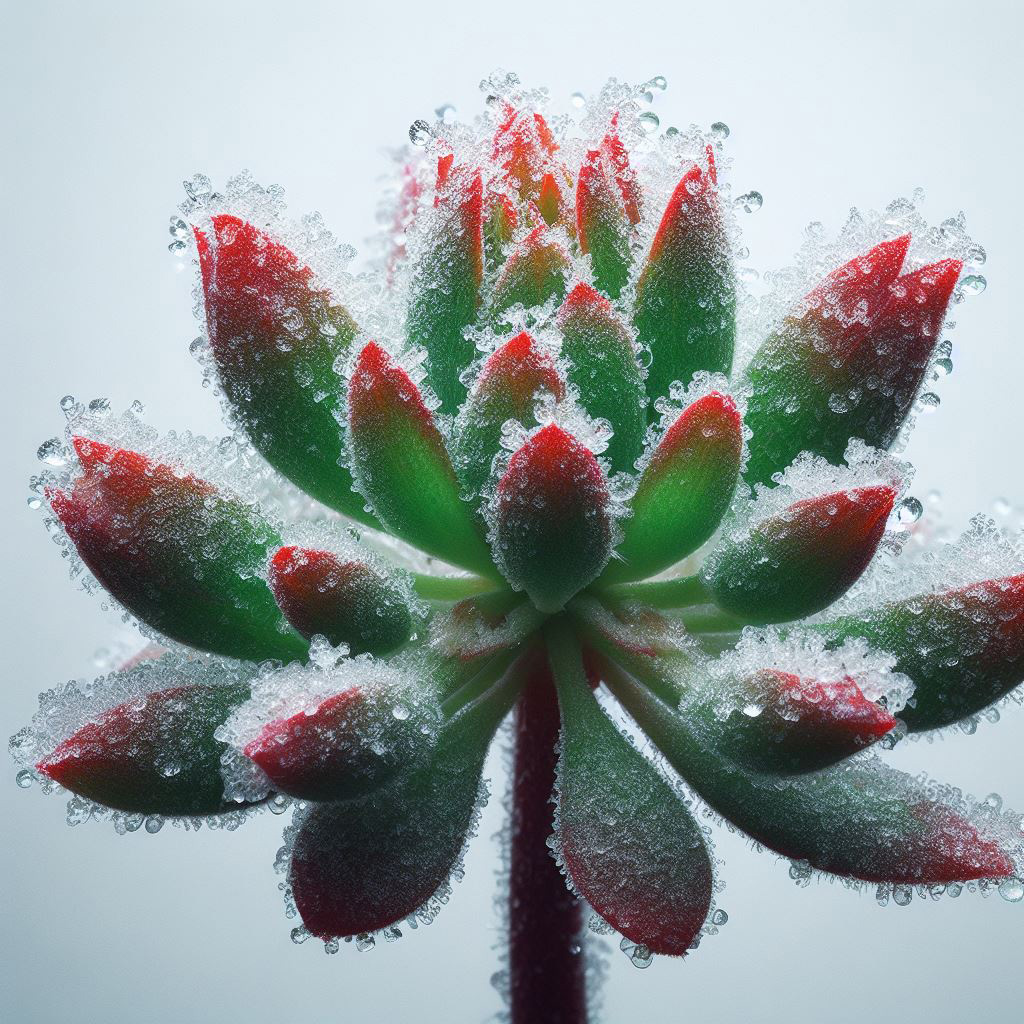
With its small and succulent leaves, this plant is a cold-hardy and nutritious addition to your diet. You can enjoy it raw in salads or cook it into various dishes, giving you a lot of flexibility in the kitchen.

Harnessing Purslane’s Medicinal Potency

Beyond its culinary and magical attributes, Purslane unveils a treasure trove of medical uses that have been cherished for generations. As a nutritional powerhouse, this humble plant, rich in vitamins A, C, and E, along with omega-3 fatty acids, offers a spectrum of health benefits that extend far beyond its vibrant appearance. Let’s explore the various ways in which Purslane has traditionally been employed for its medicinal virtues:

Purslane’s healing touch extends to the realm of skincare. Its leaves, when crushed and applied topically, have the remarkable ability to soothe skin irritations. Whether you’re dealing with the discomfort of a minor rash, insect bite, or sunburn, Purslane’s natural anti-inflammatory properties come to the rescue. The application of Purslane paste, or oil can bring relief to these troublesome skin issues, providing a gentle, plant-based remedy that aligns seamlessly with nature’s healing touch.

Minor digestive complaints, such as bloating, indigestion, and discomfort, have been met with Purslane’s calming influence for centuries. Its consumption, whether in salads, teas, or infusions, has been known to alleviate gastrointestinal distress. The plant’s soothing properties can help ease digestive discomfort, promoting a sense of well-being and balance from within. Purslane serves as a gentle ally for those seeking natural remedies for common digestive woes.

One of Purslane’s most celebrated attributes is its omega-3 content, a nutrient renowned for its positive impact on heart health. The omega-3 fatty acids found in Purslane contribute to a healthy cardiovascular system by helping to lower blood pressure and reduce the risk of heart disease. By incorporating Purslane into your diet, you not only savor its unique flavor but also nurture your heart with its beneficial properties. It’s a simple yet potent way to support your long-term well-being.

Purslane’s medicinal uses echo its adaptability and resilience in the natural world. As a witch who finds solace and inspiration in nature’s bounty, the incorporation of Purslane into your holistic approach to health can be both empowering and spiritually enriching. The plant’s ability to heal and nurture aligns with your quest for balance and harmony, connecting you with the age-old wisdom of herbal remedies.

Incorporating Purslane into your wellness rituals and embracing its medicinal gifts is a testament to your reverence for the natural world and its many offerings. With Purslane by your side, you embark on a journey of healing that bridges the realms of nature and magic, further enriching your path as a witch who honors both the seen and unseen forces of the world.

Culinary Magic with Purslane: A Verdant Delight

Purslane, with its crunchy texture and delightfully lemony flavor, emerges as a culinary gem that can transform ordinary dishes into extraordinary creations. As a witch who finds enchantment in the kitchen, you’ll discover that Purslane offers not only a burst of freshness but also a connection to the natural world. Here, we explore the various ways you can harness its culinary magic and safely prepare this botanical wonder.

A Symphony of Flavors Purslane’s distinctive attributes shine brightly in the culinary realm. Its tender, succulent leaves, which carry a slightly lemony tang, add a refreshing twist to your culinary creations. Here’s how you can infuse your dishes with Purslane’s unique charm:

  • Salads: Purslane’s crunchy texture and zesty flavor make it a star in salads. Simply wash and chop the leaves, then toss them into your favorite green salad. The vibrant green of Purslane leaves adds a burst of color, while its lemony notes provide a refreshing contrast.
  • Sandwiches: Elevate your sandwiches by layering them with Purslane leaves. Their succulent crunchiness pairs wonderfully with various fillings, creating a harmonious blend of textures and tastes.
  • Stir-fries: Add a dash of vibrancy to stir-fried dishes by incorporating Purslane towards the end of cooking. Its quick wilting nature ensures that it retains its unique texture and lemony essence.
  • Pickling: Take your culinary skills to the next level by pickling Purslane stems. Create a pickling solution with vinegar, water, and your preferred spices, and immerse the stems. Allow them to soak until they become tangy and flavorful. These pickled Purslane stems can be a delightful addition to your meals or enjoyed as a condiment.
  • Soups and Stews: Purslane’s culinary versatility extends to soups and stews. Add fresh Purslane leaves as a vibrant garnish or stir them into your simmering concoctions shortly before serving. The heat of your dish will soften the leaves, infusing it with their lemony essence.

Safe Preparation Practices When incorporating Purslane into your culinary endeavors, it’s essential to follow safe preparation practices:

  • Wash Thoroughly: Begin by rinsing Purslane leaves and stems thoroughly under cold running water to remove any dirt or debris.
  • Trim and Chop: Trim any tough stems or damaged leaves and chop the Purslane to your desired size for your recipe.
  • Store Carefully: If you’re not using it immediately, store Purslane in a plastic bag in the refrigerator. It can stay fresh for up to a week when properly stored.
  • Avoid Contaminated Areas: Only forage Purslane from clean, pesticide-free areas to ensure its safety for consumption.

As you navigate your culinary journey with Purslane, remember that it not only nourishes your body but also connects you to the Earth’s bounty. In your magical practices, consider the deep connection between the plants you harvest and the energy you infuse into your creations. Purslane becomes a symbol of your reverence for nature’s gifts, weaving its magic into both your kitchen and your spiritual pursuits.

Harvesting Purslane: A Thoughtful Approach

Foraging Purslane is not just an exercise in gathering food; it’s a connection to the natural world and an opportunity to embrace the plant’s bounty while respecting the environment. Here’s a step-by-step guide on how to forage Purslane responsibly, ensuring that your harvest is not only delicious but also sustainable:

1. Respect Nature The first and foremost principle of foraging is to respect the environment. Approach this activity with reverence for the ecosystem you’re entering. Follow these guidelines:

  • Take only what you need: Harvest in moderation to ensure the population of Purslane remains healthy and thriving.
  • Avoid polluted areas: Never forage Purslane from areas that may be contaminated with pesticides, herbicides, or other pollutants. Seek out clean, natural locations for your harvest.

2. Timing is Everything Purslane has its own rhythm, and timing is crucial for a successful and sustainable foraging experience. The optimal season for harvesting Purslane spans from late spring to early fall. During this period, the plant is at its peak of growth and flavor. Look for lush patches of Purslane during these months to maximize your harvest.

3. Gather Your Tools Before embarking on your foraging adventure, ensure you have the right tools on hand:

  • Scissors or Gardening Shears: To harvest Purslane, you’ll want a pair of sharp scissors or gardening shears. These tools allow you to snip the stems cleanly without damaging the plant.

4. Harvest with Care When you’ve located a thriving Purslane patch, it’s time to start gathering. Follow these steps for a responsible harvest:

  • Select Young, Tender Leaves and Stems: Opt for young Purslane leaves and tender stems. These parts of the plant are not only more flavorful but also ensure the main plant can continue to grow and thrive.
  • Leave the Main Plant Intact: Be mindful of the main Purslane plant. Avoid over-harvesting from a single plant to allow it to continue producing. By leaving the central plant undisturbed, you contribute to the sustainability of Purslane in the area.

5. Rinse and Store Thoughtfully Your foraged Purslane should be as clean as possible when you bring it home. Follow these final steps:

  • Thoroughly Wash Your Harvest: Rinse the Purslane leaves and stems under cold running water to remove any dirt, insects, or debris.
  • Store Properly: After washing, pat the Purslane dry and store it in the refrigerator. Place it in a plastic bag with a paper towel to absorb excess moisture. Stored this way, Purslane can remain fresh for up to a week, ready to enhance your culinary creations.

By following these steps and respecting the plant and the environment in which it grows, you not only enjoy the culinary and magical benefits of Purslane but also become a steward of nature, ensuring that this wonderful plant continues to thrive for future foragers and generations to come.

Safety Considerations with Purslane

Purslane, with its myriad of culinary and medicinal benefits, is indeed a remarkable plant to forage, but safety should always be a paramount concern. Here are some essential safety considerations to keep in mind while working with Purslane:

Selecting Clean Locations One of the fundamental principles of foraging is to ensure that you are harvesting from clean and uncontaminated locations. Purslane has a remarkable ability to absorb substances from its environment, which means it can accumulate pesticides, herbicides, and other pollutants if grown in such areas. As a responsible forager, steer clear of locations that may have been treated with chemicals. Choose pristine, natural settings for your Purslane harvest, where the plant can thrive without exposure to harmful substances.

Allergies and Caution While Purslane is generally safe for consumption, it’s essential to exercise caution if you have known allergies to succulent plants. Some individuals may experience mild allergic reactions, such as skin irritation or digestive discomfort, when trying Purslane for the first time. To minimize the risk, start with a small portion to gauge your body’s response. If you have a history of allergies to similar plants, consult with a healthcare professional before incorporating Purslane into your diet.

By adhering to these safety guidelines, you can enjoy the benefits of Purslane without compromising your well-being. Remember that foraging should be a harmonious collaboration with nature, ensuring that both you and the environment remain healthy and vibrant.

Purslane: A Magical Ally

In the enchanting realm of magic and witchcraft, Purslane emerges as a potent ally, revered for its protective and grounding qualities. This humble plant, with its succulent leaves and earthy disposition, offers a wealth of opportunities for those seeking to infuse their magical practice with its energies. Here’s how you can harness the mystical essence of Purslane in your craft:

1. Amulets and Talismans Carrying a sprig of Purslane as an amulet or talisman is a time-honored tradition in the world of magic. Purslane is renowned for its ability to ward off negative energy and invite abundance into one’s life. As you carry this tiny botanical guardian with you, you create a protective shield that surrounds you, repelling negativity and inviting the blessings of prosperity.

2. Altar Decor Purslane’s natural connection to the earth element makes it a fitting addition to your magical altar. Placing Purslane on your altar not only enhances its visual appeal but also strengthens your connection to the elemental forces of the earth. This connection can be particularly useful when performing rituals and spellwork that require grounding and stability.

3. Ritual Baths Infusing your bathwater with Purslane elevates your ritual baths to a higher plane of spiritual cleansing and purification. As you soak in the soothing waters, the essence of Purslane washes over you, cleansing your aura and spirit of negative influences. This practice not only rejuvenates your energy but also prepares you for a deeper connection with the mystical realms.

4. Spellwork Purslane’s versatile magical properties make it a valuable ingredient in spellwork. Incorporate Purslane into your spells to enhance their effectiveness:

  • Protection Spells: Use Purslane to bolster your protective spells, creating an impenetrable barrier against harm and negativity.
  • Prosperity Spells: The plant’s association with abundance makes it an ideal component in spells aimed at attracting wealth and prosperity.
  • Earth Magic: Purslane’s deep connection to the earth element empowers spells related to grounding, stability, and connecting with the energies of the earth.

Incorporating Purslane into your magical practice weaves the essence of the natural world into your spells and rituals. As you work with this humble plant, you not only tap into its protective and grounding energies but also deepen your connection to the profound mysteries of the earth. Purslane becomes a companion on your magical journey, guiding you toward balance, protection, and abundance in your craft.

Conclusion

In the lush landscapes of the Pacific Northwest, Purslane emerges as a hidden gem, a verdant treasure trove that beckons to be explored. Beyond its unassuming appearance lies a world of possibilities, where culinary delights, medicinal wonders, and magical energies converge. Harvest this botanical wonder with care, taking only what you need and always avoiding areas tainted by pesticides or pollutants. By following these principles, you ensure the sustainability of Purslane for generations to come. Purslane not only nourishes the body with its nutritional bounty but also feeds the soul through its magical potential. Carry a sprig as a protective talisman, adorn your altar to connect with the earth’s energy, or infuse your baths with its cleansing power. Let Purslane become a companion on your journey as a witch and writer, guiding you to deeper connections with the natural world and the mystical forces that surround us. With every harvest, connection, and spell, may Purslane’s magic enhance your journey in ways both tangible and mystical.

Happy foraging, and may your magical path be evergreen and vibrant, like the Purslane itself.

Posted on Leave a comment

Autumn Home Remedies – Broths

Autumn Broths
Autumn Broths

Introduction

Autumn Home Remedies – Broths

As the temperatures begin to drop and nature’s colors transition to warm hues, autumn provides us with a cornucopia of foraged treasures to incorporate into our homemade broths. These nourishing elixirs not only help to warm our bodies but also offer a wealth of health benefits. By utilizing the abundance of autumn foraging, including herbs, plants, and flowers, we can infuse our broths with rich flavors and therapeutic properties.

In this series, we’ll go over steam treatment, elixirs, teas, tinctures, broths, herbal glycerites, aroma therapy, and tonics. There are a lot of home remedies and nearly endless possibilities of methods. The eight selected for this series are some of the most common practices. All these covered home remedies are perfect for autumn-season applications.

In this article, we will explore the art of creating flavorful and nourishing broths using the bounty of autumn, allowing you to harness the healing power of nature while embracing the seasonal delights.

Broths

Broths are not only a staple of cozy and hearty dishes during the fall, but they can also be a source of magic and wellness for our bodies and souls. By adding seasonal autumn herbs to our homemade broths, we can create enchanting and nourishing potions that not only warm us up but also boost our immunity and vitality.

Autumn Foraging for Flavorful Additions

Autumn offers a plethora of aromatic herbs, plants, and flowers that can elevate the flavor and nutritional profile of your broths. Consider incorporating the following ingredients into your autumn broths:

  • Thyme: This versatile herb adds a warm and earthy flavor to broths while offering antimicrobial and immune-boosting properties.
  • Rosemary: Known for its distinct pine-like fragrance, rosemary brings a delightful savory note to broths while providing antioxidant and anti-inflammatory benefits.
  • Sage: With its earthy and slightly peppery taste, sage lends depth and complexity to broths while promoting digestion and soothing the throat.
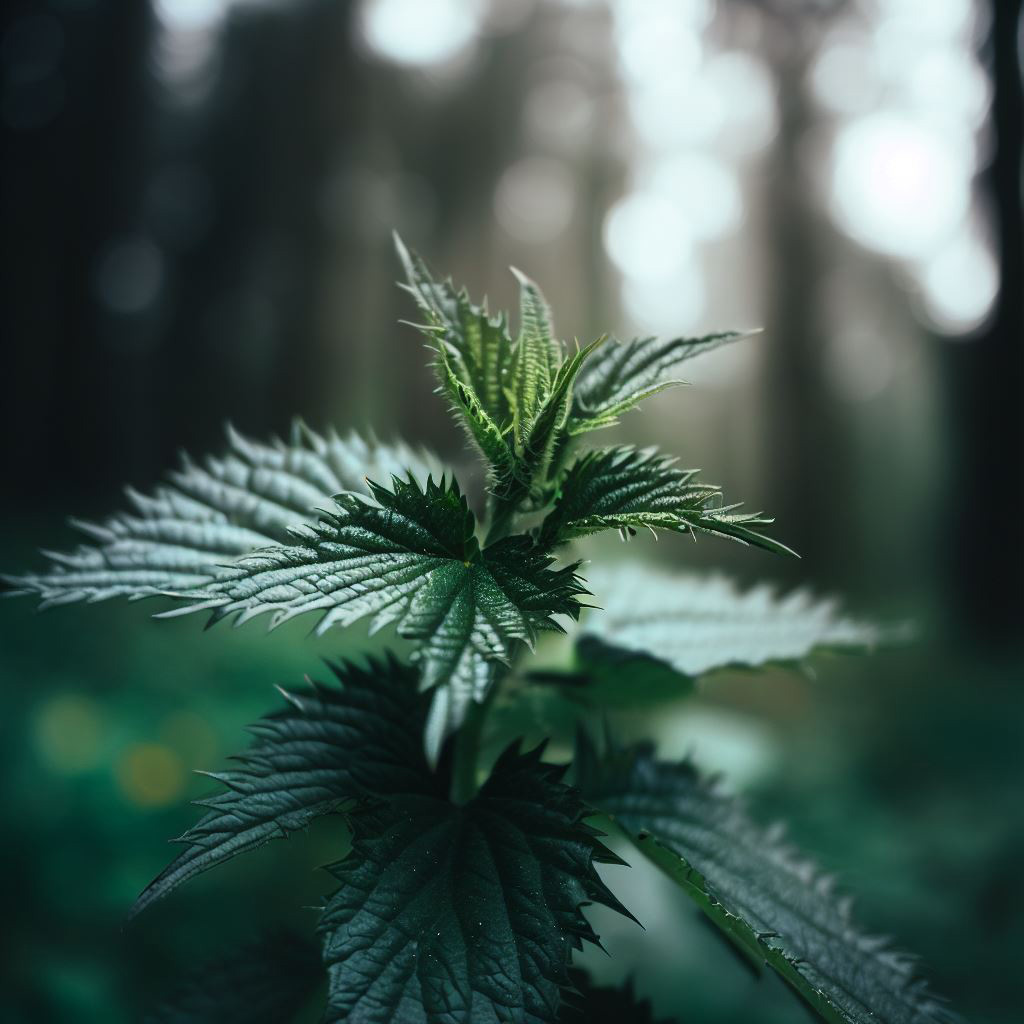
  • Nettle: This nutrient-rich herb can be foraged in the autumn months and adds a delicate, slightly grassy flavor to broths. Nettle is packed with vitamins and minerals, making it an excellent addition for overall health and vitality.

Method for Creating Autumn Broths

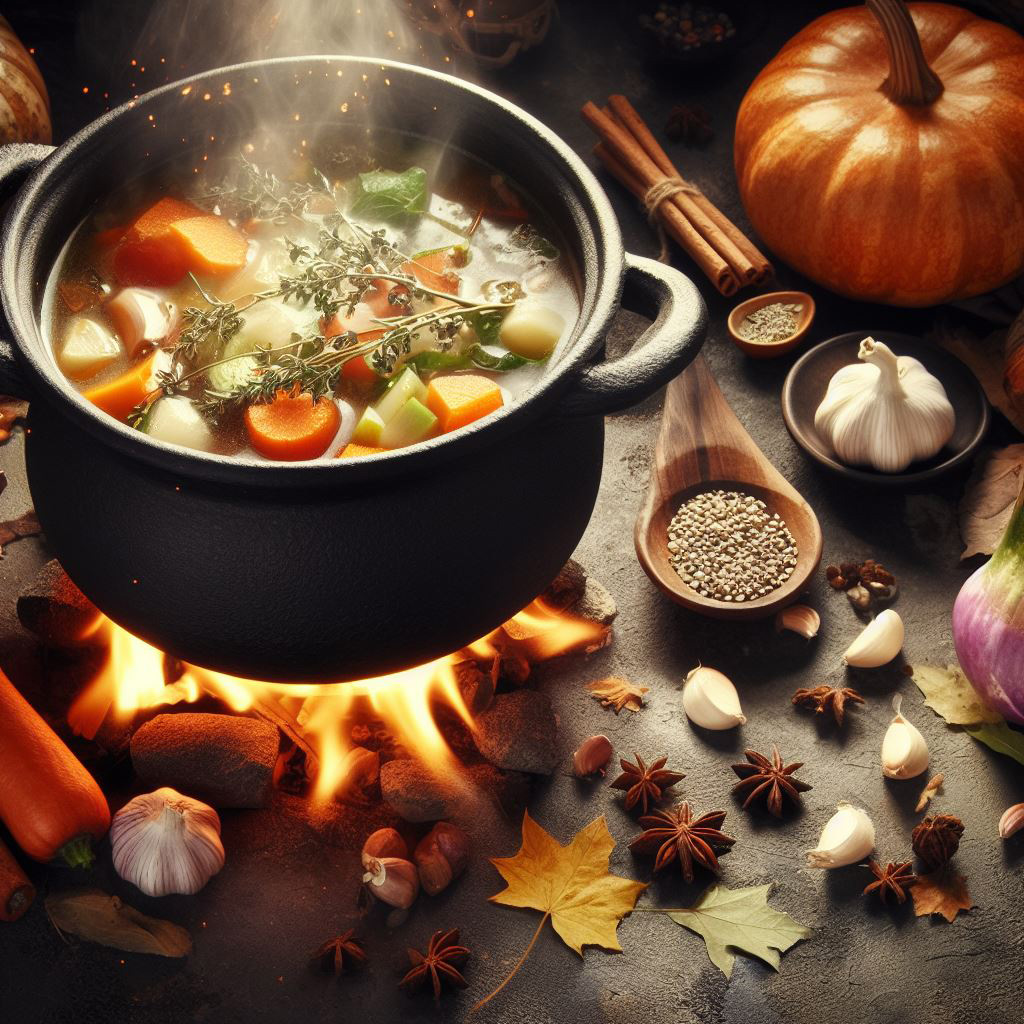
Autumn Broth

Crafting autumn broths is a simple and rewarding process that allows you to infuse the essence of nature’s harvest. Here’s a basic method to get you started:

  • Assorted autumn vegetables (such as carrots, onions, celery, and mushrooms)
  • Fresh or dried herbs from autumn foraging (thyme, rosemary, sage, nettle, etc.)
  • Garlic cloves
  • Bay leaves
  • Filtered water
  • Salt and pepper to taste
  1. Prepare the vegetables by washing and roughly chopping them into manageable pieces. Leave the skin on for added flavor and nutrients.
  2. In a large stockpot, combine the vegetables, fresh or dried herbs, garlic cloves, and bay leaves.
  3. Add enough filtered water to cover the ingredients and bring the mixture to a boil over medium-high heat.
  4. Once boiling, reduce the heat to low and simmer the broth for at least one hour, allowing the flavors to meld together.
  5. Throughout the simmering process, periodically skim off any foam or impurities that rise to the surface.
  6. After the desired simmering time, remove the pot from heat and let the broth cool slightly.
  7. Strain the broth using a fine mesh sieve or cheesecloth, discarding the solids.
  8. Season the broth with salt and pepper to taste, ensuring the flavors are well-balanced.
Fall

Enhancing Autumn Broths with Foraged Ingredients

Take your autumn broths to the next level by incorporating additional foraged ingredients. Consider the following suggestions:

Mushrooms: Forage wild mushrooms, such as chanterelles or porcini, to infuse your broths with an earthy and umami-rich flavor.

Wild Greens: Look for wild greens like dandelion leaves or chicory, which add a touch of bitterness and a wealth of nutrients to your broths.

Edible Flowers: Edible flowers such as calendula or nasturtium not only add visual appeal but also lend delicate flavors and antioxidant properties to your broths.

Roots and Tubers: Forage roots like burdock or wild carrots to introduce unique flavors and additional health benefits to your broths.

Utilizing Autumn Broths in Nourishing Meals

Autumn broths provide a versatile foundation for a wide range of nourishing meals. Here are a few ideas to inspire your culinary creations:

Hearty Vegetable Soup: Use your autumn broth as a base for a hearty vegetable soup by adding an array of seasonal vegetables, legumes, and grains. The flavors of the broth will infuse the ingredients, creating a comforting and nutritious meal.

Mushroom Risotto: Replace the water or stock in your risotto recipe with autumn mushroom broth for an intensely flavorful and aromatic dish. Add sautéed wild mushrooms for an extra burst of earthiness.

Herbal Grain Bowls: Cook grains like quinoa, barley, or farro in your autumn broth and serve them as a base for nourishing grain bowls. Top with roasted seasonal vegetables, fresh herbs, and a drizzle of olive oil for a wholesome and satisfying meal.

Sipping Broths: Enjoy a warm and soothing cup of broth on its own as a comforting beverage or as a light and nutrient-rich snack. Sipping broths can be sipped throughout the day for a boost of hydration and nourishment.

Conclusion

Autumn broths infused with the flavors of foraged herbs, plants, and flowers provide a nourishing and therapeutic way to embrace the bounties of the season. By incorporating ingredients such as thyme, rosemary, sage, and nettle, we infuse our broths with aromatic richness and a myriad of health benefits. Whether enjoyed as a standalone beverage or incorporated into hearty soups and grain bowls, these homemade broths offer warmth, comfort, and a taste of nature’s bounty. So, venture into the autumnal bounty, forage for aromatic herbs and ingredients, and let your creativity shine as you create flavorful and nourishing broths. Embrace the seasonal delights, savor the comforting aromas, and relish in the nourishment these autumn broths provide. Let each sip or spoonful bring you closer to the essence of nature’s harvest and the wellness it bestows. Enjoy the warmth, nourishment, and healing that autumn broths bring to your table, and let them be a reminder of the abundance and beauty of the season. Cheers to a season filled with flavorful and nourishing homemade broths that nurture both body and soul!

Posted on Leave a comment

Halloween and Samhain

Halloween and Samhain

Introduction

Unveiling the Ancient Origins and Modern Traditions

Halloween, a holiday celebrated annually on October 31st, has gained widespread popularity as a day of spooky festivities, costumes, and treats. However, few are aware of the ancient Celtic festival known as Samhain, which forms the foundation of Halloween as we know it today. In this article, we will explore the rich history and origins of Halloween, its connection to Samhain, the evolution of modern Halloween traditions, and safety considerations to ensure a memorable yet safe celebration.

What is Halloween?

Halloween, known as All Hallows’ Eve, is a widely celebrated annual holiday that takes place on the evening of October 31st, preceding All Saints’ Day on November 1st. Originating from Christian traditions, Halloween has transformed into a vibrant and joyous occasion celebrated in numerous countries, particularly within Western cultures. Today, Halloween is synonymous with a plethora of festive customs, including costumes, jack-o’-lanterns, haunted houses, and the beloved tradition of trick-or-treating.

At its core, Halloween serves as a precursor to All Saints’ Day, which is a significant feast day in the Christian calendar commemorating the saints and martyrs. All Hallows’ Eve is observed as a time to prepare for this solemn occasion, but over time, it has also developed its own distinct character.

One of the most prominent features of Halloween is the opportunity for people of all ages to engage in playful self-expression through imaginative costumes. From witches and ghosts to superheroes and fictional characters, Halloween grants individuals the freedom to temporarily transform themselves into whoever they desire, blurring the lines between reality and fantasy.

Another iconic element of Halloween is the use of jack-o’-lanterns. Derived from an Irish folklore tale of Stingy Jack, these carved pumpkins with flickering candles inside serve as whimsical and eerie decorations. They are often crafted with expressive faces and placed on porches, doorsteps, and windowsills to symbolize the spirits of the departed and ward off malevolent entities.

Haunted houses, whether professionally organized or creatively decorated by enthusiasts, have become a cherished part of the Halloween experience. These temporary attractions immerse visitors in a world of fright and anticipation, offering an adrenaline rush through chilling encounters, eerie sounds, and spine-tingling surprises. Haunted houses capture the thrill and excitement associated with the supernatural and macabre, further enhancing the Halloween spirit.

Perhaps the most eagerly anticipated aspect of Halloween, especially for children, is the age-old tradition of trick-or-treating. Dressed in their imaginative costumes, young ones embark on an adventure from door to door, exclaiming “trick or treat!” in exchange for sweets and treats. This custom harkens back to the ancient Celtic belief that offering food to roaming spirits would protect homes from mischief and misfortune during the transition into winter.

Halloween has transcended its religious origins to become a universally celebrated occasion, filled with enchantment, creativity, and community spirit. The amalgamation of customs such as costumes, jack-o’-lanterns, haunted houses, and trick-or-treating has solidified Halloween’s place as a cherished holiday where individuals of all ages can indulge in the magic of imagination and embrace the thrill of the unknown.

History and Origin

To truly understand the origins of Halloween, we must delve into the ancient Celtic festival of Samhain. Celebrated by the Celts in Ireland, Scotland, and the Isle of Man, Samhain was a significant event that marked the end of the harvest season and the beginning of winter. It was a time when the agricultural community prepared for the long, dark months ahead.

In Celtic belief, Samhain held a profound spiritual significance. It was believed that during this transitional period, the boundary between the realms of the living and the dead became blurred, allowing spirits, fairies, and other supernatural beings to freely roam the earthly plane. The Celts viewed this interaction between the living and spirit realms as an opportunity to communicate with their ancestors and seek guidance for the future.

During Samhain, the Celts engaged in various rituals and practices to honor and appease these spirits. They lit immense bonfires, symbolizing the cleansing power of fire and the protective barrier it provided against malevolent entities. People would gather around these bonfires, offering sacrifices of crops and livestock to honor the spirits and seek their favor.

Costumes played a significant role during Samhain. The Celts would dress in animal skins and don eerie masks to mimic the spirits they believed were wandering among them. This practice aimed to confuse and ward off any harmful entities that may be lurking, while also serving as a form of sympathetic magic to ensure a bountiful harvest in the following year.

Divination and fortune-telling were also an integral part of Samhain. The Celts believed that on this night, the veil between the present and the future was thinnest, allowing them to gain insights into their destiny. Various methods of divination, such as apple bobbing or scrying into mirrors, were used to seek glimpses of what lay ahead.

With the spread of Christianity, Samhain gradually assimilated into Christian traditions. In the 8th century, Pope Gregory III designated November 1st as All Saints’ Day, or All Hallows’ Day, to honor saints and martyrs. The evening prior, Samhain became known as All Hallows’ Eve, later evolving into Halloween.

As the centuries passed, Halloween absorbed influences from various cultures and regions. The influx of Irish and Scottish immigrants to the United States during the 19th century brought with them their cherished Samhain traditions. Over time, these customs merged with other Halloween practices, resulting in the unique blend of festivities we celebrate today.

Halloween finds its roots in the ancient Celtic festival of Samhain, a time when the Celts recognized the end of the harvest season and believed that the boundaries between the living and spirit worlds became permeable. The rituals, bonfires, costumes, and divination practices of Samhain have evolved and intertwined with Christian traditions, shaping the modern Halloween we celebrate with joy and enthusiasm.

Connection to Samhain

The connection between Halloween and Samhain is deeply rooted in the ancient Celtic festival’s beliefs, practices, and customs. Samhain, derived from the Gaelic term meaning “summer’s end,” held immense significance for the Celts and serves as the foundation for many Halloween traditions observed today.

Central to both Samhain and Halloween is the concept of the spirit world intersecting with the realm of the living. The Celts believed that on the night of October 31st, as the season shifted from autumn to winter, the veil between these worlds grew thin, allowing the spirits of the dead to return to Earth. This belief formed the basis for the Halloween custom of spirits and supernatural beings wandering among the living.

To honor and appease these returning spirits, the Celts engaged in various practices during Samhain. One such practice was the lighting of bonfires. These grand fires served multiple purposes. Firstly, they provided warmth and protection against the encroaching winter darkness. Secondly, the bonfires were believed to have a cleansing effect, purging the land of evil spirits and negative energies. These bonfires were ancestors to the jack-o’-lanterns we see today, as carved pumpkins with candles inside were used to ward off malevolent entities during Samhain.

Costuming played a crucial role in both Samhain and Halloween. The Celts would dress in costumes made from animal skins, often wearing masks and disguises. These outfits served multiple purposes. Firstly, they helped the Celts to blend in with the wandering spirits, ensuring they were not targeted or harmed. Secondly, the costumes were intended to confuse and deceive any malevolent spirits, preventing them from recognizing or causing harm to individuals.

Offerings of food and drink were a central part of Samhain’s practices. The Celts believed that by providing sustenance to the spirits of the dead, they could honor their ancestors and seek their blessings for the coming year. This tradition finds resonance in the modern Halloween practice of trick-or-treating, where children go from door to door, asking for treats and sweets, symbolizing the ancient act of providing offerings to wandering spirits.

Divination rituals were another significant component of both Samhain and Halloween. The Celts believed that the thinning of the veil between worlds granted them insight into the future and the ability to communicate with the spirit realm. They would engage in various forms of divination, such as apple bobbing, mirror scrying, or reading omens from the natural world, to gain glimpses of what lay ahead. Though modern Halloween has shifted away from divination practices, the idea of seeking glimpses into the mysterious and unknown remains a core theme.

The connection between Halloween and Samhain lies in their shared beliefs and customs surrounding the interaction between the living and spirit realms. The practices of lighting bonfires, wearing costumes, making offerings, and engaging in divination rituals during Samhain have been woven into the fabric of Halloween celebrations, ensuring that the ancient Celtic festival’s spirit continues to thrive in the modern world.

Evolution of Halloween Traditions

Throughout its history, Halloween has undergone a remarkable evolution, assimilating diverse cultural influences to become the holiday we celebrate today. With the merging of Celtic traditions and Christian practices, Halloween gradually transformed into a distinct occasion filled with unique customs and festivities.

The influence of Christianity on the Celtic festival of Samhain was a pivotal point in the evolution of Halloween. In the 8th century, Pope Gregory III declared November 1st as All Saints’ Day, or All Hallows’ Day, to honor saints and martyrs. The evening preceding this holy day became known as All Hallows’ Eve, eventually abbreviated to Halloween. This fusion of Samhain and Christian traditions laid the foundation for the holiday’s continued development.

As Halloween spread across different regions, it absorbed the customs and traditions of various cultures. In the United States, Irish and Scottish immigrants played a significant role in shaping Halloween as we know it today. These immigrants brought with them their cherished Samhain practices, which blended seamlessly with existing Halloween customs.

One of the most enduring elements of Halloween is the tradition of dressing up in costumes. The practice of wearing costumes during Samhain, where the Celts disguised themselves as spirits to ward off malevolent entities, found resonance among the Irish and Scottish immigrants. Over time, this tradition expanded to include a wide range of characters, from classic monsters to superheroes, allowing individuals to express their creativity and embrace the festive spirit of the holiday.

Another prominent tradition that emerged from the fusion of cultures is trick-or-treating. This custom can be traced back to the ancient Celtic practice of leaving offerings of food and drink for roaming spirits during Samhain. As Halloween developed in America, it transformed into a door-to-door activity where children would go from house to house, dressed in costumes, and request treats. This practice evolved into the modern tradition of trick-or-treating, where children eagerly collect candies and other goodies from their neighbors.

Over the years, Halloween has also been influenced by various cultural aspects. Immigrants from different backgrounds brought their unique customs and traditions, adding richness and diversity to the holiday. For example, the Mexican celebration of Día de los Muertos (Day of the Dead) infused Halloween with colorful imagery, honoring deceased loved ones and celebrating their lives.

Halloween has embraced pop culture as well. With the rise of movies, television shows, and literature focused on horror and the supernatural, Halloween became an opportunity for fans to pay homage to their favorite characters and themes. This led to the emergence of costume parties, haunted attractions, and themed events that further enhanced the festive atmosphere surrounding the holiday.

Halloween has evolved over time through a fascinating amalgamation of Celtic, Christian, and cultural influences. The merging of Samhain with Christian traditions, the impact of Irish and Scottish immigrants, and the incorporation of various customs have all contributed to the rich tapestry of Halloween. The evolution of Halloween traditions, including costumes, trick-or-treating, and cultural influences, has shaped the holiday into a vibrant and celebrated occasion enjoyed by people around the world.

Modern Halloween Traditions

As Halloween has evolved over the centuries, it has grown into a cherished holiday filled with an array of modern traditions. While still rooted in the ancient Celtic festival of Samhain and influenced by Christian practices, Halloween has embraced new customs and experiences that reflect the spirit of the present age. From creative costumes and elaborate decorations to festive parties and community events, the modern traditions of Halloween have transformed the holiday into a time of imagination, excitement, and shared celebration. Let’s delve into the vibrant tapestry of contemporary Halloween traditions and explore how they have shaped the way we celebrate this beloved holiday today. Halloween is celebrated in diverse ways. Common traditions include:

Costumes and Dressing Up: People of all ages don costumes ranging from spooky creatures to pop culture icons. Costume parties and contests are held, providing an opportunity for creative expression.

Jack-o’-Lanterns: Carving pumpkins into ghoulish faces and placing candles inside them has become a quintessential Halloween tradition. It is said to originate from an Irish myth about a man named Stingy Jack, who was doomed to wander the Earth with only a hollowed-out turnip as a lantern.

Trick-or-Treating: Children dressed in costumes visit houses in their neighborhoods, knocking on doors and saying “Trick or treat!” in exchange for candy or other treats. This tradition symbolizes the ancient practice of offering food to wandering spirits.

Haunted Houses and Parties: Many people enjoy visiting haunted houses, which are temporary attractions designed to provide scary experiences. Costume parties, themed events, and community gatherings are also common during Halloween.

Safety Considerations

While Halloween is a time of fun and excitement, safety should be a top priority. Here are some important considerations:

Costume Safety: Choose costumes that are flame-resistant, have good visibility, and do not obstruct movement. Use face paint or makeup instead of masks, which can hinder vision.

Trick-or-Treating Safety: Accompany young children while trick-or-treating and stick to well-lit areas. Inspect all treats before consumption and avoid homemade treats from unfamiliar sources.

Fire Safety: Be cautious with candles used in jack-o’-lanterns and decorations, keeping them away from flammable materials. Consider using battery-operated candles instead.

Road Safety: Stay visible by adding reflective tape to costumes and carrying flashlights. Observe traffic rules, use sidewalks when available, and always look both ways before crossing the street.

Conclusion

The intertwining of Halloween and Samhain showcases the enduring power of traditions and the ability of cultures to evolve and adapt over time. From its ancient Celtic roots to the modern-day festivities, Halloween has captured the imagination and hearts of people worldwide. The connection to Samhain reminds us of the deep-seated human fascination with the unknown, the supernatural, and our desire to honor and remember our ancestors. As we revel in the excitement of costumes, jack-o’-lanterns, trick-or-treating, and community gatherings, let us appreciate the rich tapestry of history that has shaped this extraordinary holiday. Whether we celebrate Halloween for its festive spirit or connect with the profound spiritual origins of Samhain, the essence of this holiday lies in embracing the magic of imagination, honoring the past, and coming together as a community to share in the joy and wonder of the Halloween season.

Posted on Leave a comment

Samhain in Brief

Samhain Intro
Samhain Intro

Introduction

Samhain: Embracing the Veil Between Worlds

Samhain, the Gaelic festival that marks the end of the harvest season and the beginning of winter, stands as a beacon of tradition and reverence in the modern Pagan Wheel of the Year. Celebrated on the night of October 31st in the Northern Hemisphere and on May 1st in the Southern Hemisphere, it holds a special place in the hearts of Pagans around the world. This article delves into the origins, history, and contemporary celebrations of this sacred Sabbat.

Origins and History

Samhain’s roots reach deep into the fertile soil of ancient Celtic mythology. Its name is derived from the Old Irish language, with “Samhain” meaning “summer’s end.” This pivotal festival not only signaled the conclusion of the harvest season but also heralded the advent of winter. During this time, livestock were brought in from the fields, and preparations were made for the colder months.

The Celts, in their profound connection with the natural world, believed that on the night of Samhain, the boundary between the realms of the living and the dead was at its thinnest. Spirits of departed loved ones and ancestors were thought to return to the world of the living. In response to the belief that malevolent entities might also cross over, bonfires were ignited to ward off such spirits. People donned costumes and masks, a tradition that endures in modern Halloween celebrations. Samhain also served as a time for giving thanks to the gods and goddesses of the harvest and recognizing the resting period that the spirits of nature were entering.

Celebrations and Traditions

Modern Pagans celebrate Samhain with a blend of ancient practices and personal interpretations. This sacred time is marked by reflection, remembrance, and rituals to honor the departed. Here are some of the most common customs associated with Samhain:

Honoring Ancestors: Samhain is viewed as a time when the veil separating the living and the deceased is at its thinnest, facilitating communication with ancestors and loved ones who have passed away. Many Pagans create altars or shrines adorned with offerings of food, drink, or mementos to pay homage to their ancestors.

Divination: Samhain is considered an auspicious time for divination and fortune-telling. Tarot cards, runes, scrying mirrors, and other divinatory tools are employed to gain insights into the coming year.

Bonfires: In the spirit of the ancient Celtic tradition, bonfires are often lit to honor the changing of the seasons. These flames symbolize both the warmth and protection needed as the nights grow longer.

Samhain Bonfire

Feasts: Samhain is a time to celebrate the bountiful harvest season. Many Pagans host feasts or potluck dinners, sharing food and drink with friends and family in gratitude for the year’s abundance.

Rituals and Ceremonies: Elaborate rituals are commonly performed to honor the turning of the seasons and to connect with the spirits of nature. Chants, drumming, dancing, and meditations are integrated into these ceremonies.

In Conclusion Samhain, with its ancient origins and contemporary relevance, is a powerful and meaningful holiday for Pagans and Wiccans worldwide. It is a time of celebration and reflection, a season to connect with the mysteries of the universe. As the veil between worlds thins, it offers an opportunity to honor the harvest, ancestors, and the cyclical nature of existence. Samhain stands as a testament to the enduring traditions that celebrate the intricate tapestry of life, death, and rebirth. Whether through solemn rituals, divination practices, or joyful feasting, Samhain invites us to embrace the profound mysteries that dwell in the liminal spaces between the living and the departed.

Posted on Leave a comment

Mea’n Fo’mhair: The Celtic Celebration of Autumn Equinox

Mea'n Fo'mhair
Mea'n Fo'mhair

Introduction

Mea’n Fo’mhair

Mea’n Fo’mhair The Celtic Celebration of Autumn Equinox As the wheel of the year turns once more, we arrive at a moment of perfect balance between light and dark. The day and night are equal in length, marking the transition from summer to autumn. This is Mea’n Fo’mhair, pronounced “mayn fo-vahr,” a traditional Celtic festival that celebrates the Autumn Equinox. Also known as the “Middle of Harvest” or “Mabon” in modern Pagan and Wiccan traditions, Mea’n Fo’mhair has deep roots in Celtic history and culture.

Mea’n Fo’mhair is a time to honor the bounty of nature, to express gratitude for the fruits of our labor, and to share our abundance with others. It is also a time to reflect on our lives, to seek balance within ourselves and in our relationships, and to honor the wisdom of our ancestors. In this article, we will explore what Mea’n Fo’mhair is, its historical origins, its celebration in the past, and how it continues to be observed in the present. We will also discover how Mea’n Fo’mhair can help us find harmony and equilibrium in our lives, as we align ourselves with the natural rhythms of the Earth.

What is Mea’n Fo’mhair?

Mea’n Fo’mhair is a Gaelic term that translates to “middle of autumn.” It signifies the moment of balance when day and night are of equal length, marking the official start of autumn in the Celtic calendar. This festival is an occasion to give thanks for the year’s bountiful harvest, express gratitude for nature’s abundance, and prepare for the approaching winter months.

In the enchanting dance of celestial bodies, Mea’n Fo’mhair marks a precise moment when the Earth finds itself in perfect equilibrium. It is that exquisite juncture when the sun graces the world with precisely as much light as darkness, a moment that holds profound symbolism. As daylight and nightfall share the stage, it is a reminder of the delicate equilibrium that governs our existence, where opposites find unity and harmony.

In the ancient Celtic calendar, Mea’n Fo’mhair is the official inception of autumn, a season of transformation and transition. It stands as a testament to the deeply rooted connection between the Celtic people and the rhythms of nature. A moment of transition and reflection, this festival invites us to step into the embrace of autumn’s embrace and let go of the warmth of summer’s embrace.

At its core, Mea’n Fo’mhair is a festival of gratitude. It beckons us to give thanks for the year’s bountiful harvest, a time when the land generously yields its fruits, and the toils of the year’s labor bear fruit. The grains of wheat and barley bow in the fields, offering themselves to the reapers’ hands. Apples hang low on the branches, the embodiment of nature’s sweet gifts. Root vegetables, plucked from the dark earth, symbolize sustenance and abundance. It is a time when communities come together, recognizing the interdependence between humanity and the land that sustains us.

But Mea’n Fo’mhair is not merely about celebrating the abundance of the present; it is also a moment of thoughtful preparation for the future. As the sun’s warmth wanes and the days grow shorter, winter’s specter looms on the horizon. The festival encourages us to store away the riches of summer and the harvest, to prepare for the colder months when the earth rests beneath a blanket of snow.

Mea’n Fo’mhair is a celebration of balance, of gratitude, and of the ever-turning wheel of the seasons. As we stand at the cusp of autumn’s embrace, this Gaelic festival invites us to pause and savor the moment, to express our thanks for nature’s bounty, and to prepare our hearts and homes for the wintry slumber that awaits.

Historical Origins of Mea’n Fo’mhair

The origins of Mea’n Fo’mhair take us on a captivating journey back in time, deep into the annals of Celtic history and culture. In the heartlands of Ireland, Scotland, Wales, and across the expanse of the British Isles, the ancient Celtic peoples thrived, their lives intricately woven into the fabric of the natural world. These communities held a profound reverence for the changing seasons, forging a spiritual bond with the Earth that resonates through the ages.

Mea’n Fo’mhair, a festival that now dances at the edge of autumn, was born from this connection to nature. It served as a sacred bridge between the Celtic tribes and the land they called home, a time when the veil between humanity and the Earth was at its thinnest.

At the heart of this venerable festival lay the cycles of agriculture. The Celtic people were not just observers of the land; they were its stewards, working in harmony with its rhythms. Mea’n Fo’mhair, which translates to “middle of autumn,” was the pivotal moment when these communities would gather to reap the rewards of their toil.

The fields, once awash in the vibrant hues of summer, took on a golden hue as grains like wheat and barley bowed low to the reapers’ scythes. The orchards, heavy with the weight of apples and pears, were ready for the harvest. Root vegetables, diligently nurtured throughout the year, were plucked from the earth’s embrace. This was a time when the land yielded its treasures, a moment of abundance and plenty.

Yet, Mea’n Fo’mhair was not solely a celebration of the land’s generosity. It held a dual significance that spoke to the very essence of the Celtic way of life. As the festival marked the culmination of the agricultural year, it was also a harbinger of the months ahead. The Celtic people knew well the challenges of the approaching winter, when the earth would rest beneath a blanket of snow, and the bounty of summer would be a distant memory.

Thus, Mea’n Fo’mhair was a time of dual purpose. It was a joyous celebration of the earth’s abundance, a moment to revel in the fruits of the year’s labor, to share in the communal feast, and to express gratitude for the land’s generosity. Simultaneously, it was a period of thoughtful preparation, as the community came together to ensure that the stored harvest would sustain them through the darker, colder months. Crops were carefully stored, preserving their vitality for the leaner times ahead.

Mea’n Fo’mhair reflected the Celtic way of life—a harmonious dance with nature’s rhythms, a celebration of the land’s generosity, and a pragmatic preparation for the future. The festival’s ancient roots continue to echo in the contemporary celebrations of the Autumn Equinox, as it invites us all to pause and honor the enduring relationship between humanity and the natural world.

Traditional Celebrations of Mea’n Fo’mhair

In ancient Celtic society, Mea’n Fo’mhair was a time of communal celebration and rituals. Some of the traditional practices and customs associated with the festival included:

  • Harvest Feasts: Communities would come together to share the fruits of their labor. A grand feast featuring freshly harvested foods was the centerpiece of the celebration. Roasted grains, root vegetables, and seasonal fruits were prominently featured on the menu.
  • Bonfires: Large bonfires were lit to symbolize the waning power of the sun and to provide light and warmth as the days grew shorter and colder. These fires were often lit on hilltops and served as beacons of celebration.
  • Offerings to Deities: The Celts believed in various nature and harvest deities. Offerings of grains, fruits, and other agricultural products were made to these deities as a sign of gratitude for a successful harvest season.
  • Mumming and Masked Celebrations: People would don masks and costumes, a tradition that may have laid the groundwork for modern Halloween festivities. These masked celebrations were believed to ward off malevolent spirits and ensure a bountiful harvest.

Mea’n Fo’mhair in the Present

Today, Mea’n Fo’mhair is still celebrated, albeit in different forms. Modern Pagans, Wiccans, and individuals interested in nature-based spirituality often observe Mea’n Fo’mhair as part of their rituals and festivals. Some common modern practices and celebrations include:

  • Altar Decorations: Many create altars adorned with symbols of the season, such as colorful leaves, gourds, and apples. These altars serve as focal points for reflection, meditation, and offerings.
  • Harvest Feasts: Contemporary celebrations often involve preparing and sharing seasonal meals with friends and family. It is a time to connect with loved ones and give thanks for the abundance of the year.
  • Rituals and Ceremonies: Rituals may vary but often include elements of gratitude, balance, and reflection. Lighting candles, meditation, and nature walks are common components of these modern rituals.
  • Charitable Acts: Some choose to engage in acts of charity, such as donating food to those in need or participating in environmental cleanup efforts, to give back to the community and honor the spirit of Mea’n Fo’mhair.

Conclusion

Mea’n Fo’mhair is a traditional Celtic celebration of the Autumn Equinox with deep historical roots. While the ways in which it is celebrated have evolved over time, the core themes of gratitude for the harvest and preparation for the coming winter remain central to its observance. Whether through ancient customs or modern practices, Mea’n Fo’mhair continues to be a meaningful time to connect with nature and the changing seasons.

Posted on Leave a comment

Autumn Equinox: How Modern Practitioners Honor Nature, Balance, and Abundance with Mabon

Mabon Observations
Mabon Observations

Introduction

Embracing Mabon, the Autumn Equinox

In the heart of this mystical season, Mabon beckons us to connect with the ever-changing tapestry of the natural world. It is a call to embrace the shifting seasons, to feel the heartbeat of the Earth as it transitions from the fecundity of summer to the introspective embrace of autumn’s cool embrace. It is a reminder that, like the cycles of the moon, our lives too are woven into the fabric of these eternal rhythms.

In this article, we will explore how modern Pagans and Wiccans have adapted and expanded upon the historical traditions of Mabon, creating a vibrant and diverse array of contemporary practices and rituals. We will also discover how Mabon can help us find harmony and equilibrium in our lives, as we align ourselves with the natural rhythms of the Earth.

Mabon

As the wheel of the year turns and the sun’s journey across the sky begins to wane, the world transforms into a realm of enchanting beauty, heralding the arrival of the Autumn Equinox. In this ephemeral season, where the days grow shorter and the air becomes crisper, nature paints a tapestry of vibrant hues upon the landscape, a symphony of reds, oranges, and golds that dances in the gentle breeze. This breathtaking spectacle serves as a profound harbinger, signaling the transition from the warmth of summer to the contemplative embrace of autumn. It is during this time that many Pagans and Wiccans joyfully gather to celebrate Mabon, a sacred and time-honored tradition rooted deep in the annals of human history.

Mabon, a name that resonates with ancient echoes, is a celebration that pays homage to the wisdom of the past while embracing the evolving tapestry of the present. This sacred time embodies the essence of gratitude, a poignant moment when hearts and spirits unite in thankfulness for the abundant blessings bestowed upon us throughout the year. As the autumnal equinox approaches, it marks a moment of perfect equilibrium, where the radiant light of day balances in harmonious counterpoint with the gentle cloak of night. This balance between light and dark, an intricate dance that plays out in both the cosmos and the deepest corners of our souls, is a central theme of Mabon.

The Equinox and Mabon: A Cosmic Dance

The Autumn Equinox, a celestial spectacle that typically graces the Northern Hemisphere between September 21st and 23rd, stands as a celestial marvel that captures the essence of equilibrium. During this momentous event, night and day harmoniously share the stage, each basking in its allotted time upon the Earth’s grand theater. This celestial pause, where the eternal cosmic dance momentarily stills, mirrors a profound equilibrium—a balance between light and darkness that extends far beyond the realms of our planet. It’s a balance not only witnessed in the heavens but also an embodiment of the inner equilibrium sought by countless spiritual seekers.

Mabon, a name that resonates with the echoes of Welsh folklore, adds a layer of myth and wonder to the equinox. Bearing the name of the Welsh god of the harvest, Mabon’s association with this sacred time paints a vivid picture of abundance and gratitude. As the steward of the harvest, Mabon’s very essence is intertwined with the themes of fertility and plenty. According to myth, he draws his life force from the Earth Mother, Modron, an intimate bond that designates Mabon as a symbol of rebirth and the cyclical nature of existence.

Mabon’s birth from the Earth Mother, Modron, is itself a testament to the eternal rhythm of life’s renewal. Just as the seeds that are sown in the fertile soil of spring flourish into the bountiful harvests of autumn, so does Mabon’s emergence embody the idea of rebirth. He symbolizes the cyclical nature of life, where endings are but preludes to new beginnings. This interconnectedness between the god of the harvest and the seasonal transitions reinforces the idea that Mabon is more than a deity; he is a living embodiment of the eternal dance of nature. In celebrating Mabon, we not only honor the turning of the seasons but also acknowledge our place within this ever-flowing river of life and the profound lessons it imparts.

Modern Mabon Celebrations

While Mabon’s roots are firmly planted in history, modern Pagans and Wiccans have undertaken a remarkable journey of adaptation and expansion upon these ancient traditions, resulting in the creation of a vibrant and diverse tapestry of contemporary celebrations. In this evolving landscape of spirituality and reverence for the natural world, Mabon has not only survived the passage of time but has thrived, evolving into a celebration that resonates with the complexities of our modern lives while retaining its profound connection to the ancient rhythms of the Earth.

Modern Mabon celebrations are a testament to the resilience and adaptability of these spiritual traditions. They represent a harmonious blend of the old and the new, weaving threads of ancient wisdom into the fabric of our contemporary existence. At their core, these celebrations remain anchored in the fundamental themes of gratitude, balance, and connection to nature that have defined Mabon for generations.

One of the most notable aspects of modern Mabon celebrations is their inclusivity. In a world that increasingly values diversity and unity, Mabon has opened its arms to individuals from all walks of life. Modern Pagans and Wiccans have embraced the opportunity to welcome diverse perspectives and belief systems, enriching the tapestry of Mabon celebrations with a wide range of practices and rituals. This inclusivity has allowed Mabon to transcend cultural and geographic boundaries, creating a global community of like-minded individuals who gather to honor the changing of the seasons.

Technology has also played a role in modern Mabon celebrations. The advent of the internet and social media has allowed practitioners to connect with one another on a scale previously unimaginable. Online forums, virtual gatherings, and digital resources have made it easier than ever for people to share their Mabon experiences, exchange ideas, and learn from one another. This digital interconnectedness has strengthened the sense of community among modern Pagans and Wiccans, fostering a sense of unity that extends far beyond physical boundaries.

Innovative approaches to ritual and symbolism have also emerged in modern Mabon celebrations. While traditional practices, such as offering libations to the land, remain integral, contemporary practitioners have introduced new elements that resonate with the challenges and aspirations of the present day. These may include eco-conscious practices, such as planting trees or participating in environmental cleanup efforts, as a way of honoring the Earth and demonstrating a commitment to its well-being.

Here are some key aspects of modern Mabon observances:

  • Gratitude for Abundance: One of the central themes of Mabon is expressing gratitude for the bounties of the year’s harvest. This often involves communal feasts where friends and family come together to share the abundance of the season. It’s a time to savor the flavors of freshly harvested foods, like apples, pumpkins, and grains.
  • Balance and Equilibrium: Mabon reminds practitioners of the delicate balance between light and dark, both in nature and in our lives. It’s a time for introspection, a moment to acknowledge the dualities within ourselves and in the world. This balance is often symbolized by the equal lengths of day and night during the equinox.
  • Harvest Rituals: Many Mabon rituals involve honoring the Earth’s bounty through offerings and ceremonies. Participants might create altars adorned with seasonal fruits, vegetables, and grains. These altars serve as focal points for meditation and offerings to deities associated with harvest and abundance.
  • Connecting with Nature: Mabon is an opportunity to immerse oneself in the natural world. Some Pagans and Wiccans choose to go on nature walks, collect fallen leaves, or perform rituals outdoors to strengthen their connection with the Earth.
  • Lighting Candles: As the nights grow longer, the lighting of candles becomes a significant ritual. Candles symbolize the inner light that can guide us through the approaching darkness of winter. The flickering flames also pay homage to the waning sun.
  • Meditation and Contemplation: Mabon is a time for introspection and meditation. Many practitioners take moments of stillness to reflect on the past year, set intentions for the coming season, and embrace personal transformation.

Conclusion

Mabon, the Autumn Equinox, is a profound moment in the Pagan and Wiccan calendar, a time to celebrate the harvest, find balance, and connect with the changing seasons. While rooted in ancient traditions, Mabon has evolved to incorporate a rich tapestry of modern practices. It’s a time for gratitude, reflection, and renewal—a reminder of the eternal dance of light and darkness that weaves through the cosmos and within our souls. Whether through communal feasts, meditative rituals, or simply by enjoying the beauty of nature, Mabon offers a chance to harmonize with the rhythms of the Earth and find magic in the turning of the seasons.

Posted on Leave a comment

Embracing the Druidic Traditions of the Autumn Equinox: Alban Elfed

Alban Elfed
Alban Elfed

Introduction

Druidic Traditions of the Autumn Equinox

In the spirit of Alban Elfed, Druids and their fellow celebrants engage in a tapestry of traditions and customs that bridge the ancient with the contemporary. These rituals embody the essence of gratitude, reflection, and reverence for the Earth and her bountiful gifts. They serve as a poignant reminder of our intrinsic connection to the natural world and the eternal dance of light and darkness that weaves through the cosmos and our own souls.

In this post, we shall embark on a journey to explore the captivating traditions and customs associated with Alban Elfed, delving into their rich symbolism and their enduring relevance in modern Druidry. We shall uncover the threads of wisdom that have been woven into this sacred celebration, revealing how it continues to inspire, guide, and transform the lives of those who heed its call. For Alban Elfed is more than a seasonal observance; it is an affirmation of our place within the tapestry of existence, an opportunity to draw closer to the heart of nature, and a reminder that the ancient wisdom of Druidry continues to illuminate our path in the present day.

Alban Elfed

In the intricate tapestry of Druidic traditions, the Autumn Equinox emerges as a cornerstone of profound significance, an annual milestone that carries with it the essence of the natural world’s transformation. Within the sacred circle of Druidry, this seasonal celebration is known as Alban Elfed, a name that resonates with the deep-rooted wisdom and symbolism of this ancient tradition. Translating to “Light of the Water” in Druidic Welsh, Alban Elfed stands as a testament to the delicate equilibrium that graces our world during this enchanting time.

As the days grow shorter, the air becomes crisp, and the leaves don their resplendent coats of crimson and gold, Druids and kindred spirits converge to honor the changing of the seasons. Alban Elfed, as celebrated by Druids, invites individuals to partake in a profound moment of communion with the Earth and her ever-turning wheel of seasons. It is a time when the boundaries between the mundane and the sacred blur, beckoning those who seek wisdom and spiritual insight to immerse themselves in the embrace of nature.

This celebration takes on an even deeper significance when we consider its name, “Light of the Water.” Within this evocative title lies a multifaceted symbolism. It is a recognition of the precious, life-giving nature of water, which sustains all living beings and courses through the veins of the Earth herself. Water, with its ability to reflect and refract light, serves as a metaphor for the interplay between light and dark, a theme central to the equinox. This celestial event is a moment when night and day stand in perfect balance, an exquisite choreography of cosmic forces mirrored in the natural world.

The Significance of Alban Elfed

Alban Elfed, known as the Autumn Equinox in common parlance, is an auspicious moment in the natural calendar that typically graces the Northern Hemisphere between September 21st and 23rd. As the Earth continues its celestial dance through the cosmos, this equinox marks the precise juncture when day and night, light and darkness, share equal dominion over our planet. It is as if the universe itself momentarily holds its breath, bestowing upon us a cosmic pause that speaks to the profound equilibrium sought by Druids and spiritual practitioners alike during this time.

This celestial phenomenon is a mirror reflecting the inner equilibrium that dwells deep within the hearts and spirits of those who follow the path of Druidry. It is a reminder of the timeless wisdom that harmony is found not only in the grand movements of the cosmos but also in the quiet chambers of our souls. Druids, in their quest for connection with nature and the divine, draw inspiration from this moment when the scales of light and dark achieve a delicate balance. It symbolizes the harmony sought within oneself, the equilibrium between the inner and outer worlds, and the quest for spiritual growth and insight.

At the core of Druidry lies a profound connection to the intricate cycles of nature. Alban Elfed stands as a pivotal point in this grand tapestry, signifying the transition from the vibrant, outward energy of summer to the contemplative, inward energy of winter. It is a time to honor and celebrate the harvest, offering heartfelt gratitude for the Earth’s abundance that sustains us throughout the year. As the fields yield their final bounties and the orchards bestow their fruits, Druids and kindred spirits join to recognize the interconnectedness of all life and the eternal dance of the seasons.

This season of reflection is not merely a pause between the vivacity of summer and the hush of winter; it is a preparation for the journey ahead. Druids, like the wise creatures of the forest, recognize the importance of readiness. Alban Elfed invites practitioners to prepare, both practical and spiritual, for the impending season. It encourages introspection, the storing of knowledge, and the nurturing of the inner flame of wisdom that will guide one through the cold, dark months that lie ahead.

Alban Elfed is a tapestry woven with threads of celestial significance and earthly wisdom. It calls upon Druids to embrace the equilibrium within and without, to celebrate the Earth’s generosity, and to ready themselves for the profound lessons and transformations that winter shall bring. It is a moment when the rhythms of the natural world converge with the depths of the human spirit, creating a timeless resonance that continues to inspire and guide those who walk the path of Druidry.

Traditions and Customs of Alban Elfed

Alban Elfed is a moment when Druids and those who share in this rich tradition come together to partake in an array of customs and rituals. These ancient practices are deeply imbued with profound themes of gratitude, balance, and a profound connection with the natural world. They serve as a bridge between the modern world and the timeless wisdom of the Druids’ ancestors, a testament to the enduring relevance of this sacred time.

  • Harvest Feasts: A central and cherished custom of Alban Elfed is the gathering of kindred spirits for communal feasts. It is a time when the bounty of the Earth is celebrated through the sharing of freshly harvested foods. Fruits, grains, and vegetables that have ripened under the nurturing sun are lovingly prepared and savored, symbolizing not only the physical sustenance provided by the land but also the spiritual nourishment that nature bestows upon us.
  • Offerings to the Land: Druids often engage in rituals of gratitude by making offerings to the land. These offerings can take various forms, from libations of water or mead poured upon the Earth to the placing of fruits and grains in the natural world. Each offering is a heartfelt gesture of thanksgiving to the Earth for her generosity throughout the year.
  • Balance and Equilibrium: As the equinox represents a perfect balance between light and dark, Druids use this time to reflect upon the delicate equilibrium in their own lives. Rituals and meditations may be conducted to seek inner balance and harmony, recognizing the need to embrace both the active and introspective aspects of their existence.
  • Communion with Nature: Alban Elfed is a season of deepening one’s connection with the natural world. Druids often engage in outdoor rituals, where they stand amidst the changing leaves, breathe in the crisp autumn air, and revel in the sights and sounds of the season. Nature walks, tree meditations, and ceremonies held in sacred groves all serve as powerful means to connect with the Earth’s rhythms.
  • Storytelling and Wisdom Sharing: The long evenings of autumn provide the perfect backdrop for storytelling and the sharing of wisdom. Druids gather around fires, whether literal or metaphorical, to recount tales of ancestral knowledge, myth, and the cycles of life. This oral tradition ensures that the wisdom of the Druids continues to be passed down through the generations.
  • Crafting and Creativity: Druids embrace their creative spirit during Alban Elfed. Whether it is through crafting ritual tools, making art inspired by the season, or composing poetry and music, this time encourages the expression of one’s inner creativity to honor the beauty and abundance of the Earth.
  • Environmental Stewardship: In a world increasingly aware of ecological challenges, some Druids use Alban Elfed as a time to engage in environmental stewardship. Activities may include tree planting, habitat restoration, or participating in eco-conscious initiatives as a means of giving back to the Earth and preserving its natural beauty.

The customs and rituals of Alban Elfed are a tapestry of reverence and celebration. They are a testament to the deep spiritual connection that Druids share with the natural world and a reminder that the wisdom of their tradition continues to thrive and inspire in the modern age. These customs not only honor the Earth’s abundance but also invite individuals to cultivate gratitude, seek inner balance, and strengthen their bonds with the ever-turning wheel of the seasons.

Modern Relevance

Alban Elfed, as celebrated in modern Druidry and embraced by the broader spiritual community, holds a timeless and enduring relevance that resonates profoundly in our contemporary world. In an age marked by the growing disconnect between humanity and the natural world, this sacred celebration stands as a luminous beacon, gently guiding us back to the rhythms of the Earth. Its significance extends beyond the borders of any single tradition, inviting all who seek wisdom, unity, and a sense of belonging to partake in its embrace.

In a world often entangled in the web of modernity, where the hustle and bustle of daily life can distract us from the profound beauty of nature’s cycles, Alban Elfed emerges as a poignant reminder. It calls upon us to slow down, to step away from the relentless march of time, and to harmonize with the Earth’s timeless rhythms. In doing so, it fosters a deep and abiding mindfulness, inviting us to become acutely aware of the subtle shifts in the natural world—the changing leaves, the crispness of the air, the golden glow of the harvest moon.

At its core, Alban Elfed encourages a profound sense of gratitude. In a world where convenience often obscures the sources of our sustenance, this celebration prompts us to pause and acknowledge the Earth’s boundless generosity. It inspires us to express gratitude not only for the physical nourishment she provides but also for the spiritual sustenance derived from our connection to her rhythms.

Most significantly, Alban Elfed carries a vital message of responsibility. It reminds us that as stewards of this planet, we bear a duty to safeguard its well-being. It encourages us to reflect on the impact of our actions and choices on the environment and to take steps, both small and significant, to nurture and protect the Earth. This celebration is a call to environmental consciousness, a recognition that the health and vitality of the planet are intrinsically linked to our own well-being.

Alban Elfed is a sacred tapestry interwoven with threads of mindfulness, gratitude, and responsibility. It holds enduring relevance as a timeless reminder of our connection to the Earth’s cycles and the imperative to live in harmony with the natural world. In a world where the pace of life often blinds us to the Earth’s subtle wonders, Alban Elfed illuminates a path of reverence, unity, and responsibility—a path that beckons us to rediscover our place within the intricate dance of the cosmos and to embrace the profound wisdom of the ancients in our modern lives.

Conclusion

Alban Elfed, the Druidic tradition of the Autumn Equinox, is a testament to the deep reverence that Druids and like-minded individuals hold for the natural world. It is a time of balance, reflection, and celebration of the harvest’s abundance. Amid our modern, fast-paced lives, this tradition invites us to pause, connect with nature, and honor the eternal dance of light and darkness that weaves through the cosmos and our own souls. Alban Elfed is a living testament to the enduring wisdom of Druidry, reminding us of our intrinsic connection to the Earth and the importance of nurturing that connection for the well-being of all.Top of Form

Posted on Leave a comment

Foraging: Stinging Nettle

Stinging Nettle
Stinging Nettle

Introduction

A Comprehensive Guide to Foraging and Utilizing Stinging Nettle

Stinging nettle, with its prickly reputation and myriad of practical applications, is a remarkable wild plant that has captivated foragers, herbalists, and nature enthusiasts for centuries. This comprehensive article serves as a thorough exploration of stinging nettle, covering its variants, appearance, foraging locations, culinary and medicinal uses, magical properties, and important safety considerations.

Embracing the Nettle

What is Stinging Nettle and Its Variants

Stinging nettle, scientifically referred to as Urtica dioica, is a perennial herbaceous plant renowned for its stinging hairs and numerous practical applications. It belongs to the Urticaceae family and encompasses various variants, including the common stinging nettle (Urtica dioica) and the dwarf nettle (Urtica urens). Although the common stinging nettle is the most frequently encountered species, all variants share similar characteristics that define the nettle family.

Common Stinging Nettle (Urtica dioica) The common stinging nettle is a widely recognized species within the nettle family. It features toothed, heart-shaped leaves that grow in opposite pairs along its upright stems. The leaves are covered with stinging hairs or trichomes, which deliver a mild sting when touched. Common stinging nettle produces small, inconspicuous greenish flowers arranged in clusters. It typically reaches heights of 2 to 7 feet (0.6 to 2 meters) and forms dense stands or patches in suitable habitats.

Dwarf Nettle (Urtica urens) The dwarf nettle, also known as small nettle or burning nettle, is another variant of stinging nettle. It shares similarities with the common stinging nettle but tends to have smaller leaves and a more compact growth habit. The stinging hairs on the leaves of dwarf nettle can deliver a more intense sting compared to its common counterpart.

While these variants exist, it is important to note that all stinging nettle species, including the common stinging nettle and the dwarf nettle, share comparable characteristics. These encompass the characteristic toothed, heart-shaped leaves growing in opposite pairs, the presence of stinging hairs, and the greenish flowers arranged in clusters. Familiarizing oneself with these defining features aids in accurate identification during foraging expeditions, ensuring the safe and confident harvest of stinging nettle.

Identifying Stinging Nettle

Identifying stinging nettles during foraging excursions is crucial to distinguish it from other plants and ensure a safe harvesting experience. Here are key characteristics to help you confidently identify both the common stinging nettle and the dwarf nettle:

Common Stinging Nettle (Urtica dioica)

  • Toothed, Heart-Shaped Leaves: Common stinging nettle features toothed, heart-shaped leaves that grow in opposite pairs along the stems. The leaves have a pointed tip and a slightly serrated or toothed edge. They are typically 2 to 6 inches (5 to 15 cm) long but can grow larger under optimal conditions.
  • Stinging Hairs (Trichomes): One of the most distinctive features of stinging nettle is the presence of tiny stinging hairs, or trichomes, on its leaves and stems. These stinging hairs contain irritants that can cause a mild stinging sensation and skin irritation upon contact.
  • Inconspicuous Greenish Flowers: Stinging nettle produces small, inconspicuous greenish flowers that are arranged in clusters called inflorescences. The flowers lack showy petals but are surrounded by leaf-like structures called bracts.
  • Height and Growth Habit: Common stinging nettle can reach heights of 2 to 7 feet (0.6 to 2 meters). It tends to form dense stands or patches in suitable habitats, often spreading through rhizomes (underground stems) to form extensive colonies.

Dwarf Nettle (Urtica urens)

  • Similar Leaf Characteristics: The dwarf nettle shares many leaf characteristics with the common stinging nettle. It has toothed, heart-shaped leaves that grow in opposite pairs along the stems. The leaves of dwarf nettle are typically smaller than those of the common species.
  • Intense Stinging Hairs: The stinging hairs on the leaves and stems of dwarf nettle can deliver a more intense sting compared to common stinging nettle, making it important to exercise caution when handling this variant.
  • Inconspicuous Greenish Flowers: Like the common stinging nettle, the dwarf nettle produces small, greenish flowers arranged in clusters.

By paying close attention to these identifying features, such as the toothed, heart-shaped leaves growing in opposite pairs, the presence of stinging hairs, the inconspicuous greenish flowers, and the height and growth habit of stinging nettle, you can confidently recognize and differentiate both the common stinging nettle and the dwarf nettle during your foraging endeavors.

Habitat and Foraging Locations

Stinging nettle exhibits a versatile nature when it comes to its habitat preferences, allowing it to thrive in various environments. Understanding where to find and forage stinging nettle is essential for successful and safe harvesting. Here are insights into the habitat and foraging locations of stinging nettle:

Rich, Moist Soils: Stinging nettle thrives in soils that are rich in organic matter and moisture. It prefers well-drained, fertile soils that provide the necessary nutrients for robust growth. Areas with loamy or clay soil often support healthy populations of stinging nettle.

Partially Shaded Areas: Stinging nettle is commonly found in locations that offer partial shade, such as woodlands, forest edges, and areas with tall vegetation. It can tolerate varying levels of sunlight but generally prefers partially shaded environments. Look for stinging nettle growing alongside paths, stream banks, or in clearings within wooded areas.

Disturbed Sites and Meadows: Stinging nettle has an adaptability that allows it to thrive in disturbed sites. You can often find it in areas that have experienced human activity or disruptions, such as abandoned fields, cleared land, or along road edges. Additionally, meadows and grasslands provide favorable habitats for stinging nettle, where it can form dense stands or patches.

Global Distribution: Stinging nettle is a widespread plant that can be found in numerous regions worldwide. Its adaptability to different climates and habitats has contributed to its ubiquity. From North America and Europe to Asia and beyond, stinging nettle is a common sight in various countries and continents.

When foraging for stinging nettles, keep in mind the importance of sustainable harvesting practices. Only gather what you need and be mindful of the plant’s role in the ecosystem. Additionally, ensure that you have proper permission to forage on private or protected lands.

Be cautious when navigating stinging nettle patches, as the plant’s stinging hairs can cause skin irritation. Wearing gloves, long sleeves, and pants can help protect you from accidental contact. Always practice responsible foraging and respect the natural habitats where stinging nettle grows.

By exploring the preferred habitats and foraging locations of stinging nettle, you can increase your chances of encountering this versatile plant. However, remember to prioritize safety, ethical foraging practices, and respect for the environment while embarking on your stinging nettle foraging journey.

Culinary and Medicinal Uses

Culinary

Stinging nettle, with its remarkable culinary versatility, offers a range of delectable possibilities for the adventurous forager. The young leaves and tender tops of stinging nettle are edible and provide unique flavors along with a plethora of health benefits. Here are some culinary uses for stinging nettle that can elevate your culinary creations:

  • Soups and Stews: Stinging nettle’s tender leaves and tops can be incorporated into soups and stews, imparting a delightful earthy flavor. Add nettle to vegetable, chicken, or mushroom-based broths to infuse them with a nutritious and distinct taste. Whether in a hearty vegetable soup or a rich meat stew, stinging nettle can contribute a vibrant touch to your creations.
  • Sautéed or Stir-fried Dishes: Sautéing or stir-frying stinging nettle leaves and tops is a quick and simple way to enjoy their unique flavors. Heat a pan with oil or butter, then toss in the leaves and tops. Sauté them briefly until wilted, and season with salt, pepper, and other desired herbs and spices. The result is a flavorful and nutritious side dish that pairs well with various main courses.
  • Nettle Tea: Nettle tea is a classic and soothing beverage made from the leaves of stinging nettle. Steep dried or fresh nettle leaves in hot water for several minutes to release their flavors and healthful properties. Nettle tea offers a mild and refreshing herbal infusion that can be enjoyed on its own or combined with other herbs for added complexity.
  • Nettle Pesto: Put a unique twist on traditional pesto by incorporating stinging nettle leaves. Blanched nettle leaves can be used as a substitute for basil in pesto recipes, offering a distinctive flavor profile. Combine blanched nettle leaves, garlic, nuts (such as pine nuts or walnuts), Parmesan cheese, olive oil, and a squeeze of lemon juice in a food processor to create a flavorful nettle pesto. This can be used as a spread, pasta sauce, or a dip for vegetables.
  • Nettle-infused Oils and Vinegars: Nettle leaves can be used to infuse oils or vinegars, adding their unique taste to various culinary applications. Simply place fresh or dried nettle leaves in a clean jar, cover them with oil or vinegar, and let them infuse for a few weeks. The resulting nettle-infused oil or vinegar can be used in salad dressings, marinades, or as a flavoring for various dishes.

Before incorporating stinging nettle into your culinary endeavors, remember to handle it with care to avoid stinging hairs. Blanching, cooking, or drying the leaves neutralizes the stinging properties, ensuring their safety for consumption. When foraging, choose young, vibrant leaves and tops for the best flavors and nutritional value.

Explore the culinary potential of stinging nettle and let its unique flavors and health benefits inspire your gastronomic adventures. By incorporating this versatile plant into your dishes, you can savor its distinctive taste while harnessing the nutritional richness it offers.

Medical

Stinging nettle possesses a long-standing reputation in traditional medicine, revered for its nutritional abundance and potential therapeutic benefits. Explore the medicinal applications of stinging nettle and discover how this remarkable plant can be used to support various health conditions:

  • Nutritional Richness: Stinging nettle is a nutritional powerhouse, containing an array of vitamins, minerals, and beneficial compounds. It is particularly rich in vitamins A, C, and K, as well as minerals like iron, calcium, and magnesium. The nutritional density of nettle makes it a valuable addition to a well-rounded diet, providing essential nutrients that support overall health and well-being.
  • Allergies and Hay Fever: Stinging nettle has been traditionally used to alleviate symptoms associated with allergies and hay fever. Some studies suggest that nettle may help reduce inflammation and inhibit histamine release, which can contribute to allergic reactions. Nettle leaves can be brewed into teas or used as an ingredient in herbal preparations aimed at supporting respiratory health during allergy seasons.
  • Joint Pain and Inflammation: Stinging nettle possesses potential anti-inflammatory properties, which may make it beneficial for individuals with joint pain or inflammatory conditions like arthritis. Some people find relief by applying nettle topically or consuming nettle extracts, tinctures, or teas. However, it is important to consult with a healthcare professional for appropriate guidance and to ensure compatibility with any existing medications or conditions.
  • Urinary Tract Health: Stinging nettle has diuretic properties, meaning it can promote urine production and help maintain urinary tract health. It is believed to support kidney function and assist in flushing out toxins from the body. Nettle tea or herbal preparations may aid in reducing water retention and promoting a healthy urinary system.
  • Anemia and Nutritional Support: Stinging nettle’s nutritional richness, particularly its iron and vitamin C content, makes it beneficial for individuals with iron-deficiency anemia. Iron is a vital component of red blood cells, and nettle’s iron content, along with its vitamin C, aids in iron absorption. Incorporating nettles into the diet, such as in teas or as a leafy green vegetable, may provide nutritional support for individuals with anemia.

When utilizing stinging nettle for medicinal purposes, it is important to consult with a healthcare professional, particularly if you have underlying health conditions or are taking medications. They can provide personalized guidance and ensure its appropriateness for your specific circumstances.

Stinging nettle leaves can be brewed into teas, infused into oils, or incorporated into tinctures and herbal preparations to harness its potential therapeutic benefits. However, always prioritize safety and consult with a healthcare professional to ensure proper usage and to address any potential interactions or contraindications.

Discover the potential health-supporting properties of stinging nettles and consider incorporating it into your wellness routine. However, keep in mind that while stinging nettle has a long history of traditional use, scientific research on its medicinal effects is ongoing.

Magical Properties

Stinging nettle, beyond its culinary and medicinal applications, has a rich history of magical and folklore associations. Discover the enchanting world of stinging nettle’s magical properties and its connection to mystical practices:

  • Protection and Warding Off Negativity: In magical folklore, stinging nettle is often associated with protection and warding off negativity. It is believed to possess a natural defense mechanism, symbolizing resilience and the ability to shield oneself from harm. Stinging nettle can be used in rituals, talismans, or amulets to create a protective barrier and repel negative energies.
  • Prosperity and Abundance: Stinging nettle is also associated with prosperity and abundance in magical traditions. It is believed that the plant’s vibrant growth and nutritional richness symbolize fertility, growth, and bountiful harvests. Stinging nettle can be utilized in spells or rituals aimed at attracting prosperity, abundance, and overall well-being.
  • Good Luck and Fortune: In some magical practices, stinging nettle is regarded as a plant that brings good luck and fortune. Its connection to luck is believed to stem from its ability to thrive and flourish in diverse environments, representing adaptability and resilience. Stinging nettle can be included in rituals or charms intended to enhance one’s luck or attract fortunate circumstances.
  • Purification and Cleansing: Stinging nettle is associated with purification and cleansing properties in magical folklore. Its stinging hairs are seen as symbolic of the plant’s ability to remove negativity, toxins, and stagnant energy. Stinging nettle can be incorporated into rituals, smudging, or herbal baths to cleanse spaces, objects, or individuals energetically.

When working with stinging nettle for magical purposes, it is important to approach it with respect and intention. Create a sacred space, align your energy, and focus on your desired intentions. Whether incorporating stinging nettle in rituals, spellwork, or creating talismans, allow your intuition to guide you and honor the plant’s symbolism.

Remember, magical practices are highly personal, and interpretations may vary. Respect the traditions and beliefs of different magical systems while embracing your own spiritual path. It is important to note that while stinging nettle has magical associations, its magical properties are rooted in folklore and subjective beliefs, rather than empirical evidence.

Explore the magical properties of stinging nettle and embrace its connection to protection, prosperity, and abundance. Allow this enchanting plant to inspire your mystical journey and infuse your practices with its unique symbolism.

Safety Considerations

Safety considerations are paramount when foraging for stinging nettle to ensure a positive and secure experience. While this remarkable plant offers numerous benefits, it is important to be aware of potential hazards associated with its stinging hairs. Here are essential safety guidelines to keep in mind:

  • Protective Measures: When harvesting stinging nettle, it is crucial to protect yourself from skin irritation. Wear gloves, long sleeves, and pants to prevent direct contact with the stinging hair. Additionally, consider using tools such as scissors or pruners to handle the plant, minimizing the risk of accidental contact.
  • Accurate Identification: Properly identifying stinging nettles is essential to avoid accidental contact with other harmful plants. Familiarize yourself with its distinguishing features, such as toothed, heart-shaped leaves growing in opposite pairs and the presence of stinging hairs. If uncertain about identification, consult reliable field guides or seek guidance from experienced foragers or botanists.
  • Harvesting Locations: Ensure that the stinging nettle you gather is from areas free of pesticides, herbicides, and other contaminants. Avoid foraging near roadsides, industrial sites, or locations where chemical treatments may have occurred. Selecting clean, unpolluted environments ensures the safety and quality of the harvested nettle.
  • Neutralizing Stinging Hairs: Before consuming stinging nettles, it is important to neutralize the stinging hairs to prevent skin irritation. Cooking or blanching the nettle leaves effectively neutralizes the stinging components, making them safe for consumption. Boiling nettle leaves for a few minutes or incorporating them into cooked dishes will render them sting-free.
  • Medical Disclaimer: While stinging nettle has been traditionally used for various medicinal purposes, it is essential to consult with a healthcare professional before using nettle medicinally, particularly if you have certain medical conditions or are taking medications. Nettle may interact with medications or exacerbate certain health conditions. Individual responses and tolerances may vary, so personalized guidance from a healthcare professional is crucial to ensure safe and appropriate usage.

Always prioritize your personal safety and well-being during foraging expeditions. If you have any doubts or concerns, consult local experts or experienced foragers for guidance. Respecting safety considerations allows for a positive and rewarding foraging experience, ensuring that you can enjoy the benefits of stinging nettle with confidence and peace of mind.

Conclusion

Stinging nettle stands as a captivating and multifaceted plant that beckons foragers and herbal enthusiasts alike to embark on a journey of exploration and discovery. Its culinary delights, medicinal benefits, and magical associations make it a plant of immense value and intrigue. However, in the pursuit of harnessing the potential of stinging nettle, it is vital to approach it with a sense of responsibility and awareness. By employing responsible foraging practices, ensuring accurate identification, and prioritizing safety considerations, you can fully embrace the wonders of nettle while safeguarding your well-being. Let the knowledge and respect you cultivate for this remarkable plant deepen your connection with the natural world and unlock the abundant treasures it has to offer. May your encounters with stinging nettle be rewarding, enriching, and imbued with a profound sense of harmony between humanity and nature.