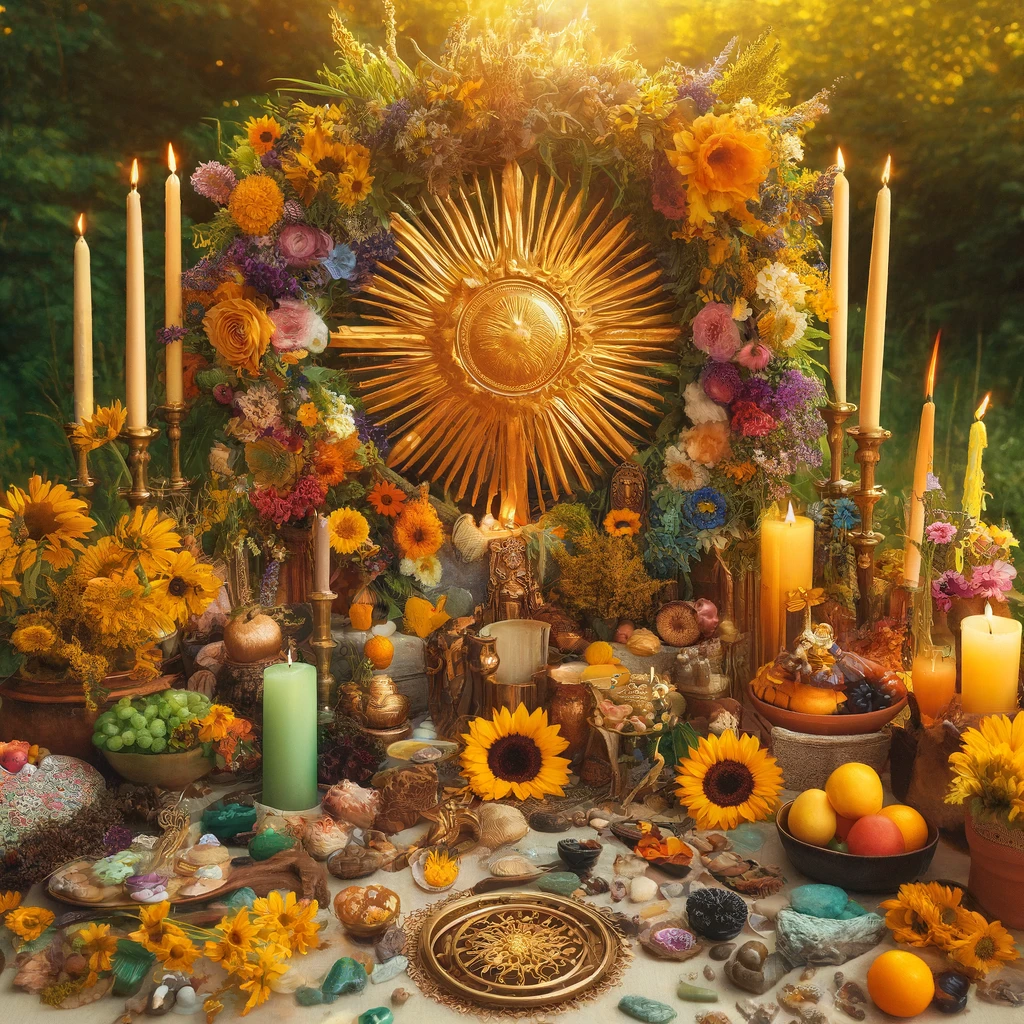
Posted on Leave a comment

Ritual: Ancestor Altar for Samhain

Ritual Samhain Ancestor Altar

Introduction

Honoring Our Roots: Creating an Ancestor Altar for Samhain

Samhain, often referred to as Halloween or the Witches’ New Year, is a time of powerful connection between the living and the dead. Traditionally celebrated by Pagans and Wiccans, Samhain marks the thinning of the veil between the physical world and the spirit world, making it an ideal time to honor our ancestors and loved ones who have passed on. One of the most cherished rituals of this season is the creation of an ancestor altar, where offerings and memories come together to create a sacred space for reflection, remembrance, and communication with the spirits of those who came before us.

Ritual Basics

Before beginning any ritual, it is important to prepare yourself mentally and physically. You may want to take a cleansing bath, or shower, and meditate or perform some grounding exercises to center yourself. Gather any materials you will need, such as candles, incense, and offerings for the forest spirits.

You can read a more detailed Ritual Preparation guide here.

The Significance of the Ancestor Altar

An ancestor altar is more than a decorative display; it is a symbolic connection to your familial and spiritual roots. At Samhain, this altar serves as a beacon, inviting the spirits of your ancestors to join you in celebration and honoring their legacy. The items placed on the altar hold personal significance, acting as a bridge between the past and present. Whether performed indoors or outdoors, this ritual creates a sacred space for reflection, gratitude, and the honoring of lives lived and memories cherished. Traditionally, Samhain falls on October 31st, but this ritual can be performed anytime during the thinning of the veil, from late October to early November.

Crafting an Ancestor Altar for Samhain

This ritual involves creating an altar dedicated to your ancestors, adorning it with personal and meaningful items, and offering it as a space of respect and gratitude during Samhain.

  • Surface
  • Cloth
  • Candles
  • 1 – Photos or heirlooms of ancestors (to represent those being honored)
  • 1 – Offering dish (for food or drink offerings)
  • 1 – Handful of seasonal flowers or herbs (such as marigolds, rosemary, or chrysanthemums)
  • 1 – Cup Apple cider or wine (symbolizing offerings to your ancestors)
  • 1 – Plate – Small serving of food (such as nuts, fruit, or bread)

Selecting the Altar Surface:

  1. Choose a surface that feels sacred to you, whether it is a table, a shelf, or something connected to nature, like a tree stump or rock. Outdoor altars can provide a direct connection with the Earth, but indoor altars may feel more private. Place this altar in a space that feels quiet, personal, and sacred for you.

Covering the Altar:

  1. Once you have selected the surface, cover it with a cloth. Colors like black or deep purple are traditional for Samhain, symbolizing the connection with the spirit world. However, choose a color that resonates with your intention. Each color holds its own symbolic meaning:
  2. Black or Purple – Associated with Samhain and the spirit realm
  3. White – Symbolizing purity and remembrance
  4. Green – Representing life and growth, perfect for ancestral healing

Arranging the Items:

  1. Now, begin to arrange items that honor your ancestors:
  2. Photographs and Heirlooms: Place photos, mementos, or heirlooms of your ancestors in a prominent position. These items serve as a focal point for the altar.
  3. Candles: Light two candles, one on each side of the altar. White candles are often used to symbolize the spirits of loved ones, while black candles can be used to honor the cycle of life, death, and rebirth.
  4. Offerings: Prepare offerings of seasonal fruits, nuts, or a small plate of bread and place them in front of the photos or heirlooms. Pour a cup of apple cider or wine as a symbolic gesture of gratitude.
  5. Flowers or Herbs: Add fresh flowers or dried herbs to enhance the natural beauty of the altar. Rosemary is traditionally used for remembrance, while marigolds or chrysanthemums symbolize the connection to the spirit world.

Blessing and Invocation:

  1. Once your altar is arranged, take a moment to sit quietly in front of it. Reflect on the lives of your ancestors, what they have passed down to you, and the legacy they left behind. Light the candles and say:
  2. "Spirits of my ancestors, I honor you on this sacred night.

    As the veil between worlds thins, I welcome your presence in my life.

    Through this altar, may you feel my love, respect, and gratitude.

    Guide me with your wisdom, protect me with your love,

    And bless me with the strength of our lineage.

    Blessed be."

Offering to the Ancestors:

  1. Take a small piece of bread or fruit, and lift the offering up, saying:
  2. "I offer this gift to you,

    To nourish your spirit as you have nourished mine.

    With this food and drink, I honor your presence.

    Blessed be."

  3. Leave the offerings on the altar overnight or until the next morning as a sign of respect.

Reflection and Meditation:

  1. After your offering, sit quietly and meditate on the connection with your ancestors. Allow any thoughts, feelings, or memories to surface, and feel the warmth of their presence. Write down any insights or messages that come to you in a journal or notebook.
  • Always ensure candles are safely placed on the altar, away from any flammable materials. If leaving the altar overnight, extinguish candles after your ritual for safety.
  • Children can be involved in the process by helping gather items, arranging them, or even creating drawings of ancestors to place on the altar.
  • The offerings left on the altar can be returned to nature the next day. Pour the drink into the soil and leave food offerings in a garden or forest area as a way of giving back to the Earth.
Samhain
Rituals

Conclusion

Setting up an Ancestor Altar during Samhain is a beautiful way to honor and connect with the spirits of your loved ones. This ritual strengthens the bond between you and your ancestors, offering a space for remembrance, reflection, and gratitude. By dedicating this sacred space, you open a portal for wisdom, love, and guidance from beyond the veil. As the flames flicker and the offerings are made, may your heart be filled with warmth, and may the presence of your ancestors bring peace and blessings to your life. Blessed Be.

Posted on Leave a comment

Ritual: Dumb Supper for Samhain

Samhain Dumb Supper
Samhain Dumb Supper

Introduction

Silent Reflections: Honoring Our Ancestors Through a Dumb Supper

Samhain is the sacred time of year when the veil between the worlds thins, allowing us to connect more deeply with our ancestors and loved ones who have passed on. One of the most profound and meaningful ways to honor the spirits of our ancestors is through the ritual of the “Dumb Supper,” also known as the “Silent Supper.” This ancient practice invites us to share a meal in complete silence, creating a space of reverence, reflection, and connection with those who have crossed into the spirit world. The ritual is performed with deep intention, setting the stage for communication, introspection, and gratitude for the wisdom and presence of our ancestors.

Ritual Basics

Before beginning any ritual, it is important to prepare yourself mentally and physically. You may want to take a cleansing bath, or shower, and meditate or perform some grounding exercises to center yourself. Gather any materials you will need, such as candles, incense, and offerings for the forest spirits.

You can read a more detailed Ritual Preparation guide here.

About the Dumb Supper

The origins of the Dumb Supper date back centuries and are rooted in various cultures that believe in maintaining a connection with those who have passed on. The tradition is particularly prevalent among Pagans and Wiccans during Samhain, a festival celebrated on October 31st that marks the Witches’ New Year. The “dumb” in Dumb Supper refers to the act of remaining silent throughout the meal, creating a solemn and reflective atmosphere.

Samhain is seen as the perfect time for this ritual due to the belief that the veil between the physical and spiritual realms is at its thinnest. This makes it easier to connect with the spirits of ancestors, listen to their guidance, and express gratitude for their presence. Through this ritual, we honor the cycles of life, death, and rebirth, acknowledging the wisdom that comes from those who walked before us.

Ritual: Dumb Supper

The Dumb Supper is a meditative meal where participants invite their ancestors to join them at the table. Each place is set with intention, and the entire supper is conducted in silence to honor the presence of spirits and allow for spiritual communication.

  • Table or surface (required) – to set the place settings for the meal
  • Black or dark-colored cloth (required) – to cover the table, symbolizing the veil between worlds
  • 1 – Place setting per honored ancestor (plate, utensils, cup)
  • 1 – Candle per honored ancestor (to symbolize their presence)
  • 1 – Photograph or meaningful item per ancestor (optional, to represent each spirit at the table)
  • 1 – Meal (any meal special to you or to your ancestors)
  • 1 – Glass or cup for offerings (optional)

Setting the Table:

  1. To begin, select a table or surface for the Dumb Supper. Cover the table with a black or dark-colored cloth, symbolizing the thinning veil between worlds and the mystery of the season. Set a place for each ancestor you wish to honor. Each place setting should include a plate, utensils, and a glass or cup. You may choose to add candles to represent each ancestor’s presence, photographs, or other meaningful objects such as heirlooms. Leave an empty chair at the table to signify the physical absence of your ancestors but their spiritual presence.

Preparing the Meal:

  1. Prepare a meal that holds significance for you, your family, or your ancestors. This could be a dish that was a favorite of a loved one who has passed, or a meal that evokes memories of family gatherings. The preparation of this meal should be done in silence, with intention and reverence. Each step taken in preparing the food becomes a form of connection with the spirits of your ancestors, inviting them into your home.
  2. Note: Silence is key to this ritual. As you cook, remain in a state of reflection, focusing on your connection with those who have passed.

Beginning the Supper:

  1. When you are ready to begin the Dumb Supper, light the candles on the table, symbolizing the flame of life and the guiding light for the spirits. Sit down at the table and allow yourself to feel the presence of your ancestors. Begin the meal in complete silence, reflecting on the memories of your loved ones, their impact on your life, and the wisdom they have passed down.
  2. Focus: Throughout the meal, maintain silence to honor the spirits. Focus your attention on your connection with them, remaining open to any sensations, emotions, or subtle messages that may arise.

Offering to the Spirits:

  1. At any time during the meal, take a portion of your food or drink and place it in a separate dish or cup. This offering is for your ancestors, symbolizing your gratitude for their presence, guidance, and continued influence in your life. These offerings can remain on the table throughout the meal or be placed on your ancestor altar afterward.

Reflecting in Silence:

  1. As you eat, take the time to meditate on the presence of your ancestors. Reflect on the cycles of life, death, and rebirth, and how you continue their legacy through your actions. If any thoughts, emotions, or sensations arise, allow yourself to fully experience them. This is a time for introspection, reflection, and spiritual communion.

Closing the Supper:

  1. After the meal, take a moment to thank your ancestors for joining you. A simple prayer or blessing can help conclude the supper:
  2. “I thank you, spirits of my ancestors, For your guidance, protection, and love. May your wisdom continue to flow through me, As I honor your memory and walk in your light. Blessed be.”
  3. You may also leave any remaining food offerings on your altar or outside in nature as a final gesture of gratitude.

• The silence during the Dumb Supper is crucial as it allows for undistracted communion with your ancestors. It fosters a deep spiritual atmosphere where messages and insights from the spirit realm may be more easily received.
• Families with children may find this ritual particularly meaningful. Involving children in setting the table and preparing the meal can help teach them about their ancestry, family traditions, and the importance of honoring those who have passed on.

Samhain
Rituals

Wrapping Up

The Dumb Supper is a beautiful and powerful way to connect with our ancestors during Samhain. It provides a space for reflection, reverence, and deep gratitude for the spirits of those who have walked before us. Whether practiced alone or with family, this ritual allows for a sacred connection that transcends time, inviting the presence of our loved ones back into our lives, even if only for a fleeting moment. Through this practice, we remember that the bonds of love, wisdom, and spirit never truly fade, and that those who have passed continue to guide us with their light. Blessed Be.

Posted on Leave a comment

Ritual: Crafting a Prosperity Charm for Mabon

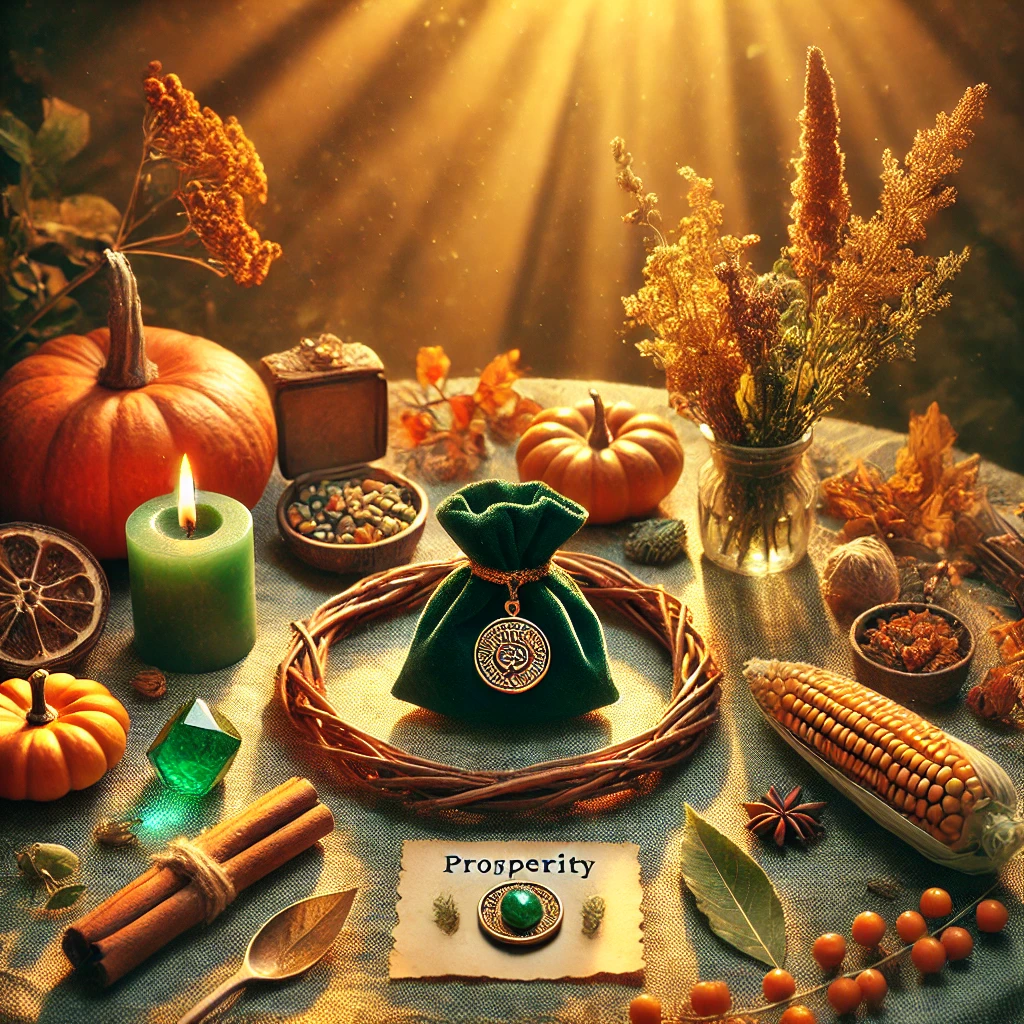
Prosperity Charm
Prosperity Charm

Introduction

Welcoming Abundance and Balance

Mabon, the Autumn Equinox, is a time of balance, reflection, and gratitude as day and night stand in perfect equilibrium. As we gather the harvest and prepare for the coming winter, it is also a powerful moment to invite abundance and prosperity into our lives. Crafting a Prosperity Charm during Mabon is a meaningful way to harness the energies of the season and set intentions for financial stability, growth, and well-being. This ritual guides you through creating a Prosperity Charm that aligns with the themes of Mabon and invites the blessings of abundance into your home and life.

Ritual Basics

Before beginning any ritual, it is important to prepare yourself mentally and physically. You may want to take a cleansing bath, or shower, and meditate or perform some grounding exercises to center yourself. Gather any materials you will need, such as candles, incense, and offerings for the forest spirits.

You can read a more detailed Ritual Preparation guide here.

Ritual: Crafting a Prosperity Charm for Mabon

Mabon, the Autumn Equinox, is a time of balance, reflection, and gratitude. As we gather the harvest and prepare for winter, this ritual guides you in crafting a Prosperity Charm to invite abundance and financial stability into your life. Align with the season’s energies and set intentions for growth and well-being through this meaningful practice.

  • A small green or gold pouch
  • A pen and small piece of parchment paper
  • A candle
  • Green aventurine or citrine crystal (for abundance and success)
  • Cinnamon stick (for financial gain and protection)
  • Bay leaf (for wishes and prosperity)
  • Dried basil or mint (for money attraction and luck)
  • A piece of gold or green ribbon (for tying the charm)
  • A coin or token that holds personal significance (for financial stability)
  • Incense (such as sandalwood or frankincense or sage for cleansing)
  • A candle (preferably green or gold)

Preparation

  1. Cleansing Your Space and Tools: Begin by cleansing your ritual space and tools. Light the incense or sage and allow the smoke to purify the area where you will be crafting your Prosperity Charm. Pass each item you will be using through the smoke, setting the intention to clear any lingering negative or stagnant energy.

  2. Setting Your Intention: Take a moment to ground yourself and focus on your intention. Reflect on what prosperity means to you, whether it is financial wealth, career success, personal growth, or abundance in love and happiness. Visualize these desires as clearly as possible and feel the energy of gratitude for the prosperity you are calling into your life.

  3. Writing Your Intention: On a small piece of parchment paper, write down your intention or wish for prosperity. Be specific and positive in your wording, focusing on what you wish to attract rather than what you want to avoid. For example, "I attract financial abundance and stability into my life, allowing me to prosper and thrive."

Crafting the Prosperity Charm

Assembling the Charm:

  1. Place the green aventurine or citrine crystal into the pouch, saying, “This crystal carries the energy of abundance and success, guiding wealth and prosperity into my life.”
  2. Add the cinnamon stick, saying, “Cinnamon brings protection and financial gain, ensuring my prosperity grows and is safeguarded.”
  3. Place the bay leaf into the pouch, saying, “This bay leaf carries my wish for prosperity, sending it out into the universe to be fulfilled.”
  4. Add the dried basil or mint, saying, “This herb attracts money and luck, drawing prosperity to me in all forms.”
  5. Place the coin or token into the pouch, saying, “This token represents financial stability and abundance, grounding wealth in my life.”

Empowering the Charm:

  1. Carefully fold your parchment paper with the written intention and place it into the pouch. Hold the pouch in your hands and close your eyes, visualizing your intention becoming reality. Feel the energy of abundance flowing into the charm, imbuing it with power and purpose.
  2. Tie the pouch closed with the gold or green ribbon, saying, “With this ribbon, I seal my intention for prosperity and abundance. May it flow into my life with ease and grace.”

Activating the Charm

  1. Candle Lighting: Light the green or gold candle, focusing on the flame as a symbol of your intention being ignited and brought to life. Pass the Prosperity Charm over the flame (taking care not to burn it), saying, "As this flame burns, so too does my intention for prosperity grow and manifest."

  2. Final Blessing: Hold the charm close to your heart and offer a final blessing: "With the energy of Mabon and the balance of the equinox, I call upon the forces of abundance, prosperity, and success. May this charm bring wealth, growth, and happiness into my life. So mote it be."

  3. Placing the Charm: Place the Prosperity Charm in a location where it will continuously work for you—such as in your purse, near your workspace, or in a place of prominence in your home.

Closing the Ritual

  1. Expressing Gratitude: Take a moment to express gratitude to the energies, deities, or spirits you may have invoked during the ritual. Thank them for their guidance and for blessing your charm with their presence.

  2. Releasing the Circle (if Cast): If you cast a circle, now is the time to release it. Thank the elements and gently open the circle, allowing the energy to return to the Earth.

  3. Grounding Yourself: Ground any remaining energy by placing your hands on the Earth or by eating a small piece of bread or fruit.

Mabon
Rituals

Conclusion

By crafting a Prosperity Charm during Mabon, you align yourself with the powerful energies of balance, harvest, and abundance that the season brings. This charm is not only a tool for attracting wealth and prosperity but also a reminder of your connection to the natural cycles and the boundless potential within you. As you carry or display your charm, may it serve as a beacon of the prosperity you seek, guiding you towards a future filled with abundance and success. Blessed Be.

Posted on Leave a comment

Ritual: Mabon – Balanced Meditation

Meditation
Meditation

Introduction

Embrace the autumnal equinox

In the tranquil embrace of the autumnal equinox, a mystical celebration known as Mabon emerges, inviting us to explore the delicate balance between light and darkness, both in the world around us and within our own souls. Among the many enchanting rituals that grace this sacred season, Balanced Meditation stands as a beacon of serenity and self-discovery. This ancient practice guides us to a place of profound equilibrium, where the shifting hues of fall foliage mirror the interplay between the active and introspective energies of our lives. Join us on a journey into the heart of Mabon’s Balanced Meditation, where we shall explore the art of harmonizing with the season’s energies, finding stillness amid transformation, and embracing the lessons of balance that this enchanted time bestows.

Ritual Basics

Before beginning any ritual, it is important to prepare yourself mentally and physically. You may want to take a cleansing bath, or shower, and meditate or perform some grounding exercises to center yourself. Gather any materials you will need, such as candles, incense, and offerings for the forest spirits.

You can read a more detailed Ritual Preparation guide here.

Equilibrium: A Ritual for the Balance Meditation

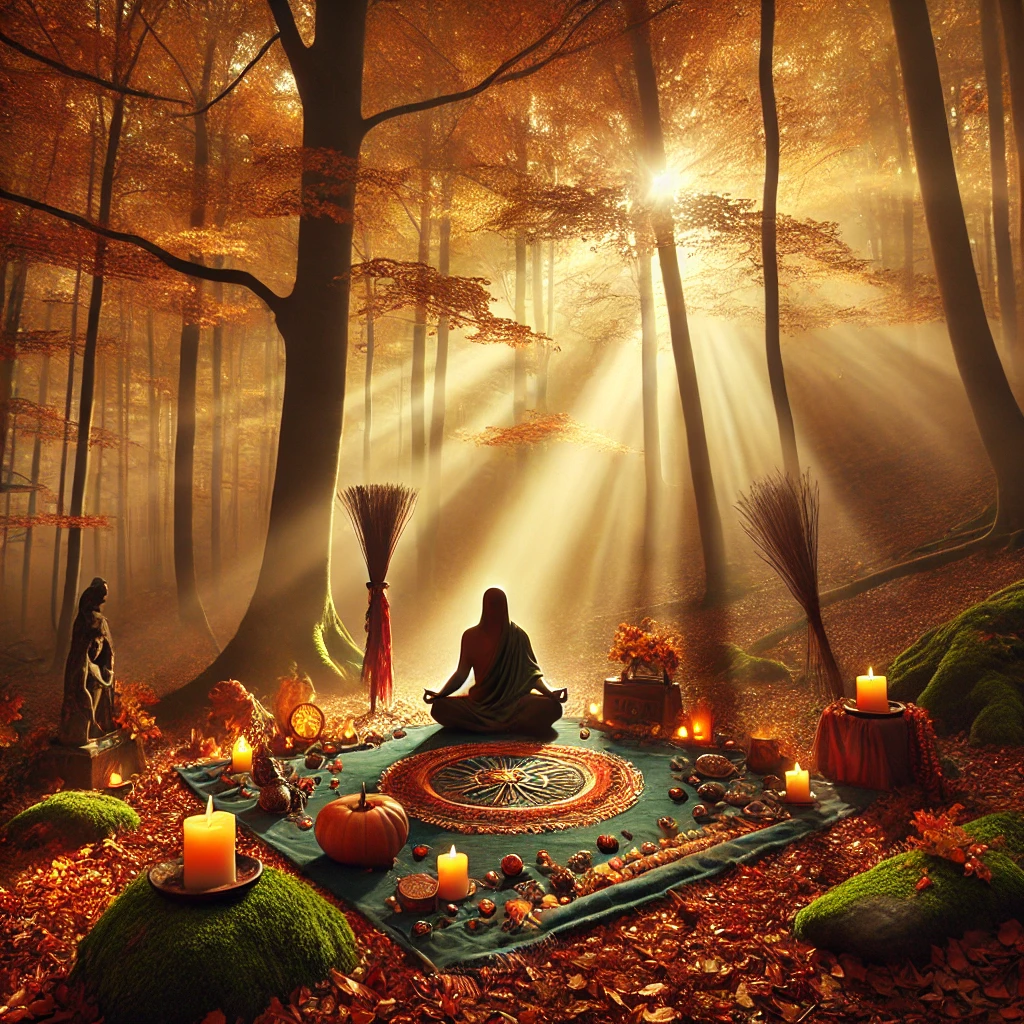
In the waning days of summer, as the sun dips lower on the horizon and the vibrant green of the world takes on the warm, golden hues of autumn, we find ourselves at the threshold of Mabon, the autumn equinox. This season is marked by a profound transformation, as nature herself dons her cloak of change. It’s a time when the leaves begin their graceful descent to the earth, and the air takes on a crisper edge, carrying with it the whispers of coming winter.

During this transformation, we are presented with a profound lesson — the art of embracing change as a pathway to equilibrium. The Balanced Meditation, a sacred ritual of Mabon, beckons us to contemplate this very lesson. It guides us to find solace amid change, much as the trees surrender their leaves, trusting that new growth will come in their own time. This ritual reminds us that life is an eternal dance of balance, a delicate interplay between light and dark, growth and release, and it is through acceptance and understanding of this balance that we find our own equilibrium.

Mabon – Balanced Meditation

As we embark on the journey of the Balanced Meditation, we immerse ourselves in the beauty of the season, where every falling leaf is a reminder that change is not to be feared but embraced. The ritual encourages us to sit in quiet reflection, much like the trees themselves, as we release our worries, tensions, and attachments to that which no longer serves us. This act of letting go becomes a sacred dance, a harmonious step in the rhythm of the season, as we surrender to the transformative energies of Mabon.

  • A blanket and/or cushion(s).
  • A foci (this can be a crystal, a fall symbol, etc)

Preparation

  1. Find a cozy nook in your haven, it can be indoors or out. It must be a safe place for you to be.
  2. Use your blanket and/or cushion(s) to make the ritual space comfortable for you.
  3. Nestle yourself into a comfortable position, either seated or lying down, as if preparing for a restful slumber. Let the tranquility of your chosen space envelop you.
  4. Comfortably hold your foci, letting it bring you to peace.
  5. Gently close your eyes, letting the quietude and peace settle around you like a soft mist. Inhale deeply, drawing in the hushed serenity of the surrounding woods and waters, and exhale any residual thoughts that may linger.

Visualizing the Equinox

  1. As your inner canvas unfurls, paint a picture of yourself standing amidst nature’s embraces. Imagine the landscape shifting, revealing a lush forest glade, a vibrant meadow, or a serene beach along the Pacific coastline.
  2. Watch as the foliage morphs, transitioning from one season’s attire to another. Allow the play of sunlight and shadows to paint a symphony of patterns around you, much like the intricate dance of your witchcraft practice.

Focusing on Balance

  1. Shift your gaze to the balance teetering between the light and the darkness in your visualized sanctuary. Inhale, imbuing yourself with the radiant energy of the sun, its warmth filling you from within.
  2. Exhale, envisioning any concerns, burdens, or worries as mere shadows that disperse and dissolve into the earth beneath you, absorbed by the ground.

Reflecting Within

  1. Redirect your focus inward, like a seeker delving into the mysteries of the self. Contemplate the intricate scales of your life—how work finds its counterpoint in rest, joy waltzes with sorrow, and growth finds its partner in release.
  2. As you inhale and exhale in rhythm, become a conduit for equilibrium, inviting its essence to flow through you.

Embracing Equilibrium

  1. Visualize equilibrium as a gentle stream of radiant light. Imagine it coursing through your veins, each pulse resonating with the harmonious balance you seek.
  2. Feel this luminous current enveloping every corner of your being, like the embrace of an old friend who understands the nuances of your journey.

Affirming Balance

  1. Utter a mantra, seasoning your experience with affirmation: “I am in harmony with the cycles of life. I embrace both light and darkness, finding equilibrium within.”
  2. Let this declaration infuse your being with the essence of balance.

Returning to the Present

  1. Allow your awareness to trickle back into the present moment, like water finding its way back to the ocean. Inhale the freshness of the air, as if savoring the scent of newly foraged herbs.
  2. With a tender smile, exhale, and as you gently open your eyes, bask in the gentle light of your surroundings, knowing that you’ve brewed an elixir of inner harmony.
  3. Carry this sense of balance and mindfulness with you, just as you would carry a vial of your finest potion, allowing it to be a guiding star through the currents of your day.

In the acceptance of change, we find the essence of equilibrium. This ritual teaches us that true balance is not stagnant; it is a dynamic state, an ever-flowing stream of energy that courses through our lives. It is the recognition that light and darkness, joy and sorrow, growth and release are not opposing forces but interconnected aspects of the same cycle.

As we conclude the Balanced Meditation, we emerge with a profound sense of peace, knowing that change is not a disruption of our equilibrium but an integral part of it. It is through acceptance and the embrace of transformation that we find true balance, just as the autumn forest finds its equilibrium in the changing seasons.

Symbols of Autumn

Here are some physical autumn symbols that you can hold and use in your witchcraft practice:

  • Acorns: Acorns are a powerful symbol of potential and growth. Hold them in your hand during rituals or use them as part of your altar setup to represent the promise of future abundance and transformation.
  • Autumn Leaves: Collect colorful autumn leaves and hold them to connect with the changing of seasons. Use them in spells related to change, letting go, or personal transformation.
  • Pumpkins: Pumpkins are iconic symbols of autumn. Holding a small pumpkin or a pumpkin-shaped object can symbolize the harvest, protection, and abundance. Carve a protective symbol into a pumpkin and hold it during protection rituals. 
  • Candles: Holding candles in autumnal colors like orange, red, or brown can help you attune to the season’s energies. Light the candle and focus on its flame during meditation or spellwork to invoke the corresponding qualities of the color. 
  • Feathers: As birds migrate during the fall, feathers can symbolize freedom and the connection between the earthly and spiritual realms. Hold feathers to connect with your spirit guides or incorporate them into rituals for communication with the spirit world.
  • Cornucopia: The cornucopia, or horn of plenty, is a symbol of abundance and harvest. Hold a small cornucopia or use one in your altar setup to attract prosperity and bountiful blessings.
  • Apples: Apples represent wisdom, healing, and immortality. Holding an apple during meditation or rituals can help you tap into these qualities. You can also use apples as offerings to deities or spirits.
  • Pinecones: Pinecones are associated with evergreen trees and the resilience of nature. Hold a pinecone to connect with the earth’s enduring energy and use it in rituals for grounding and stability.
  • Miniature Brooms: Miniature brooms or besoms symbolize purification and sweeping away negativity. Hold one during rituals focused on cleansing and purifying your space or your life.
  • Harvest Tools: Hold small representations of harvest tools like a sickle, scythe, or a miniature basket filled with symbolic fruits and vegetables to connect with the theme of abundance and the reaping of rewards.
  • Gemstones: Carry gemstones associated with autumn, such as carnelian, citrine, or amber, in your pocket or hold them during meditation and rituals to amplify their energy and align with the season’s intentions.
  • Autumn Herbs: Bundle together or hold autumn herbs like sage, rosemary, or thyme to infuse your rituals with their earthy and purifying energies.

Remember that the power of these symbols is deeply personal, and your connection to them is what makes them meaningful in your practice. Holding and meditating upon these symbols during autumn can help you tap into the seasonal energies and bring your intentions to life in your witchcraft practice.

Mabon
Rituals

Conclusion

In the profound teachings of the Balanced Meditation, we unearth a timeless wisdom that transcends the boundaries of seasons and rituals. It is a revelation that true equilibrium is not a static state but a dynamic force that surges through the currents of our existence, much like the ever-flowing stream of time. As we draw this sacred practice to a close, we carry with us the profound understanding that light and darkness, joy and sorrow, growth and release are not adversaries in our journey, but rather intimate companions in the dance of life.

Just as the autumn forest gracefully adapts to the changing seasons, we too can embrace the transformative energies that life offers. We emerge from Balanced Meditation with a serene sense of peace, armed with the knowledge that change is not a disruption of our equilibrium but a pivotal element of it. In our acceptance of change, we find the very essence of balance—the harmonious coexistence of all facets of existence. As we journey forth into the world, we carry with us the wisdom of the autumn equinox, recognizing that equilibrium is not an end goal but a perpetual voyage, and in the embrace of transformation, we discover the true heart of balance.

Posted on Leave a comment

Ritual: Casting a Circle

Casting a circle
Casting a circle

Introduction

Creating a Sacred Space for Ritual and Magic

Casting a circle is a cornerstone practice in many pagan and Wiccan traditions. It creates a sacred space that serves as a boundary between the mundane world and the spiritual realm, providing protection and amplifying the energy raised during rituals and spellwork. This article will guide you through the steps to cast a circle, offering insights into the significance and techniques involved.

Ritual Basics

Before beginning any ritual, it is important to prepare yourself mentally and physically. You may want to take a cleansing bath, or shower, and meditate or perform some grounding exercises to center yourself. Gather any materials you will need, such as candles, incense, and offerings for the forest spirits.

You can read a more detailed Ritual Preparation guide here.

Why Cast a Circle?

Casting a circle is more than just a ritualistic step; it is a spiritual practice that enhances your connection to the divine, grounds your energy, and creates a focused environment for your magical workings. Here are some reasons why casting a circle is essential:

  • Protection: A circle acts as a barrier against negative energies and unwanted influences, ensuring that the space within remains pure and sacred.
  • Energy Amplification: By containing the energy raised during a ritual, a circle intensifies and directs it towards your intention or spell.
  • Sacred Space Creation: The circle delineates a space that is spiritually significant, allowing you to connect deeply with the elements, deities, and your inner self.
  • Focus and Intention: Casting a circle helps to center your mind, body, and spirit, aligning them with the purpose of your ritual.

Casting a Circle – Creating a Sacred Space for Ritual and Magic

Casting a circle is a cornerstone practice in many pagan and Wiccan traditions. It creates a sacred space that serves as a boundary between the mundane world and the spiritual realm, providing protection and amplifying the energy raised during rituals and spellwork. This article will guide you through the steps to cast a circle, offering insights into the significance and techniques involved.

  • Wand or athame (ritual knife)
  • Candles representing the elements (Earth, Air, Fire, Water)
  • Incense
  • Salt
  • Water
  • Any additional ritual items (e.g., crystals, altar decorations)

Preparation

  1. Choose a quiet, undisturbed area, either indoors or outdoors.
  2. Cleanse the area physically and spiritually (e.g., sweep the floor, smudge with sage).
  3. Set your intentions for the circle casting and the ritual to follow.

Steps to Cast a Circle

  1. Purify the Space
  2. Physically clean the area and spiritually cleanse it using incense or a smudging stick. Walk around the perimeter, allowing the smoke to purify the space.
  3. Ground and Center
  4. Stand or sit comfortably in the center of your chosen space. Close your eyes, take deep breaths, and visualize roots extending from your feet into the Earth, grounding you.
  5. Create Sacred Space
  6. Starting in the North (or East, depending on your tradition), walk clockwise (sunwise) around the perimeter, visualizing a circle of light forming as you go. Use your wand or athame to trace the boundary.
  7. Call the Quarters
  8. Face each cardinal direction, invoking the elements and their guardians.
  9. North (Earth): “Guardians of the North, powers of Earth, I call upon you to protect and bless this circle.”
  10. East (Air): “Guardians of the East, powers of Air, I call upon you to protect and bless this circle.”
  11. South (Fire): “Guardians of the South, powers of Fire, I call upon you to protect and bless this circle.”
  12. West (Water): “Guardians of the West, powers of Water, I call upon you to protect and bless this circle.”
  13. Raise Energy
  14. Stand in the center of the circle and raise your arms. Visualize energy building within and around you. You can chant, drum, or dance to raise this energy, filling the circle with light and power.
  15. Set the Boundary
  16. Finalize the circle by mentally or physically completing the boundary. Imagine a shimmering dome of light enclosing the space. Declare the circle cast, saying, “This circle is cast, a sacred space between the worlds.”

Working Within the Circle

  1. Once the circle is cast, you can proceed with your ritual or spellwork. Whether you are performing a seasonal celebration, invoking deities, or casting a spell, the circle serves as a container for your focused intention and energy.

Closing the Circle

  1. When your ritual is complete, it’s important to close the circle properly:
  2. Thank the Quarters
  3. Face each direction and thank the elemental guardians for their presence and assistance. For example, “Guardians of the North, powers of Earth, thank you for your protection and blessings. Depart in peace.”
  4. Release the Circle
  5. Walk counterclockwise (widdershins) around the circle, visualizing the energy dissipating. Use your wand or athame to “cut” the circle, releasing the energy back to the universe.
  6. Ground Yourself
  7. Take a moment to ground any excess energy. Eat or drink something nourishing, connect with the Earth, or simply sit quietly and breathe deeply.

May your circles be strong, your energy focused, and your rituals blessed.

Blessed Be!

General Magic
Rituals

Conclusion

Casting a circle is a deeply personal and powerful practice that enhances your spiritual and magical work. By creating a sacred space, you connect more profoundly with the elements, deities, and your inner self, fostering a sense of protection, focus, and intention. Whether you are new to this practice or an experienced practitioner, casting a circle is a valuable skill that enriches your rituals and deepens your connection to the spiritual realm.

May your circles be strong, your energy focused, and your rituals blessed. Blessed Be!

Posted on Leave a comment

Ritual: Litha Bonfire Celebration

Bonfire Celebration
Bonfire Celebration

Introduction

Embracing the Summer Magic

As Litha approaches, the summer solstice beckons us to gather around the warmth and enchantment of a bonfire. This ancient and sacred ritual allows us to connect with the transformative energies of the season, honor the power of the sun, and celebrate the abundance of nature. Joining friends and loved ones, we embark on an evening of joy, storytelling, and releasing negative energies. Let us delve into the details of this captivating bonfire celebration for Litha.

Ritual Basics

Before beginning any ritual, it is important to prepare yourself mentally and physically. You may want to take a cleansing bath, or shower, and meditate or perform some grounding exercises to center yourself. Gather any materials you will need, such as candles, incense, and offerings for the forest spirits.

You can read a more detailed Ritual Preparation guide here.

Bonfire Celebration – Embracing the Summer Magic

As Litha approaches, the summer solstice beckons us to gather around the warmth and enchantment of a bonfire. This ancient and sacred ritual allows us to connect with the transformative energies of the season, honor the power of the sun, and celebrate the abundance of nature. Joining friends and loved ones, we embark on an evening of joy, storytelling, and releasing negative energies. Let us delve into the details of this captivating bonfire celebration for Litha.

Choosing the Perfect Location

  1. When planning a bonfire celebration for Litha, the selection of a suitable location is crucial for creating a safe and memorable experience. Here are some considerations to keep in mind as you choose the perfect setting for your bonfire:
  2. Safety First

    Prioritize safety when choosing a location. Look for an open space, preferably outdoors, where you can safely build and maintain a fire. Ensure there is ample distance from flammable objects such as buildings, trees, or dry vegetation. By selecting a safe location, you can minimize the risk of accidents and ensure the well-being of all participants.

  3. Outdoor Spaces

    Consider outdoor spaces that offer a natural and enchanting atmosphere. A spacious backyard provides a convenient option, allowing you to create an intimate gathering in the comfort of your own home. Alternatively, a nearby beach can provide a stunning backdrop, with the rhythmic sound of waves and the vastness of the horizon adding to the magical ambiance. Parks or public areas with dedicated fire pit areas can also offer an ideal setting for your bonfire celebration.

  4. Compliance with Local Regulations

    It is essential to comply with local regulations and obtain any necessary permits for open fires. Research the guidelines and regulations specific to your area to ensure a safe and responsible gathering. Some locations may have restrictions on fire size, location, or require prior authorization. By adhering to these regulations, you can enjoy your bonfire celebration with peace of mind.

  5. Accessibility and Convenience

    Consider the accessibility and convenience of the location for both you and your guests. Ensure that the chosen location is easily reachable, with ample parking or public transportation options if needed. Accessibility is particularly important if you have guests with mobility concerns or special needs. Choosing a location that is convenient for all participants will enhance their overall experience and encourage their active participation.

  6. Atmospheric Ambiance

    Pay attention to the ambiance of the location. Seek a place that resonates with the spirit of Litha and evokes a sense of natural beauty. A tranquil forest clearing, a lakeside retreat, or a meadow surrounded by wildflowers can all provide a picturesque backdrop for your bonfire celebration. Immerse yourself in the energy of the surroundings and let the elements of nature enhance the enchantment of the gathering.

  7. Remember, while selecting the perfect location is important, it is equally vital to respect the environment and leave the area as you found it. Leave-no-trace principles apply to outdoor gatherings, ensuring that the natural beauty and ecosystem remain unharmed.

    By carefully considering these factors, you can choose a safe, enchanting, and meaningful location for your Litha bonfire celebration. The right setting will set the stage for a transformative and magical experience, where the energy of the fire and the beauty of nature converge to create lasting memories for all who gather around it.

Creating the Sacred Fire

  1. One of the central elements of the Litha bonfire celebration is the creation of the sacred fire. Building the bonfire not only serves a practical purpose but also holds symbolic significance in harnessing the energies of the season. Here's a guide on how to create a sacred fire that embodies the spirit of Litha:

  2. Gather the Firewood

    Start by collecting dry wood, twigs, and kindling to fuel your bonfire. Look for materials that are seasoned and free from moisture, as they will ignite more easily. As you gather the firewood, take a moment to connect with nature and express gratitude for the resources it provides.

  3. Infuse with Seasonal Herbs

    To enhance the magical atmosphere and imbue the fire with the energies of Litha, consider adding traditional herbs to the base of the bonfire. Lavender, rosemary, and juniper are popular choices due to their association with purification and protection. These aromatic herbs not only add a delightful scent to the fire but also symbolize the cleansing and transformative aspects of the bonfire ritual.

  4. Intention and Visualization

    As you construct the fire and arrange the wood, infuse it with your intentions for the celebration. Visualize the flames representing the transformative energy of the sun, radiating warmth, vitality, and spiritual illumination. Envision the bonfire as a portal where intentions and wishes can be amplified and released into the universe.

  5. Ritualistic Lighting

    When the time comes to light the bonfire, approach it with reverence and intention. You may choose to use a sacred flame, such as a candle lit from another significant source, to initiate the fire. As the flames ignite, offer words of invocation or affirmation, calling upon the energies of Litha and the elements to bless the gathering.

  6. Embrace the Transformative Energy

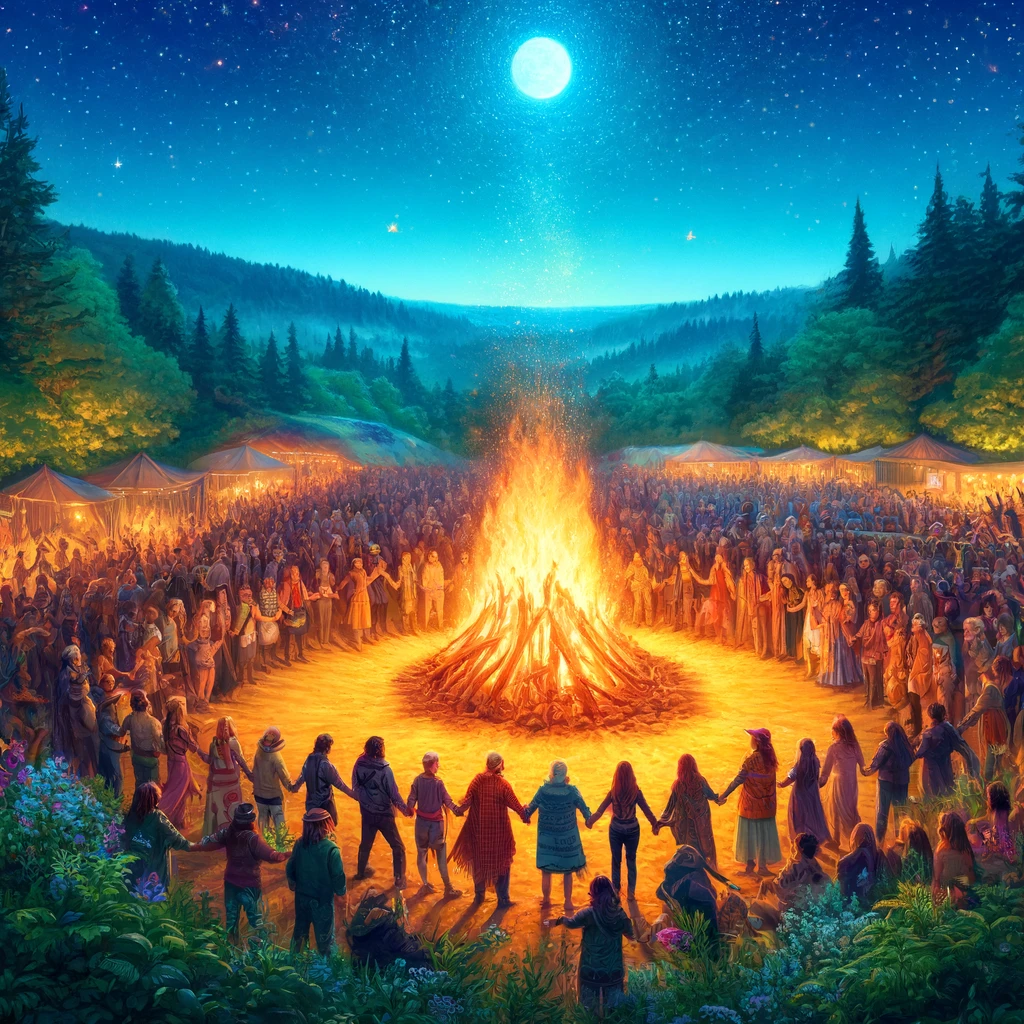
    Once the fire is lit, allow yourself to be mesmerized by its dance and the warmth it emanates. Sit or stand in a circle around the bonfire, feeling its radiant energy enveloping you. Embrace the transformative power of the flames, knowing that they represent the essence of the summer solstice, the pinnacle of light and life.

  7. Special

    Throughout the bonfire celebration, you and your companions can engage in various activities such as storytelling, singing songs, or performing dances around the fire. Remember to approach the fire with respect and mindfulness, keeping a safe distance and being cautious of sparks or embers.

    As the bonfire burns, feel a deep connection to the energies of Litha and the sacredness of the moment. Allow the flames to purify and empower you, illuminating your path and fostering growth and transformation. Together, as the fire crackles and dances, you and your fellow participants can weave a tapestry of intention, gratitude, and joy that will resonate long after the bonfire has extinguished.

  8. Note

    It is crucial to prioritize fire safety during the bonfire celebration. Follow all local regulations, maintain a safe distance from the flames, and have the necessary fire safety equipment, such as a fire extinguisher or water source, readily available.

Circle of Intention

  1. Once the bonfire is ablaze and the flames dance in the night sky, it's time to form a circle of intention around the sacred fire. This circle not only serves as a physical gathering but also symbolizes unity, connection, and the creation of a sacred space for your Litha bonfire celebration. Here's a step-by-step guide on how to form a meaningful circle of intention:

  2. Smudging and Purification

    Before entering the circle, it is customary to smudge each participant with sacred herbs like sage or palo santo. This ritualistic act helps purify and cleanse the energies of individuals, allowing them to enter the sacred space with a sense of clarity and openness. As the smoke envelops each person, encourage them to release any stagnant or negative energies, making way for positive intentions and vibrant connections.

  3. Gathering in Reverence

    As you come together in a circle around the bonfire, hold a collective intention to honor and celebrate the energies of Litha. Embrace a sense of reverence for the sacredness of the moment and the natural elements surrounding you. Take a few deep breaths and allow yourselves to fully arrive in the present, grounding your energy and connecting with the Earth beneath your feet.

  4. Visualizing the Circle of Light

    With closed eyes, invite each participant to visualize a circle of light forming around the bonfire. This circle serves as a boundary, creating a sacred space that is infused with divine energy. Envision this circle expanding and growing in brilliance, symbolizing the unity and shared intention of the group. Feel the warmth and glow of the bonfire at the center, radiating its energy and casting a protective and nurturing light upon all who gather.

  5. Setting Individual Intentions

    Once the circle is established, invite each participant to silently reflect upon their personal intentions for the bonfire celebration. Encourage them to think about what they wish to release, manifest, or invoke during this powerful time of Litha. Remind them that their intentions should be aligned with their highest good and in harmony with the spirit of the summer solstice. This is a time to embrace growth, transformation, and the fullness of life.

  6. Sharing and Connecting

    To deepen the sense of connection and unity, consider engaging in a sharing circle within the larger circle of intention. Pass a talking stick or any symbolic object around the circle, allowing each person to share their intentions, aspirations, or reflections for Litha. Listening attentively to one another fosters a sense of community and provides an opportunity for support and encouragement.

  7. Special

    As the circle of intention is woven, feel the energy pulsating within and around the group. Embrace the warmth of the bonfire, the flickering flames reflecting the shared commitment to growth and transformation. Allow the energy of the circle to amplify your intentions and infuse them with the power of collective consciousness.

    Throughout the bonfire celebration, maintain awareness of the circle of intention. Honor the space and the energy created and be mindful of the connections forged within. As the night unfolds and the bonfire illuminates the darkness, may the circle of intention remain strong and vibrant, guiding you on your individual and collective journeys.

  8. Note

    It is essential to practice fire safety and respect personal boundaries within the circle. Ensure that everyone maintains a safe distance from the fire and remind participants to be mindful of their actions and words. The circle of intention should be a space of love, respect, and support for all those present.

Sharing Stories and Expressing Creativity

  1. Gathered around the mesmerizing flames of the Litha bonfire, the space becomes a container for shared experiences, creativity, and heartfelt expressions. This is a time to let the collective energy flow freely, as stories are told, songs are sung, and dances are performed. The crackling fire serves as a catalyst, igniting the sparks of creativity and allowing the group to connect on a deeper level. Here’s how you can embrace the spirit of storytelling and creativity during your Litha bonfire celebration:
  2. Storytelling

    Pass the Torch of Inspiration As the fire crackles and dances, take turns sharing stories that hold personal meaning. These stories can revolve around personal growth, triumphs, moments of inspiration, or even reflections on the past year. Encourage each participant to share a tale that celebrates their own journey and the lessons they've learned along the way. These narratives not only honor the light within each person but also serve as beacons of inspiration for others, igniting the flames of possibility and resilience.

  3. Songs and Chants

    Weaving Melodies into the Night The flickering flames and the rhythm of the bonfire provide a perfect backdrop for songs and chants. Let the melody of your voices intertwine with the crackling fire, as you sing songs that embody the spirit of Litha and the energy of the summer solstice. These songs can be traditional or original compositions, celebrating the abundance of the season, the power of the sun, and the magic of this special time. Allow the music to uplift spirits, create harmony, and deepen the connection between participants and the sacred fire.

  4. Dance

    Embodying the Fire's Energy With the fire's warmth and glow as your guide, let your body sway to the beat of the flames. Dancing around the bonfire allows for an embodied expression of joy, freedom, and vitality. Encourage participants to move intuitively, allowing the energy of the fire to inspire their movements. The dance can be spontaneous, fueled by collective energy, or planned and choreographed as a shared performance. Let the rhythm of the drums, the crackling of the fire, and the starlit sky become the backdrop of your graceful movements, as you celebrate life, connection, and the transforming power of the season.

  5. Artistic Expressions

    Kindling Creativity In addition to storytelling, singing, and dancing, provide space for other creative expressions that resonate with the group. Set up an art station with materials for painting, drawing, or crafting. Participants can create personal talismans, mandalas, or symbolic representations of their intentions and dreams. This creative outlet serves as a powerful way to channel and amplify the energy of the bonfire celebration, allowing for individual and collective expressions of creativity and intention.

  6. Special

    By sharing stories, singing songs, and embracing the spontaneous flow of creativity, the Litha bonfire celebration becomes a tapestry woven with the threads of personal experiences and collective wisdom. As the night progresses, may the flames grow brighter, reflecting the shared energy and the beauty of each person's unique journey. In this sacred space, let the stories, songs, and dances inspire, uplift, and connect all those gathered around the fire.

    Remember to create a supportive and inclusive environment, where everyone feels comfortable expressing themselves authentically. Embrace the diversity of expressions and honor each person's contribution, recognizing the power of storytelling and creativity in fostering connection and deepening the collective experience.

Releasing and Transformation

  1. Litha, the summer solstice, invites us to shed that which no longer serves us and make space for new beginnings. As the flames of the bonfire dance and crackle, we harness the transformative power of fire to release negative energies, burdens, and limiting beliefs. This profound act of releasing and transformation allows us to step into the fullness of our potential and embrace the abundant possibilities of the season. Here’s how you can incorporate the ritual of releasing and transformation into your Litha bonfire celebration:
  2. Setting Intentions: Acknowledging What No Longer Serves

    Gather in a circle around the bonfire and invite each participant to reflect on the negative energies, burdens, or limiting beliefs they wish to release. Provide paper and writing materials, allowing everyone to jot down these aspects that they are ready to let go of. Encourage introspection and self-reflection, fostering a sense of honesty and vulnerability within the group. This sacred act of acknowledging what no longer serves us sets the stage for transformation and growth.

  3. Sacred Offerings: Surrendering to the Flames

    With reverence and intention, each participant approaches the bonfire, one by one, holding their written representations of what they wish to release. As they cast these offerings into the fire, emphasize the significance of surrendering these burdens to the transformative energy of the flames. Encourage everyone to visualize the negative energies being consumed by the fire, watching as the flames dance and transform them into pure, purifying energy. This symbolic act signifies the release and liberation from what has been holding them back.

  4. Visualization and Affirmation: Embracing the Transmutation

    As the flames devour the written representations, guide participants to visualize the release and transformation taking place within themselves. Invite them to envision the negative energies dissolving, making way for positive and transformative energy to flow into their lives. Encourage them to repeat affirmations that reinforce their newfound liberation and affirm their readiness for growth and positive change. The collective visualization and affirmation create a powerful synergy, amplifying the energy of transformation within the group.

  5. Embracing the New Chapter: Embodying Freedom and Expansion

    After the releasing ritual, invite participants to take a moment of reflection and gratitude. Encourage them to contemplate the newfound freedom, lightness, and expanded possibilities that come with releasing what no longer serves them. Embrace the sense of liberation and empowerment that arises from this transformative act, as each participant steps into a new chapter of their journey.

  6. As the flames continue to burn brightly, allow the collective energy to merge with the fire's transformative alchemy. Embrace the powerful symbolism of the fire, which purifies, consumes, and transmutes, mirroring our own inner processes of release and transformation. In this sacred space, the bonfire becomes a beacon of renewal and an embodiment of the transformative energy of Litha.

    Remember to hold space for each participant's process, offering support and understanding. Encourage open and compassionate communication, allowing individuals to share their experiences if they feel comfortable doing so. Through the ritual of releasing and transformation, we honor the cycles of life, embrace growth, and create space for the abundant blessings that await us on our journey.

    May the flames of the bonfire carry away all that no longer serves, leaving behind an illuminated path to embrace the transformative power of the summer solstice. Embrace the release, embody the transformation, and step into the radiant possibilities of the season.

Gratitude and Abundance

  1. As the flames of the bonfire illuminate the night sky, it is a perfect time to express gratitude for the blessings in our lives and honor the abundant gifts of the season. During your Litha bonfire celebration, take a moment to reflect on the interconnectedness of all beings and the profound abundance that surrounds us. Here’s how you can incorporate gratitude and abundance into your ritual:
  2. Opening the Heart: Cultivating a Grateful Mindset

    Gather in a circle around the bonfire, creating a sacred space filled with warmth and camaraderie. Encourage each participant to take a few deep breaths, allowing their awareness to settle into the present moment. Begin by inviting everyone to share something they are grateful for, whether it's a personal achievement, a meaningful connection, or the simple joys of life. This act of sharing sets the tone for the celebration, fostering a grateful mindset within the group.

  3. Appreciating the Gifts of the Season: Honoring the Sun's Radiance

    Direct the focus of gratitude towards the gifts of the season and the life-sustaining power of the sun. Encourage participants to reflect on how the sun's radiant energy nurtures the growth and abundance in nature. Express appreciation for the vibrant colors of flowers, the bountiful harvests, and the warmth that sustains us all. Encourage each person to articulate their gratitude for the specific ways in which the season has enriched their lives.

  4. Words of Appreciation: Honoring Connections and Support

    Within the circle, allow each participant to express words of appreciation for the connections shared and the support of loved ones. Encourage them to speak from the heart, acknowledging the significance of the relationships and the ways in which they have been uplifted and supported. This is a time to recognize the bonds that have helped us grow and flourish, fostering a sense of gratitude and connection within the circle.

  5. Infusing the Celebration with Joy: Embodying Abundance

    As each expression of gratitude is shared, allow the collective energy to build, infusing the bonfire celebration with a sense of joy and abundance. Embrace the contagious nature of gratitude, allowing it to radiate from the heart and spread throughout the group. Encourage laughter, smiles, and an atmosphere of celebration as you bask in the warmth of the bonfire's glow. Feel the energy of gratitude amplifying the abundance of the season and nourishing the spirit.

  6. Giving Back: Offering to the Fire

    To further symbolize gratitude and abundance, invite each participant to offer a small token or symbol of gratitude to the fire. This could be a written note, a piece of dried herb, or a small item that represents their appreciation. As these offerings are placed into the fire, encourage everyone to visualize their gratitude transforming into an energy that ripples out into the world, blessing and enriching the lives of others.

  7. By cultivating a mindset of gratitude and acknowledging the abundance in our lives, we open ourselves to receive even more blessings. As the flames flicker and dance, we honor the interconnectedness of all beings and express appreciation for the gifts that surround us. Through gratitude, we deepen our connection with the essence of Litha, embracing the joyful abundance of the summer season.

    May your bonfire celebration be filled with gratitude, joy, and a profound sense of abundance. Let the flames of the fire carry your words of appreciation and blessings, igniting a sense of gratitude within the hearts of all who gather. Embrace the transformative power of gratitude and allow it to illuminate your path throughout the seasons to come.

Closing the Circle

  1. As the Litha bonfire celebration nears its end, it is important to honor the sacred space and the energy that has been cultivated throughout the gathering. Closing the circle allows us to acknowledge the transformative power of the fire and express gratitude for the connections and experiences shared. Here’s how you can bring the bonfire celebration to a meaningful conclusion:
  2. Expressing Closing Statements: Sharing Blessings and Wishes

    As the flames of the bonfire gently flicker, invite each participant to share a closing statement, blessing, or wish for the upcoming season. Encourage them to speak from their heart, expressing their intentions for growth, joy, and fulfillment in the months ahead. This is an opportunity to offer words of support and encouragement to one another, further fostering a sense of community and connection.

  3. Gratitude for Transformation: Honoring the Fire's Energy

    Take a moment to express gratitude for the transformative power of the bonfire and the energy it has provided throughout the celebration. Reflect on the symbolic significance of the fire as a catalyst for change and purification. Acknowledge how the flames have allowed you to release what no longer serves and embrace new possibilities. Offer words of thanks for the transformative journey undertaken within the circle.

  4. Bid Farewell to the Bonfire: Embracing the Lingering Energy

    As the time comes to bid farewell to the bonfire, take a moment to acknowledge the energy that will continue to burn brightly within each participant. Recognize that the fire's transformative power and the connections formed during the gathering will remain in your hearts and minds long after the flames have subsided. Express gratitude for the lasting impact of the bonfire celebration on your individual journeys.

  5. Closing Ritual: Ritualistic Gestures and Actions

    To complete the closing of the circle, consider incorporating a simple ritualistic gesture. This could be a collective action, such as holding hands and forming a circle around the dying embers, or individual actions such as blowing a kiss to the fire or gently waving a hand over the flames. These gestures symbolize the closing of the energetic circle and the release of the gathered energy back into the universe.

  6. Carry the Flame Within: Sustaining the Bonfire's Energy

    As the bonfire celebration draws to a close, remember that the energy and transformation experienced within the circle are not confined to that moment. Carry the flame within you as you continue your journey through the seasons. Allow the lessons learned, the connections forged, and the intentions set during the bonfire celebration to guide and inspire you throughout the upcoming months.

  7. By concluding the bonfire celebration with intention, gratitude, and a sense of closure, you honor the transformative energy that has been cultivated. As you bid farewell to the bonfire, embrace the lingering warmth and energy that will continue to resonate within your being. Carry the spirit of the bonfire celebration forward, knowing that the transformative power of the fire will remain with you, guiding your path and illuminating your journey through the seasons to come.

    May the closing of the circle be a sacred and meaningful moment, leaving you with a deep sense of gratitude and inspiration. As the bonfire's embers fade, may the transformative energy of Litha continue to burn brightly within your heart, guiding you towards a season filled with growth, joy, and abundance.

Safety Considerations

While the Litha bonfire celebration is a joyful and transformative ritual, it is crucial to prioritize safety throughout the gathering. By taking necessary precautions, you can create a secure environment for everyone involved. Here are some essential safety considerations to keep in mind:

Fire Extinguishing Materials

Before commencing the bonfire celebration, ensure you have fire extinguishing materials readily available. Place a bucket of water nearby or have a fire extinguisher on hand. These resources can help you swiftly and effectively control any unforeseen flames or emergencies. It is essential that all participants are aware of the location and proper use of these fire extinguishing materials.

Maintaining a Safe Distance

While the bonfire radiates warmth and energy, it is important to maintain a safe distance from the flames. Create a designated area around the bonfire where participants can gather without encroaching too closely. This ensures that everyone can enjoy the mesmerizing dance of the fire while keeping a safe distance to avoid accidental burns or injuries.

Educating Participants

Prioritize the education of all participants about fire safety protocols. Encourage them to be mindful of their surroundings, avoid loose or flowing clothing that could catch fire, and discourage any reckless behavior near the fire. Emphasize the importance of being alert and responsible to ensure the well-being of all attendees.

Adhering to Local Regulations

Respect and abide by any local regulations or restrictions related to bonfires or outdoor fires. Familiarize yourself with the laws and guidelines specific to your area. Be aware of any burn bans or fire-related restrictions due to weather conditions or environmental factors. Compliance with these regulations demonstrates your commitment to safety and responsible fire practices.

Monitoring Weather Conditions

Stay updated on weather conditions leading up to and during the bonfire celebration. Be mindful of strong winds, dry conditions, or other weather factors that could increase the risk of fire spreading uncontrollably. If adverse weather conditions arise, consider rescheduling the bonfire celebration to a safer time. Prioritizing safety should always take precedence over the ritual.

Remember, the safety of all participants is paramount during the bonfire celebration. By proactively addressing safety considerations, you create an environment where everyone can fully immerse themselves in the transformative energy of the ritual without compromising their well-being. By adhering to fire safety protocols, being prepared with fire extinguishing materials, respecting the fire’s power, and staying informed about local regulations and weather conditions, you can ensure a secure and memorable Litha bonfire celebration for all involved.

Litha, Summer
Rituals

Conclusion

As Litha approaches, let us come together in the spirit of celebration and connection. The bonfire celebration ritual provides a sacred space to honor the summer solstice, embrace the transformative power of fire, and nurture our relationships with both nature and each other. Through storytelling, releasing, and expressing gratitude, we weave a tapestry of love, light, and joy under the stars, creating memories that will linger long after the bonfire has burned out. So, gather your loved ones, build a fire, and let the magic of Litha unfold around you.

Posted on Leave a comment

Ritual: Litha Summer Feast

Litha Feast
Litha Feast

Introduction

Celebrating the Summer

As the sun reaches its zenith and the days are filled with warmth and radiance, it is time to celebrate Litha, the joyous festival of midsummer. At the heart of this vibrant celebration is the Summer Feast, a delightful gathering that honors the abundance of the earth and the blessings of the season. So, gather your loved ones, prepare a delicious feast, and let the flavors and aromas of the season weave their magic.

The Essence of Litha on Your Plate

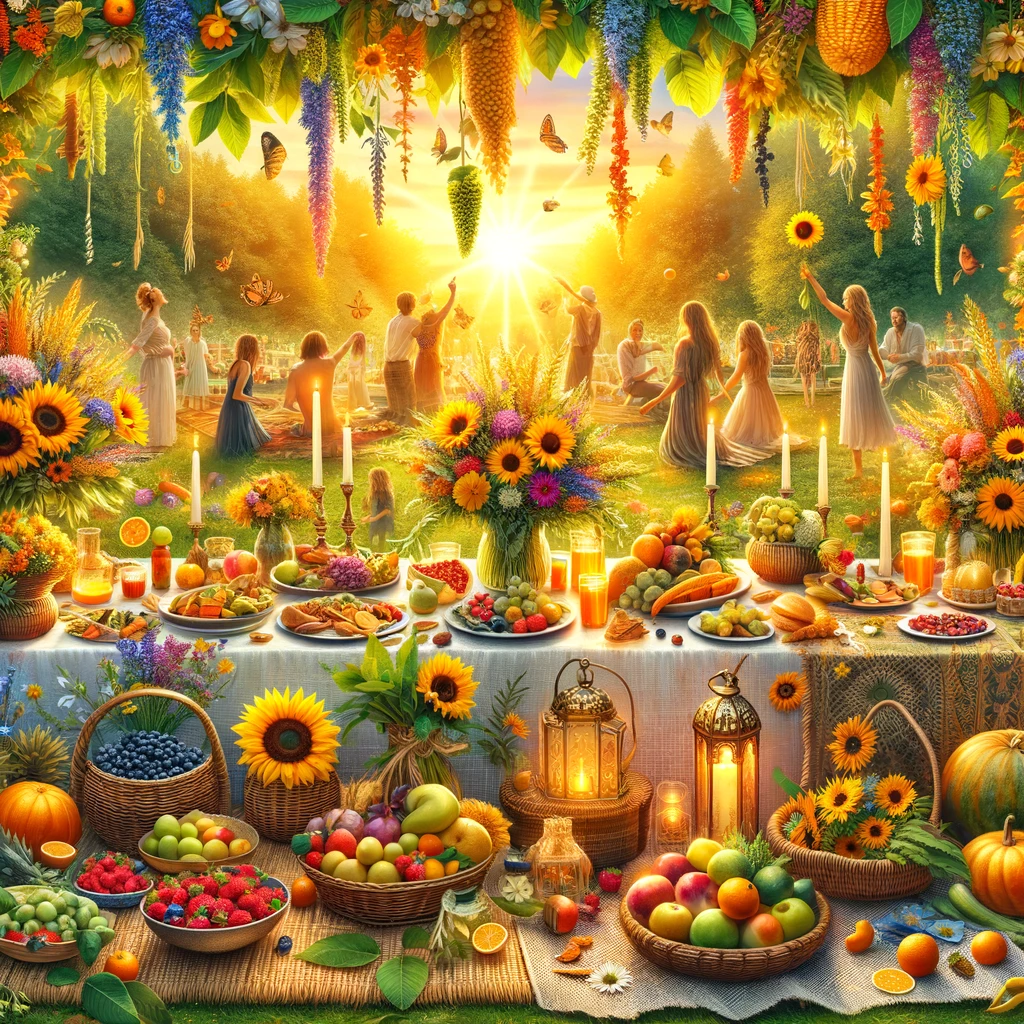
As the sun reaches its zenith and the vibrant energy of Litha fills the air, the Summer Feast becomes a sacred opportunity to immerse yourself in the flavors of the season. This joyous celebration invites you to savor the essence of Litha on your plate by embracing the abundance of fresh, seasonal produce. It is a time to revel in the colors, flavors, and textures that nature graciously provides.

Fruits, Vegetables and Herbs

Incorporating a medley of succulent fruits, crisp vegetables, and aromatic herbs into your recipes not only adds a burst of vibrant colors to your table but also captures the very essence of this enchanting time of year. Seek out nature’s treasures such as plump berries that burst with sweetness, juicy peaches that drip with nectar, and heirloom tomatoes that embody the taste of the sun itself. These ingredients are nature’s gifts, reminding us of the richness and generosity of the earth.

Sun-shaped Bread

To symbolize the power and warmth of the sun, consider baking a golden, sun-shaped bread. Infused with the wholesome goodness of grains and lovingly imbued with your intentions for the season, this loaf becomes a radiant centerpiece that exudes the energy of Litha. As you break bread with your loved ones, you forge deeper connections and celebrate the bonds that nourish your life.

Every bite becomes a celebration of the sun’s life-giving energy, infusing you with vitality and warmth. The flavors dance on your palate, evoking the essence of abundance and reminding you of the interconnectedness between the earth and your own being. As you savor each morsel, take a moment to acknowledge the divine union of nourishment and gratitude.

Let the Summer Feast become a sensory feast as you explore the intricate flavors, the tantalizing aromas, and the delightful textures that nature offers during this time. Allow yourself to be fully present, savoring the harmony of tastes that reflect the vibrant energy of Litha.

As you gather with your loved ones, adorned with the colors and scents of the season, share in the joy of this bountiful feast. Together, celebrate the blessings bestowed upon you by the earth, and honor the nourishment that sustains both body and soul. In the spirit of Litha, let the abundance on your plate reflect the abundant love, joy, and gratitude that fills your heart.

Through the essence of Litha on your plate, may you connect deeply with the cycles of nature, finding inspiration and nourishment in the gifts that surround you. May this celebration of flavors and abundance be a true reflection of the magic and enchantment of this sacred time, leaving you satiated in body and uplifted in spirit.

Colorful Fruit Salad: A Symbol of Abundance

No Summer Feast during Litha would be complete without the inclusion of a vibrant fruit salad, a delightful medley of flavors and hues that embodies the essence of this enchanting season. In crafting this colorful masterpiece, select a variety of seasonal fruits that showcase the brilliance of nature’s palette. Let the natural sweetness of watermelon, the succulence of cantaloupe, the juiciness of strawberries, and the tanginess of oranges take center stage, allowing their flavors to shine through.

Fruit Salad

As you prepare the fruit salad, pay homage to the resplendent colors of the sunset, reminiscent of the warm embrace of the sun during this time of year. Just as the sky transforms into a tapestry of vibrant hues, let the vibrant colors of the fruits ignite your senses and awaken your appreciation for the beauty that surrounds you.

Each juicy bite becomes a celebration of life, a moment to savor the abundance that nature so generously provides. With each spoonful, you partake in the vitality and nourishment that the bountiful earth offers. As you share this fruit salad with your loved ones, allow the refreshing qualities of the fruits to invigorate your body and uplift your spirits. Let the vibrant flavors and vibrant colors remind you of the joy and vitality that fills your being.

As you enjoy the colorful fruit salad, take a moment to express gratitude for the nourishment and joy that the bountiful earth provides. Reflect on the interconnectedness between nature’s abundance and your own well-being, recognizing the symbiotic relationship that sustains and nurtures both body and soul. Let this act of gratitude deepen your connection with the natural world and inspire a sense of reverence for the cycles of life.

With each juicy morsel and every burst of flavor, the colorful fruit salad becomes a symbolic offering of gratitude and appreciation. It is a celebration of the vitality and beauty that is inherent in nature’s bounty. As you indulge in the lusciousness of the fruits, let them awaken your senses and fill your heart with a profound sense of joy and gratitude.

In the spirit of Litha, as the sun shines brightly and nature flourishes, let this colorful fruit salad be a testament to the abundant blessings that surround us. May its vibrant hues and delectable flavors serve as a reminder of the richness and generosity of the earth. Share this refreshing delight with your loved ones, savoring each bite and relishing the nourishing and life-affirming qualities of the fruits.

As you partake in this vibrant feast, may it be a celebration of life, a reflection of the abundance that fills your existence, and a reminder of the joy and gratitude that arise from embracing nature’s gifts.

Feasting with Gratitude and Connection

The Summer Feast during Litha is not merely an occasion to indulge in delectable dishes; it is a sacred moment for gathering, sharing stories, and expressing heartfelt gratitude for the abundant blessings bestowed upon us by the season. As you gather around the table, take a moment to reflect upon the journey of growth and transformation that has brought you to this point, recognizing the interconnectedness between your own life’s journey and the cycles of nature.

With each morsel, express gratitude for the nourishment and sustenance that the earth so generously provides. Let your heart overflow with appreciation for the fruits of the land, the vibrant vegetables, and the savory herbs that grace your feast. Acknowledge the immense gift of sustenance and vitality that nature bestows upon us and honor the vital connection between humanity and the natural world.

As you partake in the Summer Feast, let it be a celebration of the circle of life, a reminder of the intricate web of existence in which we all play a part. Each bite becomes an opportunity to cherish and protect the earth’s resources, recognizing our responsibility as stewards of the environment. Let the flavors and textures of the feast deepen your reverence for the natural world and inspire a commitment to sustainable practices that nurture and preserve the Earth for future generations.

But the feast is not just about nourishing the body; it is also a time to nourish the soul. Engage in meaningful conversations, laughter, and joyful camaraderie with your loved ones. Share stories of growth, transformation, and the lessons learned along the way. Let the Summer Feast become a vessel for creating lasting memories and strengthening the bonds of kinship and community.

In this spirit of gratitude and connection, let the Summer Feast be a sacred space where love, laughter, and appreciation flourish. Embrace the joy of gathering, relishing the flavors, and relishing in the company of those who bring light to your life. Let the feast become a moment of celebration, where gratitude fills every corner of your being, and the warmth of connection envelops the entire table.

As you partake in this feast of abundance, may it ignite a deep sense of gratitude within your heart. May the Summer Feast become a symbol of unity, reminding us of the interconnectedness between ourselves, each other, and the natural world. And may the bonds forged, and memories created during this celebratory gathering be cherished and carry forth the spirit of gratitude and connection throughout the year.

Ritual Basics

Before beginning any ritual, it is important to prepare yourself mentally and physically. You may want to take a cleansing bath, or shower, and meditate or perform some grounding exercises to center yourself. Gather any materials you will need, such as candles, incense, and offerings for the forest spirits.

You can read a more detailed Ritual Preparation guide here.

The Ritual of a Litha Summer Feast

Litha, also known as the summer solstice, is a time of celebration and gratitude for the abundant blessings of the season. One beautiful way to honor this sacred time is through the ritual of a Summer Feast. This feast not only nourishes the body but also symbolizes the unity between nature’s bounty and our lives. We will guide you through the step-by-step instructions of a Litha Summer Feast, explore the significance of materials used, and delve into the magical uses of this ritual.

  • Decorating Colors (e.g. – oranges, yellows, greens)
  • Seasonal decorations (e.g. – flowers, fruits, foliage)
  • Seasonal fruits (e.g. – locally sourced fruits)
  • Vegetables (e.g. – fresh, seasonal vegetables)
  • Herbs (e.g. – locally sourced herbs)
  • Desserts (e.g. – light, flavorful desserts)
  • Table decorations (e.g. – leaves, flowers, woven mats)
  • Lighting (e.g. – candles, lanterns)

Setting the Ambience

  1. Create a warm and inviting atmosphere for your feast by adorning the space with vibrant summer colors, such as oranges, yellows, and greens.
  2. Use seasonal decorations, such as flowers, fruits, and foliage, to enhance the natural beauty and festive ambiance.

Selecting Seasonal Produce

  1. Choose a variety of fresh and seasonal fruits, vegetables, and herbs to incorporate into your feast.
  2. Opt for locally sourced ingredients to support local farmers and foster a deeper connection with the land.

Planning the Menu

  1. Design a menu that celebrates the flavors and abundance of summer.
  2. Include dishes that showcase the seasonal produce, such as colorful salads, grilled vegetables, refreshing fruit platters, and light, flavorful desserts.

Preparation with Intention

  1. As you prepare the food, infuse each ingredient with your intentions and gratitude for the nourishment it provides.
  2. Visualize the vibrant energy of the sun infusing the ingredients, enhancing their flavors, and healing properties.

Setting the Feast Table

  1. Arrange the food on a beautifully decorated table, using natural elements like leaves, flowers, or woven mats as decorations.
  2. Consider incorporating candles or lanterns to add a warm and magical glow to the space.

Expressing Gratitude

  1. Before commencing the feast, gather your loved ones around the table.
  2. Take a moment to express gratitude for the abundance of the season, the connections shared, and the nourishment provided by the Earth.

Sharing and Connecting

  1. Encourage everyone to partake in the feast, savoring each bite and engaging in meaningful conversations.
  2. Share stories, reflections, and moments of inspiration experienced during the season.

Magical Blessings

  1. Invite each participant to offer a blessing, prayer, or wish for the upcoming season.
  2. Encourage them to infuse their words with love, gratitude, and intentions for personal growth, joy, and abundance.
Litha
Rituals

Significance of Materials

Seasonal Produce

Seasonal produce is at the heart of a Litha Summer Feast, representing the abundance and vitality of the summer season. Each ingredient carries the potent energy of the sun, which has nurtured it to maturity. When we consume these foods, we are not just nourishing our bodies but also absorbing the sun’s life-giving energy, enhancing our well-being on multiple levels.

Fruits: Summer fruits like berries, melons, and stone fruits are rich in vitamins and antioxidants. They symbolize sweetness, joy, and the fulfillment of the Earth’s bounty. Their bright colors and juicy textures bring a sense of celebration and indulgence to the feast.

Vegetables: Fresh vegetables such as tomatoes, cucumbers, and peppers are symbols of growth and health. They provide essential nutrients and are a reminder of the Earth’s continuous cycle of giving. Incorporating them into the feast is a way of honoring the Earth’s fertile ground.

Herbs: Aromatic herbs like basil, mint, and rosemary not only enhance the flavor of the dishes but also carry specific energetic properties. For example, basil is known for its protective qualities, mint for its invigorating and refreshing nature, and rosemary for remembrance and clarity.

Grains: Grains such as corn and wheat, which reach their peak during the summer months, symbolize the fruition of the growing season and the promise of continued abundance. They are staples that ground us and connect us to the cycles of planting and harvest.

Decorations and Colors

The decorations and colors chosen for a Litha altar and feast setting are rich with symbolism, enhancing the ritual’s atmosphere and deepening our connection to the energy of the season.

Flowers: Summer flowers like sunflowers, daisies, and marigolds embody the sun’s vibrant energy. They bring brightness and cheer to the altar, representing the flourishing life all around us. The use of flowers connects us to the Earth’s natural beauty and the joy of summer.

Candles: Golden, yellow candles symbolize the sun’s light and warmth. Lighting candles on the altar and around the feast area creates a sacred space that honors the sun’s peak power. The flickering flames are a reminder of the sun’s enduring presence and the fire within each of us.

Tablecloths and Fabrics: Using cloths in colors such as bright yellows, oranges, and fiery reds evokes the heat and energy of the summer solstice. These fabrics set the tone for the feast, making the space feel festive and alive. They serve as the foundation for the altar and the dining area, grounding the ritual in the season’s energy.

Natural Elements: Incorporating natural elements like leaves, branches, and stones brings the outdoors in, creating a seamless connection between the feast and the natural world. These elements remind us of our place within the greater web of life and the importance of living in harmony with nature.

Symbolic Items: Items such as sun symbols, cauldrons, and chalices add layers of meaning to the altar. A cauldron represents transformation and the alchemical processes that occur during this potent time. A chalice symbolizes the divine feminine and the sacred union of opposites, essential themes during Litha.

By carefully selecting and arranging these materials, we not only create a visually appealing and energetically vibrant space but also invite the powerful energies of the summer solstice into our lives. Each item on the Litha altar and feast table serves as a conduit for connection, celebration, and transformation, making the ritual a profound experience that honors the season’s bounty and the interconnectedness of all life.

Magical Uses of a Litha Summer Feast

Nourishment and Abundance

The Litha Summer Feast is more than a mere gathering for a meal; it is a profound celebration of the Earth’s abundance and a time to foster gratitude for the sustenance it provides.

Seasonal Produce: By choosing fruits, vegetables, and herbs that are at their peak, we honor the Earth’s cycles and the energy it has bestowed upon us. Each bite becomes a ritual, a way to ingest the vitality and life force present in the food.

Energetic Connection: As we consume the food, we attune ourselves to the land’s energy. This connection is not just physical but spiritual, as food carries the sun’s warmth and the Earth’s nurturing qualities.

Gratitude: The feast is a time to express deep gratitude for the abundance of the season. This gratitude can be articulated through prayers, meditations, or simply a heartfelt acknowledgment of the Earth’s gifts. Such expressions enhance our appreciation for the natural world and our place within it.

Setting Intentions and Manifestation

The Summer Feast provides a sacred opportunity to set intentions for the coming months, aligning our personal goals with the powerful energy of the solstice.

Intentional Cooking: As you prepare each dish, infuse it with your intentions. Visualize your goals and desires being supported by the food’s energy. This might involve speaking affirmations over the ingredients or meditating on your intentions as you cook.

Ritual Dishes: Create specific dishes that represent your goals. For example, a dish with fresh greens might symbolize new growth and opportunities, while a sweet dessert could represent the sweetness and joy you seek in your life.

Symbolic Eating: When consuming the meal, focus on each bite as an act of manifestation. Imagine your intentions taking root and growing within you, nourished by the food’s energy. This ritual transforms the act of eating into a powerful tool for manifestation.

Communion and Connection

The act of sharing the Litha feast with loved ones is a powerful way to strengthen bonds, cultivate a sense of community, and deepen connections.

Shared Meals: Eating together fosters a sense of unity and togetherness. It provides an opportunity for joy, laughter, and the celebration of life’s blessings. Through communal eating, we create and reinforce bonds of friendship and family.

Storytelling: Encourage guests to share stories, reflections, and moments of inspiration experienced during the season. These narratives deepen the sense of connection and allow for a richer, more communal experience.

Collective Intentions: Invite everyone to share their intentions for the upcoming season. This collective setting of goals creates a supportive network, enhancing the likelihood of each person’s intentions coming to fruition.

Ritual of Gratitude

Gratitude is a central theme of the Litha Summer Feast, emphasizing our interconnectedness with the natural world.

Gratitude Rituals: Begin the feast with a ritual of gratitude. This could involve a moment of silence, a prayer, or a round of expressions of thanks from each participant. Acknowledge the Earth’s abundance and the blessings it has bestowed upon you.

Thankfulness for Each Element: As you partake in each dish, take a moment to express gratitude for the specific elements that went into it. Thank the Earth for the vegetables, the farmers for their labor, and the sun for its life-giving energy.

Gratitude Offerings: Consider leaving a portion of the feast as an offering to the Earth. This act of giving back symbolizes the reciprocity between humans and the natural world, fostering a sense of appreciation and respect for the cycles of nature.

By integrating these magical uses into your Litha Summer Feast, you transform a simple meal into a profound ritual of connection, intention, and gratitude. This practice not only honors the season’s abundance but also aligns your personal energies with the transformative power of the summer solstice. May your feast be a source of inspiration, joy, and deep spiritual fulfillment.

Conclusion

The Litha Summer Feast is a sacred ritual that celebrates the abundance, nourishment, and unity between nature and our lives. By following the step-by-step instructions and incorporating seasonal produce, you create a feast that honors the energy of the season and fosters a deeper connection with the Earth. The feast becomes a magical and transformative experience as you infuse each ingredient with intention, express gratitude, and share in the joy of communal celebration. As we gather around the table, indulging in delicious dishes prepared with seasonal ingredients, let us not forget the true purpose of this feast. It is a time for gratitude, reflection, and unity—an opportunity to honor the Earth’s generosity and our interconnectedness with all living beings. May this Litha Summer Feast bring you closer to the beauty of nature, ignite your senses, and inspire a season of abundance, love, and connection. Let it also serve as a reminder of our responsibility to protect and preserve the natural world. The bonds forged and memories created during this celebration will nourish our spirits throughout the year. As we come together in joy and appreciation, let us carry the spirit of the Summer Feast in our hearts, fostering a deep sense of gratitude, connection, and reverence for the beauty that surrounds us.

Posted on Leave a comment

Ritual: Creating a Sacred Litha Altar

Litha Altar
Litha Altar

Introduction

Harnessing the Summer Solstice

The summer solstice, known as Litha, is a time of abundant light, vibrant energy, and the celebration of nature’s bounty. Creating a dedicated Litha altar is a powerful ritual that allows us to honor the sun’s radiance and connect with the energy of this enchanting season. In this article, we will explore the art of crafting a Litha altar, including its purpose, what to include on it, where to place it, and important safety considerations to ensure a meaningful and safe experience.

What is a Litha Altar?

To honor and celebrate this significant turning point in the year, many individuals create a sacred space known as the Litha altar. This section delves into the essence and purpose of a Litha altar, highlighting its role as a physical representation of our connection with nature, the sun, and the abundance that characterizes the season. By thoughtfully arranging specific items on the altar, we harness the power of symbolism to create an enchanting and energetically charged space that amplifies our intentions and spiritual practice.

A Litha altar serves as a dedicated focal point for honoring and celebrating the summer solstice, the longest day and shortest night of the year. It invites us to embrace the radiant energy of the sun and the abundance of the season. By creating this sacred space, we actively participate in the cyclical rhythms of nature, attuning ourselves to the profound shifts occurring in the world around us.

The Litha altar acts as a tangible symbol of our deep connection with nature and the sun. Through its carefully chosen elements, it mirrors the beauty and vitality of the natural world. Vibrant flowers, lush greenery, and representations of the sun itself evoke a sense of reverence and harmony with the environment. The altar becomes a bridge between the human experience and the magnificent tapestry of life unfolding during the summer solstice.

Intentional arrangement of specific items on the Litha altar serves a purpose beyond mere aesthetics. Each item holds symbolic significance, creating a visually captivating and energetically charged space that amplifies our intentions and spiritual practice. The selection of herbs, crystals, candles, and other meaningful objects empowers us to focus our thoughts, infuse them with purpose, and deepen our connection with the energy of the solstice. It becomes a place for meditation, ritual, and intention-setting, supporting us in manifesting our desires and aligning ourselves with the transformative power of the season.

When crafting a Litha altar, careful consideration is given to the visual appeal and energetic resonance of the space. Vibrant colors, such as the golden hues of candles or the vivid petals of sunflowers, capture the essence of the sun’s radiance. Fresh herbs and seasonal fruits represent the bountiful harvest and abundance of the earth. By arranging these elements thoughtfully and with reverence, we create a visually captivating and energetically charged space that not only uplifts our spirits but also invites the energies of Litha to flow freely.

A Litha altar is far more than a mere decorative arrangement. It is a sacred space that honors the summer solstice, our connection with nature, and the abundance of the season. By thoughtfully selecting and arranging specific items, we create a visually captivating and energetically charged space that amplifies our intentions and spiritual practice. The Litha altar becomes a focal point for celebration, manifestation, and deepening our connection with the transformative energies of the solstice. May the creation and exploration of your Litha altar inspire a profound sense of connection and reverence for the radiant beauty of the summer season.

What to Put on a Litha Altar

Vibrant flowers, such as sunflowers, daisies, or marigolds, hold a special place on the Litha altar. They represent the beauty and vitality of summer, embodying the energy of the sun. These blossoms symbolize growth, joy, and abundance, infusing the altar with their vibrant colors and uplifting fragrance.

Incorporating representations of the sun and fire on the Litha altar is essential. Golden candles, sunburst designs, or a small solar disc serve as powerful symbols of the sun’s life-giving energy. They radiate warmth, light, and illumination, reminding us of the transformative power of the summer solstice.

Including natural elements on the Litha altar strengthens our connection with the earth and its abundance. Seashells, crystals, and gemstones represent the beauty and diversity found in nature. They serve as reminders of the earth’s nurturing qualities and the rich resources it offers during this fertile season. A small dish of salt or a bowl of soil can also be added to symbolize the grounding and fertile energies of the earth.

Incorporating summer fruits, such as berries and citrus, is a wonderful way to honor the abundance of the season. These fruits are vibrant, refreshing, and nourishing, representing the gifts of nature’s harvest. Placing them on the altar symbolizes the fruitful abundance of the earth and expresses gratitude for its sustenance.

Including sacred tools and symbols on the Litha altar enhances spiritual practice and intention-setting. A cauldron represents transformation and the alchemical processes occurring during this potent time of the year. A chalice symbolizes the divine feminine and the sacred union of opposites. A wand can be added to represent the power of manifestation and the ability to direct energy. These tools act as conduits for focusing intentions and working with the energies of the solstice.

Leaving offerings on the Litha altar is a way to show gratitude for the blessings of the season. Honey, mead, or freshly picked herbs can be placed as offerings, representing the sweetness, abundance, and healing properties of the earth’s gifts. These offerings serve as a reminder of the reciprocity between humans and the natural world, fostering a sense of gratitude and harmony.

By carefully selecting and arranging these items on the Litha altar, we infuse the space with symbolic significance. Each element represents aspects of the season, the sun’s energy, and our connection with nature. The altar becomes a visual and energetic representation of the sacred union between humanity and the natural world, inviting us to embrace the transformative energies of Litha and celebrate the abundance and vitality of the summer solstice.

Where to Have a Litha Altar

When it comes to placing your Litha altar, it is essential to select a location that resonates with your personal connection to nature and the solstice energy. Whether indoors or outdoors, the placement of your altar should reflect your intentions and provide a serene space for reflection and celebration. Here are some considerations for finding the perfect spot:

Indoors

If you prefer an indoor altar, consider dedicating a table or a corner in a well-lit room. Look for a space that feels peaceful and inviting, where you can create a sacred atmosphere. A sunny windowsill can be an ideal spot, as it allows the sun’s rays to filter through, symbolizing the essence of the solstice. Ensure the area is clean, decluttered, and free from distractions, allowing you to focus on your connection with the energies of Litha.

Outdoors

Embracing the natural surroundings during Litha can enhance your experience. Find a peaceful spot in your garden, backyard, or a nearby park to set up your outdoor Litha altar. Look for an area that offers a sense of tranquility and allows you to connect with the elements. You may choose to create a permanent altar if you have a dedicated outdoor space or opt for a temporary setup on a patio or balcony if you have limited outdoor access.

Considerations for Outdoor Placement

Whether you choose an indoor or outdoor location, the key is to find a space that feels harmonious and conducive to your spiritual practice. Remember to consider practicality, comfort, and the availability of space. Trust your intuition and select a location that aligns with your intentions for honoring and celebrating the summer solstice.

Stability

Ensure that the surface you choose for your altar is stable and secure. It should be able to withstand any wind or weather conditions. You can place a cloth or mat as a foundation for your altar items.

Privacy

Select a location that offers privacy and solitude, allowing you to fully immerse yourself in the rituals and meditation associated with Litha. This will provide a tranquil environment for your practice and foster a deeper connection with the energies of the season.

Connection with Nature

Look for a spot that allows you to feel connected to the natural elements. It could be under a shade tree, near a blooming flower bed, or by a gently flowing stream. Surrounding yourself with the beauty of nature enhances the sacredness of your altar and strengthens your connection with the seasonal energy.

By intentionally choosing a suitable location for your Litha altar, you create an environment that supports your connection with the energies of the season. It becomes a sacred space where you can immerse yourself in the beauty of nature and honor the vibrant energy of the summer solstice.

Creating a Sacred Litha Altar

Litha, the celebration of the summer solstice, is a time of vibrant energy, abundance, and the power of the sun. Creating a sacred Litha altar allows us to honor and harness this potent energy, connect with the natural world, and deepen our spiritual practice. We will guide you through the step-by-step process of creating a sacred Litha altar, explore the significance of materials used, and delve into the magical uses of the altar during this ritual.

Ritual Basics

Before beginning any ritual, it is important to prepare yourself mentally and physically. You may want to take a cleansing bath, or shower, and meditate or perform some grounding exercises to center yourself. Gather any materials you will need, such as candles, incense, and offerings for the forest spirits.

You can read a more detailed Ritual Preparation guide here.

Creating a Sacred Litha Altar
Litha, the celebration of the summer solstice, is a time of vibrant energy, abundance, and the power of the sun. Creating a sacred Litha altar allows us to honor and harness this potent energy, connect with the natural world, and deepen our spiritual practice. We will guide you through the step-by-step process of creating a sacred Litha altar, explore the significance of materials used, and delve into the magical uses of the altar during this ritual.

  • Vibrant Litha-colored cloth or fabric (such as yellows, oranges, and fiery reds)

Symbols of the Elements

  • Earth (i.g. – small dish of soil, a potted plant, or crystals like moss agate or green aventurine )
  • Air (i.g. – feathers, incense, or a small fan)
  • Fire (i.g. – candles or small representations of flames )
  • Water (i.g. – a small bowl of water, a seashell, or a small fountain )

Additional Symbols

  • Representations of the sun (a sun-shaped ornament, a small solar deity statue, or a gold-colored fabric)
  • The natural world (Seasonal herbs such as lavender, rosemary, or chamomile and/ or flowers, leaves, or branches)
  • (optional) Representation of the specific deity or spiritual guides (Pictures or Stattuettes)

Sacret Symbols & Tools

  • a cauldron or a small bowl
  • a wand
  • tarot or orecle cards

Choose a Sacred Space

  1. Select a dedicated space in your home or outdoors where you can create and maintain your Litha altar throughout the season.
  2. It could be a tabletop, a shelf, or a quiet corner in your garden.

Set the Foundation

  1. Begin by covering the surface of your altar with a vibrant cloth or fabric that resonates with the colors of Litha, such as yellows, oranges, and fiery reds.
  2. This foundation represents the fertile earth and the vibrant energy of the sun.

Honor the Elements

  1. Arrange items that represent the four elements on your altar.
  2. Earth: Place a small dish of soil, a potted plant, or crystals like moss agate or green aventurine to symbolize grounding and growth.
  3. Air: Add feathers, incense, or a small fan to represent the element of air and its qualities of communication and inspiration.
  4. Fire: Incorporate candles or small representations of flames to embody the transformative energy of fire.
  5. Water: Include a small bowl of water, a seashell, or a small fountain to symbolize the element of water and its connection to emotions and intuition.

Embrace the Solar Energy

  1. Place representations of the sun on your altar, such as a sun-shaped ornament, a small solar deity statue, or a gold-colored fabric.
  2. These items symbolize the power and warmth of the sun, inviting its energy into your sacred space.

Connect with Nature

  1. Bring elements from the natural world onto your altar to deepen your connection with nature during Litha.
  2. Add flowers, leaves, or branches from seasonal plants to honor the growth and abundance of the season.
  3. Incorporate herbs such as lavender, rosemary, or chamomile, which are traditionally associated with Litha and possess their own unique properties.

Invoke the Divine

  1. If you have specific deities or spiritual guides you wish to work with during Litha, include representations or images of them on your altar.
  2. You may choose solar deities like Apollo, Ra, or Brigid, or any other deities that resonate with the energy of the sun and the season.
  3. Place symbols or images of these deities in a prominent position on your altar, inviting their blessings and guidance.

Sacred Symbols and Tools

  1. Add symbols and tools that hold personal significance or represent your intentions for the season.
  2. Place a cauldron or a small bowl for burning herbs or offering intentions.
  3. Use a wand or a crystal wand to direct energy and set intentions.
  4. Include tarot or oracle cards for divination and guidance.
Litha
Rituals

Magical Uses of the Altar

Harnessing the energy of Litha, the summer solstice, through the creation of a sacred altar can significantly enhance your spiritual practice. This altar serves as a dedicated focal point for your intentions, rituals, and connection with the vibrant energies of the season. By setting intentions, offering prayers, performing rituals and divination, and fostering a deeper connection with the divine, the Litha altar becomes a powerful tool for manifesting your desires and aligning with the transformative forces of nature. Let’s delve into how to utilize your Litha altar for these magical purposes.

Altar as a Sacred Focal Point

The Litha altar serves as a powerful focal point for your intentions, rituals, and connection with the energy of Litha. It becomes a dedicated space for spiritual practice, embodying the vibrancy and abundance of the summer solstice. Here, you can meditate, perform rituals, and work with the seasonal energies to manifest your desires and deepen your connection with the divine.

Setting Intentions and Offering Prayers

Use the altar to set your intentions for the coming months. This might involve writing down your goals and dreams on pieces of paper and placing them on the altar. Offering prayers to the deities and natural spirits of Litha, such as the sun god or goddess, can help align your energy with the potent forces of the season.

Performing Rituals and Divination

The altar is an ideal space for performing Litha rituals, which might include lighting candles to honor the sun, making offerings of summer fruits, or crafting protective charms. It’s also a perfect setting for divination practices. Whether you use tarot cards, runes, or scrying, the altar’s energy can enhance your ability to gain insights and guidance.

Connecting with the Divine

Simply spending time at your Litha altar, in quiet reflection or active worship, can foster a deeper spiritual connection. This sacred space allows you to feel the presence of the divine more intimately and to immerse yourself in the seasonal energies of growth, light, and abundance.

Significance of Materials

The materials chosen for your Litha altar hold profound symbolic and energetic significance, enhancing the overall spiritual experience. The cloth or fabric that forms the base of your altar represents the fertile earth, grounding your space in the essence of nature. Vibrant colors like yellows, oranges, and fiery reds are ideal, as they evoke the sun’s warmth and vitality at its peak, setting a vibrant and powerful tone for your rituals. Adding crystals and gemstones further amplifies the altar’s energy, each stone bringing its unique properties to the mix. For instance, moss agate symbolizes growth and abundance, fostering a deep connection to nature and encouraging personal growth. Meanwhile, green aventurine attracts prosperity, luck, and harmonious relationships, enhancing your capacity to manifest joy and abundance. Together, these elements create a sacred and energetically charged space that aligns perfectly with the essence of Litha.

Cloth or Fabric

The cloth or fabric you choose for your Litha altar represents the foundation and fertile earth. Opt for colors that embody the energy of Litha, such as vibrant yellows, oranges, and fiery reds. These hues evoke the warmth and vitality of the sun at its peak and set the tone for your altar’s energy. A beautifully chosen cloth can also add a sense of sacredness and beauty to your rituals.

Crystals and Gemstones

Crystals and gemstones play a significant role in enhancing the energy of your Litha altar. They not only add beauty but also amplify specific intentions and qualities you wish to bring into your life.

Moss Agate: This crystal symbolizes growth, abundance, and a deep connection to nature. Place moss agate on your altar to encourage personal growth and to attract the bountiful energies of the earth. It’s particularly effective for enhancing fertility and nurturing new beginnings.

Green Aventurine: Known for enhancing prosperity, luck, and harmonious relationships, green aventurine is a powerful stone for manifesting abundance and joy. Incorporate it into your altar to attract good fortune and to foster a sense of harmony in your interactions and relationships.

Enhancing Your Magical Practices

Creating a Litha altar is not merely about aesthetics; it’s about infusing your space with powerful, intentional energy that aligns with the vibrant themes of the summer solstice. By incorporating herbs and flowers, you bring in the essence of protection, calm, and the sun’s vitality. Candles and fire elements are pivotal, symbolizing illumination and transformation. Adding sacred tools such as a chalice, wand, and athame enhances your rituals and meditations, helping you harness the potent energies of Litha. Each carefully chosen item transforms your altar into a sanctuary of vibrant energy and sacred intention, fostering spiritual growth and a deeper connection with nature. May your Litha altar inspire and empower you, serving as a transformative space to celebrate the abundant energies of this magical season.

Herbs and Flowers

Adding herbs and flowers to your altar can greatly enhance its magical potency. Use herbs such as rosemary for protection, lavender for calm and clarity, and sunflowers to honor the sun’s energy. Fresh flowers not only beautify the space but also infuse it with the vibrant life force of summer.

Candles and Fire Elements

Candles are a central element of Litha altars, symbolizing the sun’s light and warmth. Use them to illuminate your space, making sure to choose colors that resonate with the season. Fire elements, such as a small cauldron or a sun symbol, can also be added to represent the transformative power of fire.

Sacred Tools

Incorporate sacred tools that are meaningful to your practice, such as a chalice for water, a wand for directing energy, and an athame for cutting through obstacles. These tools can be used in various rituals and meditations, helping you to harness and direct the potent energies of Litha.

Creating an Energetic Sanctuary

Your Litha altar is more than just a decorative setup; it’s a sanctuary of vibrant energy and sacred intention. By thoughtfully selecting and arranging items that resonate with the themes of Litha, you create a space that supports your spiritual growth and connects you with the rhythms of nature. May your altar be a source of inspiration, empowerment, and transformation as you celebrate the summer solstice and harness the abundant energies of this magical season.

Creating a sacred Litha altar allows us to connect with the powerful energy of the sun and the abundance of the summer season. By following the step-by-step instructions and incorporating meaningful materials, we can create a sacred space that nurtures our spiritual practice. The altar serves as a focal point for intention setting, rituals, and connection with the divine. Embrace the solar energy, honor the elements, and connect with the cycles of nature as you create and work with your Litha altar. May your sacred space be filled with the vibrant energy of Litha, guiding you on a transformative and abundant spiritual journey.

The Purpose of a Litha Altar

A Litha altar serves as a sacred space to honor the summer solstice, a time of radiant sunlight and bountiful energy. This dedicated space is not only for celebration but also for expressing gratitude, fostering a deep connection with nature, and setting powerful intentions for personal and spiritual growth. By thoughtfully placing symbolic items on the altar, we create a focal point that magnifies our desires and aligns us with the transformative energies of the season. Through celebration, connection, and intention-setting, the Litha altar becomes a beacon of light, guiding us towards harmony with the natural world and the rhythms of the earth.

Celebration and Gratitude

It provides a dedicated space to celebrate the summer solstice, express gratitude for the abundance of the season, and honor the sun’s radiant energy.

Connection with Nature

The altar helps foster a deeper connection with nature and the cycles of the earth. It serves as a reminder of our interconnectedness with the natural world and encourages us to live in harmony with its rhythms.

Intention Setting

By placing items and symbols on the altar, we can infuse them with our intentions, dreams, and aspirations. The altar becomes a focal point for manifesting our desires and aligning ourselves with the transformative energy of the summer solstice.

Safety Considerations

Creating a Litha altar is a beautiful way to celebrate the summer solstice, but it’s essential to keep safety in mind to ensure a harmonious and secure environment. Whether your altar is indoors or outdoors, taking precautions can prevent accidents and maintain the sanctity of your sacred space. Key safety considerations include proper fire safety practices, securing outdoor altars against the elements, and ensuring that pets and young children cannot accidentally disrupt or harm the altar’s elements. By prioritizing safety, you can fully immerse yourself in the spiritual and celebratory aspects of Litha without worry.

Fire Safety

If using candles, ensure they are placed on a stable surface away from flammable items and are never left unattended. Consider using flameless LED candles as a safer alternative.

Outdoor Altars

If placing your altar outdoors, protect it from wind, rain, and direct sunlight. Secure lightweight items to prevent them from falling or being blown away.

Pet and Child Safety

If you have pets or young children, ensure that the altar is placed out of their reach to prevent accidents or damage to the sacred items.

Crafting a Litha altar is a beautiful and meaningful way to connect with the energy of the summer solstice and celebrate the abundance of the season. By carefully selecting and arranging symbolic items, expressing gratitude, and setting intentions, the altar becomes a powerful tool for spiritual practice and manifestation. Remember to choose a suitable location, exercise safety precautions, and infuse your altar with love and reverence. May your Litha altar serve as a sacred space for connection, celebration, and transformation during this radiant time of the year.

Conclusion

As we celebrate Litha and honor the summer solstice, the creation of a Litha altar stands as a testament to our connection with the vibrant energies of the season. This sacred space, thoughtfully adorned and reverently maintained, becomes a beacon of light, gratitude, and intention. Through the practice of crafting and tending to our Litha altars, we embrace the abundance, vitality, and transformative power of the sun, inviting its radiant energy into our lives and celebrating the boundless beauty of the natural world.
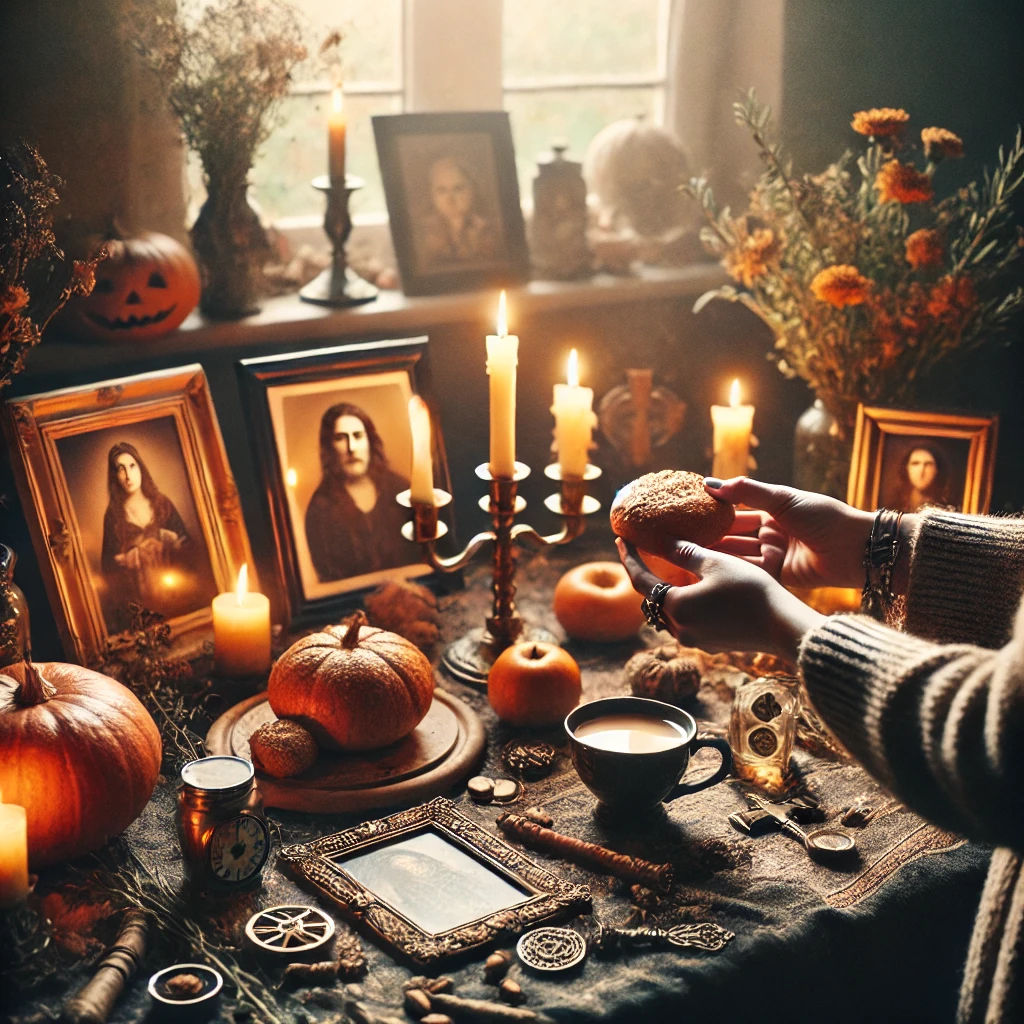

Posted on Leave a comment

Ritual: Hecate’s Lunar Cycle

Hecate Lunar Cycle Ritual

Introduction

Navigating the Phases of Transformation

Embark on a sacred journey through the mystical realms of Hecate’s Lunar Cycle Ritual, a profound exploration of the phases of transformation guided by the goddess of the crossroads. Rooted in ancient wisdom and lunar magic, this ritual offers a sacred space to navigate the ebbs and flows of the moon’s cycles, inviting profound insights, healing, and empowerment into your life. As you gather your ingredients and prepare your sacred space, envision yourself stepping into a realm where the veil between worlds is thin, and the energies of Hecate flow freely, guiding you on a journey of self-discovery and growth.

Ritual Basics

Before beginning any ritual, it is important to prepare yourself mentally and physically. You may want to take a cleansing bath, or shower, and meditate or perform some grounding exercises to center yourself. Gather any materials you will need, such as candles, incense, and offerings for the forest spirits.

You can read a more detailed Ritual Preparation guide here.

Hecate’s Lunar Cycle Ritual

Embark on a sacred journey through the mystical realms of Hecate’s Lunar Cycle Ritual, a profound exploration of the phases of transformation guided by the goddess of the crossroads. Rooted in ancient wisdom and lunar magic, this ritual offers a sacred space to navigate the ebbs and flows of the moon’s cycles, inviting profound insights, healing, and empowerment into your life. As you gather your ingredients and prepare your sacred space, envision yourself stepping into a realm where the veil between worlds is thin, and the energies of Hecate flow freely, guiding you on a journey of self-discovery and growth.

  • A set of three candles (black, white, and silver)
  • A small mirror or reflective surface
  • Moonstone or labradorite crystal
  • A journal or parchment and pen
  • Mugwort or vervain for purification (for purification)
  • Offerings: (dark chocolate, lavender, or myrrh incense)

Preparation

  1. Choose a quiet and comfortable space where you can see the moon or feel its energy. Ideally, perform this ritual outdoors, but if that’s not possible, position yourself near a window with a view of the moon.
  2. Arrange the three candles in a triangle formation on your altar, placing the black candle at the bottom, the white candle to the right, and the silver candle to the left.
  3. Set the mirror or reflective surface at the center of the triangle. Place the moonstone or labradorite on the mirror.

Cleansing and Purification

  1. Light the mugwort or vervain for purification, allowing the smoke to cleanse your space. Pass the crystals and candles through the smoke, consecrating them with lunar energy.

Invocation

  1. Begin the ritual by invoking Hecate, acknowledging her as the guardian of the lunar cycles and the mistress of transformation. Express your respect and invite her presence into your sacred space.

Candle Lighting

  1. Light the black candle, representing the waning moon and the phase of release. As you light it, reflect on what you need to let go of during this lunar cycle. Place any burdens or challenges at Hecate’s feet.
  2. Light the white candle, symbolizing the waxing moon and the phase of manifestation. Focus on what you wish to attract and manifest during this lunar cycle. Imagine your desires coming to fruition.
  3. Light the silver candle, signifying the full moon and the phase of illumination. As the silver flame dances, seek clarity and insight. Ask Hecate to reveal hidden truths and guide you on your journey.

Reflective Meditation

  1. Gaze into the mirror, allowing the moonstone or labradorite to reflect the moon’s energy. Enter a meditative state, seeking guidance and insights from Hecate. Pay attention to any symbols, visions, or messages that come to you.

Offerings

  1. Place offerings of dark chocolate, lavender, or myrrh incense at the center of the triangle. These are gifts symbolizing your appreciation for Hecate’s guidance and presence.

Journaling

  1. Open your journal or parchment and pen down any insights, messages, or emotions that arose during the ritual. This is a sacred record of your connection with Hecate’s lunar cycle.

Closing

  1. Thank Hecate for her guidance and energy. Blow out the candles, starting with silver, then white, and finally black. Carry the moonstone or labradorite with you as a talisman throughout the lunar cycle, symbolizing your connection with Hecate’s transformative energies. This Hecate’s Lunar Cycle Ritual is a personal journey through the phases of the moon, allowing you to align with the goddess’s wisdom and harness the transformative energies of each lunar phase in your life.
Hecate
Hecate, Moon Magic
Rituals

Conclusion

As the candles flicker and the moon’s gentle glow illuminates your sacred space, take a moment to reflect on the profound journey you’ve embarked upon through Hecate’s Lunar Cycle Ritual. With each phase of the moon, you’ve delved deeper into the depths of your soul, shedding light on hidden truths, releasing what no longer serves you, and manifesting your deepest desires. As you bid farewell to this sacred space, carry with you the wisdom and insights gained, knowing that Hecate’s guiding presence is always with you, guiding you through the cycles of transformation and empowering you to embrace the fullness of your being. Blessed be.

Posted on Leave a comment

Ritual: How to Decorate Eggs for Ostara

Making Ostara Eggs
Making Ostara Eggs

Introduction

Infusing Symbolism and Creativity

Egg decorating stands as a timeless tradition, deeply intertwined with the fabric of seasonal celebrations, none more so than Ostara, the vibrant festival heralding the arrival of spring and renewal. Across cultures and epochs, this joyful activity has united communities in a colorful display of creativity and symbolism. As we embark on this journey of artistic expression, we not only adorn eggs with vibrant hues and intricate patterns but also imbue them with the essence of the season. Join us as we delve into the art of egg decorating for Ostara, exploring the significance of colors and the myriad symbols that infuse this cherished tradition with meaning and magic.

Ritual Basics

Before beginning any ritual, it is important to prepare yourself mentally and physically. You may want to take a cleansing bath, or shower, and meditate or perform some grounding exercises to center yourself. Gather any materials you will need, such as candles, incense, and offerings for the forest spirits.

You can read a more detailed Ritual Preparation guide here.

How to Decorate Eggs for Ostara

Egg decorating stands as a timeless tradition, deeply intertwined with the fabric of seasonal celebrations, none more so than Ostara, the vibrant festival heralding the arrival of spring and renewal. Across cultures and epochs, this joyful activity has united communities in a colorful display of creativity and symbolism. As we embark on this journey of artistic expression, we not only adorn eggs with vibrant hues and intricate patterns but also imbue them with the essence of the season. Join us as we delve into the art of egg decorating for Ostara, exploring the significance of colors and the myriad symbols that infuse this cherished tradition with meaning and magic.

  • Paintbrushes
  • Markers
  • Stickers
  • Egg carton or stand
  • Protective covering for your work surface
  • Hard-boiled eggs or favored decorating eggs
  • Non-toxic paints or food coloring
  1. Prepare Your Eggs Start by boiling your eggs until they are hard-boiled and allow them to cool completely before decorating. You can prepare as many eggs as you like, depending on the size of your gathering and your decorating ambitions. Alternatively, gather up faux eggs, wooden or plastic.
  2. Set Up Your Workspace Cover your work surface with a protective covering to prevent any messes. Lay out your paints, markers, stickers, and other decorating materials within easy reach.
  3. Choose Your Colors Colors play a significant role in egg decorating, with each hue carrying its own symbolism. (See Below for list of colors.)
  4. Add Meaningful Symbols In addition to colors, you can incorporate meaningful symbols into your egg designs to honor Ostara and the themes of spring and renewal. (See Below for list of symbols.)
  5. Get Creative Let your imagination soar as you decorate your eggs with colors and symbols that resonate with you. Experiment with different designs, patterns, and techniques to create truly unique and beautiful creations.
  6. Display and Enjoy Once your eggs are decorated to your satisfaction, carefully place them in an egg carton or stand to dry. Display them proudly as a centerpiece on your Ostara altar or table or give them as gifts to friends and loved ones to spread the joy of the season.

Consider incorporating the following colors into your designs:

Yellow: Symbolizes the vibrant energy of the sun, evoking feelings of warmth, vitality, and optimism. It represents the dawning of new beginnings, growth, and the promise of a fresh start.

Green: Reflects the lushness of spring foliage and the renewal of nature. It symbolizes fertility, abundance, and the vitality of life bursting forth after the dormancy of winter. Green also embodies harmony, balance, and a deep connection to the earth.

Blue: Represents the clear skies of spring, symbolizing clarity, truth, and spiritual insight. It evokes feelings of serenity, peace, and tranquility, inviting us to align with the harmonious rhythms of nature and the universe.

Pink: Symbolizes love, compassion, and the gentle nurturing energy of the season. It embodies feelings of tenderness, affection, and emotional renewal, reminding us to cultivate kindness and connection in our relationships.

Purple: Signifies spiritual awakening, wisdom, and transformation. It represents the divine connection between the physical and spiritual realms, inviting us to delve deeper into our inner wisdom and explore the mysteries of the soul.

White: Represents purity, innocence, and the blank canvas of new possibilities. It embodies the pristine beauty of freshly fallen snow and the purity of untouched landscapes, signaling a clean slate and the potential for growth, enlightenment, and spiritual rebirth.

Orange: Symbolizes creativity, enthusiasm, and the zest for life. It represents the warmth of the sun as it bathes the earth in its golden glow, infusing everything with energy and vitality. Orange also evokes feelings of joy, optimism, and adventure, inspiring us to embrace new opportunities and pursue our passions.

Red: Reflects the fiery energy of the sun and the vitality of life force energy. It symbolizes passion, courage, and strength, igniting the flames of creativity and determination within us. Red also represents love and desire, reminding us to follow our hearts and pursue our deepest desires with passion and conviction.

Gold: Signifies abundance, prosperity, and spiritual enlightenment. It represents the radiant energy of the sun and the preciousness of life’s treasures. Gold also symbolizes achievement, success, and the fulfillment of our highest aspirations, reminding us of the infinite possibilities that lie within us.

Silver: Represents intuition, reflection, and the lunar energies of the Goddess. It symbolizes the serenity of moonlit nights and the mystical realms of the subconscious mind. Silver also embodies grace, elegance, and the power of intuition, guiding us on our spiritual journey and illuminating the path ahead.

Brown: Symbolizes stability, grounding, and the nurturing energy of the earth. It represents the fertile soil that nourishes new growth and sustains life. Brown also evokes feelings of security, reliability, and connection to the natural world, reminding us to stay rooted in our values and beliefs as we navigate life’s journey.

Turquoise: Reflects the tranquil hues of springtime skies and the soothing energies of flowing water. It symbolizes communication, creativity, and emotional healing. Turquoise also represents balance, harmony, and the integration of mind, body, and spirit, guiding us toward inner peace and serenity.

Some possible symbols to consider include:

Bees: Represent diligence, community, and the importance of hard work. Bees symbolize cooperation, teamwork, and the sweet rewards of collective effort. They remind us to stay focused on our goals and to appreciate the interconnectedness of all living beings.

Ladybugs: Signify luck, protection, and the blessings of abundance. Ladybugs are considered harbingers of good fortune and are believed to bring blessings wherever they go. They remind us to count our blessings and to cultivate an attitude of gratitude for the abundance in our lives.

Blossoms: Symbolize renewal, vitality, and the beauty of fleeting moments. Blossoms represent the ephemeral nature of life and the importance of cherishing each moment. They remind us to embrace the beauty of impermanence and to savor the joys of springtime while they last.

Rainbows: Reflect the beauty of diversity, hope, and the promise of brighter days ahead. Rainbows symbolize transformation, healing, and the integration of light and shadow. They remind us that even during darkness, there is always the potential for beauty and joy to emerge.

Seeds: Represent potential, growth, and the promise of new beginnings. Seeds symbolize the fertile ground from which new life emerges and the infinite possibilities that lie within each tiny seed. They remind us to nurture our dreams and to plant the seeds of intention for the future.

Nests: Signify home, safety, and the nurturing energy of the maternal instinct. Nests represent the place where new life begins and the importance of creating a supportive environment for growth. They remind us to cherish our homes and to cultivate a sense of security and belonging.

Raindrops: Symbolize cleansing, renewal, and the purifying energy of spring showers. Raindrops represent the nourishing waters that replenish the earth and awaken dormant seeds. They remind us to release what no longer serves us and to embrace the cleansing power of renewal.

Caterpillars: Represent transformation, patience, and the journey of personal growth. Caterpillars symbolize the process of metamorphosis and the gradual unfolding of one’s potential. They remind us that change takes time, and that true transformation requires patience and perseverance.

Dragonflies: Signify adaptability, agility, and the ability to navigate change with grace. Dragonflies are known for their swift movements and their ability to dart effortlessly through the air. They remind us to embrace change as an opportunity for growth and to trust in our own ability to adapt to new circumstances.

Rainclouds: Symbolize emotional release, purification, and the cleansing of stagnant energy. Rainclouds represent the storms of life that bring renewal and growth in their wake. They remind us that it’s okay to let go of what no longer serves us and to allow ourselves to be cleansed by the healing waters of change.

Frogs: Represent fertility, abundance, and the life-giving power of water. Frogs are associated with rain and the replenishment of the earth’s water sources. They remind us to honor the cycles of nature and to trust in the abundance that flows to us when we align with the natural rhythms of the earth.

Dragon Eggs: Signify protection, strength, and the awakening of inner fire. Dragon eggs are symbols of power and resilience, representing the potential for transformation and growth. They remind us to tap into our inner strength and to harness the fiery energy that lies within us.

Mushrooms: Symbolize resilience, regeneration, and the ability to thrive in challenging environments. Mushrooms are often found growing in dark, damp places, yet they emerge as symbols of life and vitality. They remind us to find beauty and opportunity even in the most unlikely of places.

Spirals: Represent interconnectedness, evolution, and the cyclical nature of life. Spirals are ancient symbols found in nature, from seashells to galaxies, representing the journey of the soul and the eternal cycle of birth, death, and rebirth. They remind us that life is a journey of growth and transformation, leading us ever onward in our quest for understanding and enlightenment.

Hearts: Symbolize love, compassion, and the interconnectedness of all beings. Hearts represent the universal bond that connects us to one another and to the earth. They remind us to cultivate love and kindness in our hearts and to nurture our relationships with care.

Crescent Moons: Signify intuition, feminine energy, and the cycles of the moon. Crescent moons are symbols of the divine feminine and the ever-changing nature of life. They remind us to honor our intuition and to embrace the ebb and flow of our emotions.

Stars: Represent guidance, inspiration, and the infinite possibilities of the universe. Stars are symbols of hope and guidance, shining brightly in the darkness to light our way forward. They remind us to trust in our own inner light and to follow our dreams with courage and determination.

Triangles: Signify balance, harmony, and the union of body, mind, and spirit. Triangles are symbols of strength and stability, representing the interconnectedness of all things. They remind us to strive for balance in our lives and to honor the sacred connection between ourselves and the world around us.

Sunbursts: Represent vitality, energy, and the life-giving power of the sun. Sunbursts are symbols of warmth and light, radiating energy and vitality into the world. They remind us to embrace the energy of the sun and to celebrate the abundance and growth that it brings.

Seeds: Symbolize potential, growth, and the cycle of life. Seeds are the source of new life, containing the potential for growth and transformation. They remind us to plant seeds of intention and to nurture our dreams with care and dedication.

Ostara
Rituals

Conclusion

Decorating eggs for Ostara is not just a tradition; it’s a heartfelt expression of our connection to the Earth’s cycles and the renewal of life that spring brings. As you delve into this creative endeavor, remember that each stroke of color and every symbol you choose carries significance, weaving a tapestry of meaning that celebrates the essence of the season. Whether you’re honoring ancient traditions or infusing your own unique flair into designs, let the process reflect your connection to the natural world and the joy of welcoming new beginnings. So, gather your supplies, unleash your imagination, and embark on this journey of creativity and celebration. May your Ostara be filled with vibrant colors, abundant blessings, and the magic of renewal!